ExplainerSeptember 15, 2026
An Enzyme From a Compost Heap Cuts Polyurethane. Slowly.
A Danish team found a bacterial enzyme that cleaves untreated polyurethane foam and nylon with no pretreatment. Three days of it removed 1.4 percent of a shoe sole.

Explainers, teardowns, and myth-busting on waste management systems and green engineering.
A Danish team found a bacterial enzyme that cleaves untreated polyurethane foam and nylon with no pretreatment. Three days of it removed 1.4 percent of a shoe sole.
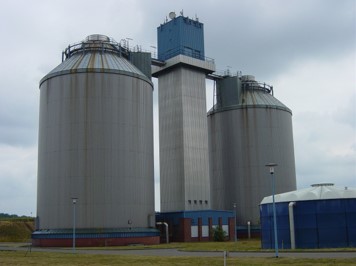
Japan's AIST reports a two-stage anaerobic digestion design that keeps acid production and methane production in separate vessels. The concept is decades old; the claim is that this configuration holds up at high loading.
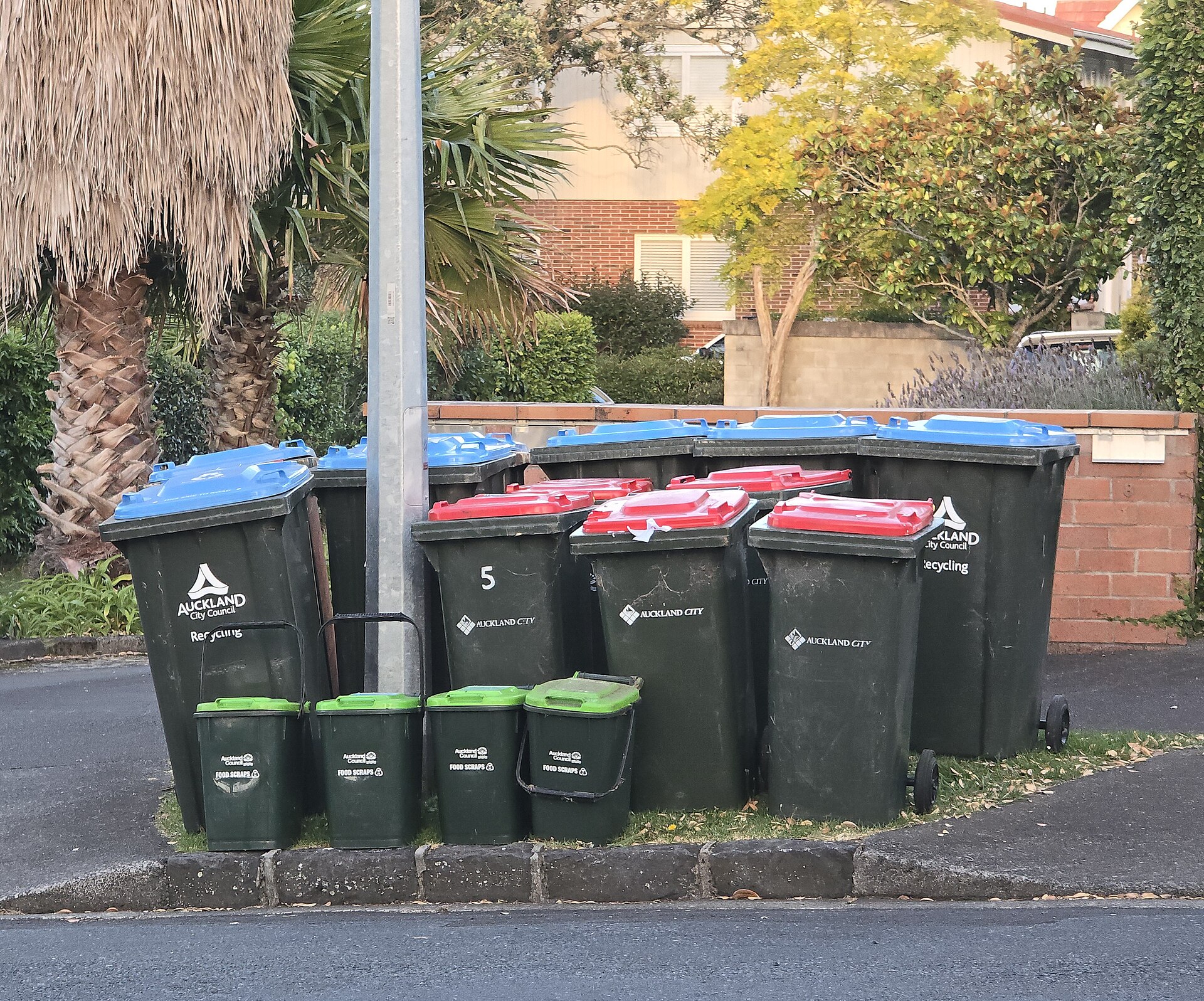
A Chinese research group reports converting food waste into single-cell protein using salt-tolerant marine microorganisms. The salt tolerance is a genuine engineering advantage. Feed approval is where this stalls.
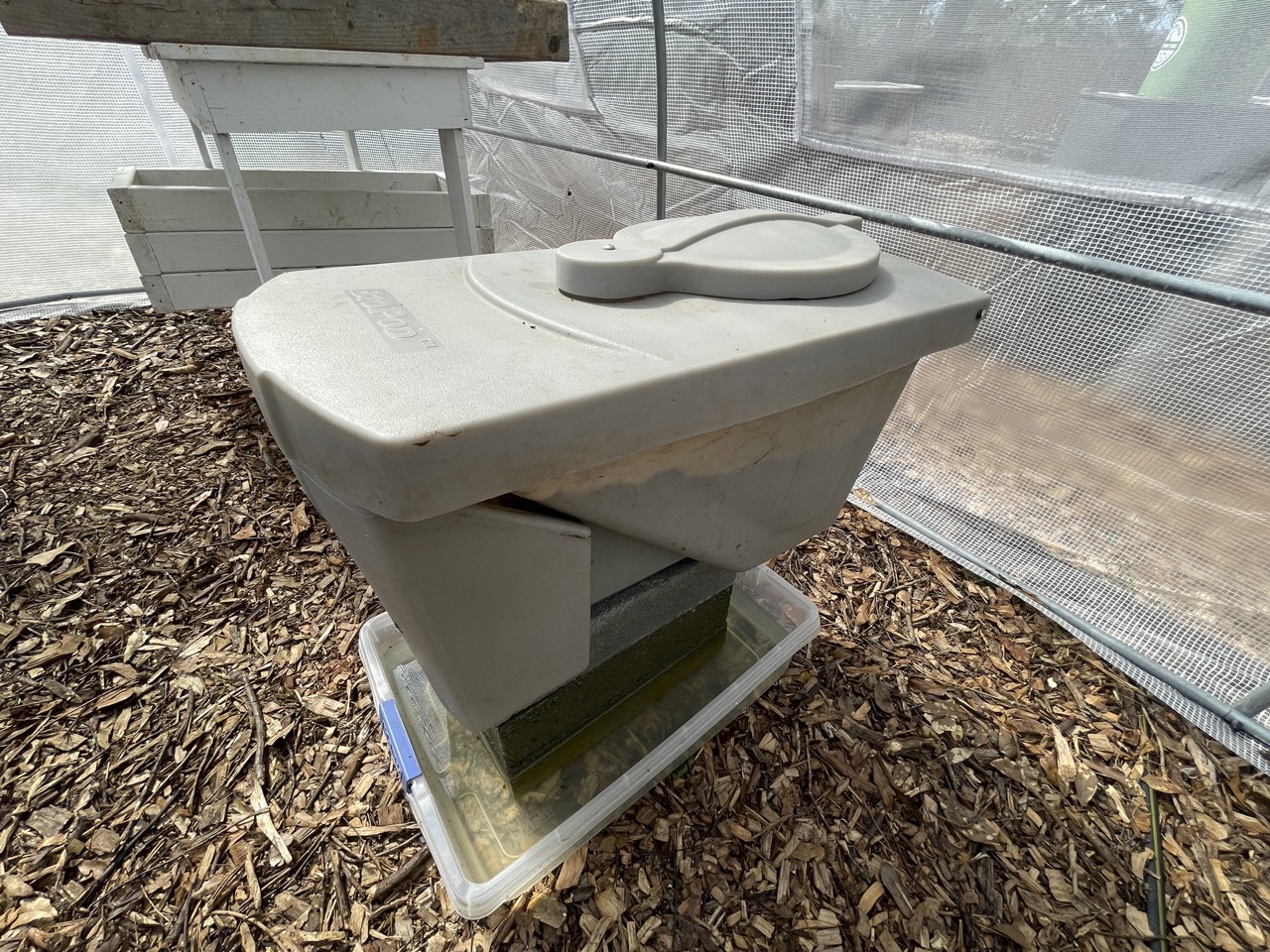
Larvae turn organic waste into protein in about two weeks with high conversion efficiency. Whether that protein can legally be fed to anything is decided by regulation, not by biology.