The Waste Stack
HomeAboutWriting

Writing

Explainers, teardowns, and myth-busting on waste management systems and green engineering.

AllExplainerTeardownMyth-Busting
#recycling84#plastics46#emissions36#energy27#e-waste22#landfill22#wastewater18#food-waste17#policy17
17 postsReset filters

All posts

NYC curbside organics: 72.5% growth, 8% capture — and why enforcement stopped working
TeardownSeptember 28, 2026

NYC curbside organics: 72.5% growth, 8% capture — and why enforcement stopped working

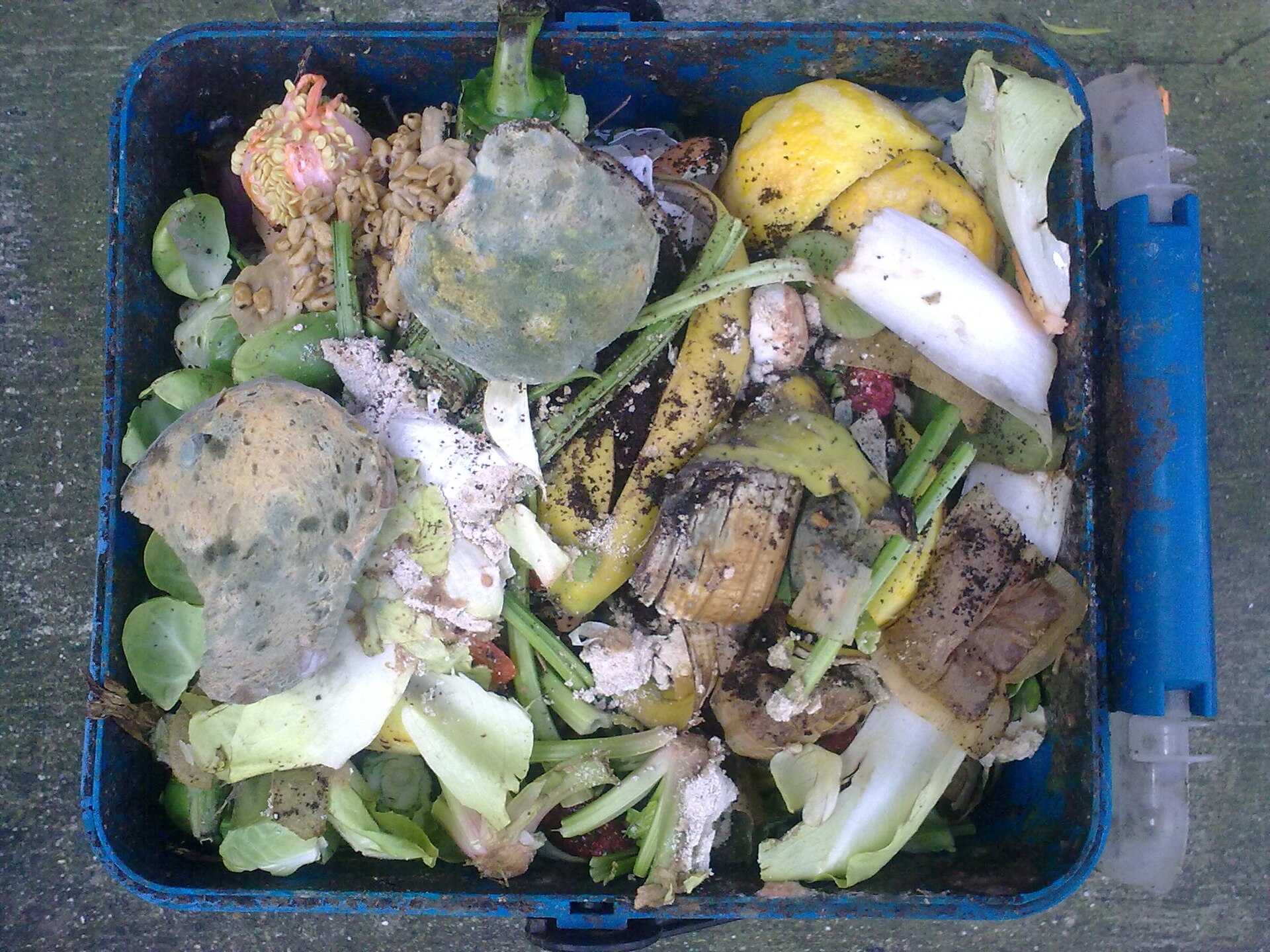
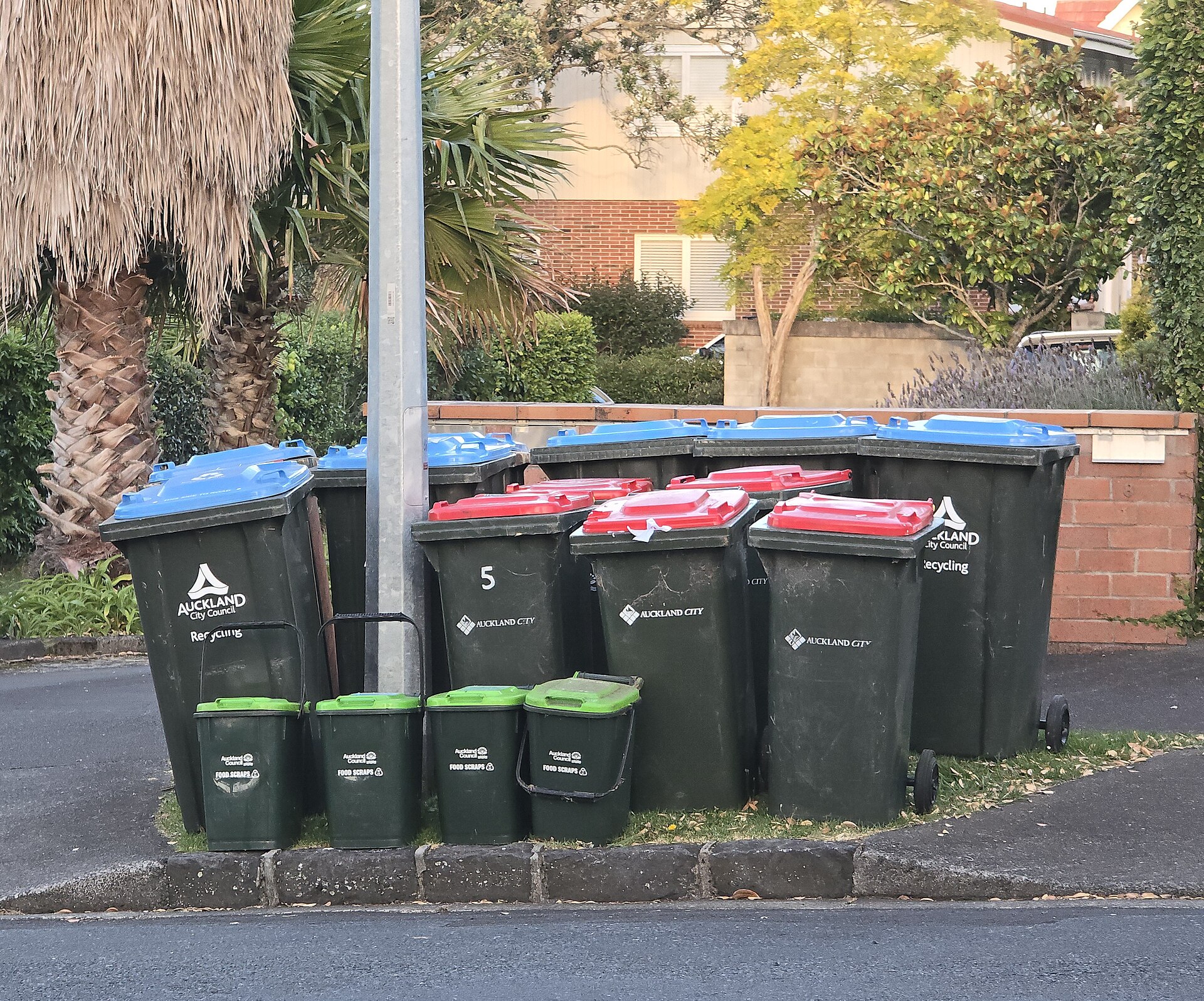
New York's mandatory food-scrap programme nearly doubled collection in FY2026. It still captures 8% of available organics, and a second round of ticketing barely moved participation.
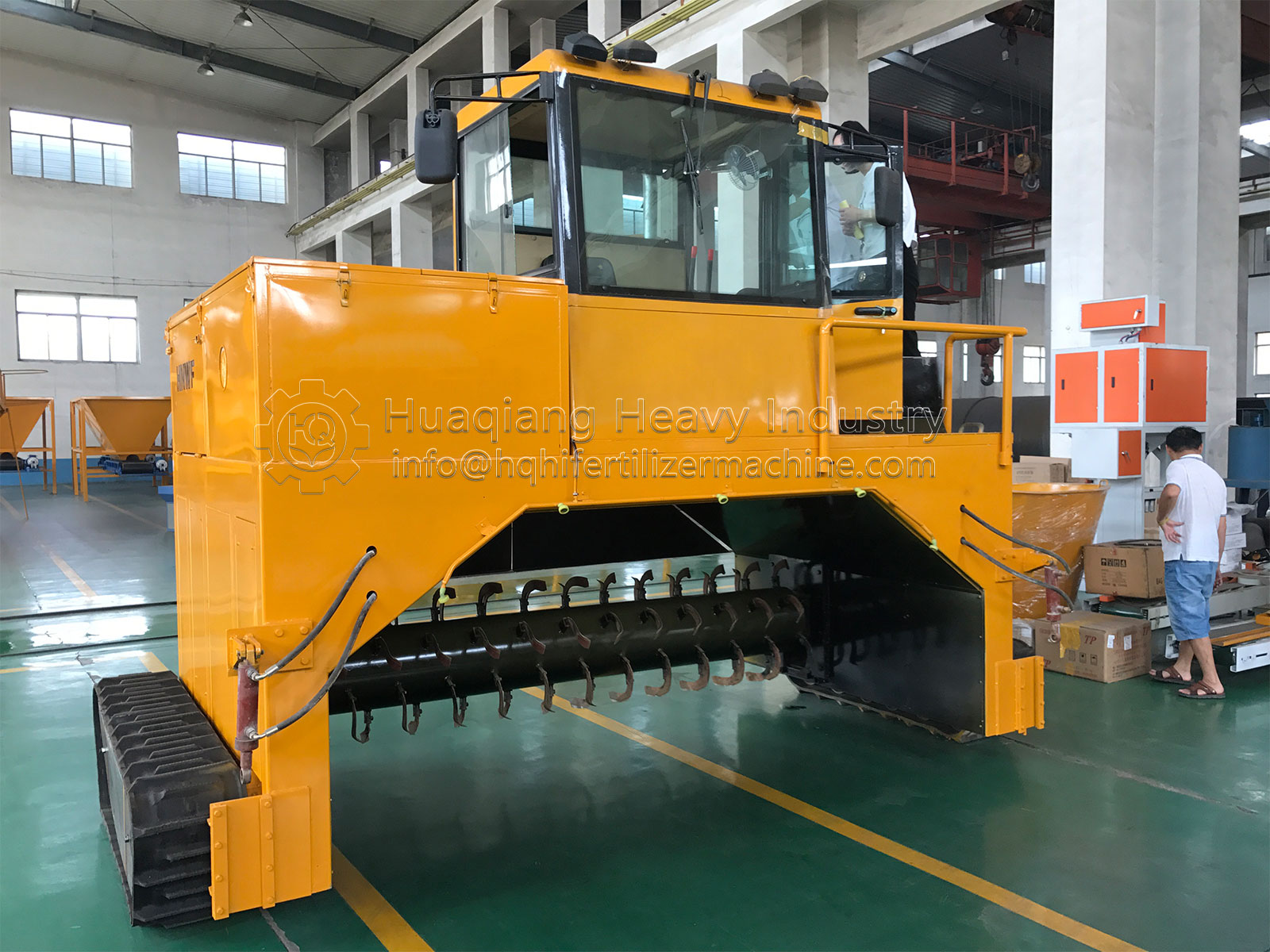
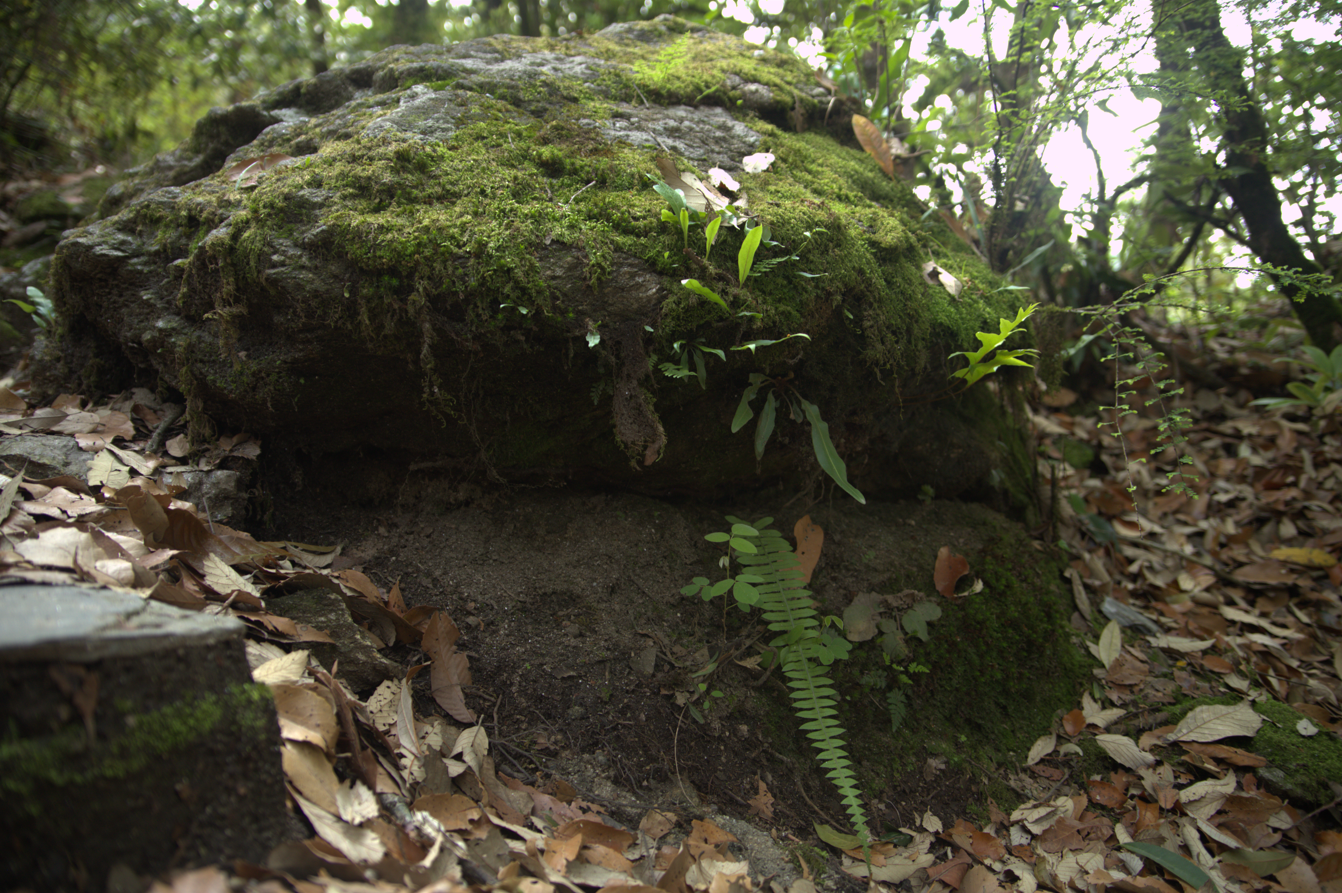
Compost biocovers: how bacteria turn escaping landfill methane into CO2
ExplainerSeptember 24, 2026

Compost biocovers: how bacteria turn escaping landfill methane into CO2

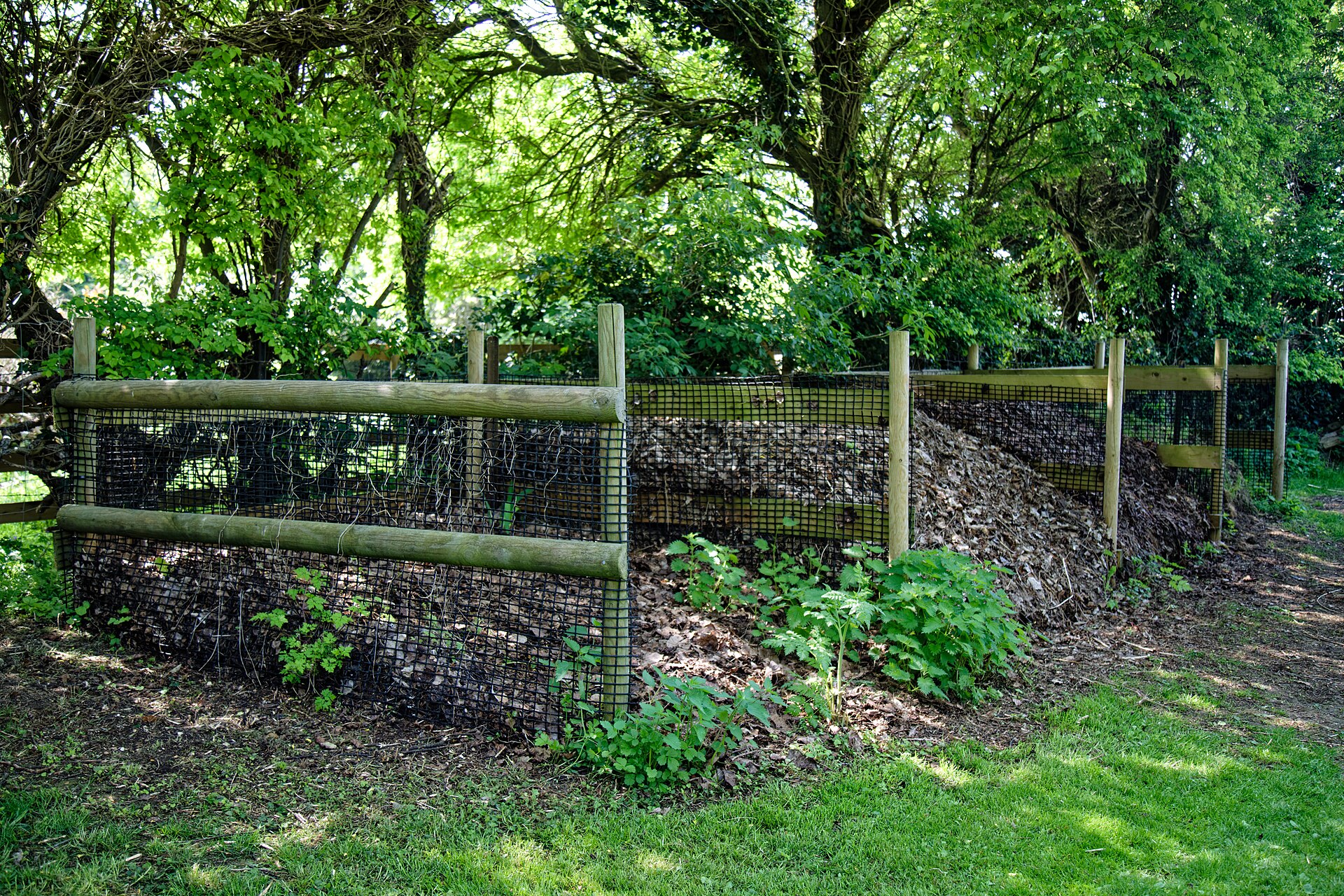
Where a landfill is too small or old for gas collection, a layer of mature compost can host methane-eating bacteria that oxidise up to 35–40% of escaping methane — for around $48,000 an acre.

How fungi eat industrial waste: the four tools of mycoremediation
ExplainerSeptember 23, 2026

How fungi eat industrial waste: the four tools of mycoremediation

White-rot fungi evolved to digest wood. The same enzymes attack dyes, oil and some plastics, and their cell walls soak up heavy metals. A 2026 review maps what works — and where the evidence runs thin.

BASF's ecovio Is Certified Home-Compostable. Two Data Sets Are Missing
TeardownSeptember 20, 2026

BASF's ecovio Is Certified Home-Compostable. Two Data Sets Are Missing

A PBAT and PLA blend with TUV OK Compost Home certification. The disintegration is tested. The barrier performance and the microplastic question are not.

An Enzyme From a Compost Heap Cuts Polyurethane. Slowly.
ExplainerSeptember 15, 2026

An Enzyme From a Compost Heap Cuts Polyurethane. Slowly.

A Danish team found a bacterial enzyme that cleaves untreated polyurethane foam and nylon with no pretreatment. Three days of it removed 1.4 percent of a shoe sole.

Coway's Microbial Food Waste Disposer: 0.7 kg a Day and One Unverified Number
TeardownSeptember 14, 2026

Coway's Microbial Food Waste Disposer: 0.7 kg a Day and One Unverified Number

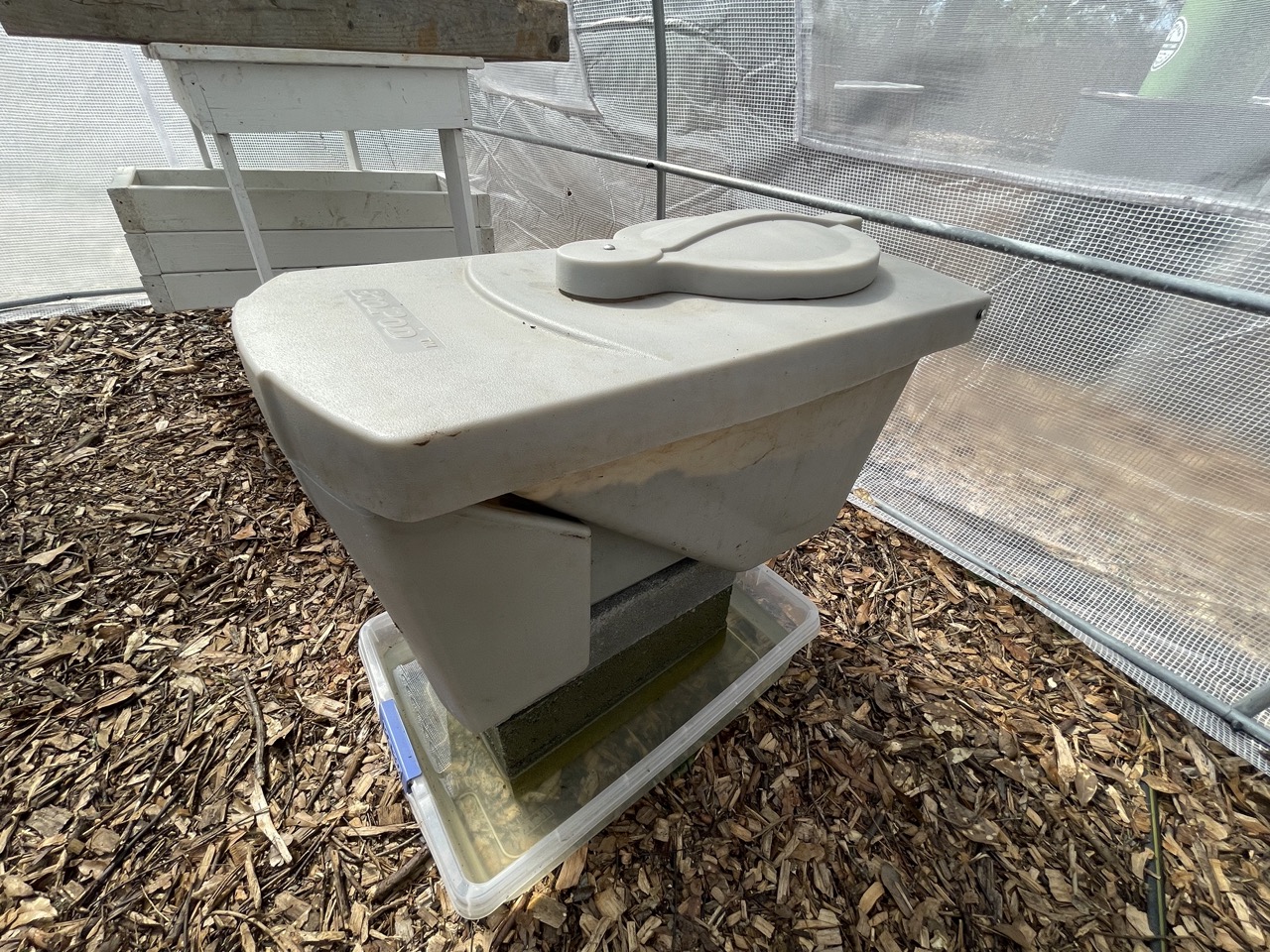
Coway has launched a kitchen unit that digests food scraps with microbes cultured from doenjang rather than grinding and drying them. The mechanism is genuinely different. The throughput ceiling and the missing data are the story.

AIST's ABCS Reactor: Splitting Digestion in Two to Stop It Souring
ExplainerSeptember 13, 2026

AIST's ABCS Reactor: Splitting Digestion in Two to Stop It Souring

Japan's AIST reports a two-stage anaerobic digestion design that keeps acid production and methane production in separate vessels. The concept is decades old; the claim is that this configuration holds up at high loading.

Marine Microbes Turning Food Waste Into Protein: Good Biology, Unresolved Regulation
ExplainerSeptember 12, 2026

Marine Microbes Turning Food Waste Into Protein: Good Biology, Unresolved Regulation

A Chinese research group reports converting food waste into single-cell protein using salt-tolerant marine microorganisms. The salt tolerance is a genuine engineering advantage. Feed approval is where this stalls.

"Compostable" Is a Facility Spec, Not a Property of the Object
Myth-BustingSeptember 11, 2026

"Compostable" Is a Facility Spec, Not a Property of the Object

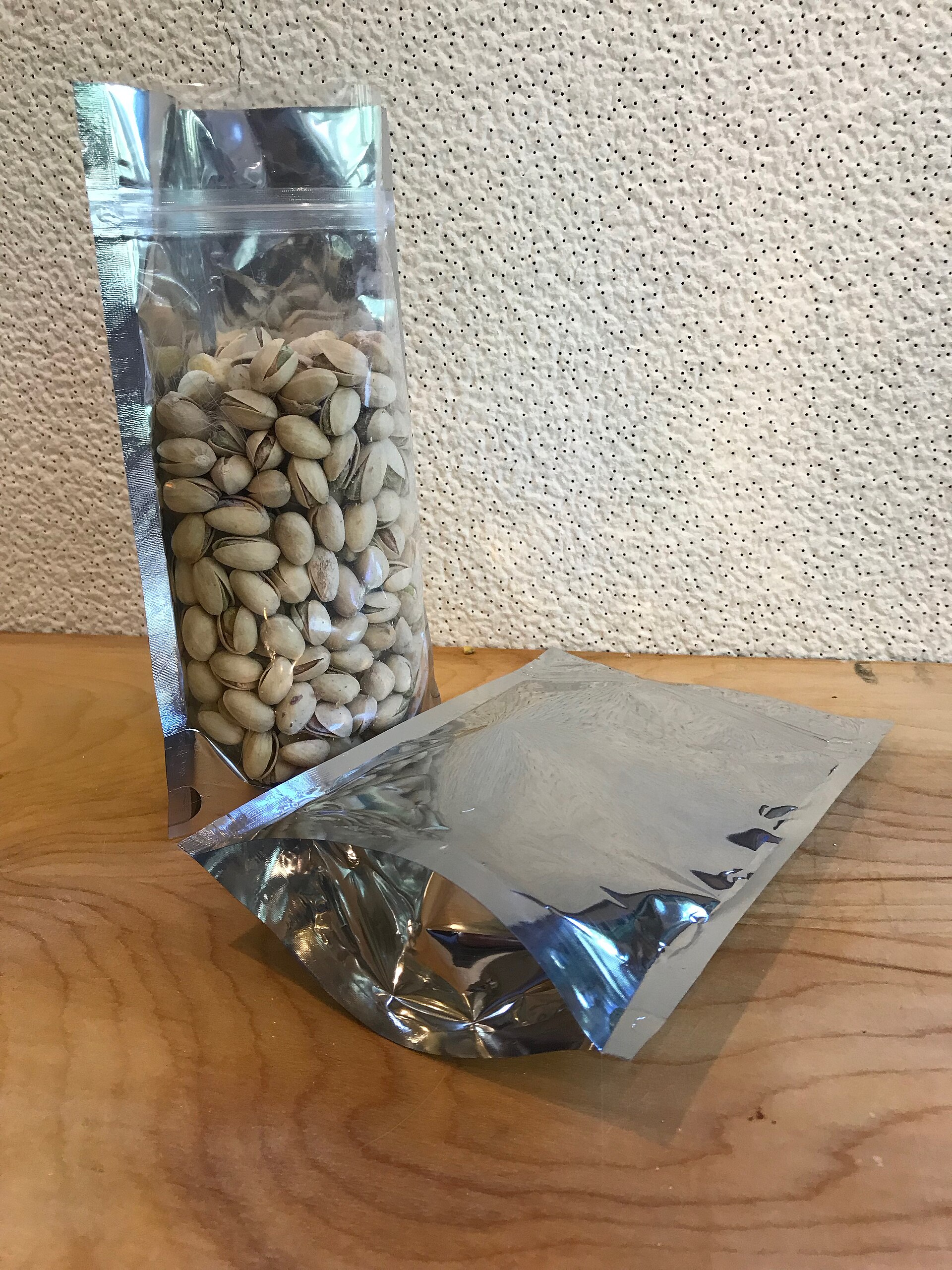
Certified compostable packaging is engineered to break down in a hot industrial windrow. Put it in a garden bin, a recycling bin or a landfill and it behaves like ordinary plastic — because in those conditions, it is.

Black Soldier Flies Convert Food Waste Fast. The Constraint Is the Law.
ExplainerSeptember 9, 2026

Black Soldier Flies Convert Food Waste Fast. The Constraint Is the Law.

Larvae turn organic waste into protein in about two weeks with high conversion efficiency. Whether that protein can legally be fed to anything is decided by regulation, not by biology.

"It's just food — it rots away harmlessly in a landfill"
Myth-BustingSeptember 2, 2026

"It's just food — it rots away harmlessly in a landfill"

Food is a quarter of what goes into landfills and is linked to well over half the methane that escapes them. The reason is that a landfill is not a compost heap — it is the opposite of one.

The sunlight-and-catalyst filter that attacks wastewater pollutants
ExplainerAugust 19, 2026

The sunlight-and-catalyst filter that attacks wastewater pollutants

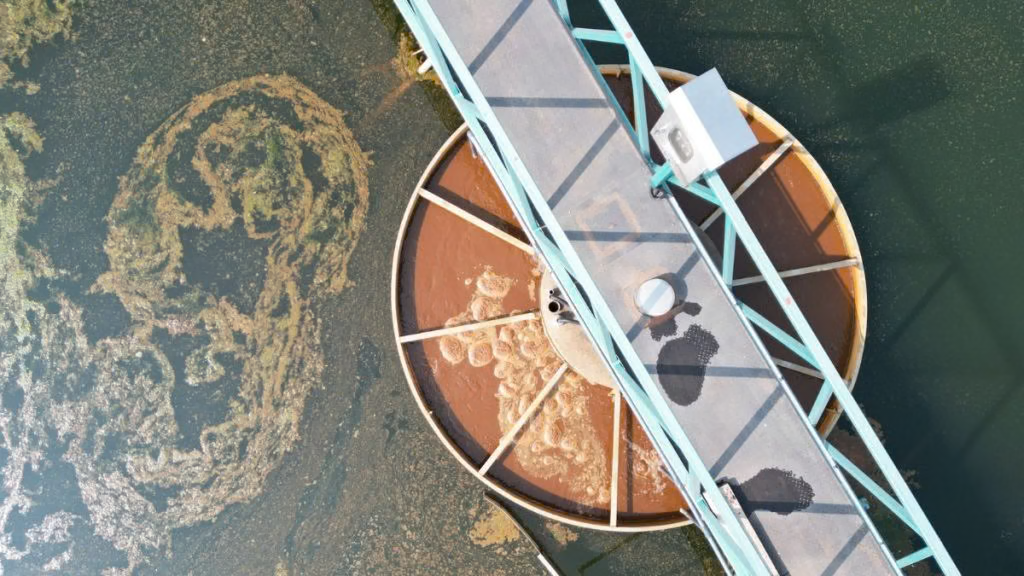
Photocatalysis usually arrives as a powder you then have to fish back out of the water. Fixing the catalyst to a resin bed turns it into something closer to a treatment step: water in one end, oxidised organics out the other.

The three-day composting machine, explained
ExplainerAugust 16, 2026

The three-day composting machine, explained

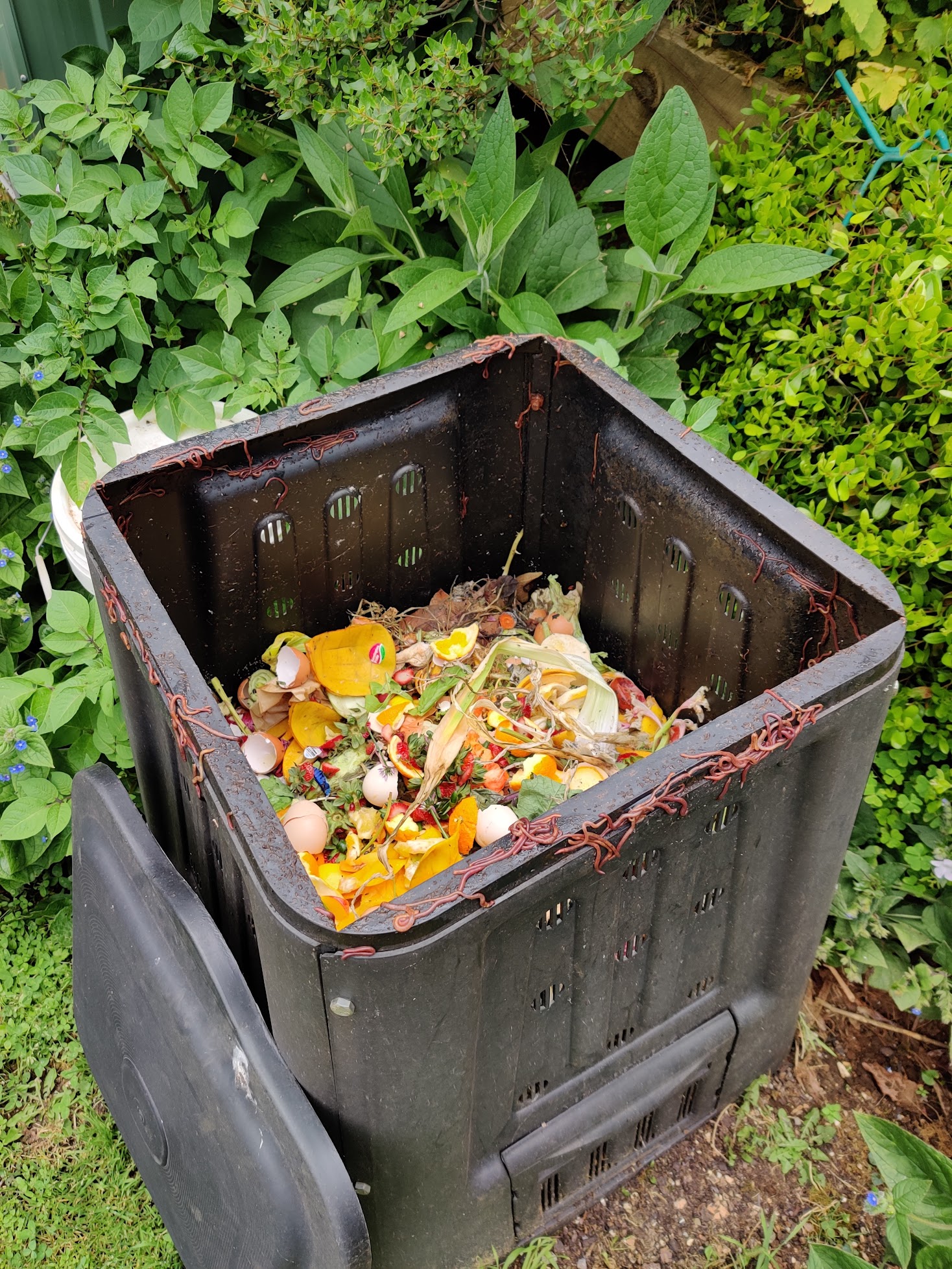
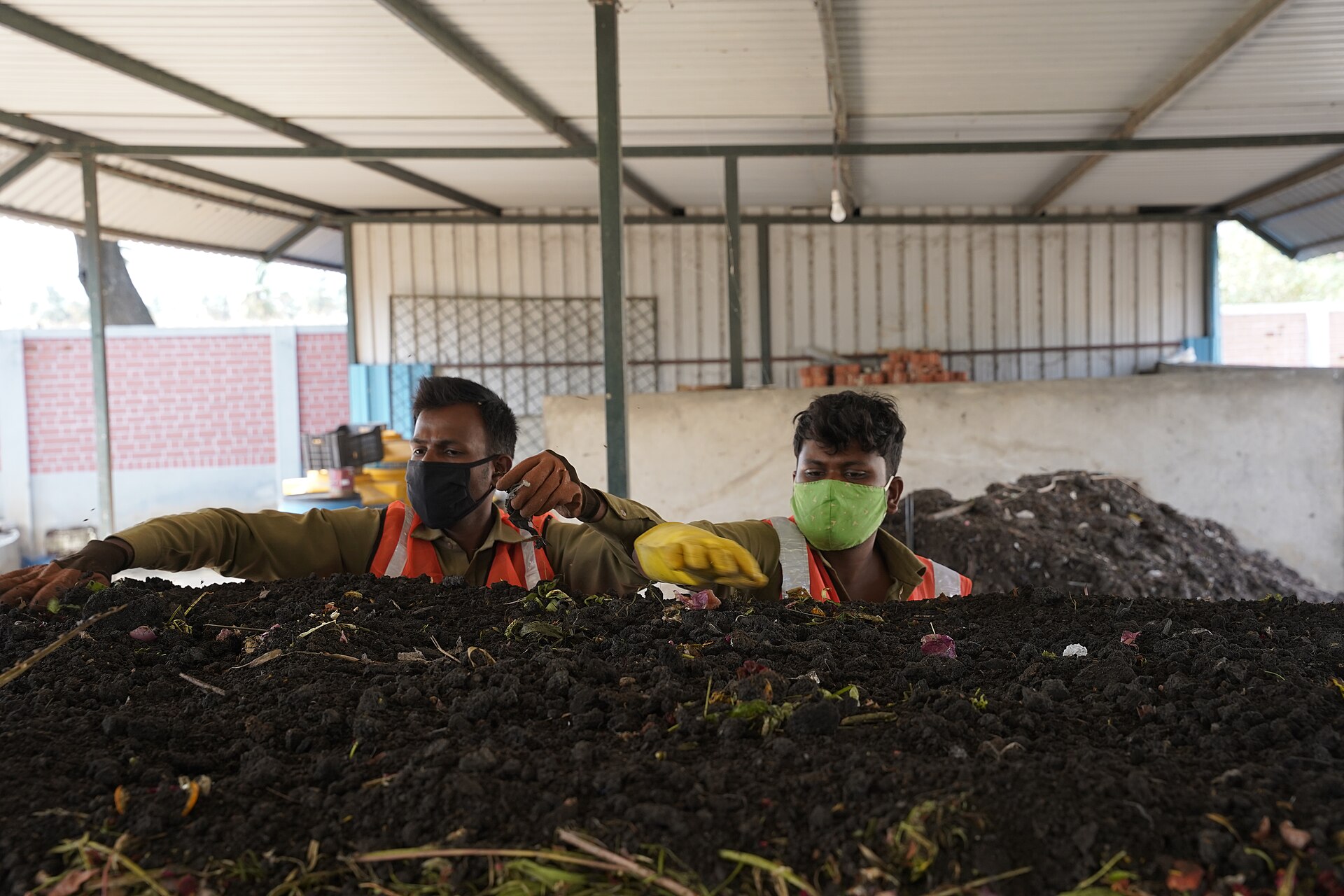
Shah Alam is turning food waste from 2,000-plus premises into fertiliser in three to four days. That speed is not magic — it is source separation, moisture control and managed aerobic biology. Here is what happens inside, and the data the report leaves out.

No, burning trash for electricity does not make recycling pointless
Myth-BustingAugust 10, 2026

No, burning trash for electricity does not make recycling pointless

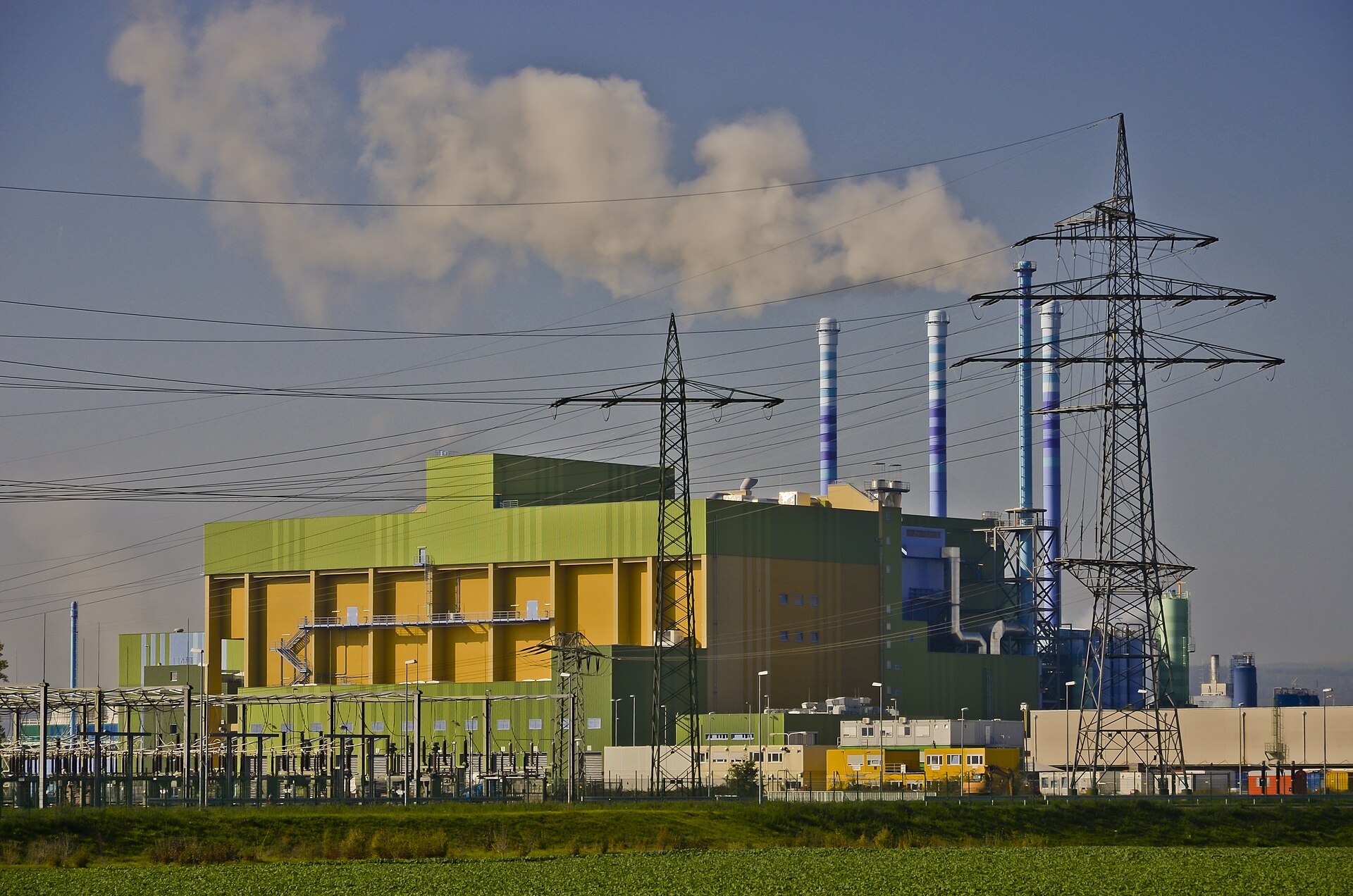
Energy recovery has a legitimate place in a waste system. It sits below prevention, reuse, recycling and composting - and roughly a tenth of what goes in still comes out as ash bound for landfill.

"Compostable" does not mean backyard-compostable
Myth-BustingAugust 5, 2026

"Compostable" does not mean backyard-compostable

A compostable label describes how a product behaves under specified industrial conditions. It is not a promise that your compost heap, or your recycling bin, can handle it.

Reading the BITS Pilani Wastewater Claim Line by Line
TeardownAugust 1, 2026

Reading the BITS Pilani Wastewater Claim Line by Line

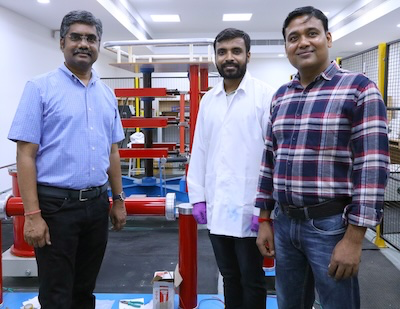
Six nines of disinfection, 90% organics removal, reusable water and biogas — announced without an energy balance, a cost figure, or a recovery yield. A teardown of what the numbers do and do not say.

Electric Pulses, Bacteria, Biogas: A Three-Stage Loop for Biopharma Wastewater
ExplainerAugust 1, 2026

Electric Pulses, Bacteria, Biogas: A Three-Stage Loop for Biopharma Wastewater

A BITS Pilani system disinfects pharmaceutical wastewater with electric pulses, digests the organics biologically, and turns the leftover sludge into methane. Here is the logic of each stage.

The Waste Stack

Independent writing on waste management systems and green engineering.

All writingAbout
#plastics#recycling#e-waste#landfill#wastewater#energy#food-waste#emissions#policy