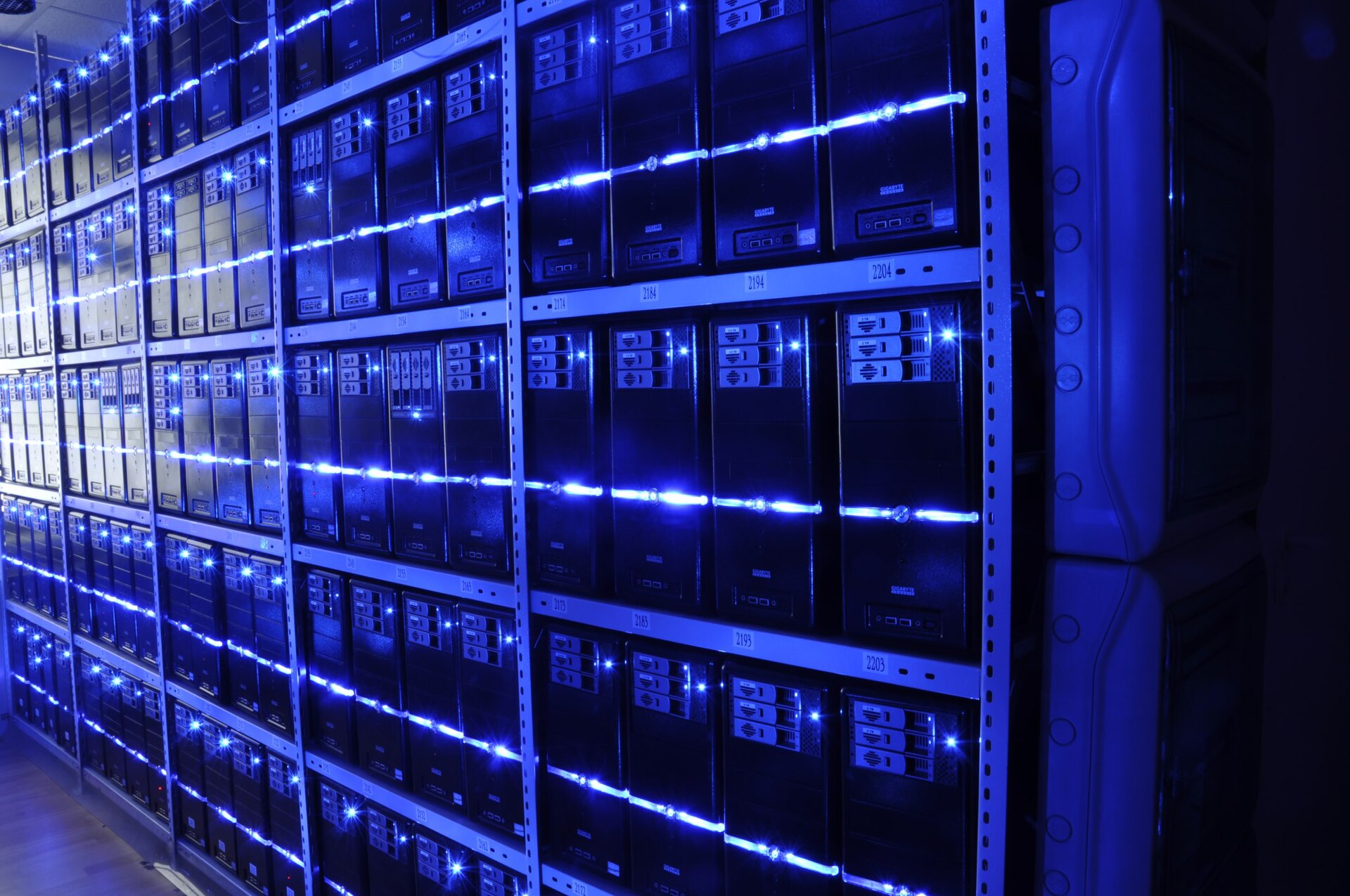
TeardownSeptember 19, 2026
The "AI Will Create 40 to 60 Times More E-Waste" Claim, Examined
The Basel Action Network's projection is arithmetically defensible and widely misread. Most of the forecast tonnage is not servers.

Explainers, teardowns, and myth-busting on waste management systems and green engineering.
The Basel Action Network's projection is arithmetically defensible and widely misread. Most of the forecast tonnage is not servers.
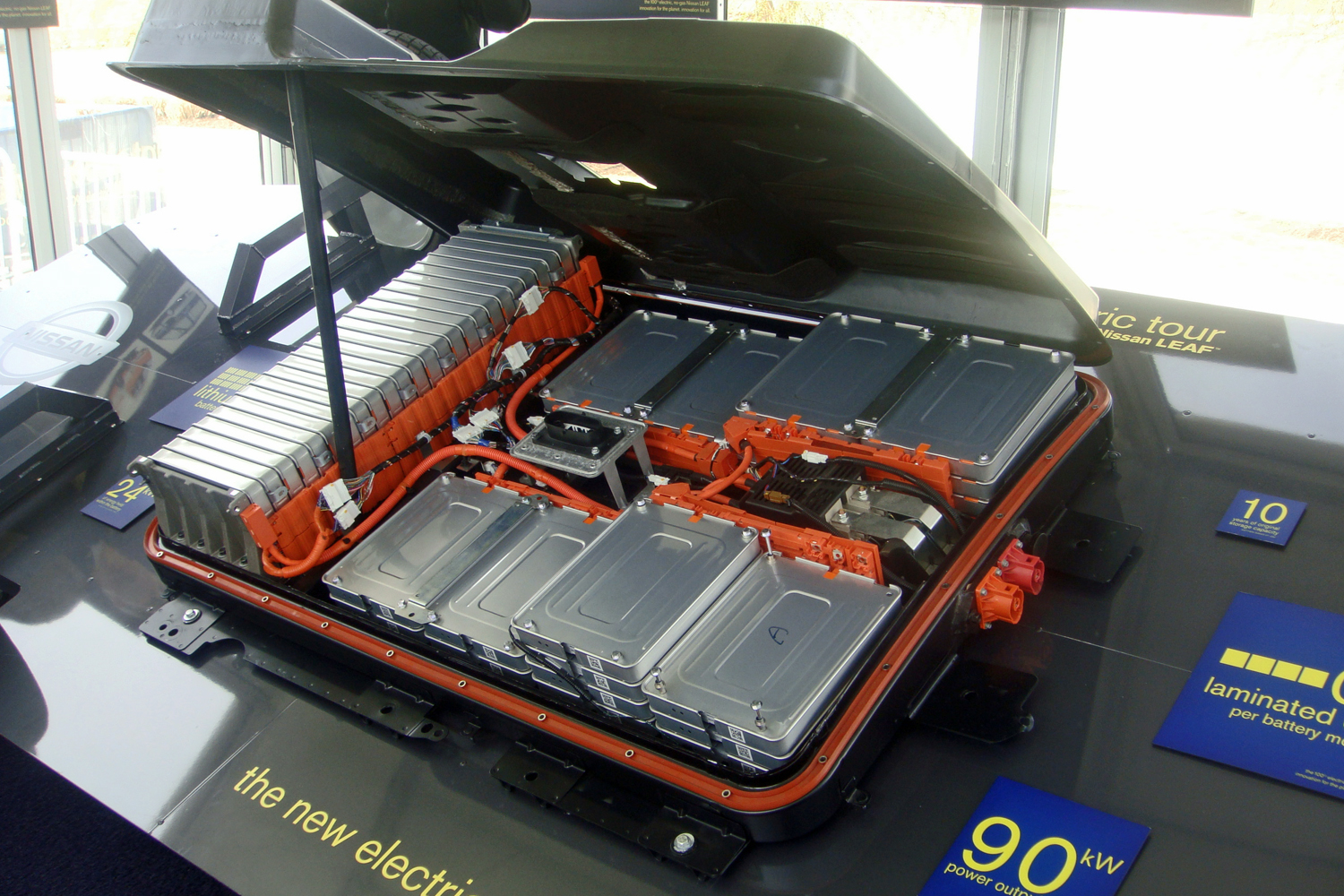
R3 Lithium is taking over battery recycling capacity in Covington, Georgia that Ascend Elements spent far more to build. The asset is real. The question is whether the funding matches what refining lithium to spec actually costs.
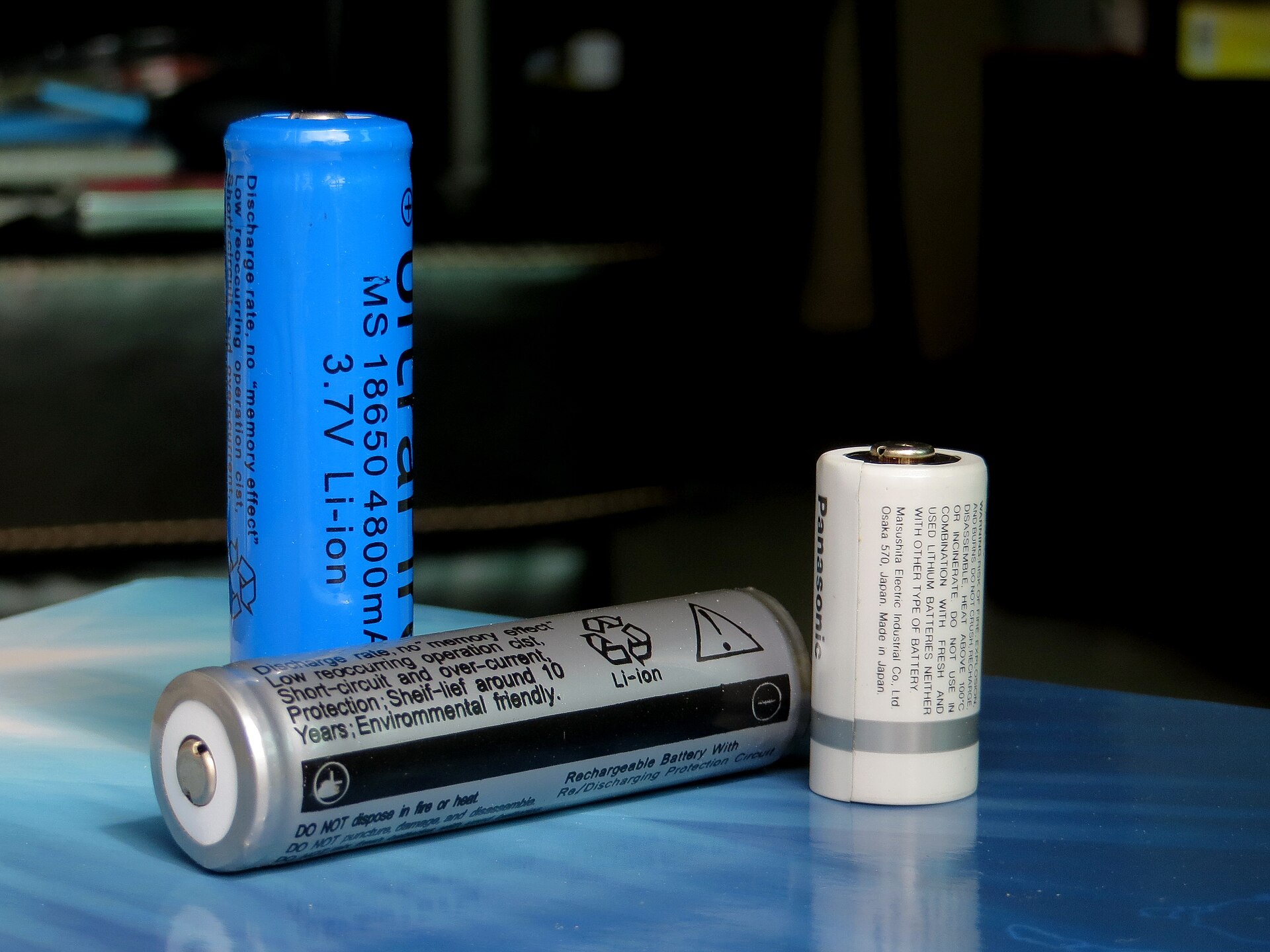
Rice University reports ~95% recovery of critical metals using citric acid. The chemistry is genuinely clever. The framing around it — the lemon, the 10% figure, the record — does not survive a close read.

The directive is a real obligation with real teeth. It also applies to a short list of product categories, and the biggest driver of e-waste volume — cheap devices with glued-in batteries — largely sits outside it.
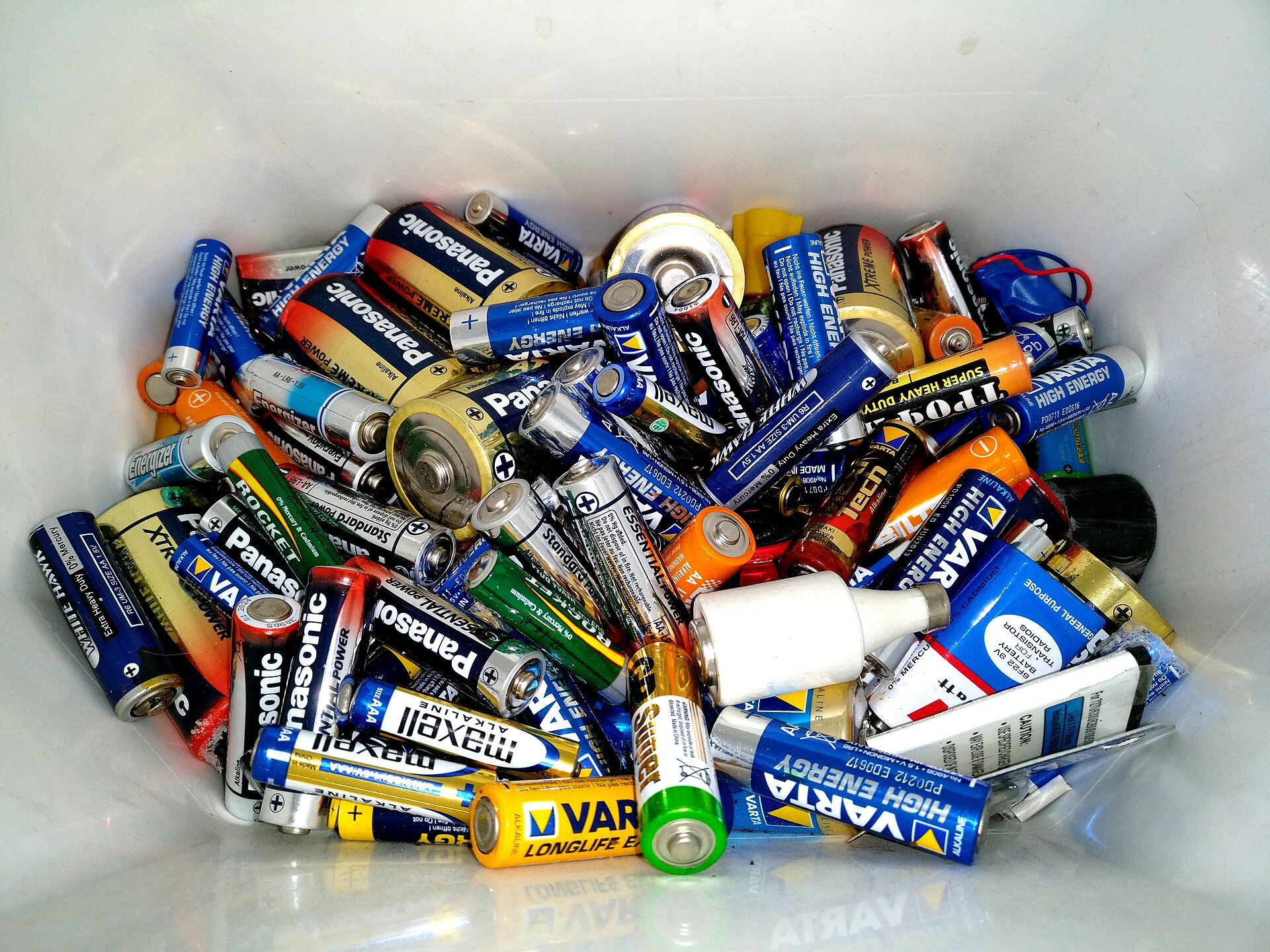
A pilot plant recovering lithium without mineral acid is a genuine contribution. The gap between pilot tonnage and the volume of batteries reaching end of life this decade is three orders of magnitude.