BASF's ecovio Is Certified Home-Compostable. Two Data Sets Are Missing
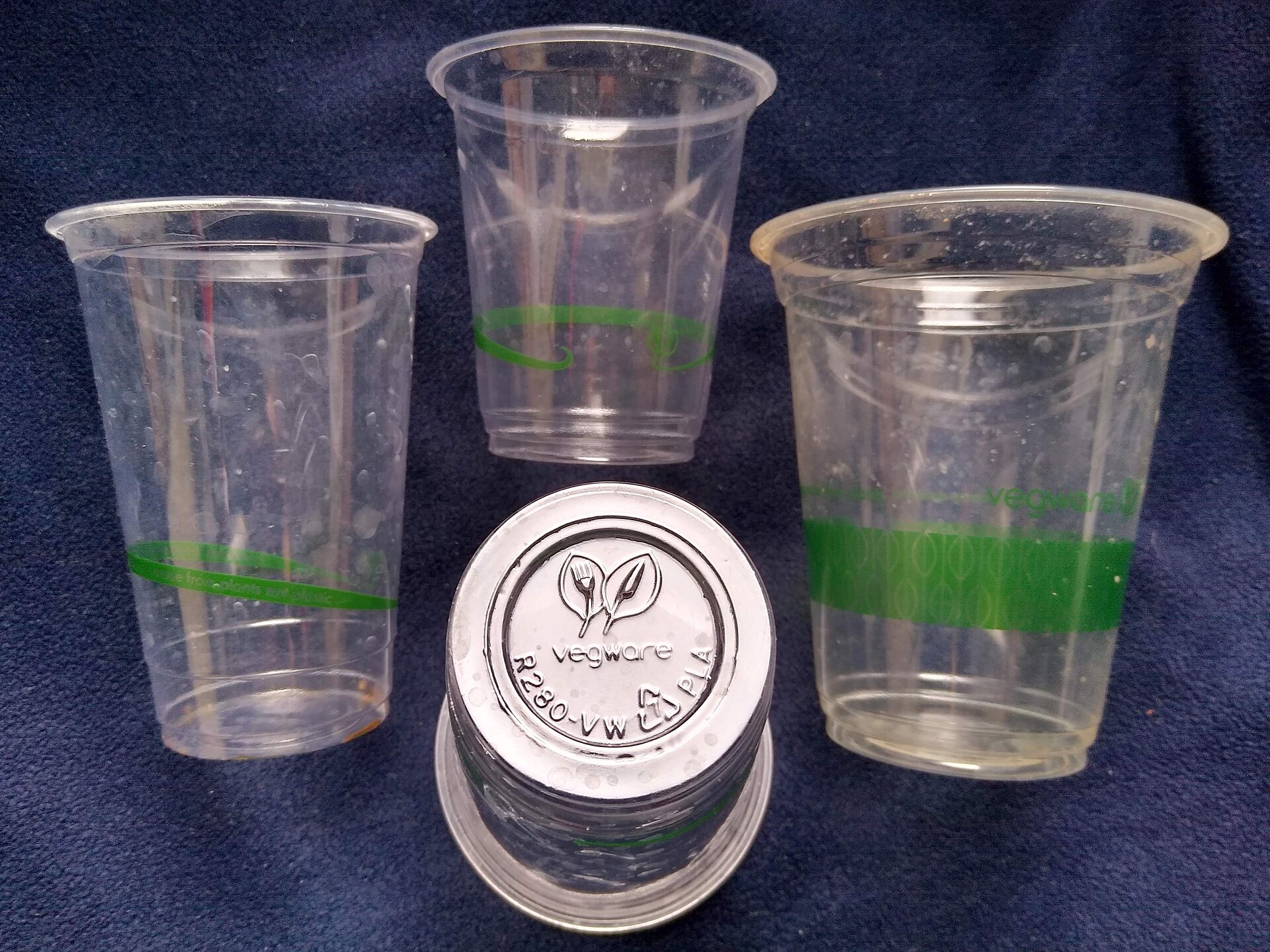
A PBAT and PLA blend with TUV OK Compost Home certification. The disintegration is tested. The barrier performance and the microplastic question are not.
Explainers, teardowns, and myth-busting on waste management systems and green engineering.

A PBAT and PLA blend with TUV OK Compost Home certification. The disintegration is tested. The barrier performance and the microplastic question are not.

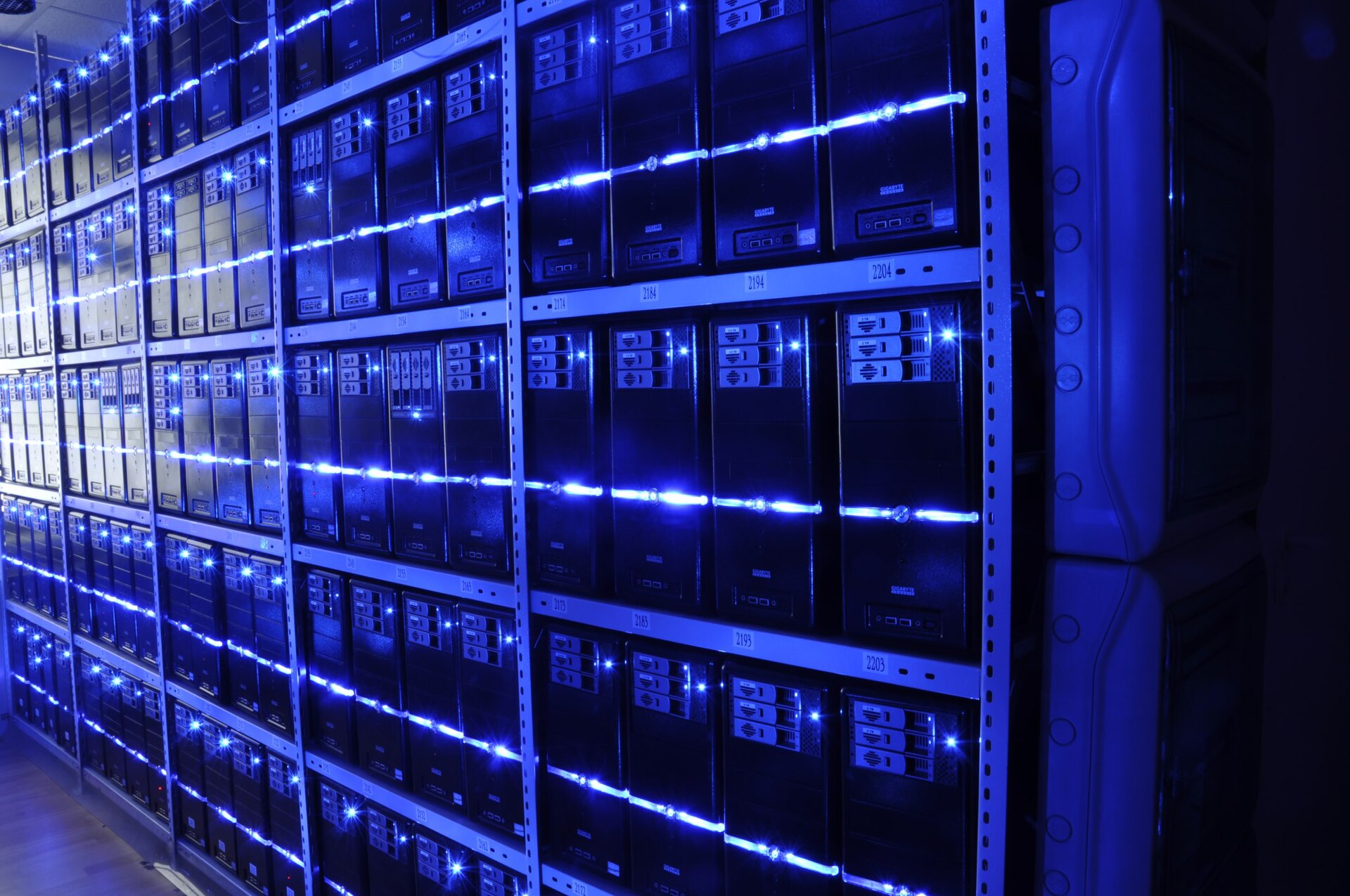
The Basel Action Network's projection is arithmetically defensible and widely misread. Most of the forecast tonnage is not servers.

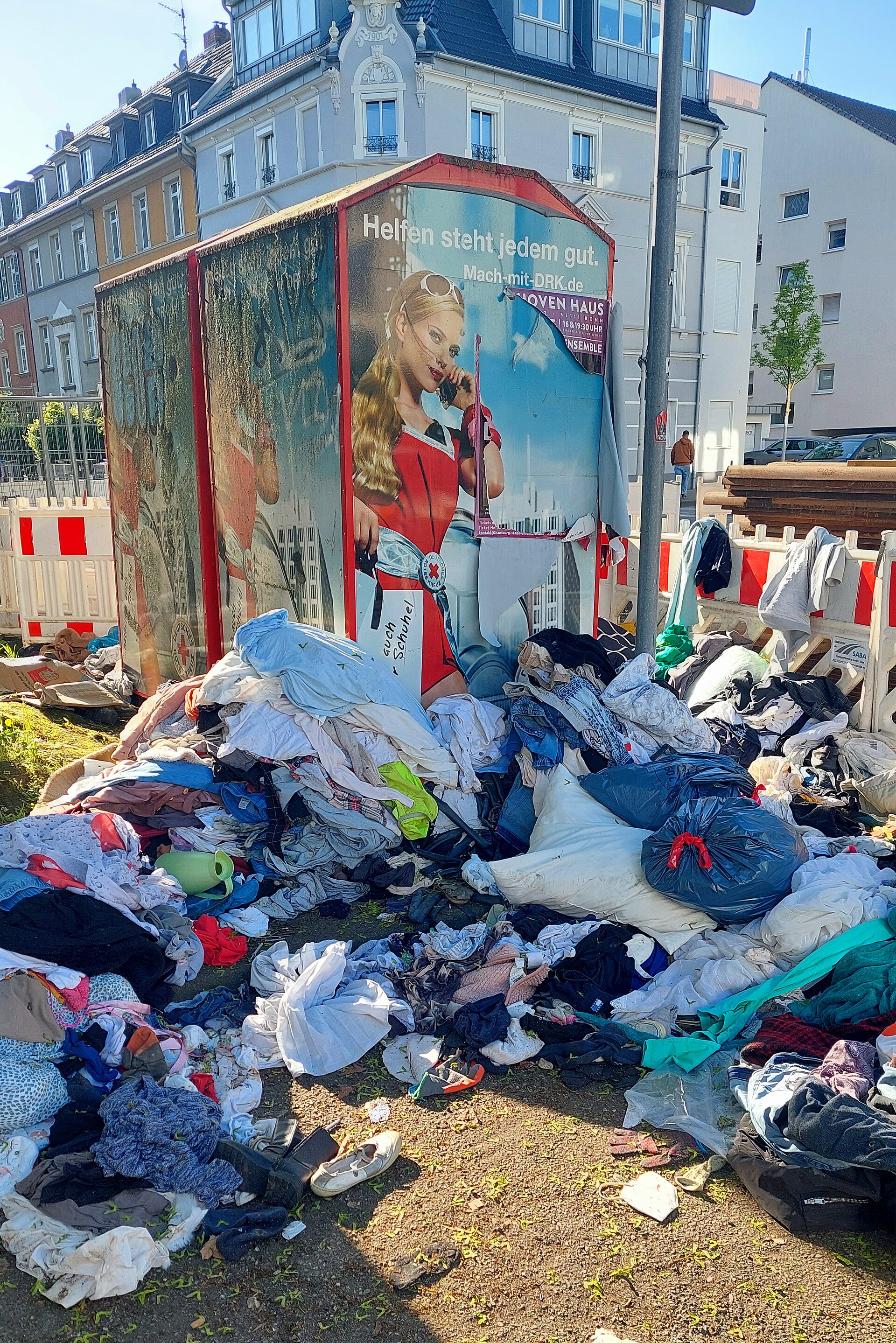
Separating polyester from cotton is textile recycling's central unsolved problem. Worn Again's Swiss facility has module one commissioned and module two on paper.

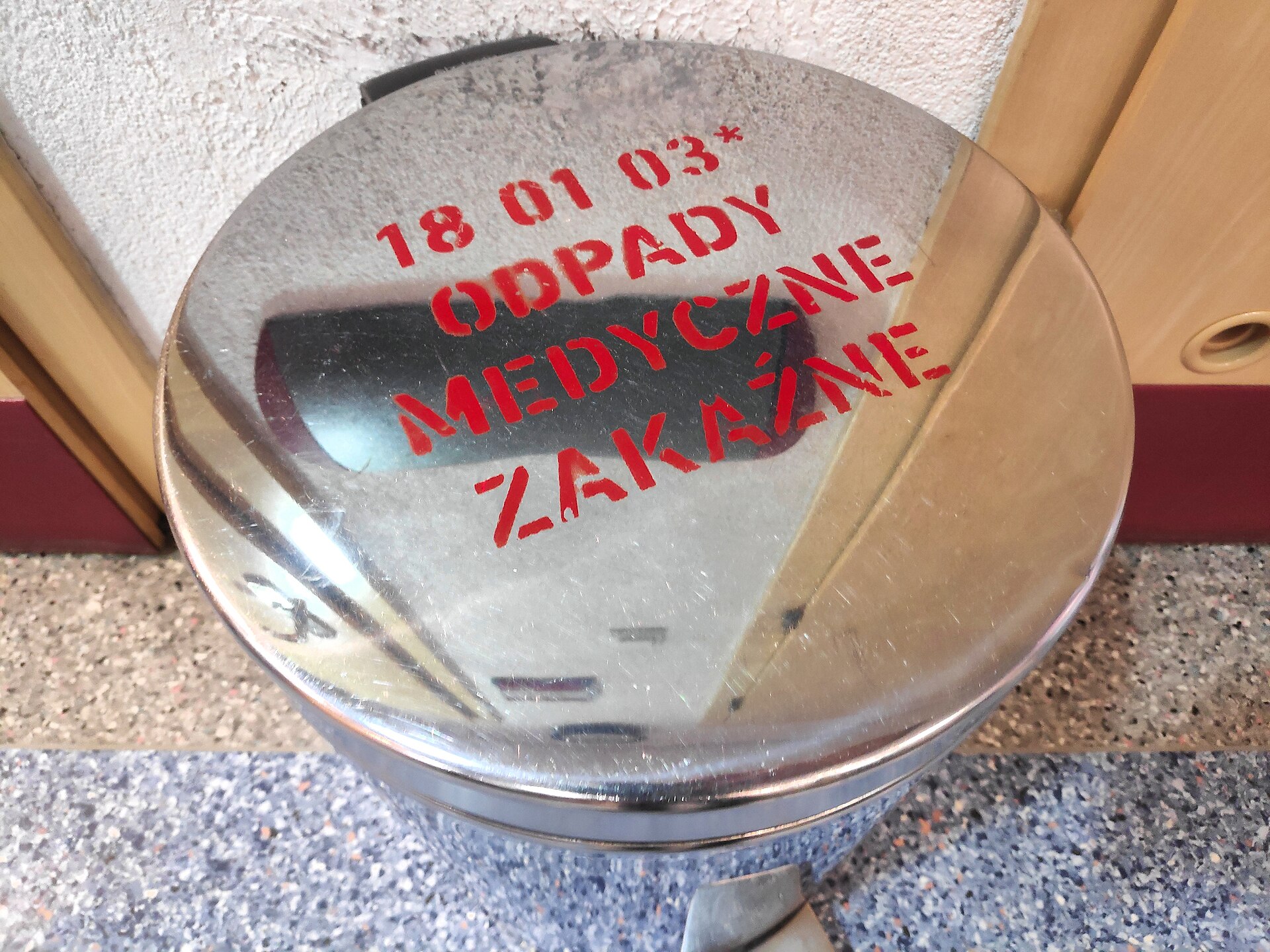
On-site shredding and disinfection that turns regulated medical waste into recyclable polymer flake. The disinfection is certified. Most of the headline numbers are not.

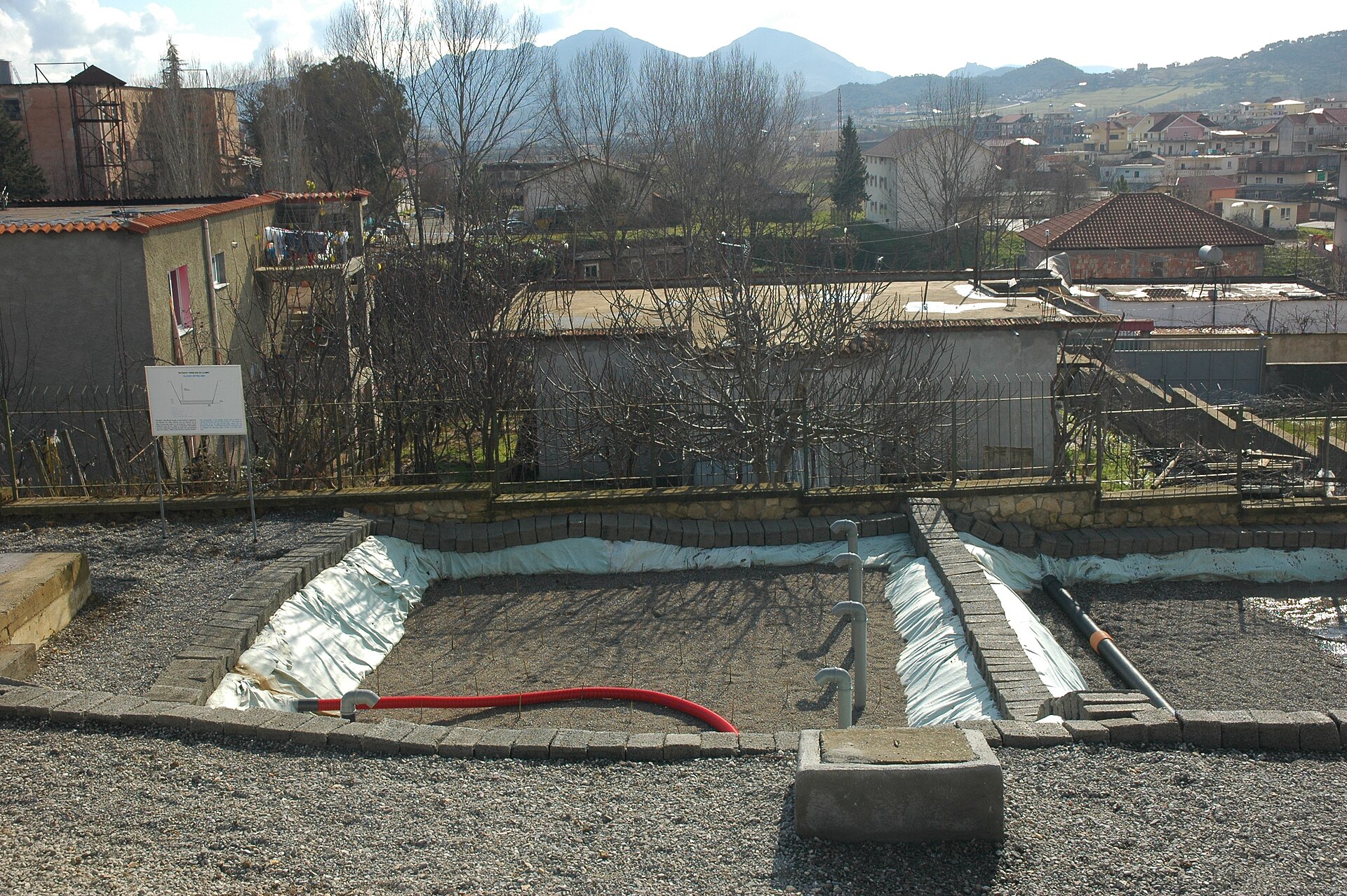
Hydrothermal carbonisation, gasification, energy recovery and phosphorus capture in a single automated plant near Treviso. The integration is the novelty — and the performance data is absent.

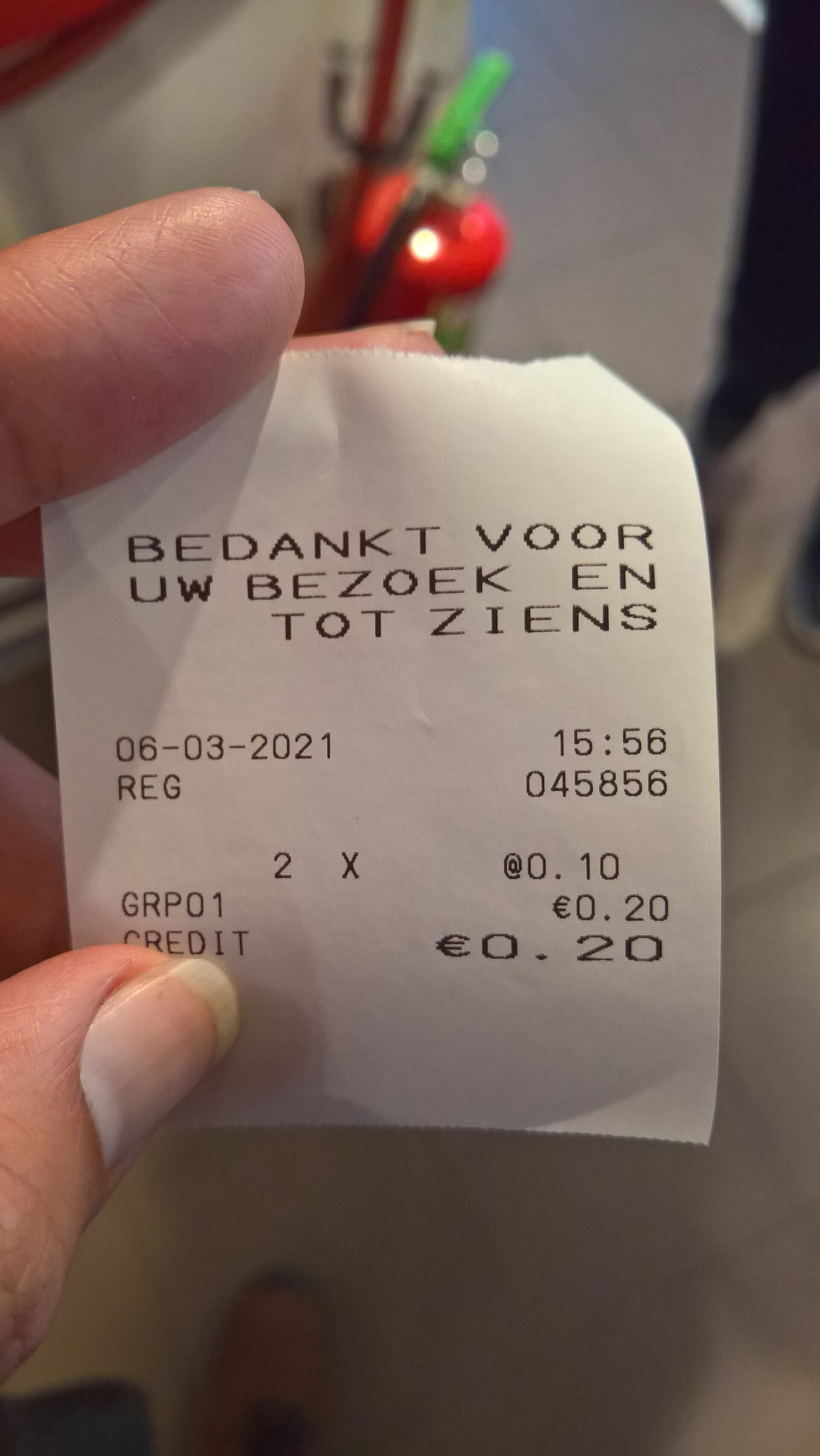
Two reverse vending machines in Dokki pay phone credit for bottles and cans — the exact fraction that has funded an informal collection economy for a century.

Four companies, six steps, and one link where the recycled content is attributed rather than physically traced. The pyrolysis is real. The loop is partly bookkeeping.

Three stacked AI layers, a claimed 30 percent throughput gain, and one named customer. The architecture is plausible. The evidence is a launch announcement.

Coway has launched a kitchen unit that digests food scraps with microbes cultured from doenjang rather than grinding and drying them. The mechanism is genuinely different. The throughput ceiling and the missing data are the story.

Aduro says its water-based chemistry converts waste plastic and heavy oil at lower temperatures than pyrolysis. Even if that holds, the output is still a feedstock that a refinery has to finish.

Chemical recycling of PET normally means a stirred tank and several hours. Kirin and JSW have moved the reaction into a continuous extruder. If the numbers hold, the interesting part is throughput per unit of capital.

R3 Lithium is taking over battery recycling capacity in Covington, Georgia that Ascend Elements spent far more to build. The asset is real. The question is whether the funding matches what refining lithium to spec actually costs.

An EU project says it has closed the loop on PLA — sorting, depolymerising and repolymerising bioplastic back to virgin-grade. The chemistry is sound. The numbers that decide whether it matters are missing.

The removal figure is real and independently plausible. Set against annual plastic inflow to the ocean, it represents a small fraction of a single year — and the river interceptors are the part of the programme that actually scales.

Chemical depolymerisation of nylon 6 back to caprolactam is proven chemistry with decades of industrial history. The constraint has always been that most nylon in the world is blended into textiles that cannot be separated.

Rice University reports ~95% recovery of critical metals using citric acid. The chemistry is genuinely clever. The framing around it — the lemon, the 10% figure, the record — does not survive a close read.

The directive is a real obligation with real teeth. It also applies to a short list of product categories, and the biggest driver of e-waste volume — cheap devices with glued-in batteries — largely sits outside it.

A pilot plant recovering lithium without mineral acid is a genuine contribution. The gap between pilot tonnage and the volume of batteries reaching end of life this decade is three orders of magnitude.

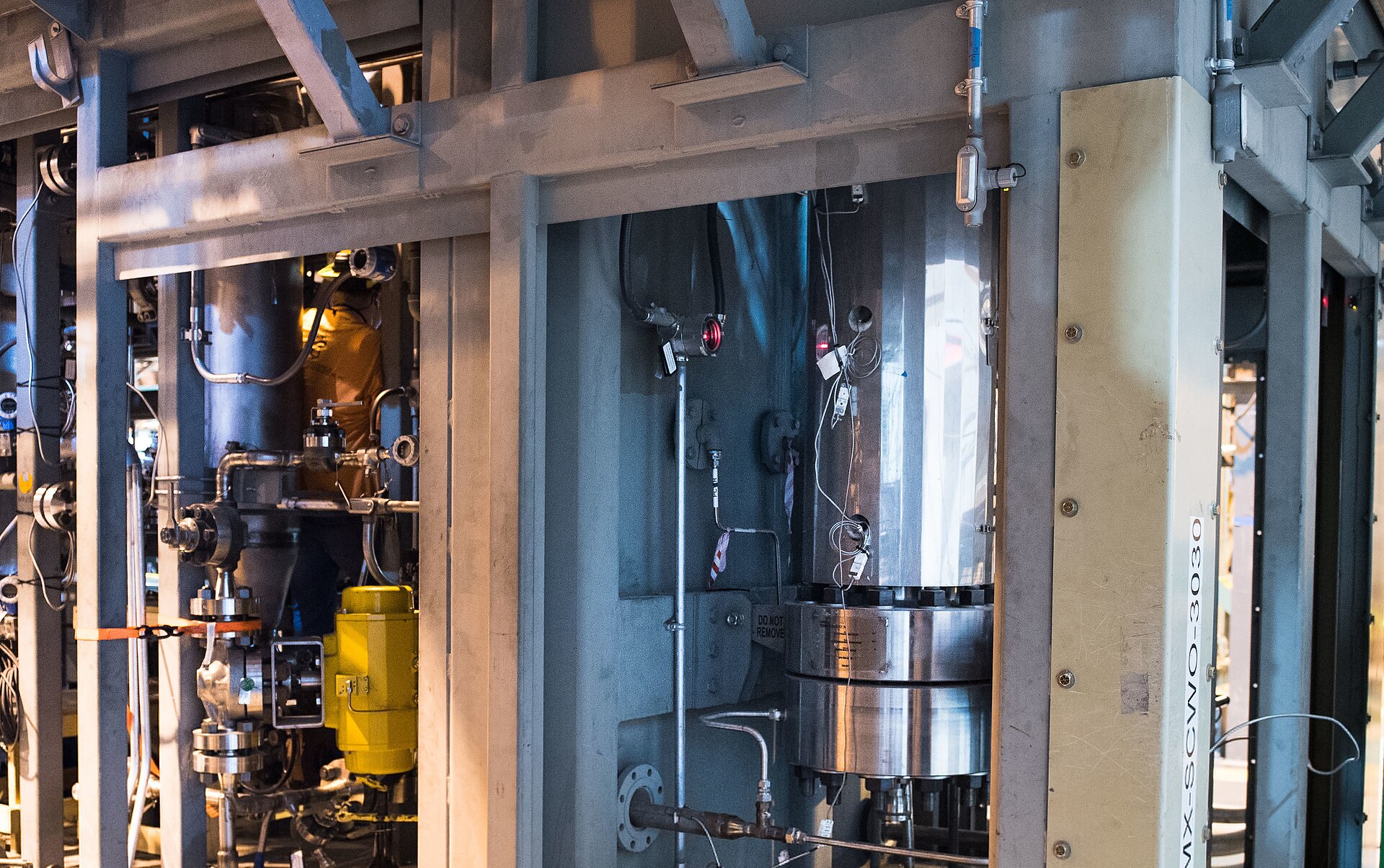
Supercritical water oxidation destroyed 42 PFAS compounds at 99.9993% in an independently reported Army Corps evaluation. Getting from that feedstock to raw municipal biosolids at 100 tonnes a day is a different engineering problem.

A startup claims up to 90% iron recovery from steel grinding sludge, a saleable coagulant, hydrogen as a by-product and a negative carbon figure. Almost none of the process detail behind those numbers has been published.