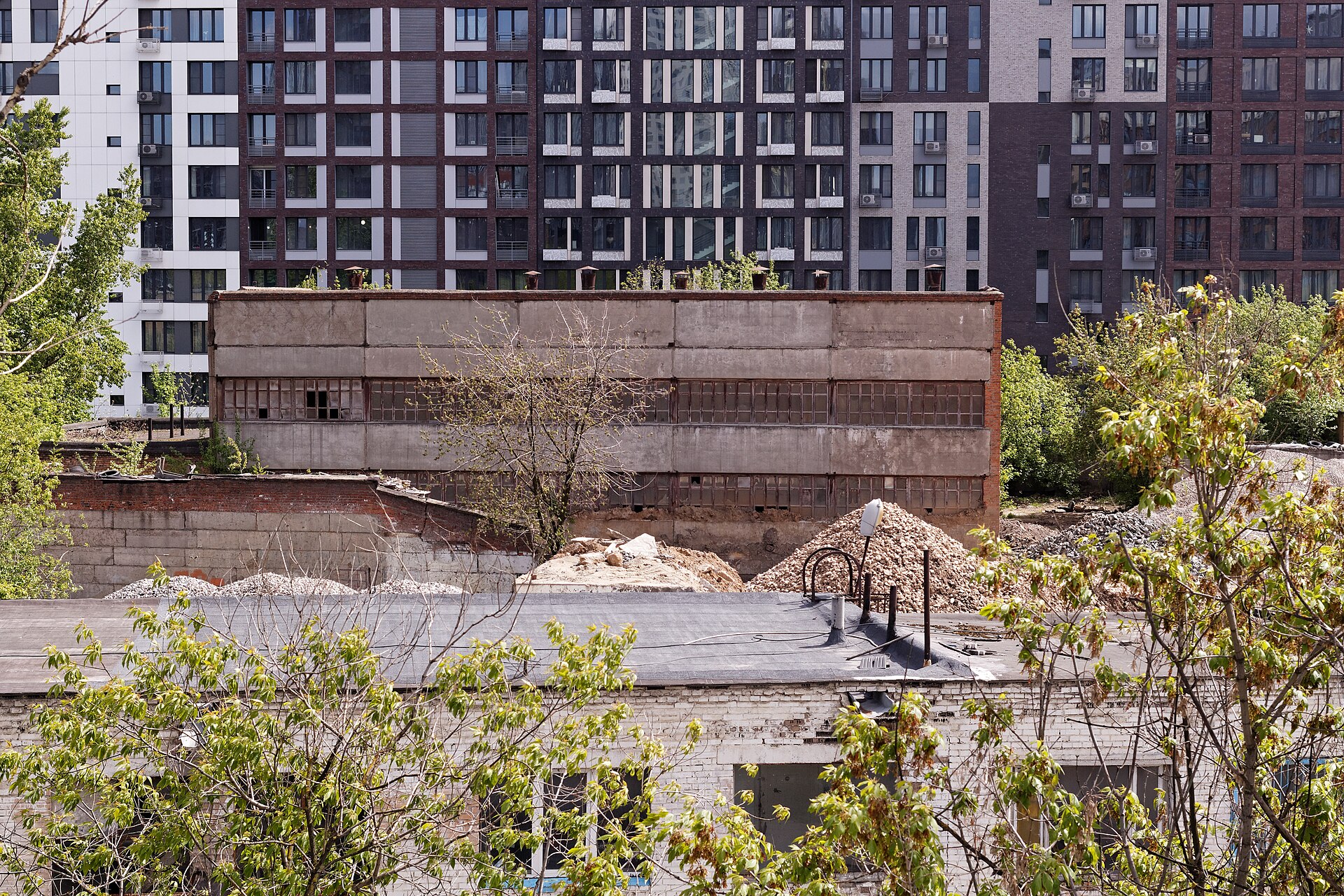
TeardownOctober 8, 2026
Reclinker makes a cement route inside steel recycling
Reactivating demolition cement in an electric arc furnace uses existing infrastructure, but feedstock, standards and carbon boundaries still matter.

Explainers, teardowns, and myth-busting on waste management systems and green engineering.
Reactivating demolition cement in an electric arc furnace uses existing infrastructure, but feedstock, standards and carbon boundaries still matter.
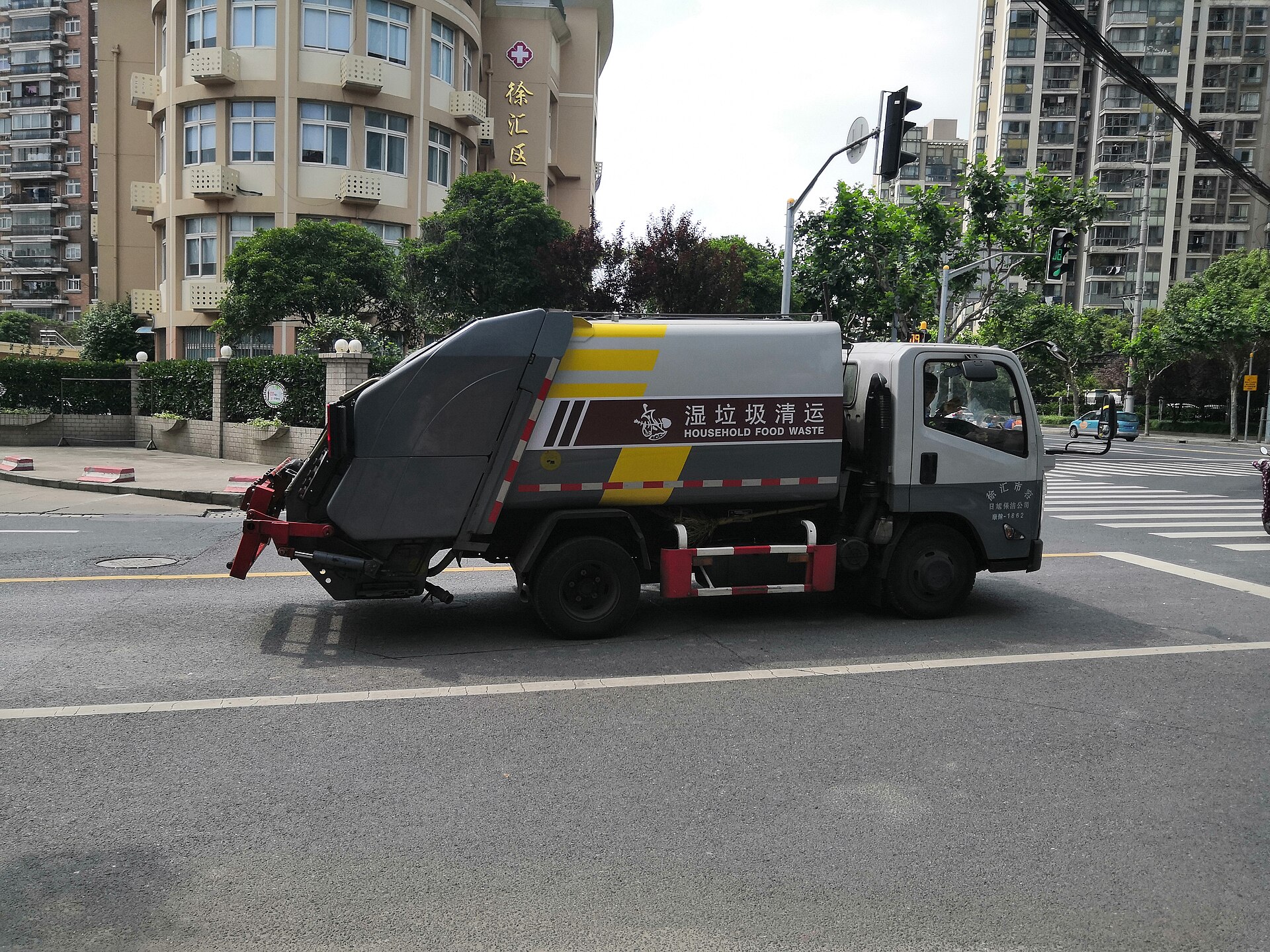
Electric collection trucks work, and Republic has proved it at city scale. But they are about 1.5% of its fleet — and its landfills' methane dwarfs anything coming out of a tailpipe.
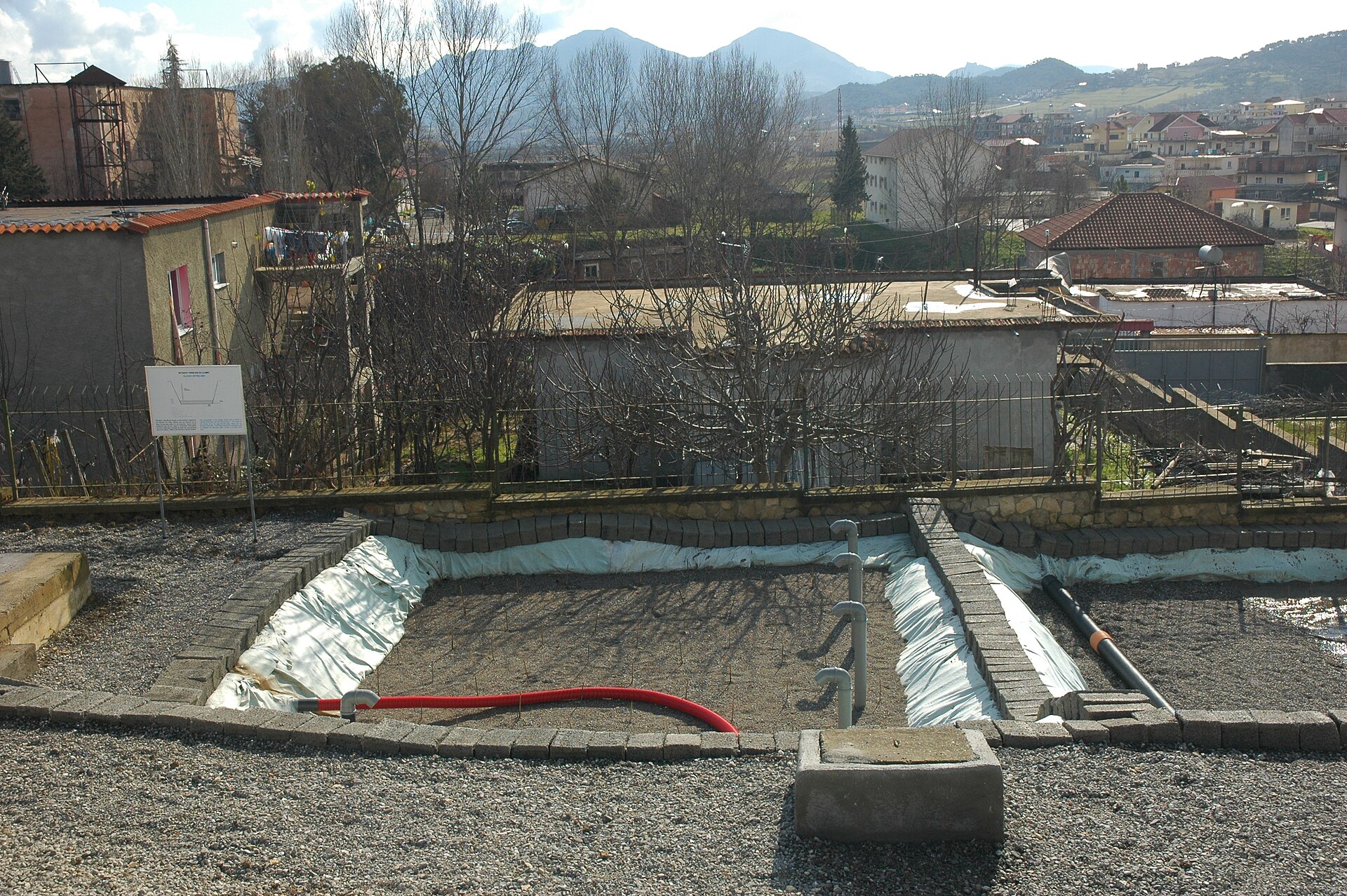
Hydrothermal carbonisation, gasification, energy recovery and phosphorus capture in a single automated plant near Treviso. The integration is the novelty — and the performance data is absent.
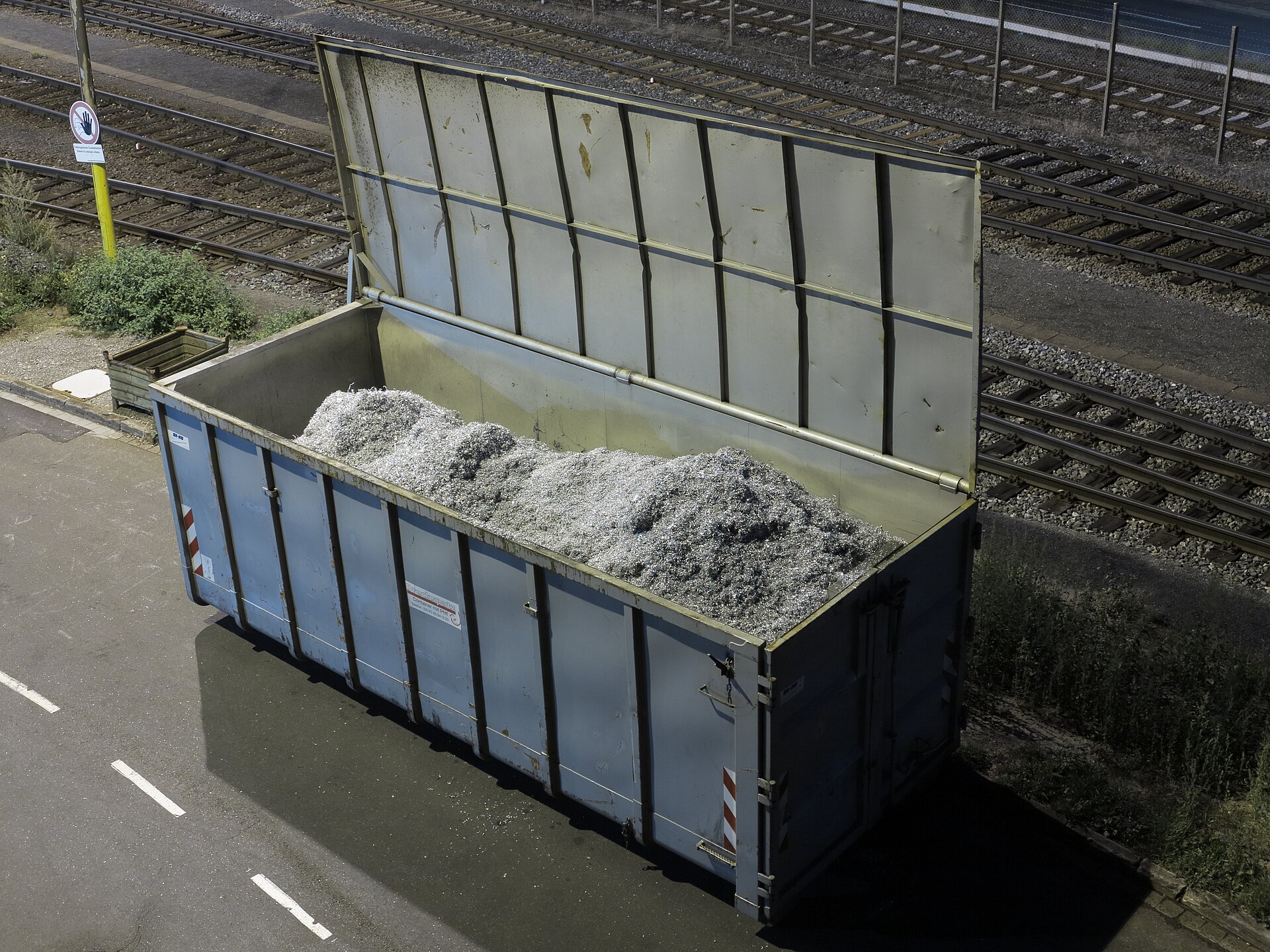
A startup claims up to 90% iron recovery from steel grinding sludge, a saleable coagulant, hydrogen as a by-product and a negative carbon figure. Almost none of the process detail behind those numbers has been published.
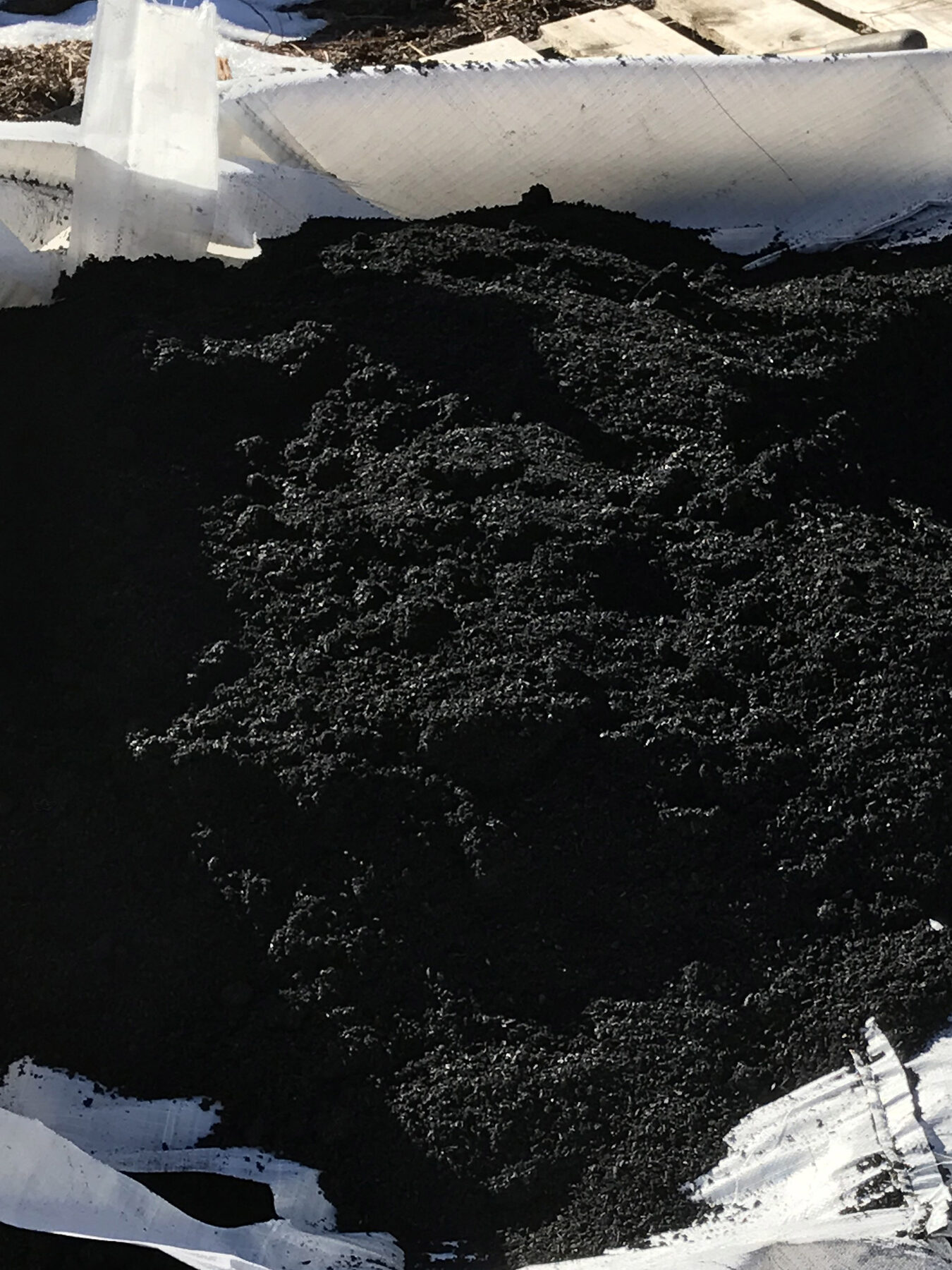
Biochar delivers the overwhelming majority of the world's issued carbon-removal credits because it is cheap and available now. The hundred-to-thousand-year permanence claim rests on inference, not observation.
The injection technology is real, permitted, and has been running since 2008. The gap between what has been delivered and what has been contracted is roughly seventy-fold — and the credits rest on a counterfactual.
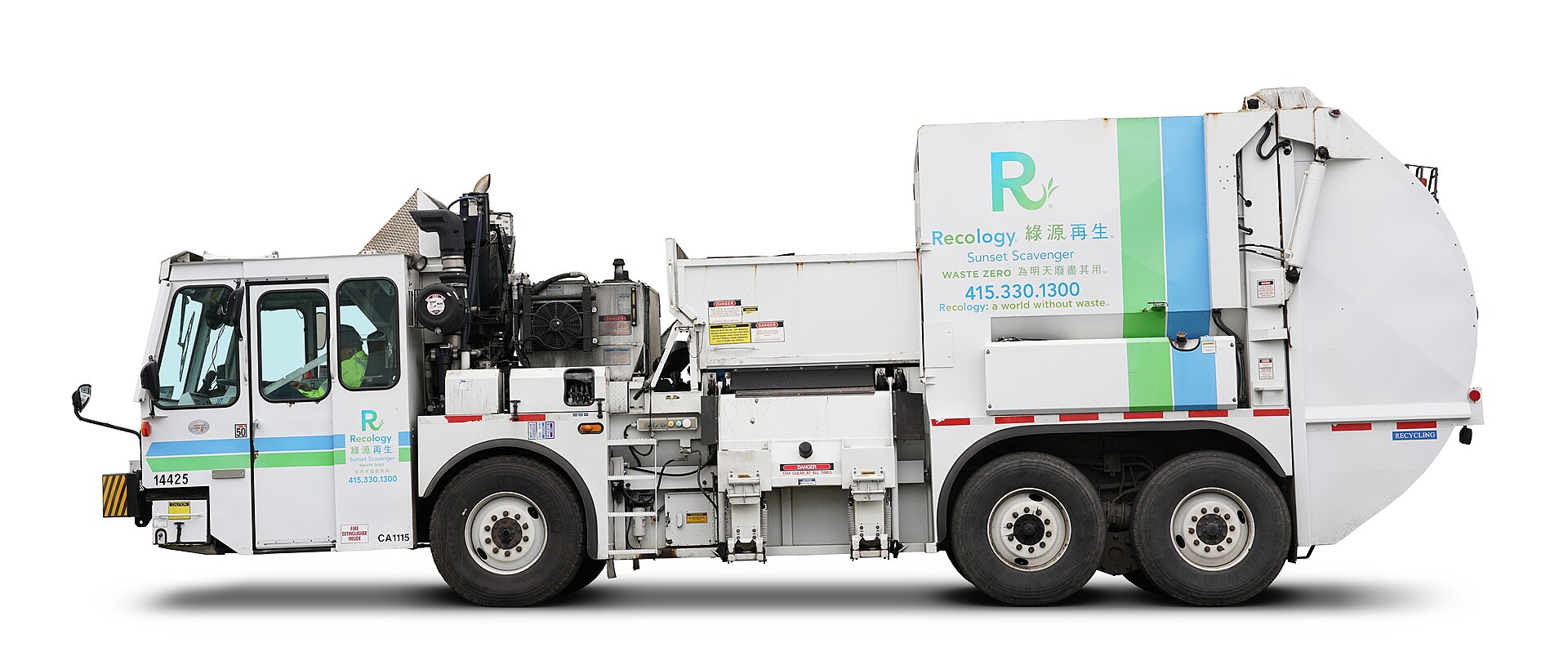
Six electric collection vehicles, billed as Florida's first fully electric residential fleet. The tailpipe number is real. It is also the only number the announcement gives you.
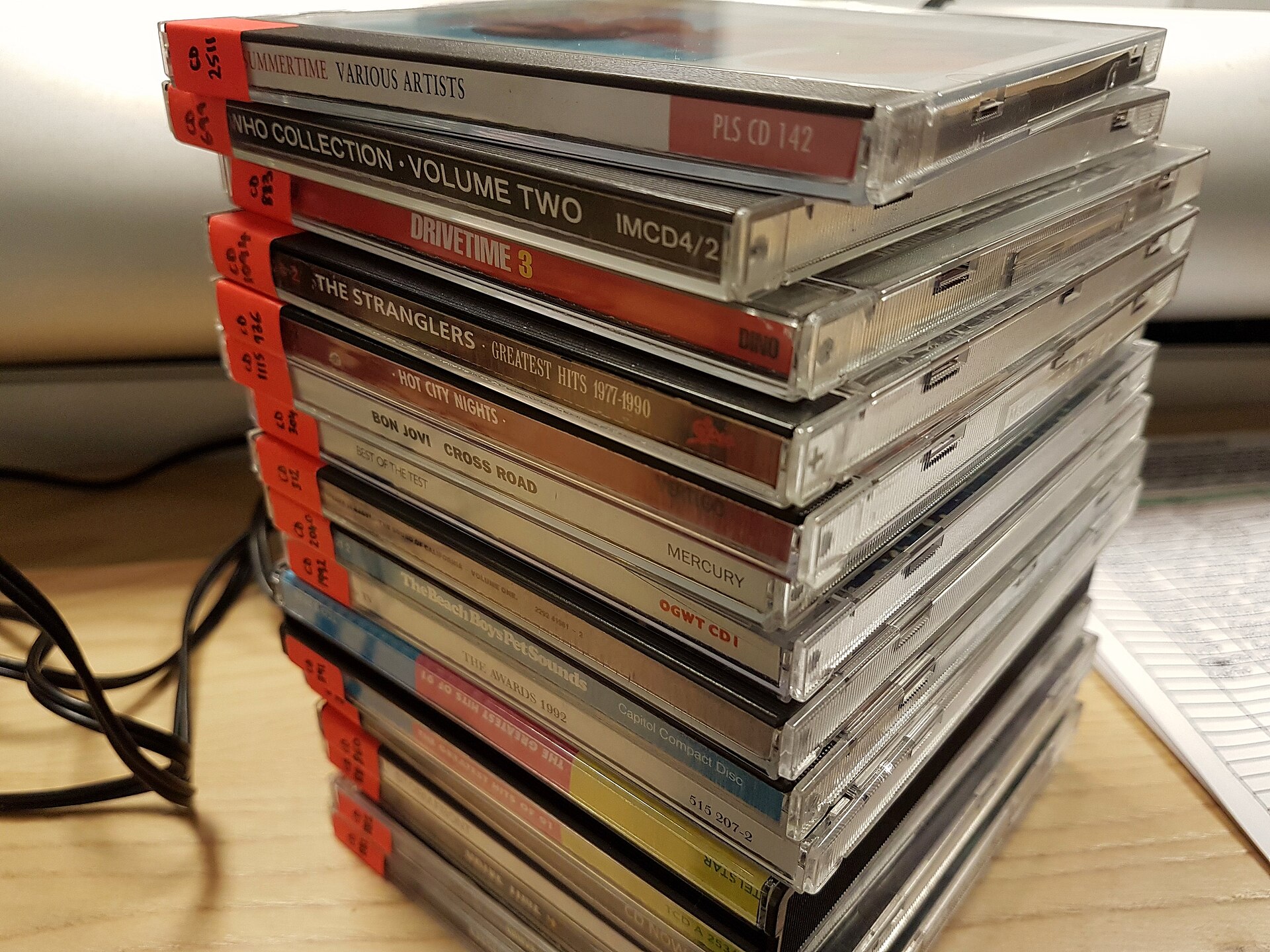
SABIC has launched a carbon-fibre-reinforced polycarbonate with more than 75% post-consumer recycled content, made from water bottles, CDs, golf shafts and turbine blades. The materials engineering is real. The circularity claim is doing more work than the data supports.
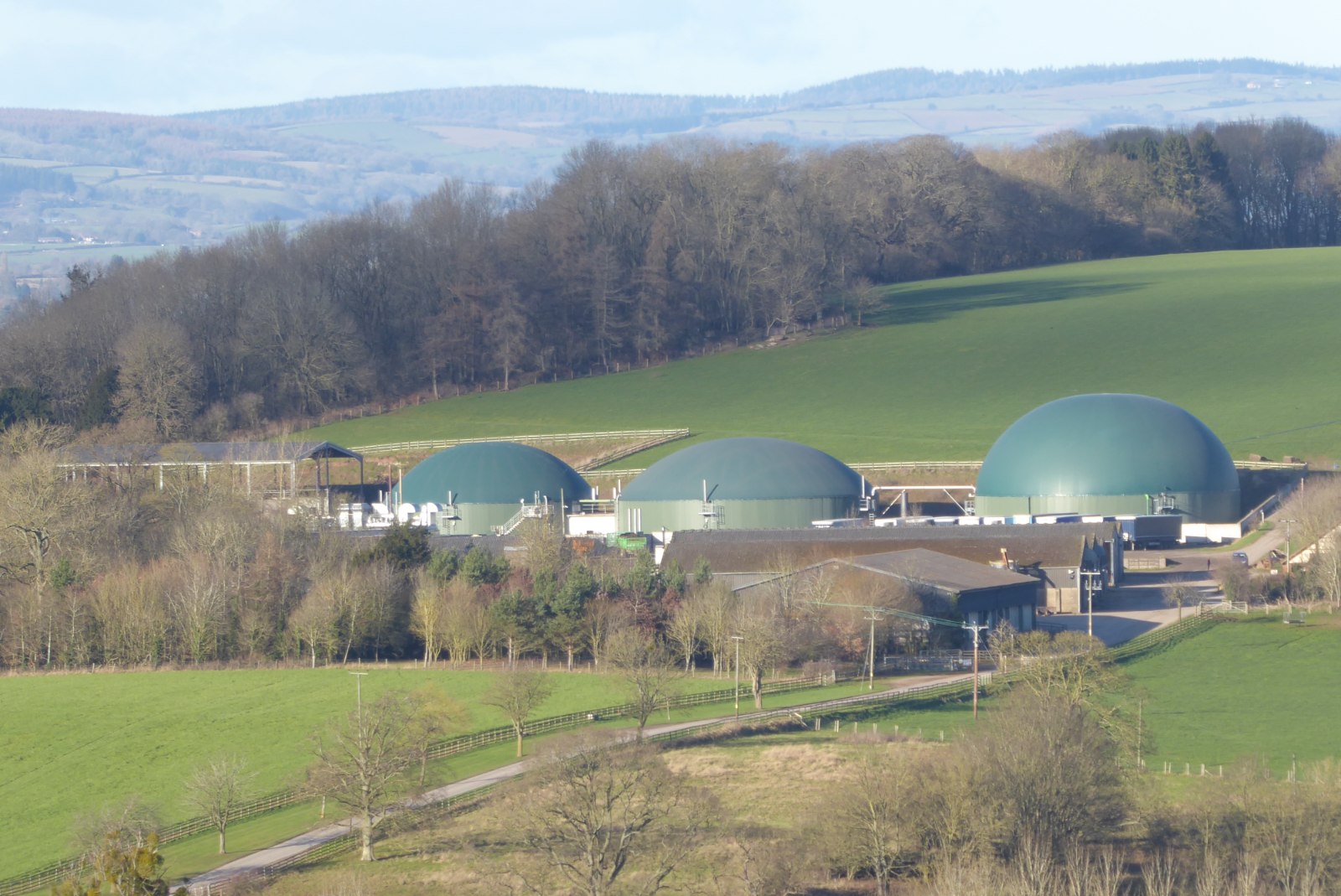
Divert and US Cold Storage say 2.5 million pounds of unsold food became renewable natural gas and fertiliser in 15 months. The operating facts are solid. The carbon accounting behind them is not published.
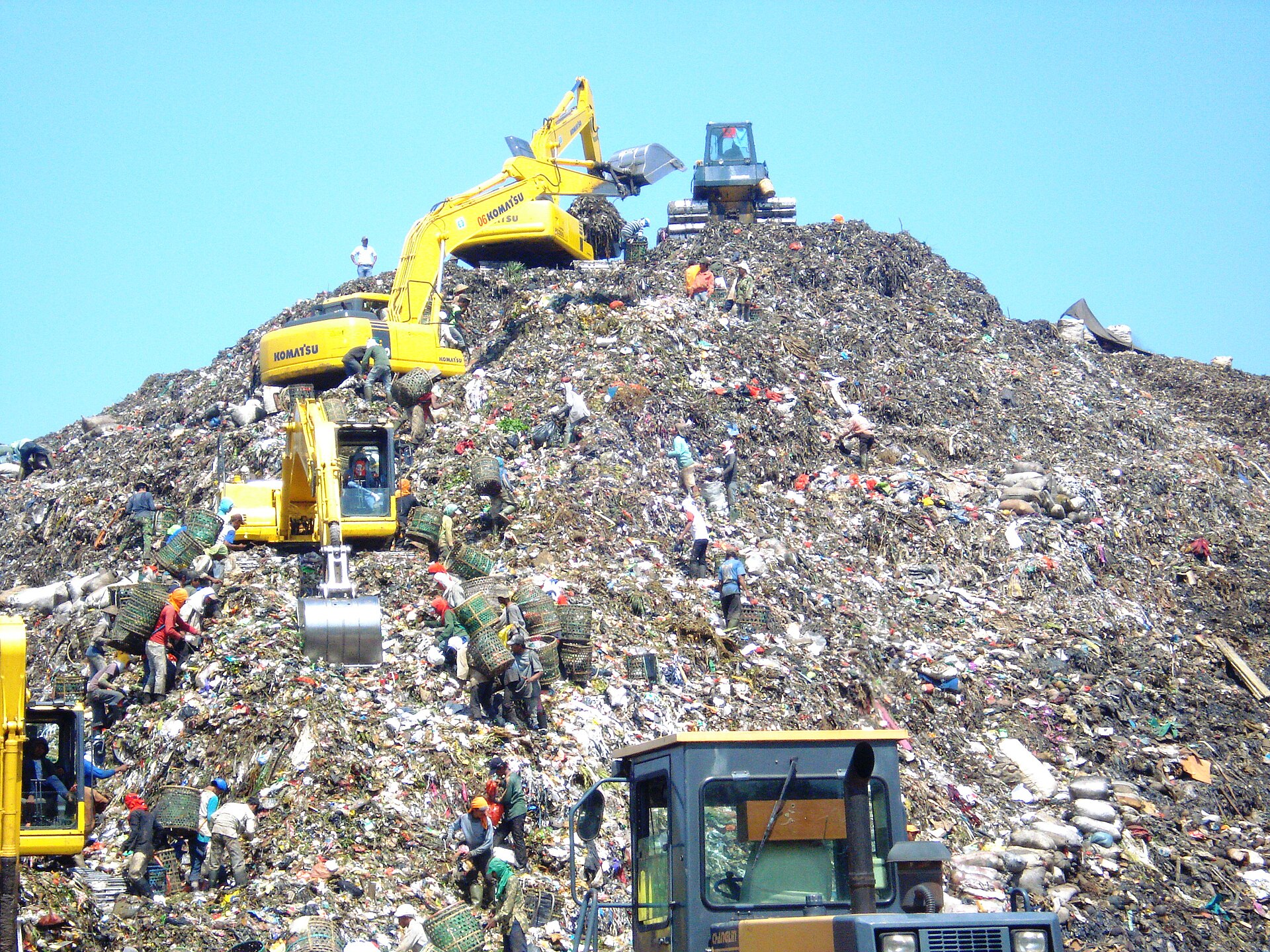
SUS ENVIRONMENT says it was selected as preferred partner for two Indonesian WtE projects. The announcement contains no capacity, financing, schedule or emissions data - and a Conditional LOA is not a project.
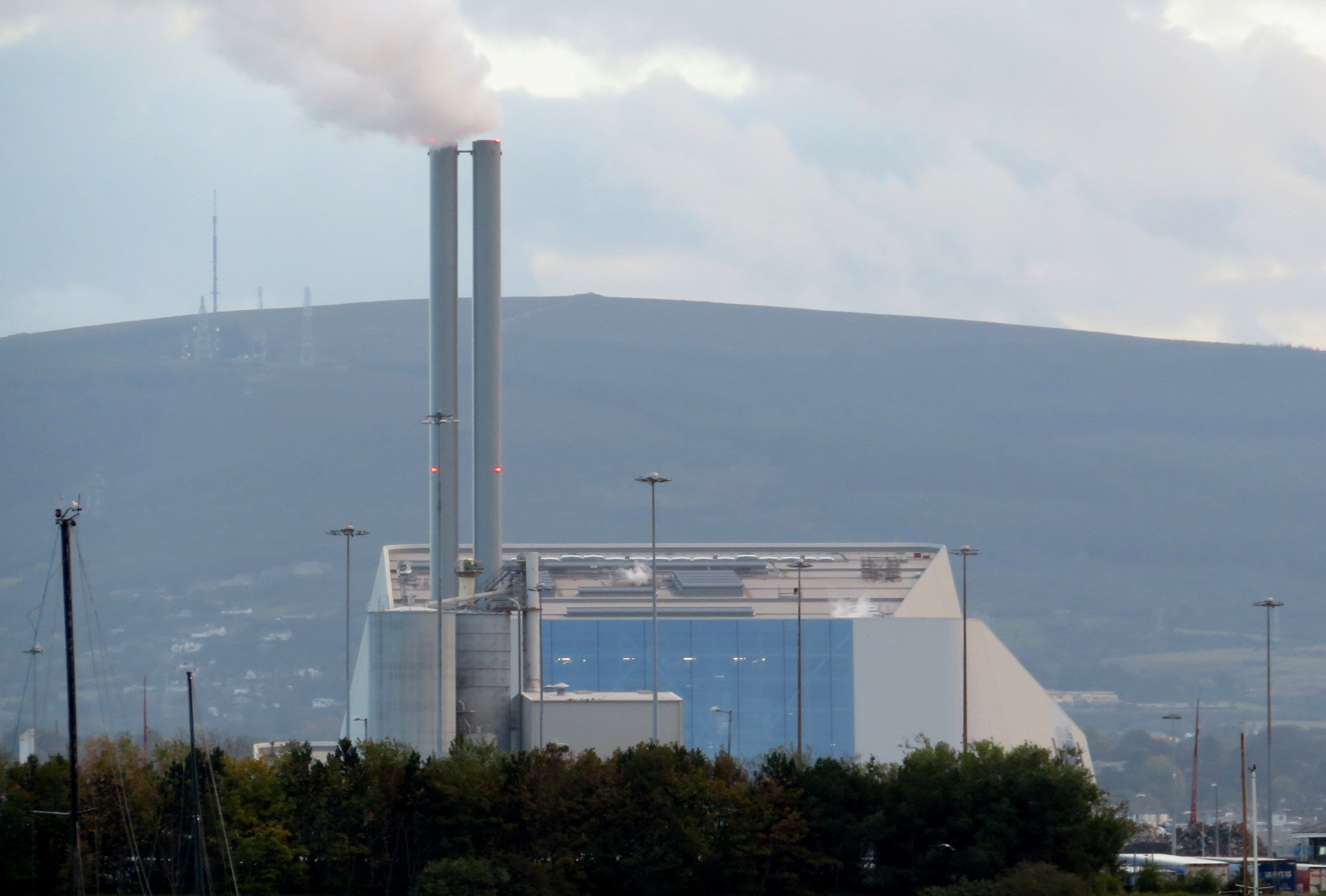
A 33.5-year exclusive treatment concession, three combustion lines and roughly 1 TWh a year. The contracts are signed. The financing, the emissions baseline and the recycling question are not.