ExplainerSeptember 20, 2026
Amino Acid Salts Can Scrub CO2 Out of Biogas. Just Not Quite Enough
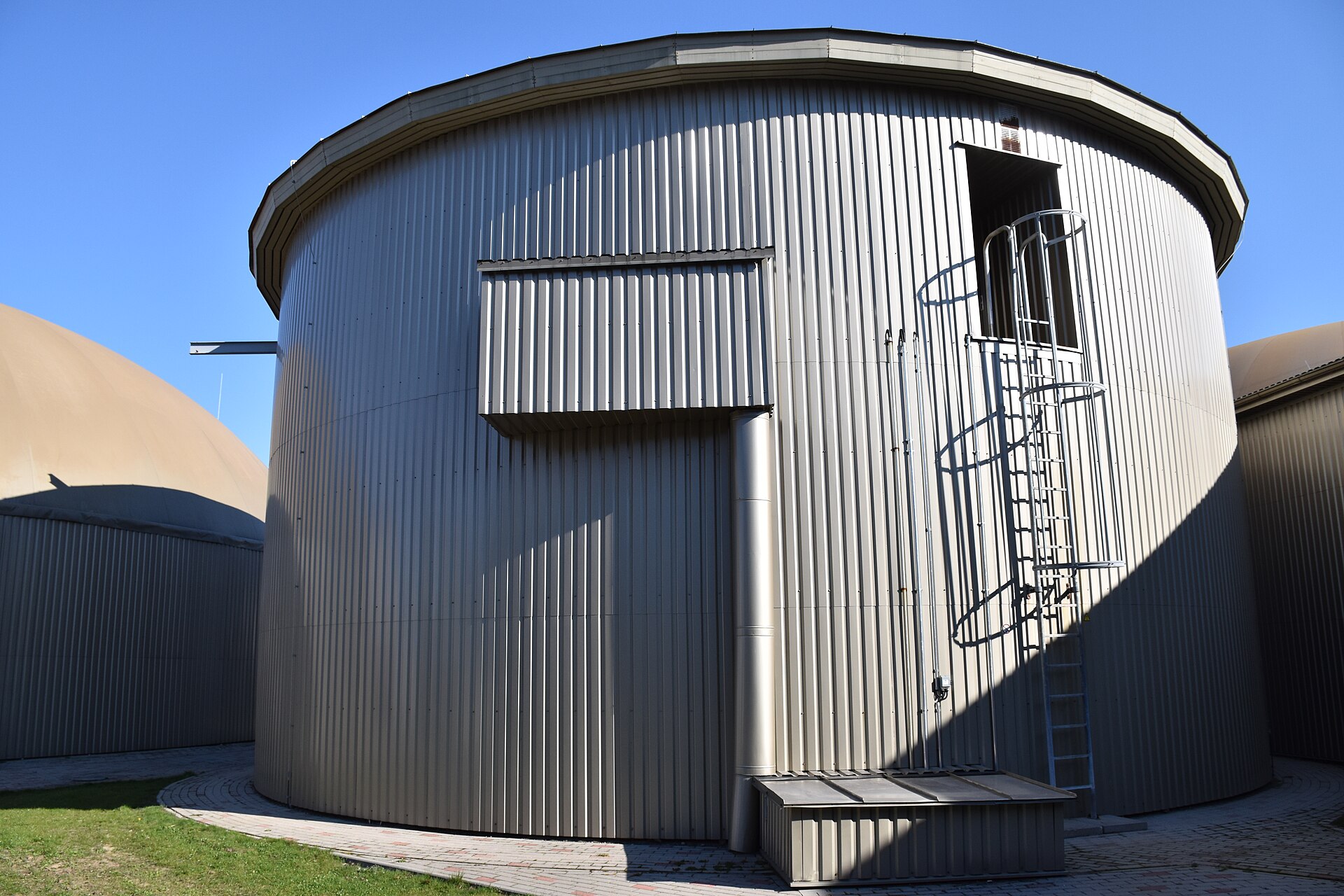
A Stuttgart process separates 92.3% of the CO2 from raw biogas using a benign solvent. Gas grids want methane above 96%.

Explainers, teardowns, and myth-busting on waste management systems and green engineering.
A Stuttgart process separates 92.3% of the CO2 from raw biogas using a benign solvent. Gas grids want methane above 96%.
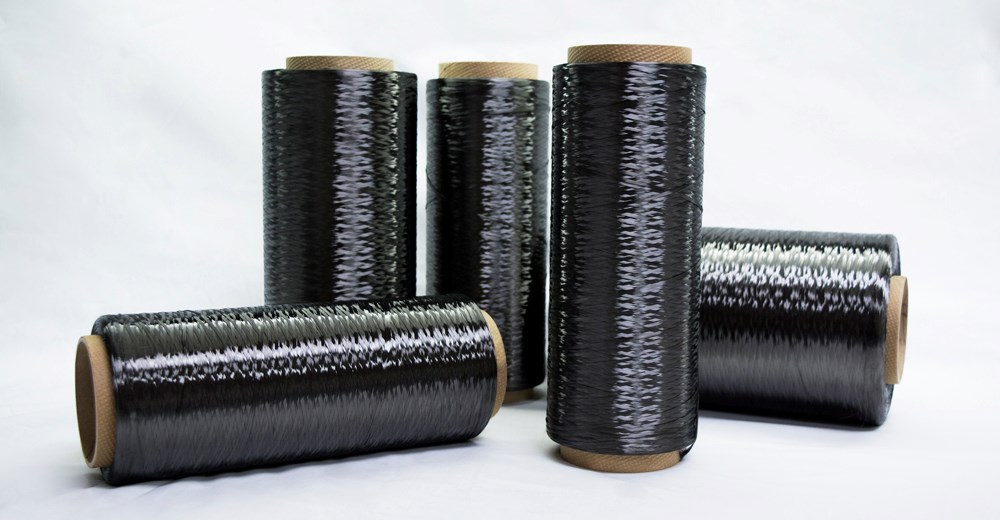
pDCPD is a cross-linked thermoset with no recycling route. A ruthenium catalyst and a stirred solvent take it apart - and leave the carbon fibre intact.
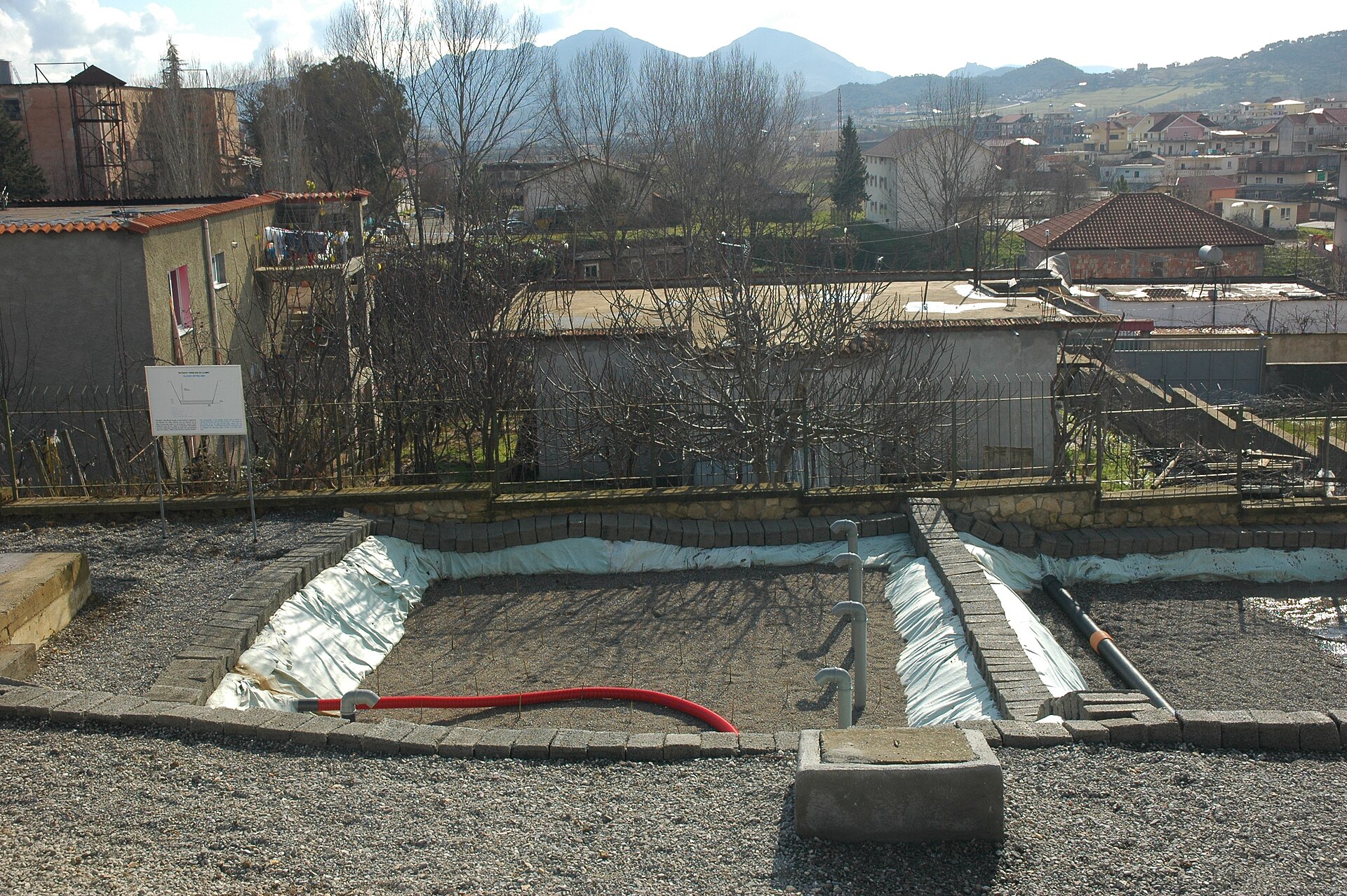
Hydrothermal carbonisation, gasification, energy recovery and phosphorus capture in a single automated plant near Treviso. The integration is the novelty — and the performance data is absent.
Japan's AIST reports a two-stage anaerobic digestion design that keeps acid production and methane production in separate vessels. The concept is decades old; the claim is that this configuration holds up at high loading.
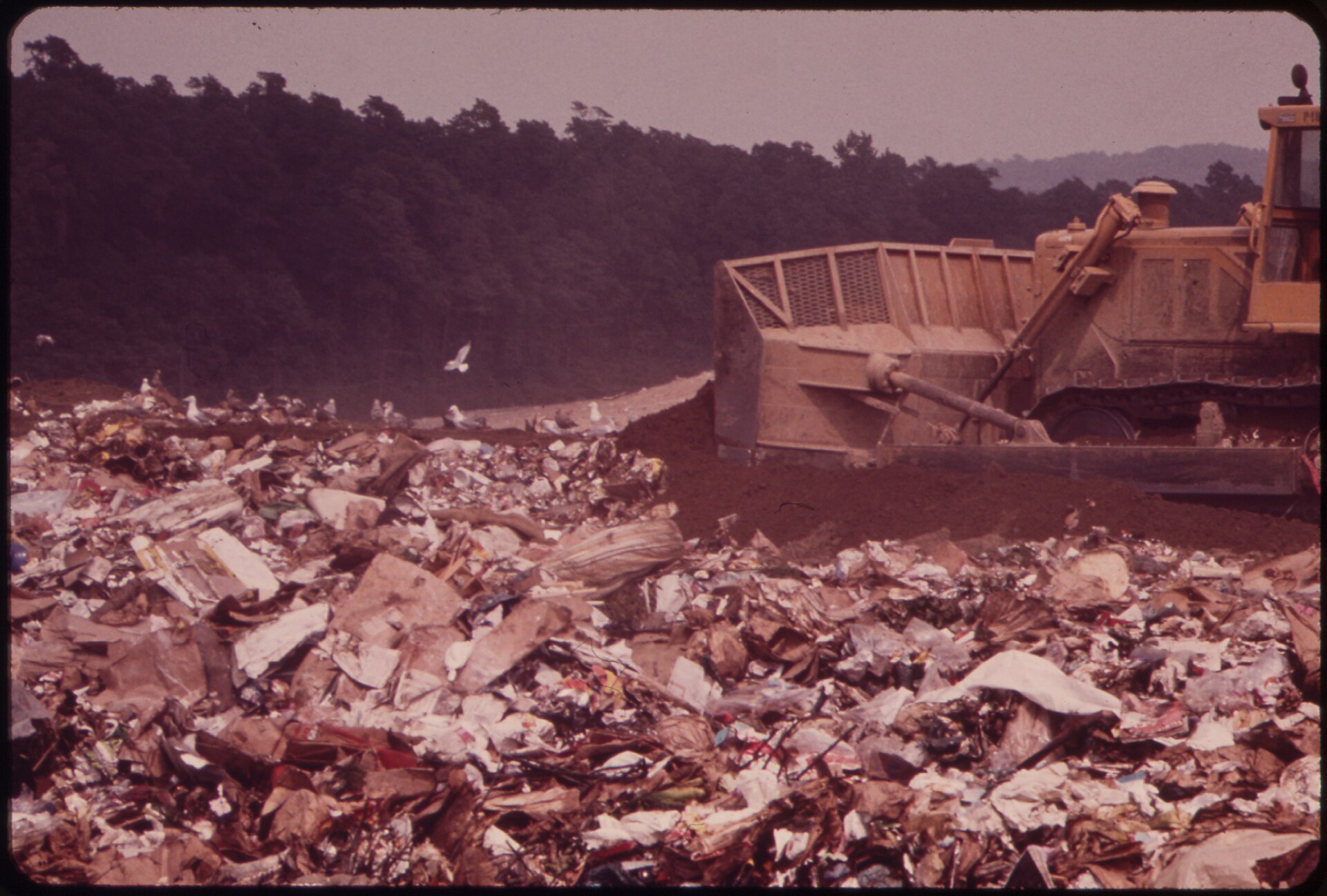
Orbital spectrometers have found large landfill methane plumes that operators reported as far smaller. The measurement gap is now well documented; the enforcement and engineering response is not.
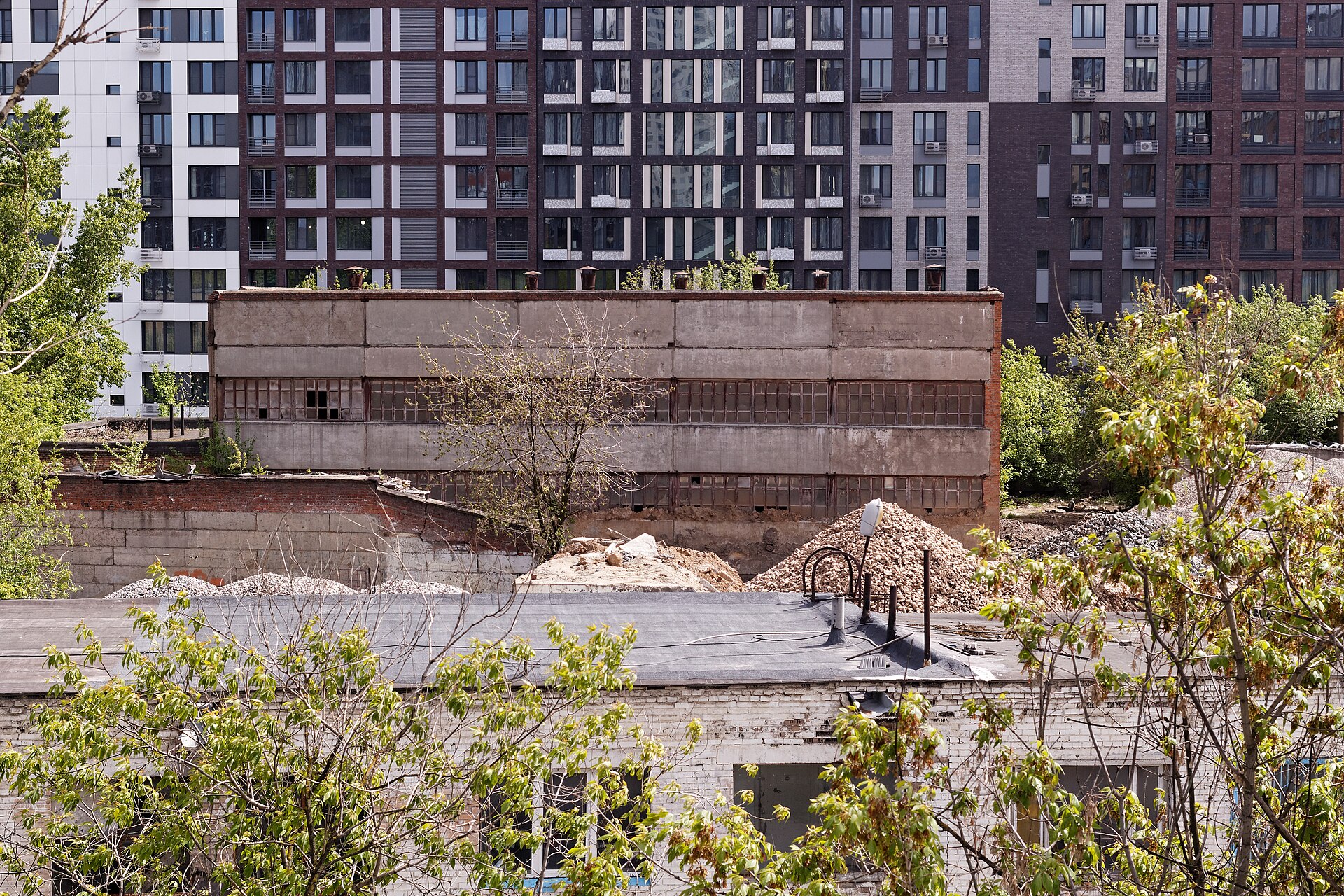
Crushed concrete reacts with CO2 to form calcium carbonate. Done deliberately, that upgrades recycled aggregate and stores a modest amount of carbon — and the modest part is where most reporting goes wrong.
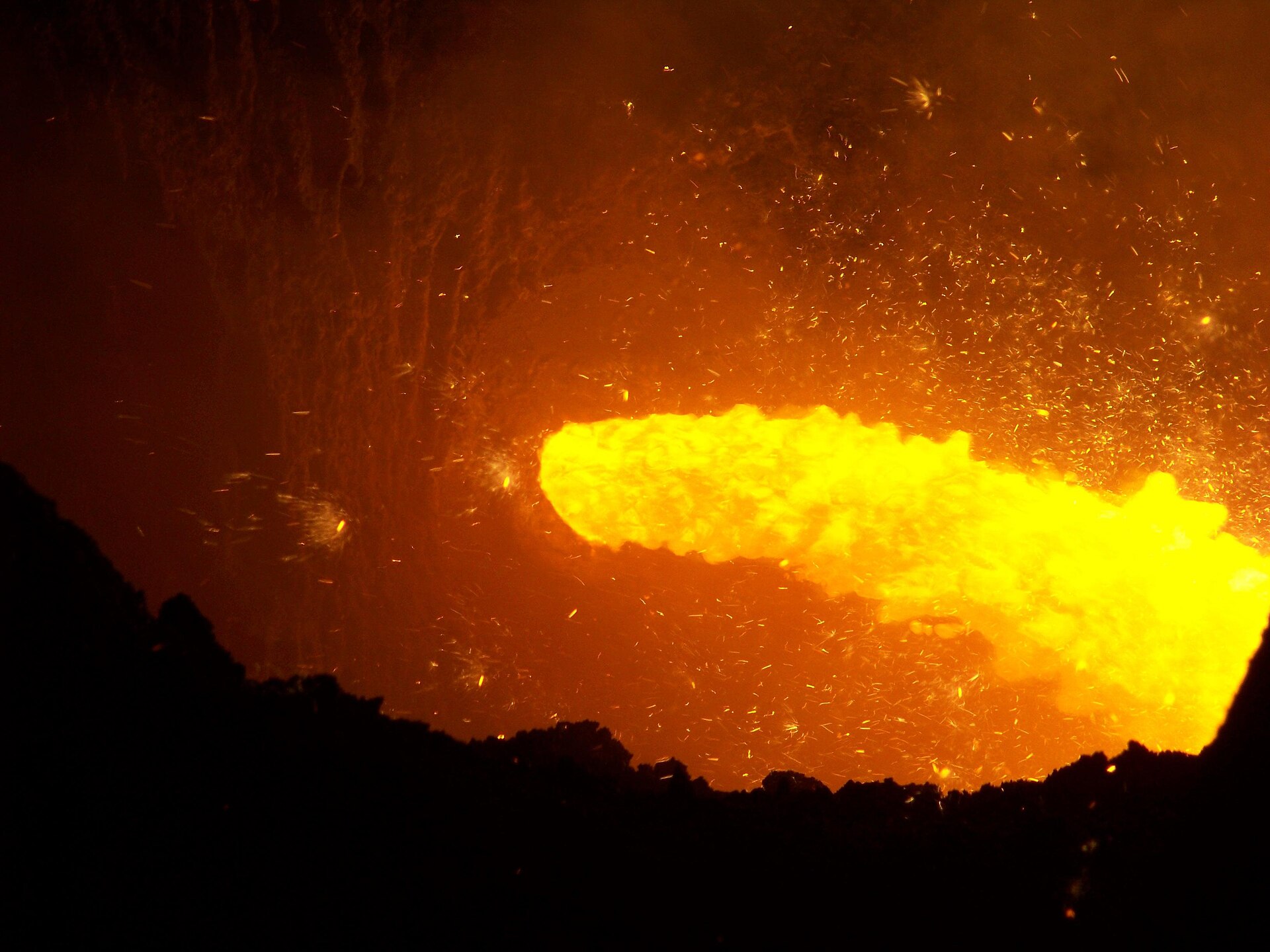
Replacing metallurgical coal with pyrolysed biomass is chemically straightforward and physically constrained. The binding limits are biomass supply and the crush strength of the char, not the reduction reaction.
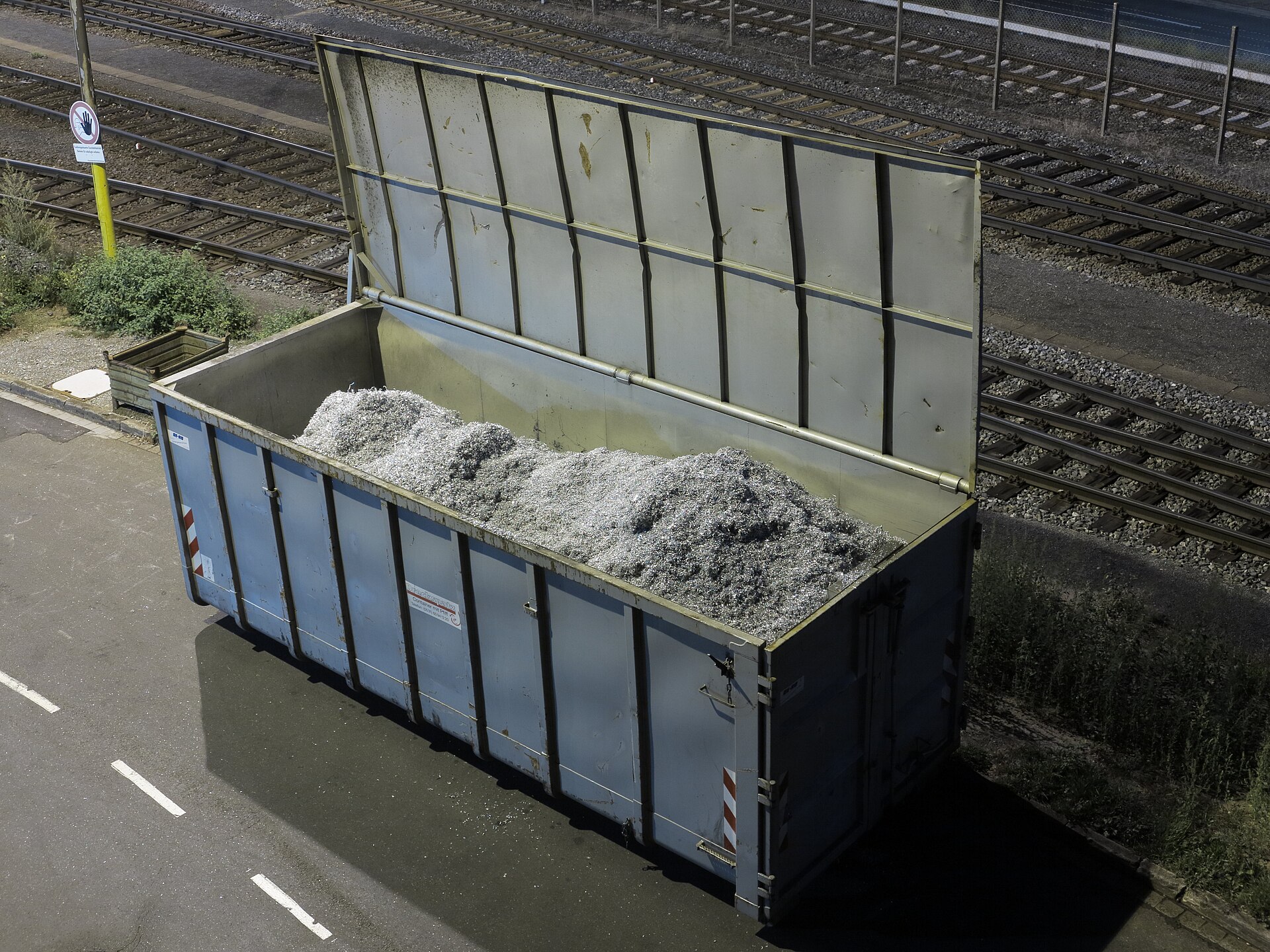
A startup claims up to 90% iron recovery from steel grinding sludge, a saleable coagulant, hydrogen as a by-product and a negative carbon figure. Almost none of the process detail behind those numbers has been published.