ExplainerOctober 7, 2026
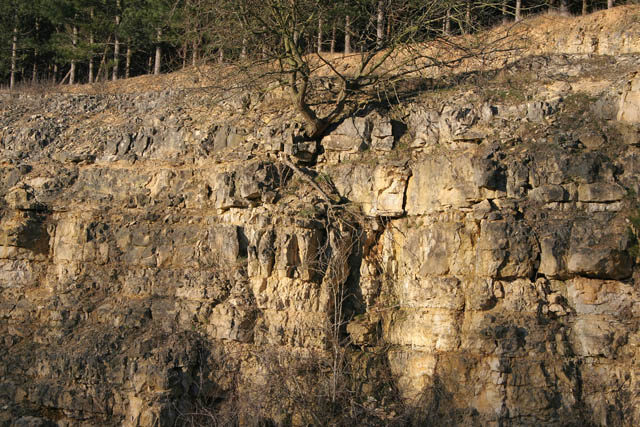
Fewer landfills can still receive more waste
EREF’s reported trends point to consolidation, but counts, tonnage, time periods and diversion rates must not be mixed.

Explainers, teardowns, and myth-busting on waste management systems and green engineering.
EREF’s reported trends point to consolidation, but counts, tonnage, time periods and diversion rates must not be mixed.
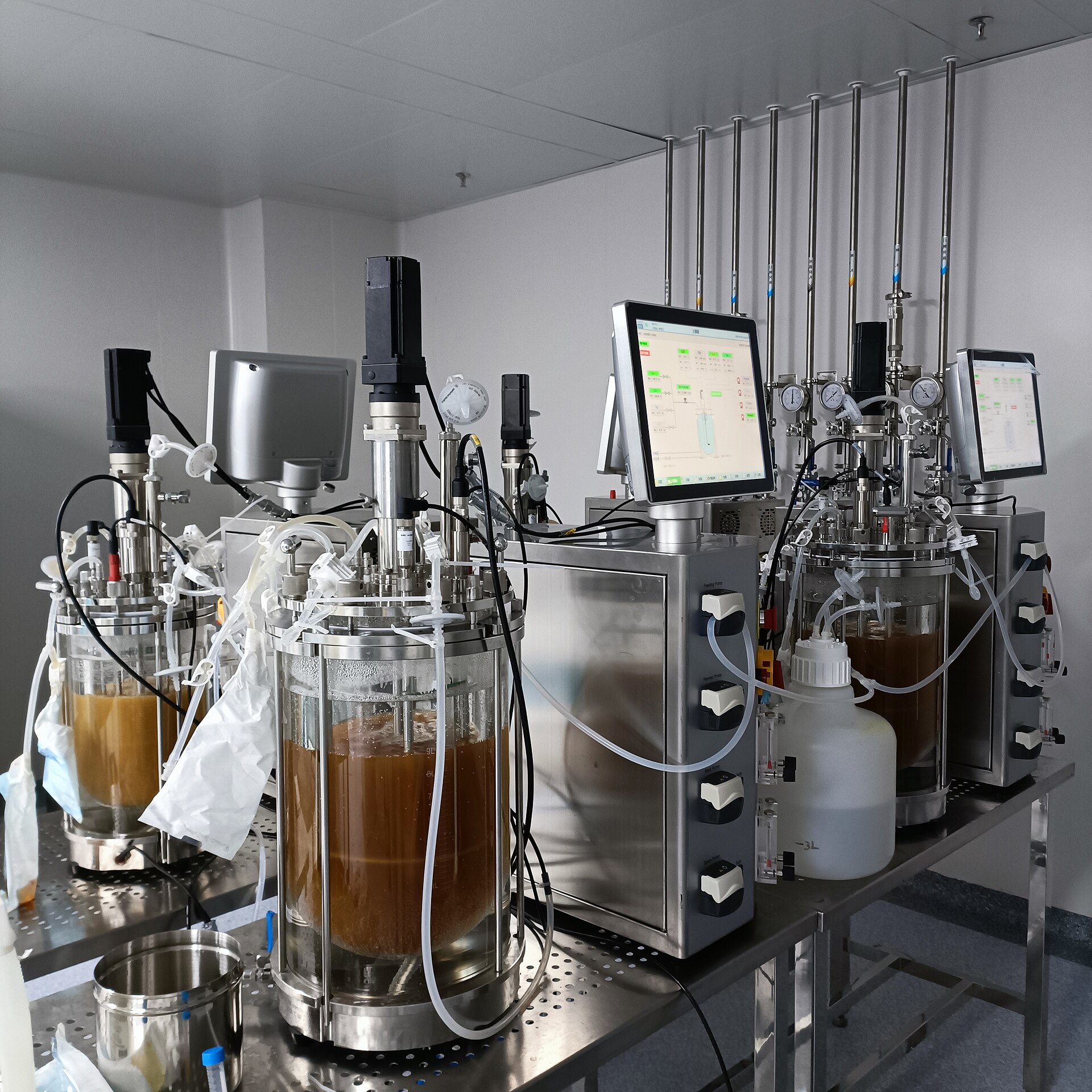
A porous support tackles gas transfer, but a one-litre demonstration is not a landfill-ready chemical plant.
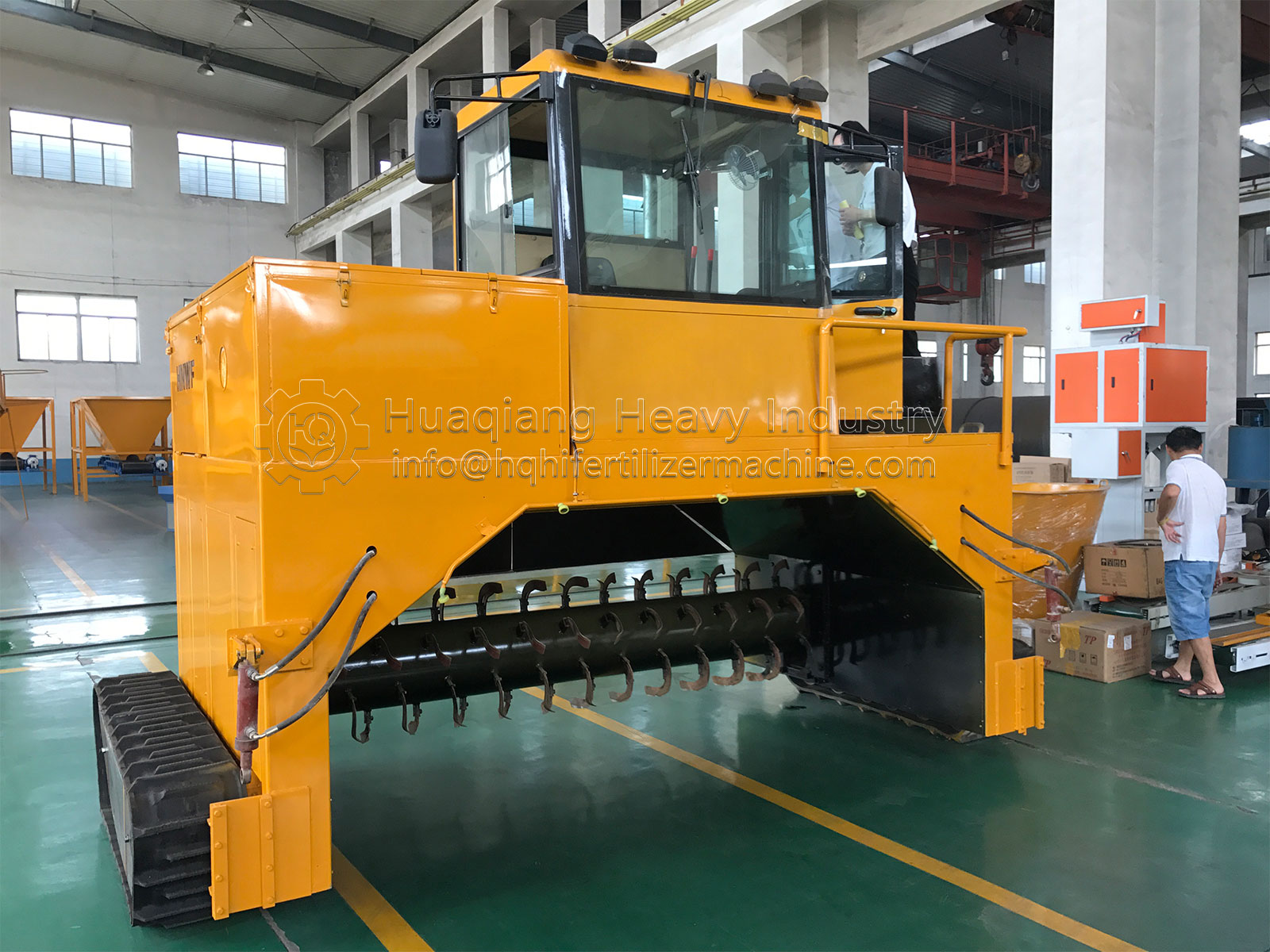
Where a landfill is too small or old for gas collection, a layer of mature compost can host methane-eating bacteria that oxidise up to 35–40% of escaping methane — for around $48,000 an acre.
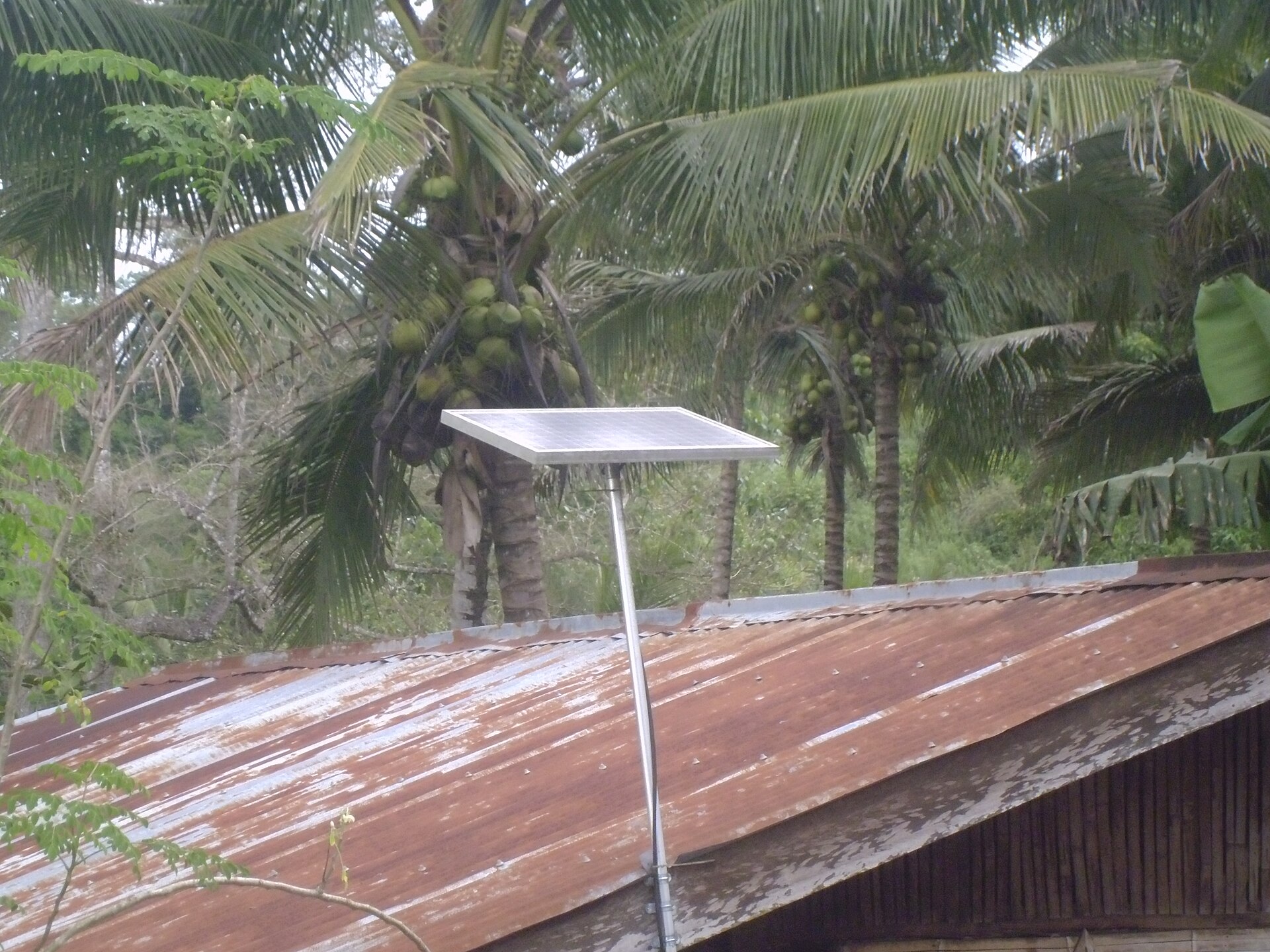
From October 1, Alberta charges $14 on every new panel and bans end-of-life panels from landfill. Here is how a panel is taken apart, and why the fee is already contested.
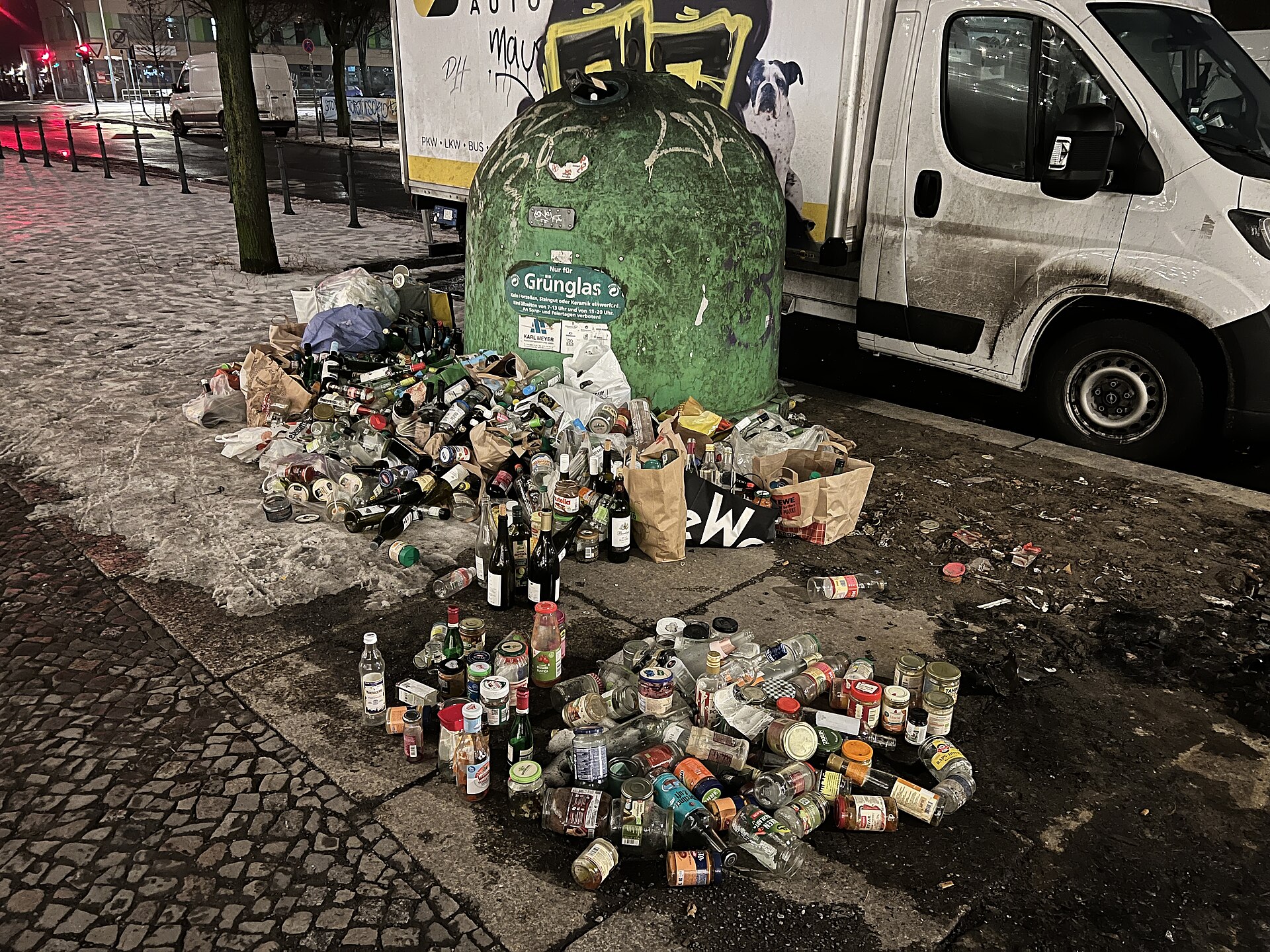
For decades half of Quebec's curbside glass was buried as landfill cover. A $20M optical-sorting upgrade finally gets it clean enough for the furnace.
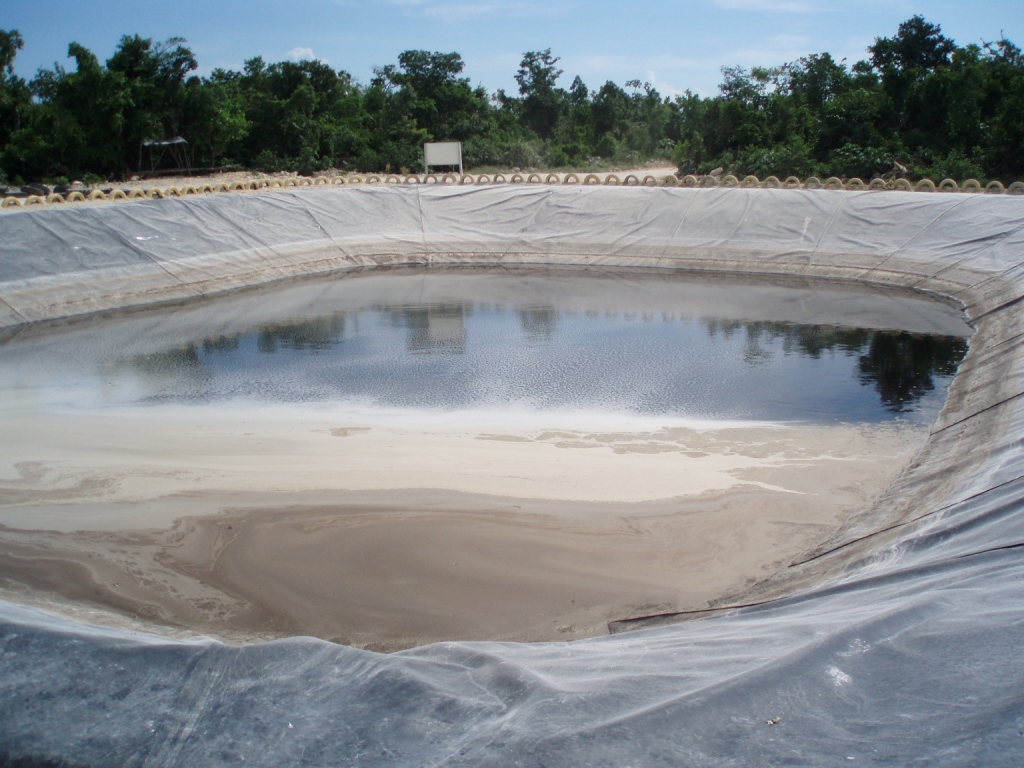
Rain moves through buried waste and comes out carrying PFAS. Municipal wastewater plants were never designed to remove it. New York proposes making landfills do it on site.
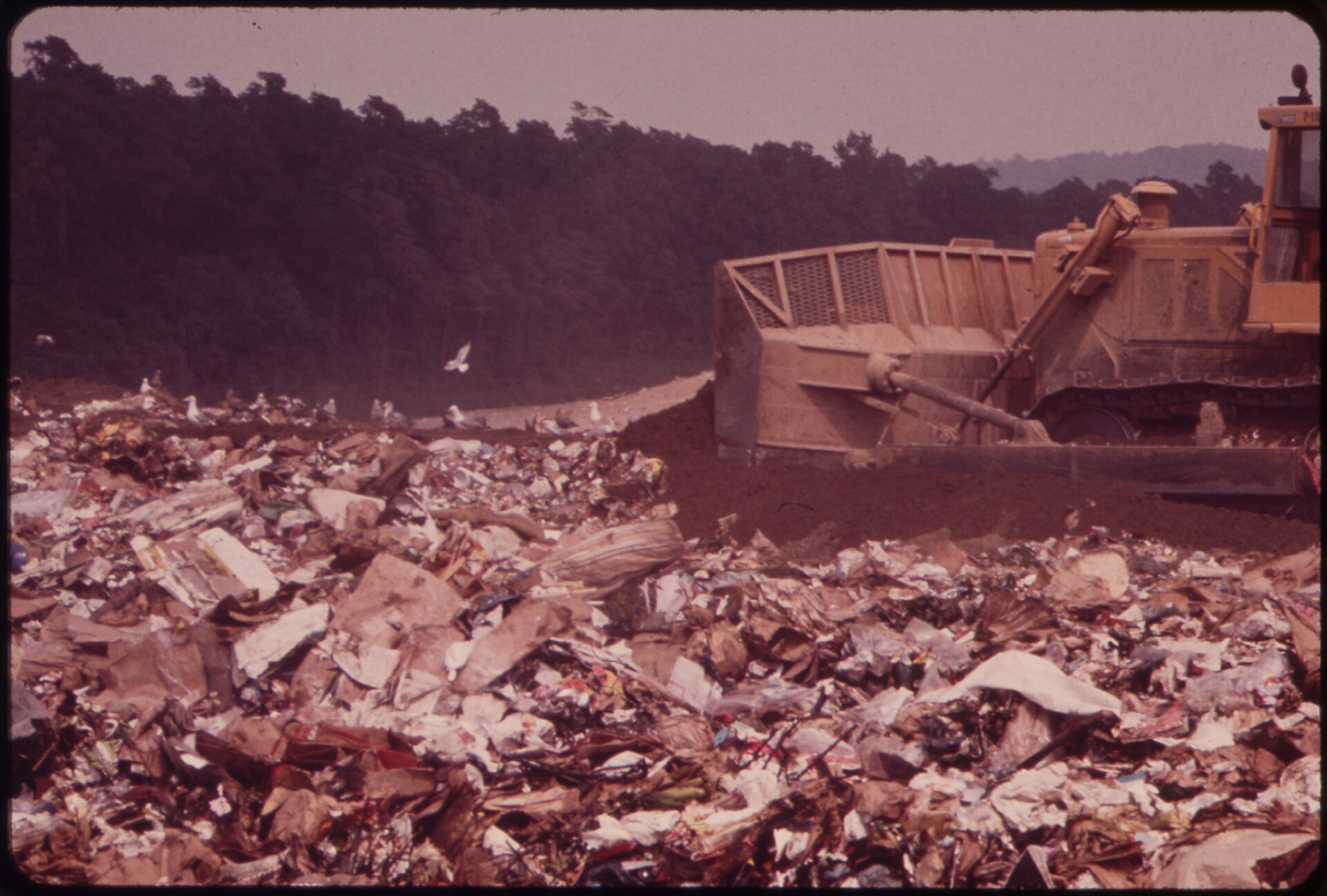
Orbital spectrometers have found large landfill methane plumes that operators reported as far smaller. The measurement gap is now well documented; the enforcement and engineering response is not.
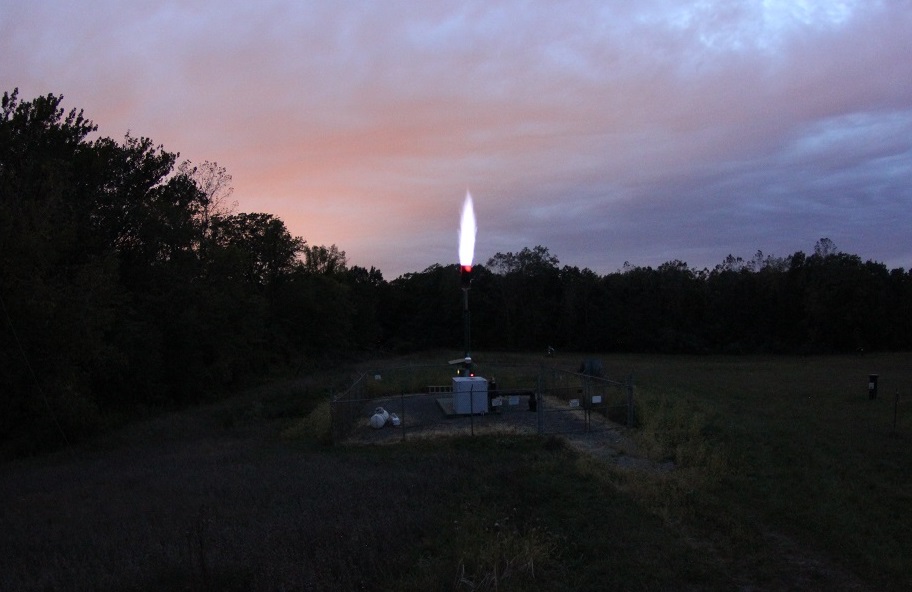
Emvolon just signed a $450M offtake deal with Freepoint. The mechanism underneath it is unexpectedly simple: run a mass-produced automotive engine deliberately fuel-rich and it stops being a combustor and starts being a reformer.
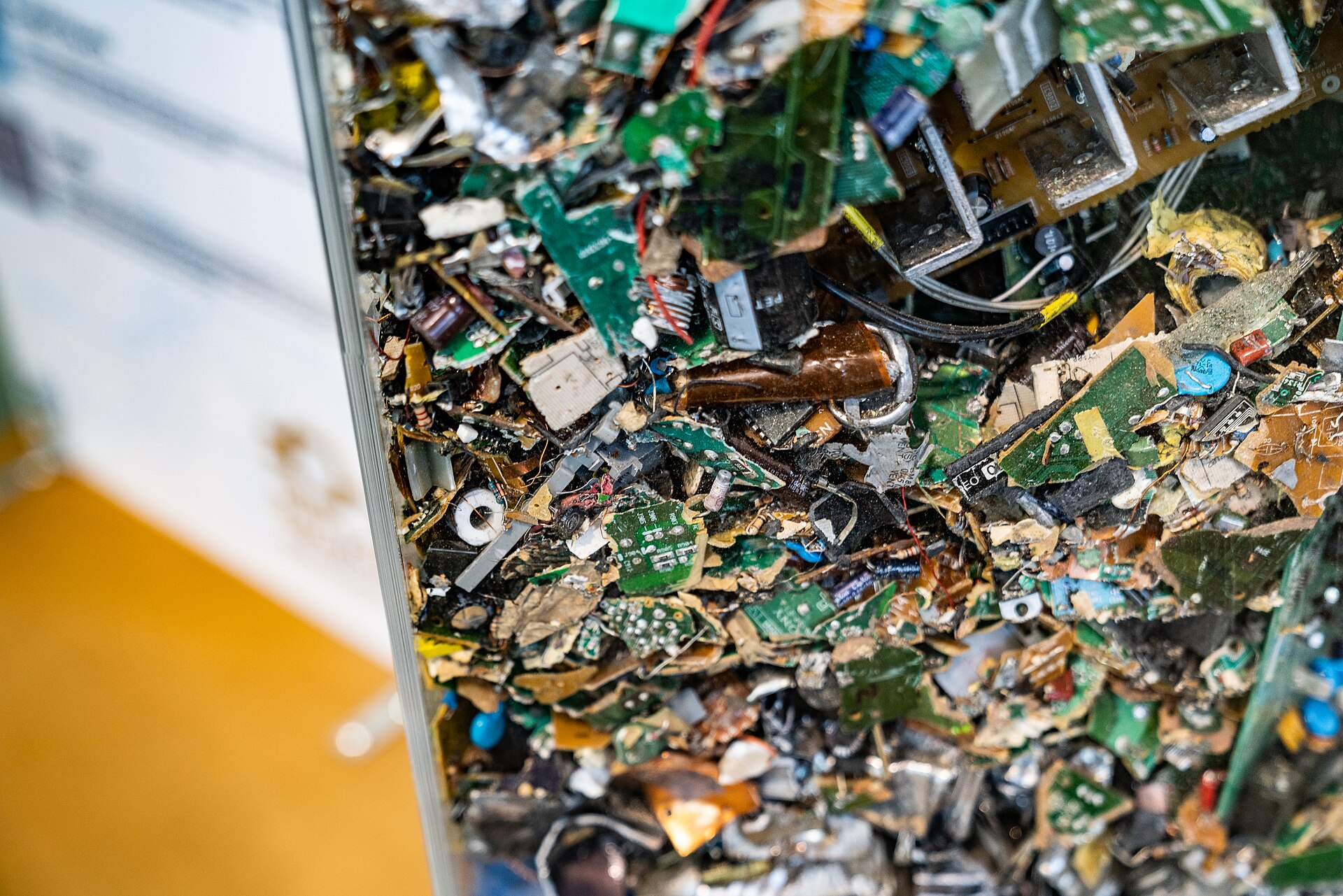
A University of Illinois team redesigned the extraction molecule itself so the organic liquid conducts its own current. It pulled 89% of the gold out of real e-waste leachate — with one to two orders of magnitude fewer reagents.
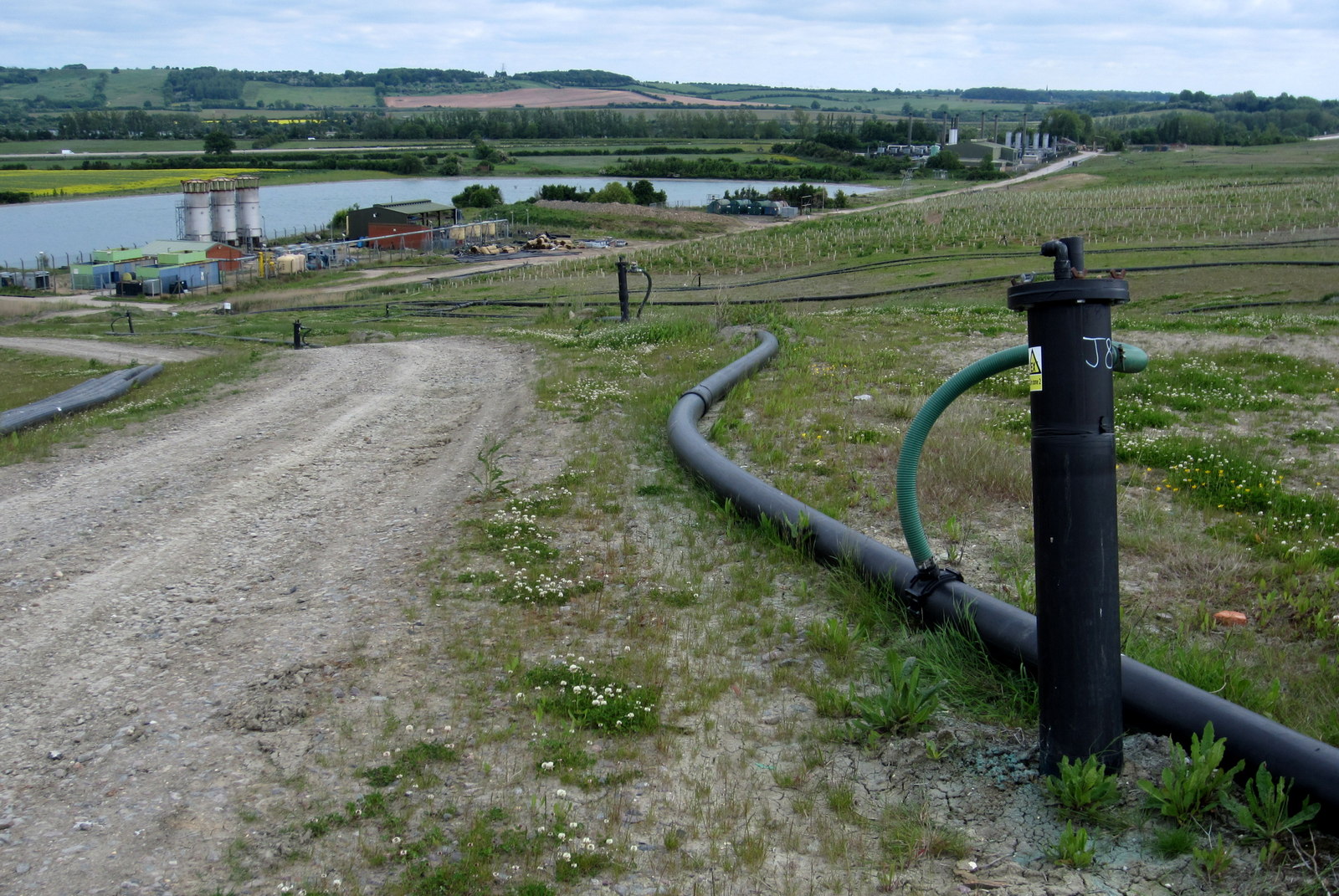
Loci Controls put a language model over the largest continuous dataset of landfill gas wellhead behaviour. The useful part is not the model — it is that the data density regulators are about to require makes interpretation the bottleneck.
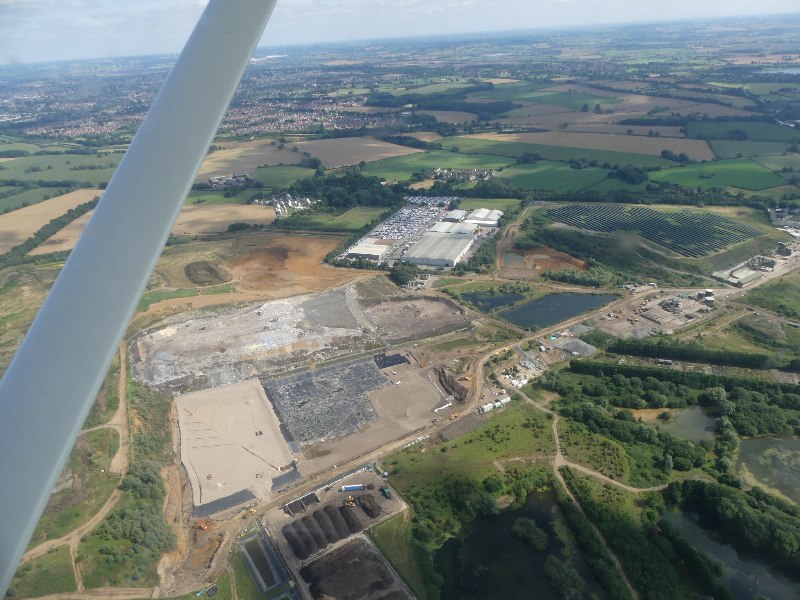
An Elevated Temperature Landfill is not a fire. It is a landfill where heat outruns the gas system, the methane-making microbes die, and chemistry takes over — without needing oxygen, which is exactly why it is so hard to stop.
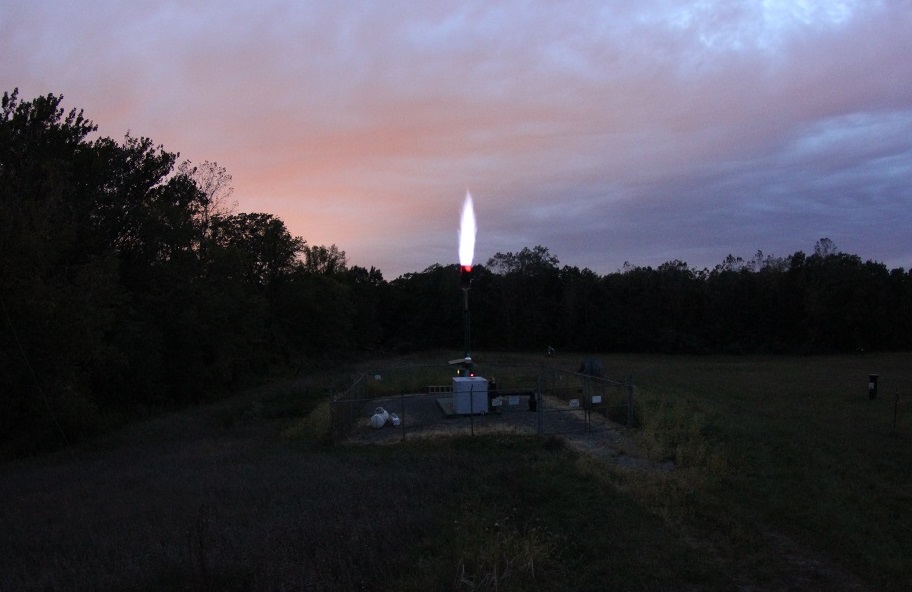
A Chicago-led team closed the loop from data mining to synthesised, tested metal-organic frameworks for methane capture. Two new materials work at ambient conditions in a lab. Landfill gas is wet, dirty and nothing like a lab.
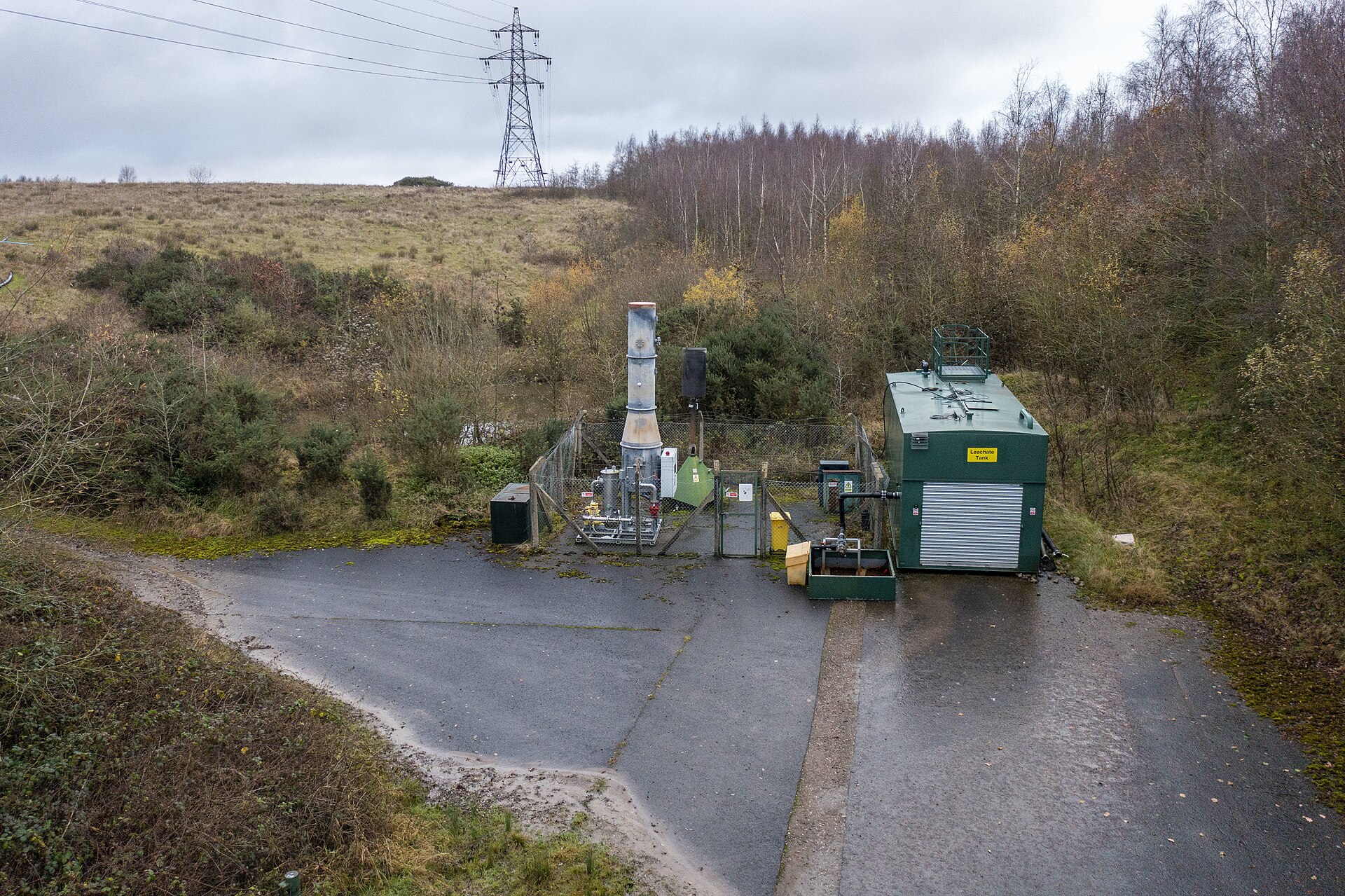
A two-and-a-half-year monitoring run at a New Jersey landfill estimated roughly five times the methane previously reported. The mechanism is seasonal, and it is not exotic.
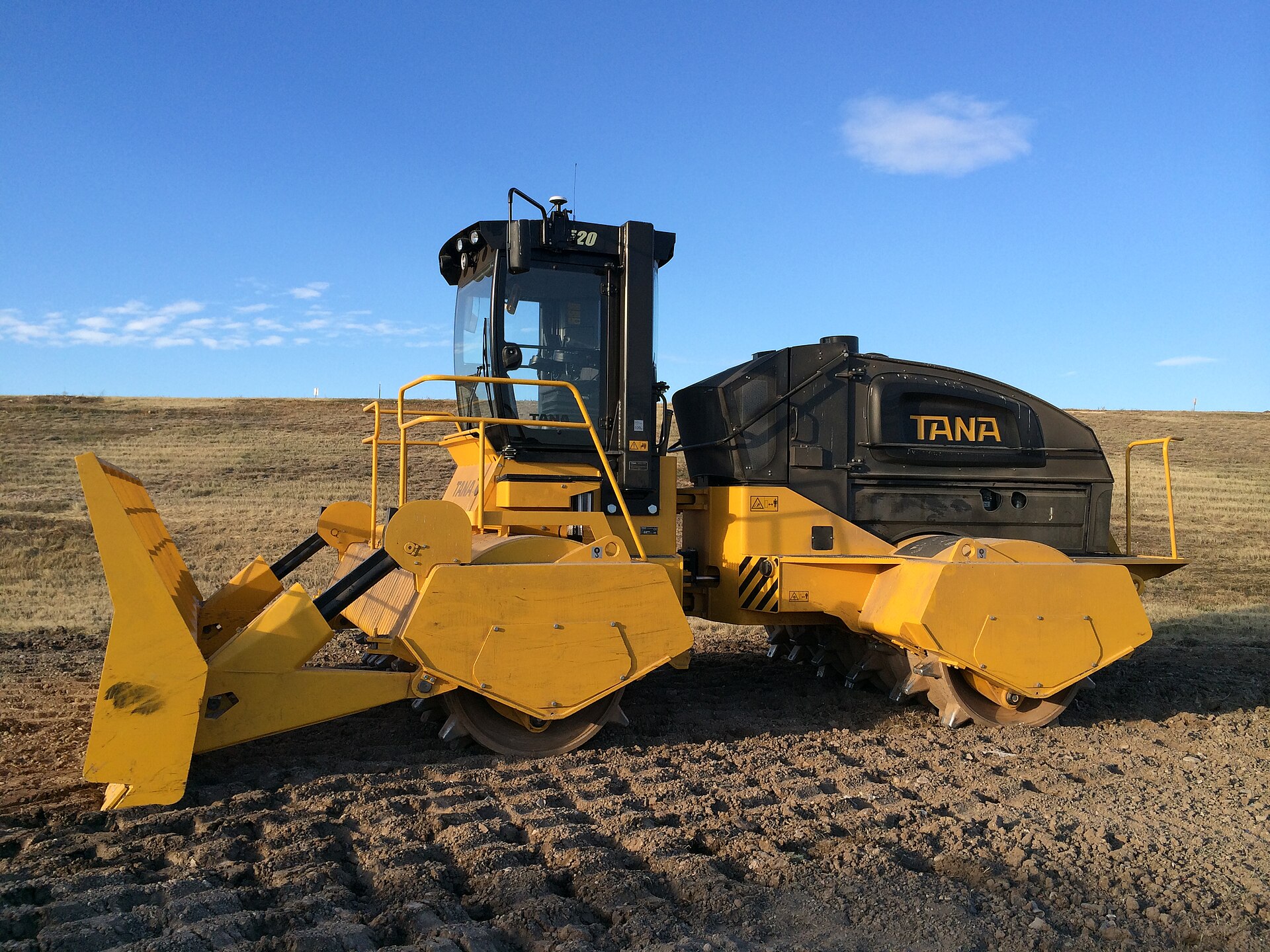
WM has moved a bulldozer operator out of the cab and is preparing to test an autonomous compactor. Here is what each step in that ladder actually changes on the working face.