TeardownOctober 3, 2026
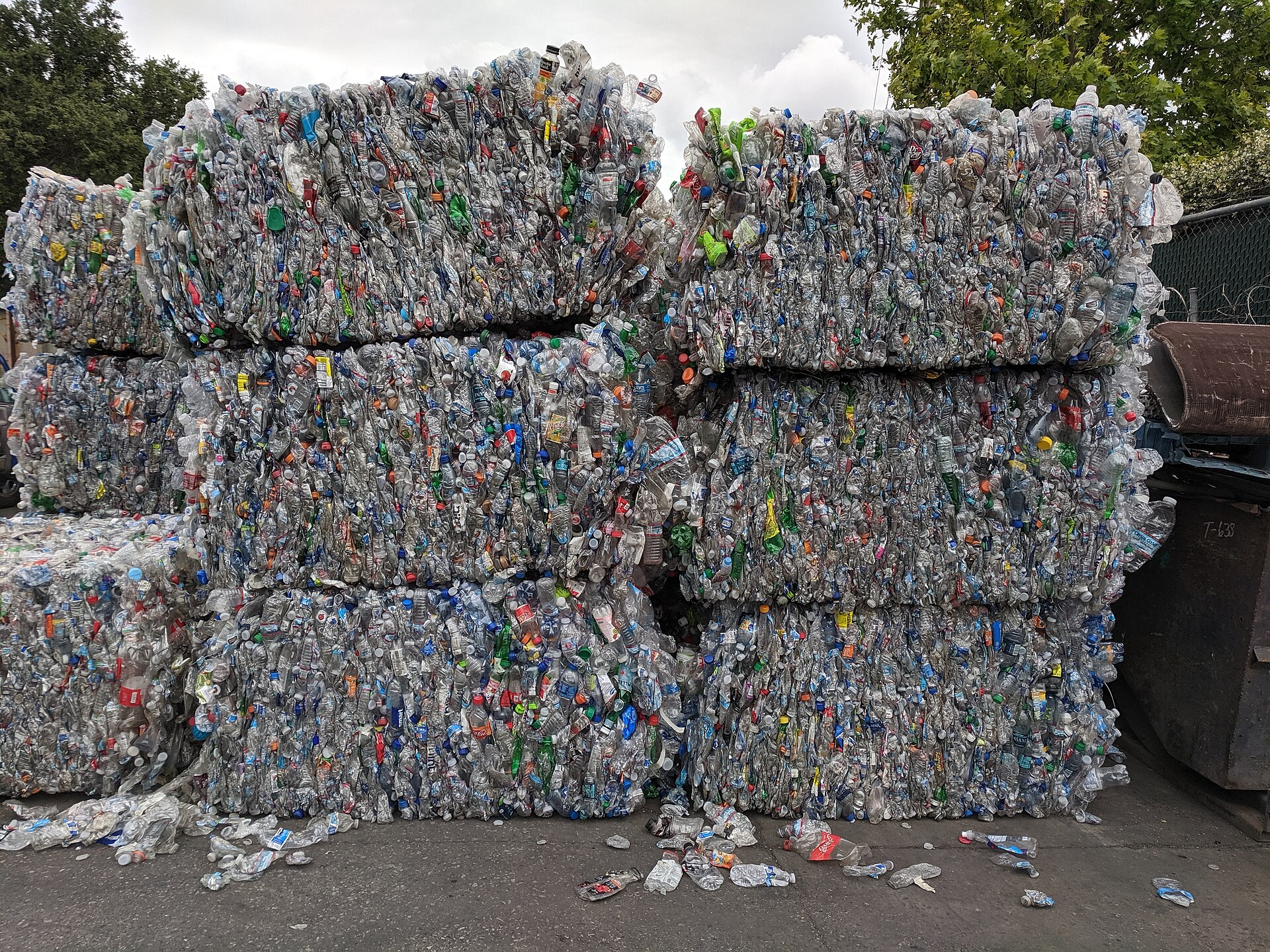
Plastic pyrolysis: nameplate capacity is not operating performance
Closures and underutilisation expose the gap between making an oil and running a profitable plastic-to-plastic system.

Explainers, teardowns, and myth-busting on waste management systems and green engineering.
Closures and underutilisation expose the gap between making an oil and running a profitable plastic-to-plastic system.
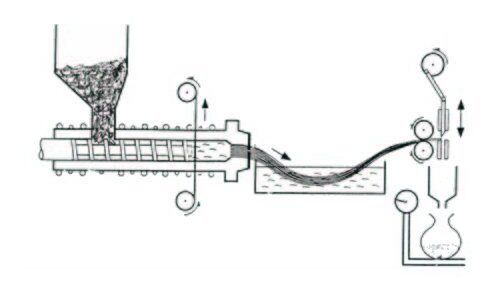
The French startup claims +45% yield, −60% energy and −45% cost by heating a catalyst with induction to turn plastic waste into olefins. Every figure is self-reported, and none has a baseline.
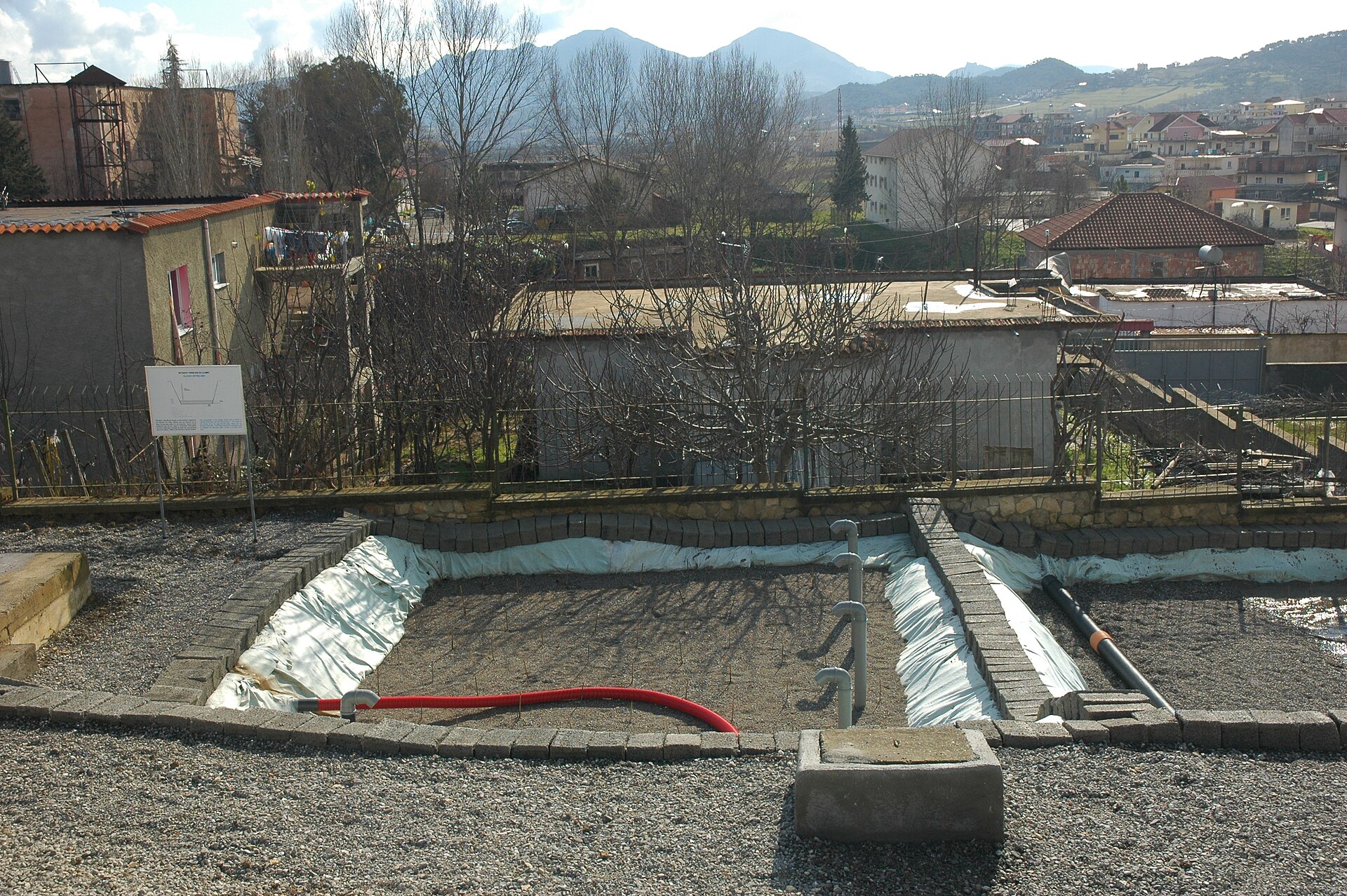
Hydrothermal carbonisation, gasification, energy recovery and phosphorus capture in a single automated plant near Treviso. The integration is the novelty — and the performance data is absent.
Four companies, six steps, and one link where the recycled content is attributed rather than physically traced. The pyrolysis is real. The loop is partly bookkeeping.
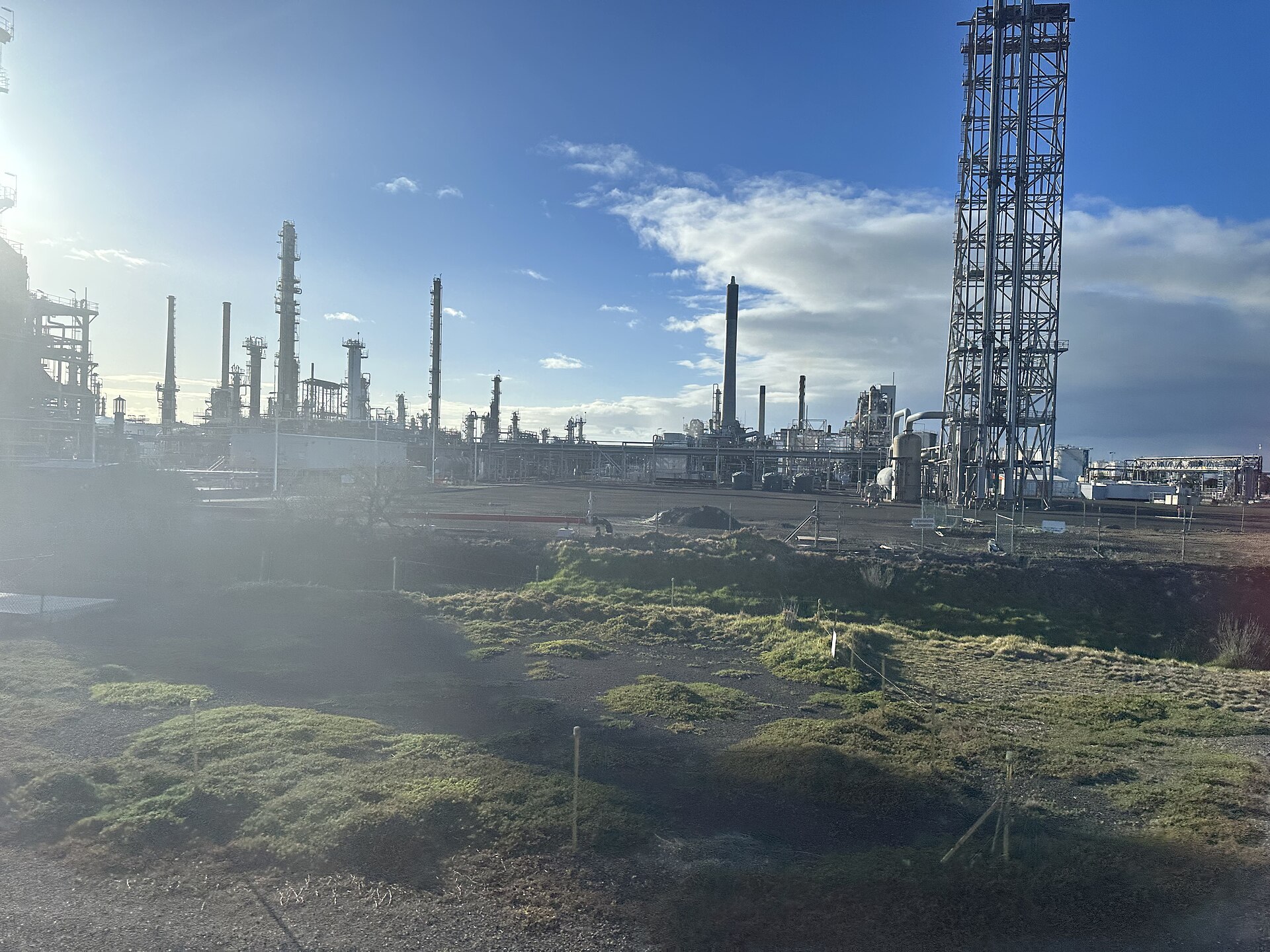
Aduro says its water-based chemistry converts waste plastic and heavy oil at lower temperatures than pyrolysis. Even if that holds, the output is still a feedstock that a refinery has to finish.
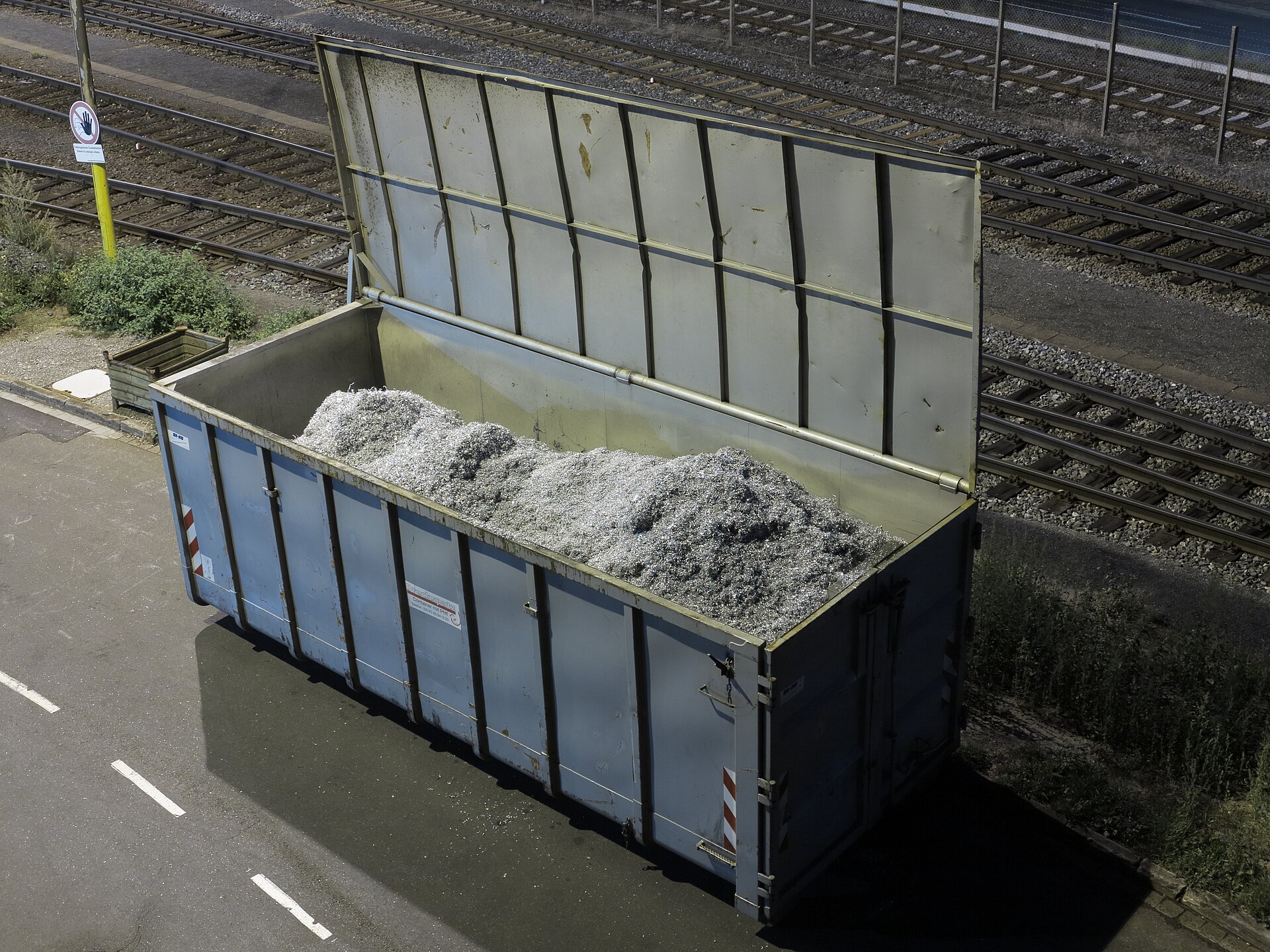
A startup claims up to 90% iron recovery from steel grinding sludge, a saleable coagulant, hydrogen as a by-product and a negative carbon figure. Almost none of the process detail behind those numbers has been published.
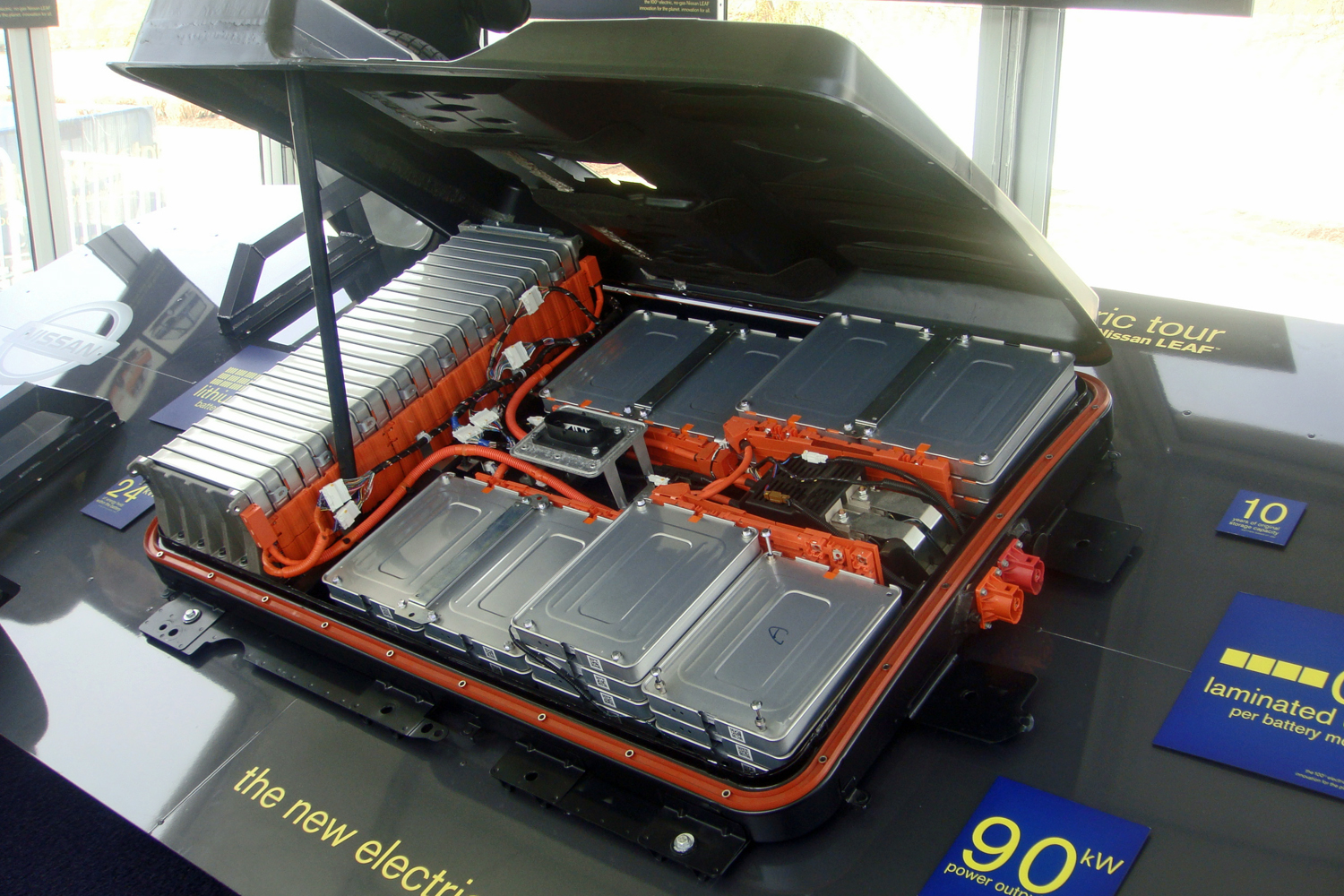
Nth Cycle took $100M and Princeton NuEnergy $50M out of the DOE's $500M battery round. Both have operating plants and third-party numbers — which is more than most. Neither has solved the part a grant cannot buy: feedstock.
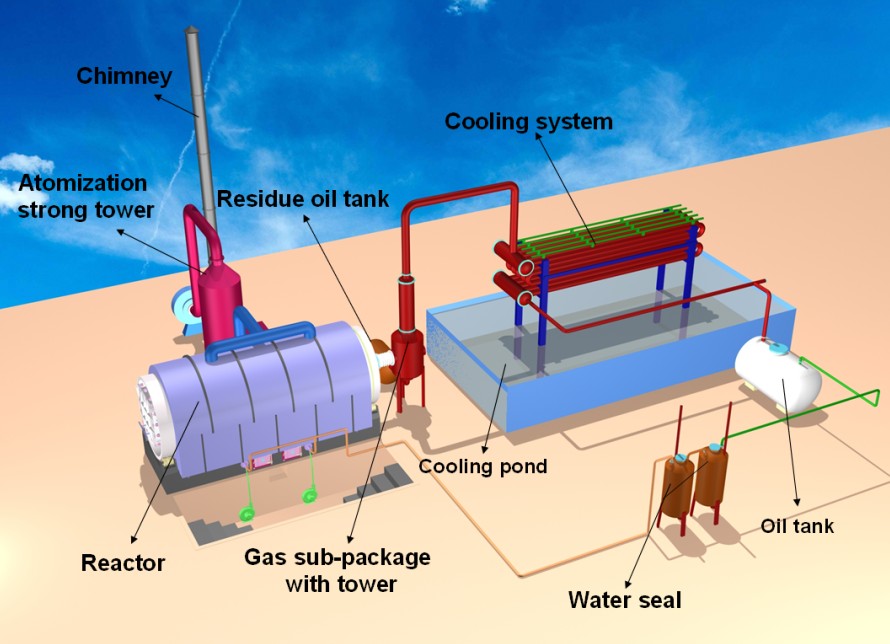
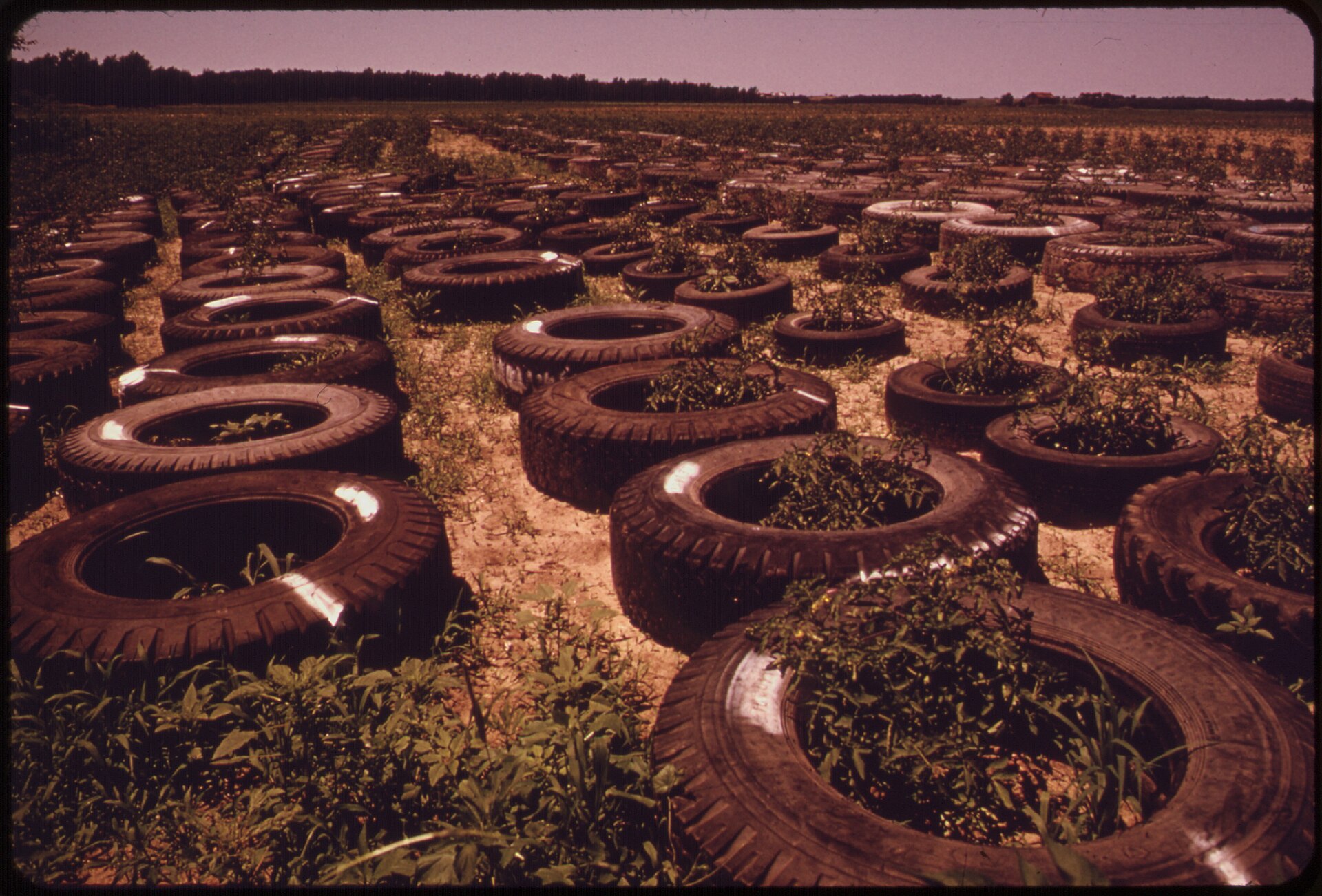
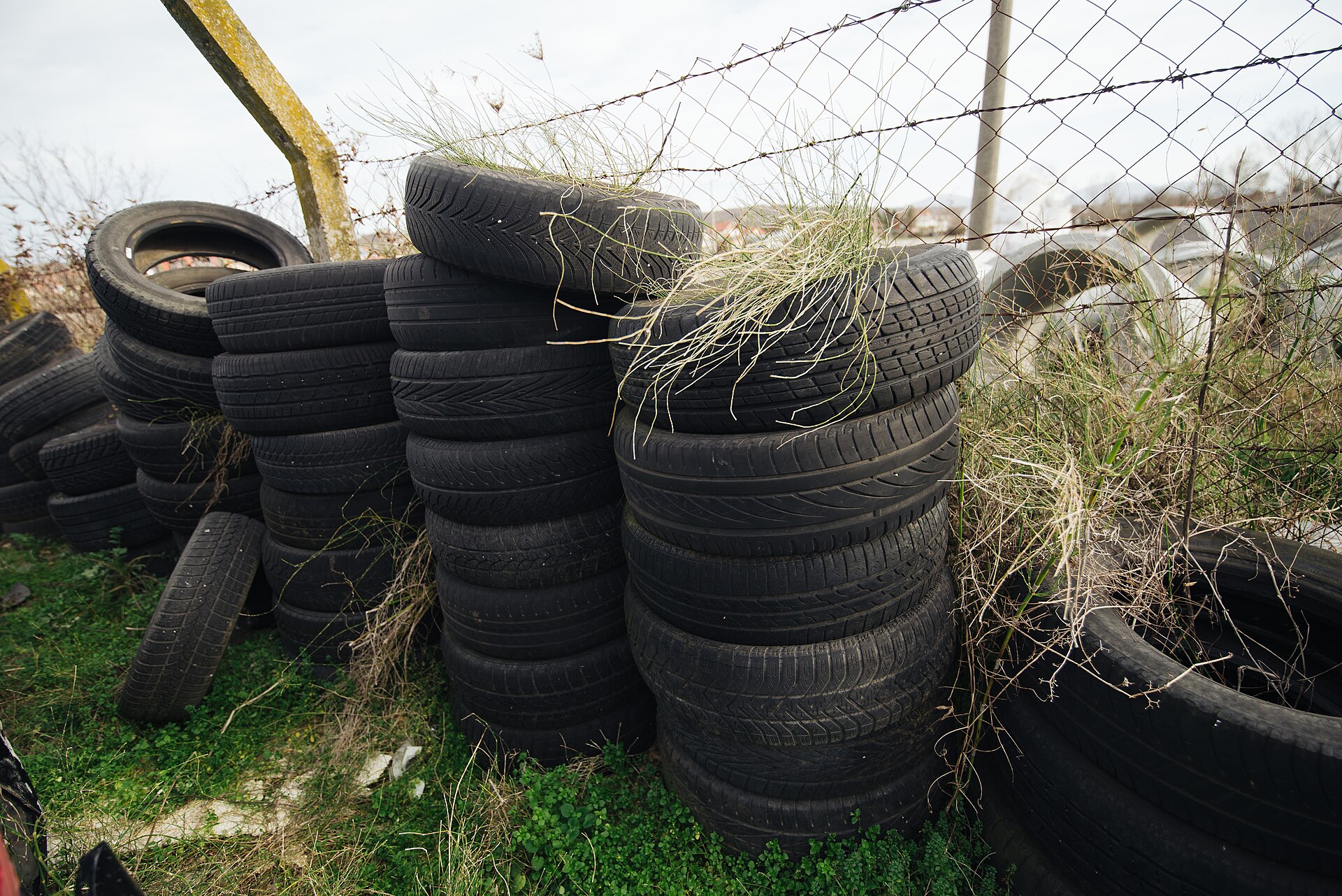
End-of-life tyres go into a pyrolysis reactor; a certified share of recycled feedstock comes out attributed to a tin of interior paint. The chemistry is real, the audit is real, and the word doing the most work is "attributed".
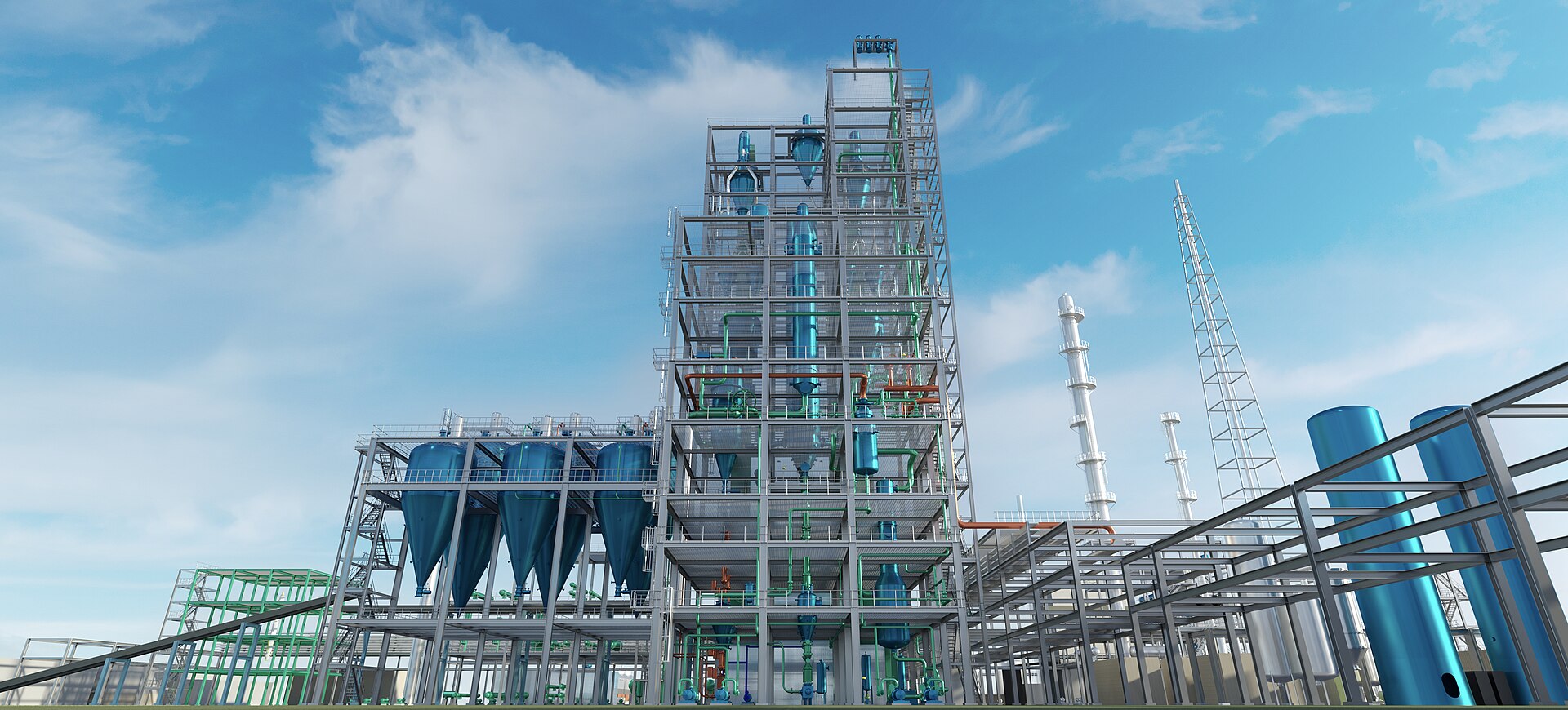
On 17 August, Hydrogen Utopia International bought a $500,000 UK licence for plasma gasification aimed at sustainable aviation fuel. A licence is a real asset. It is also nine milestones short of a litre of jet fuel.
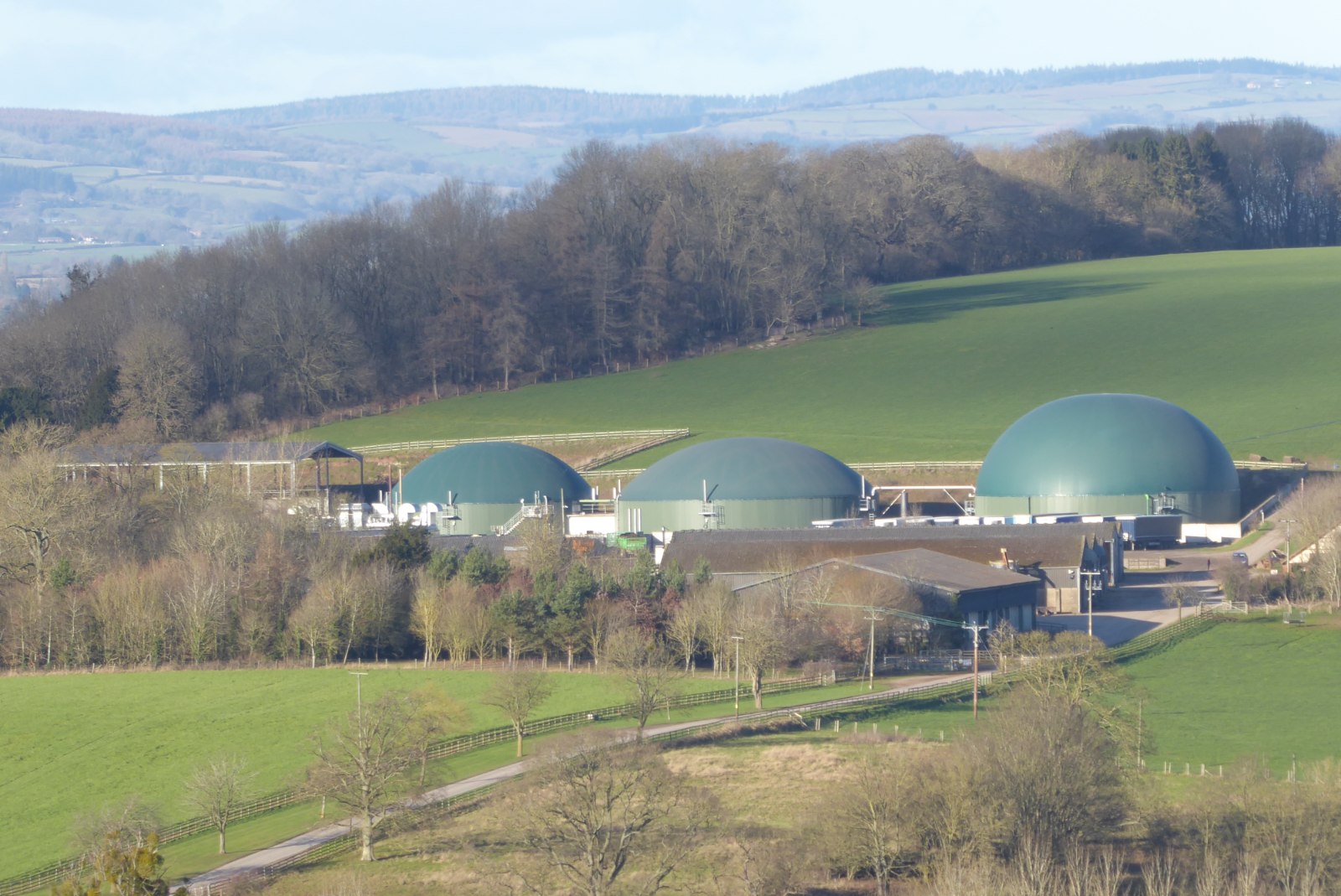
Divert and US Cold Storage say 2.5 million pounds of unsold food became renewable natural gas and fertiliser in 15 months. The operating facts are solid. The carbon accounting behind them is not published.
Nine and a half tonnes of pyrolysis oil, five tonnes of resin, seven million wrappers. A real supply chain ran end to end - and almost none of the numbers that would prove it works were published.
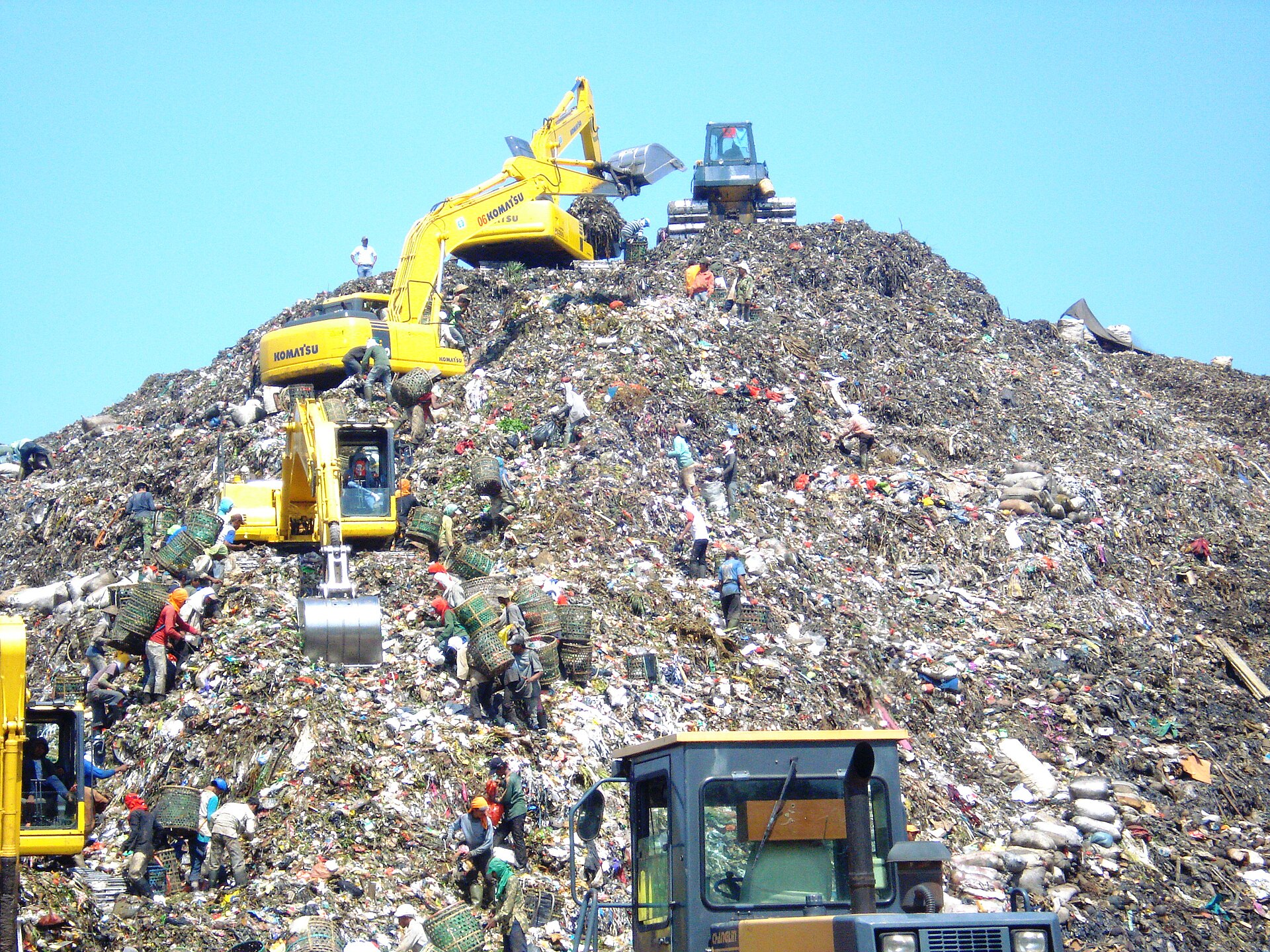
SUS ENVIRONMENT says it was selected as preferred partner for two Indonesian WtE projects. The announcement contains no capacity, financing, schedule or emissions data - and a Conditional LOA is not a project.
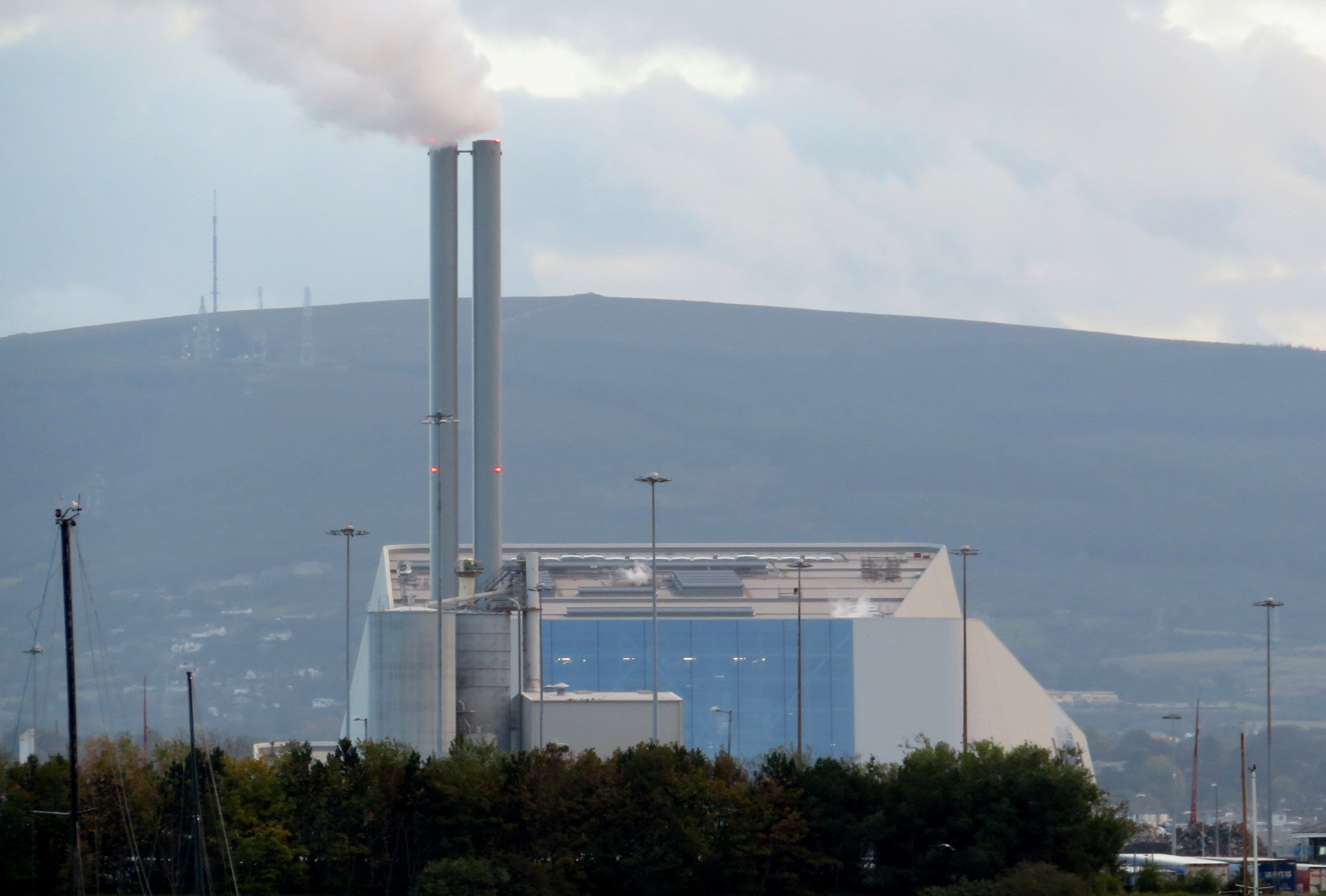
A 33.5-year exclusive treatment concession, three combustion lines and roughly 1 TWh a year. The contracts are signed. The financing, the emissions baseline and the recycling question are not.
Waste Energy says its Midland, Texas campus has entered final commissioning. That is a real construction milestone — and it is not the same thing as proven commercial scale.
Six nines of disinfection, 90% organics removal, reusable water and biogas — announced without an energy balance, a cost figure, or a recovery yield. A teardown of what the numbers do and do not say.