TeardownOctober 3, 2026
Plastic pyrolysis: nameplate capacity is not operating performance
Closures and underutilisation expose the gap between making an oil and running a profitable plastic-to-plastic system.

Explainers, teardowns, and myth-busting on waste management systems and green engineering.
Closures and underutilisation expose the gap between making an oil and running a profitable plastic-to-plastic system.
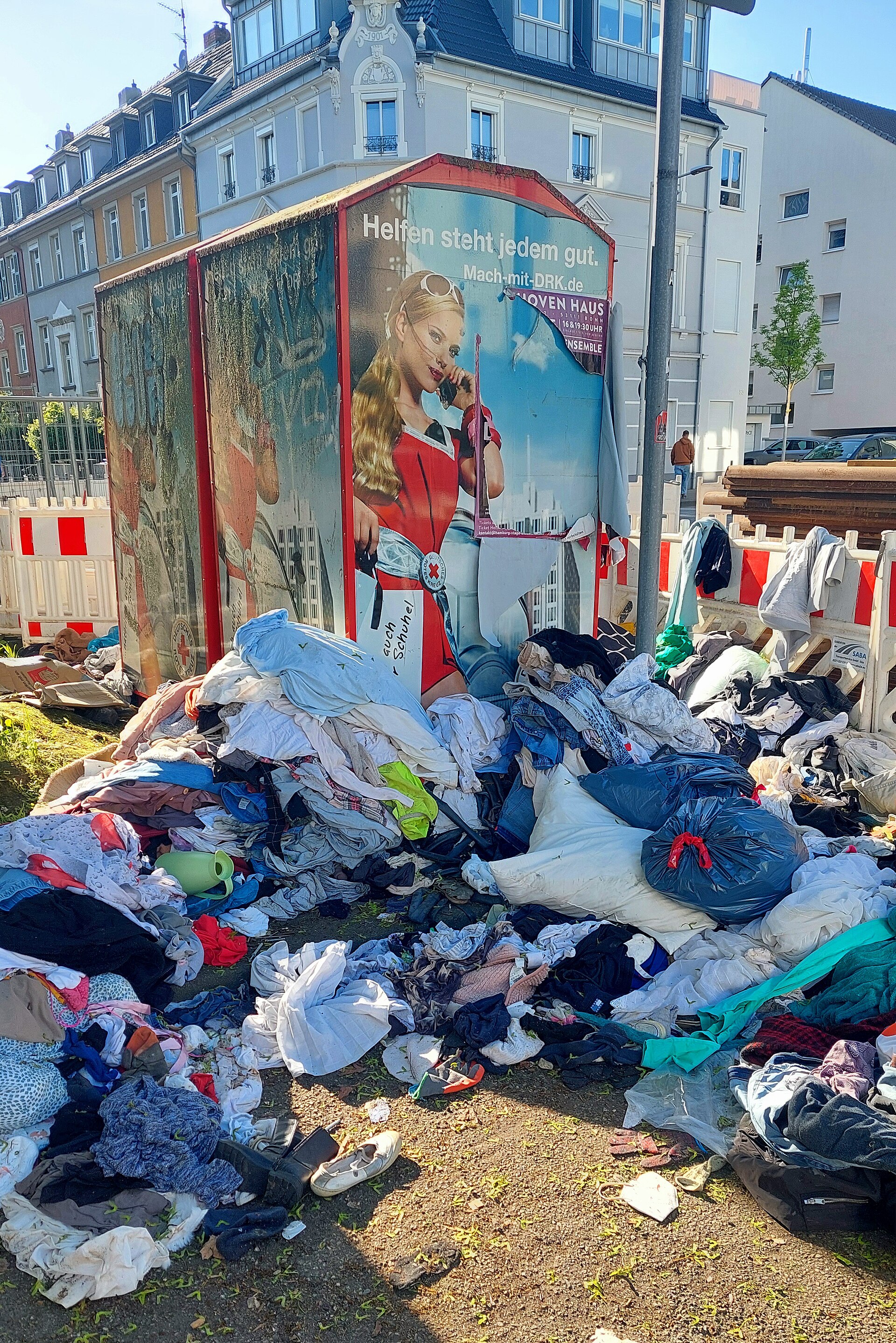
Fast depolymerisation is not the same as fast textile recycling; sorting, purification and future plant operation determine the result.
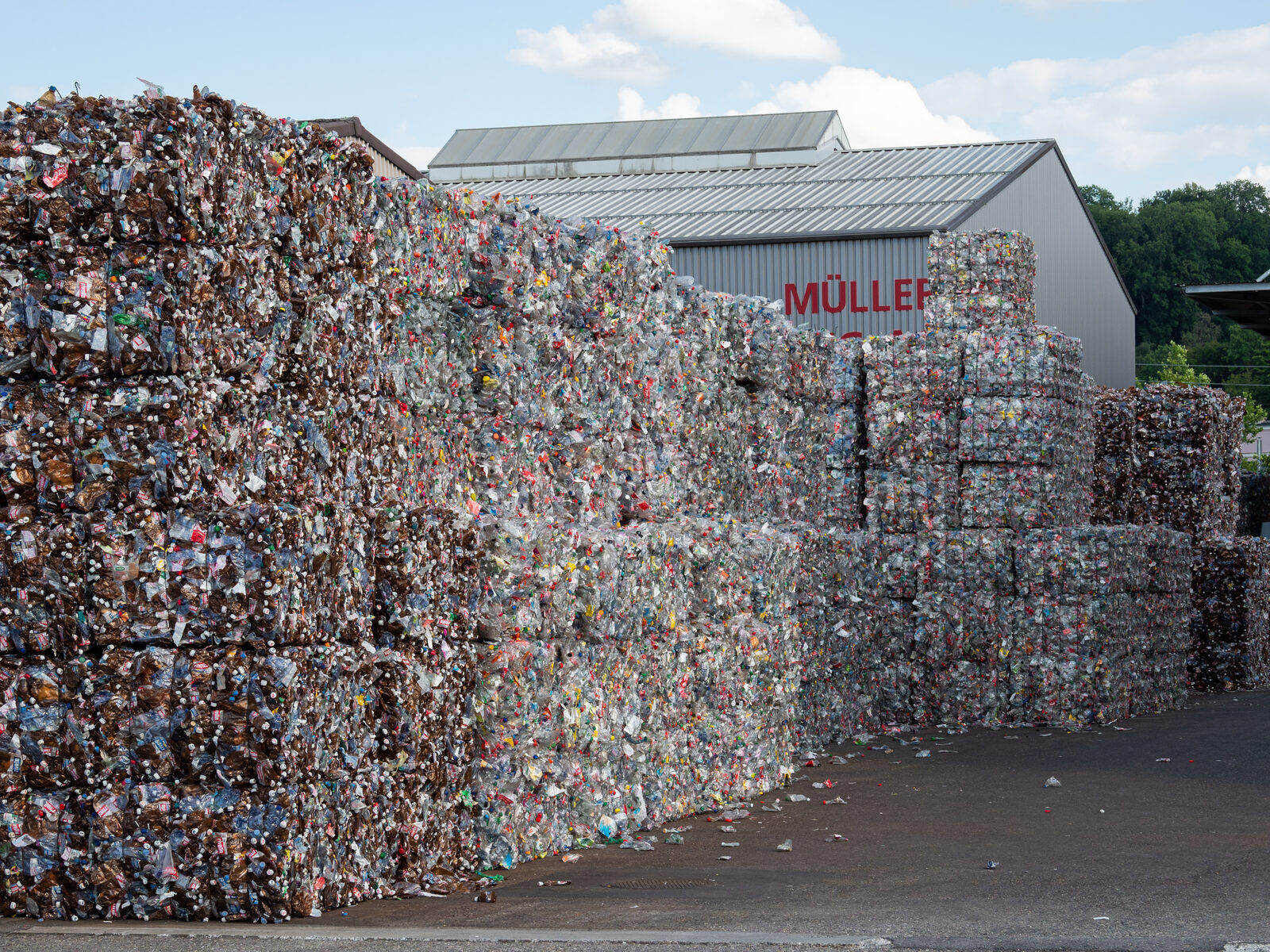
Meta will buy environmental attribute credits from MacroCycle's solvent-based PET recycling. The chemistry is novel. The plant does not exist yet, and Meta is not buying any recycled material.
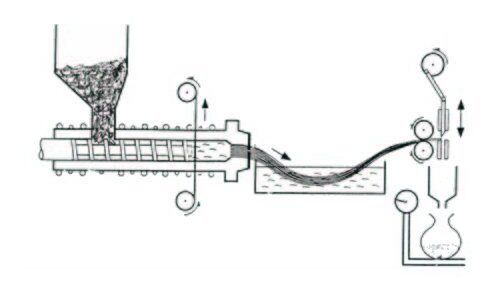
The French startup claims +45% yield, −60% energy and −45% cost by heating a catalyst with induction to turn plastic waste into olefins. Every figure is self-reported, and none has a baseline.
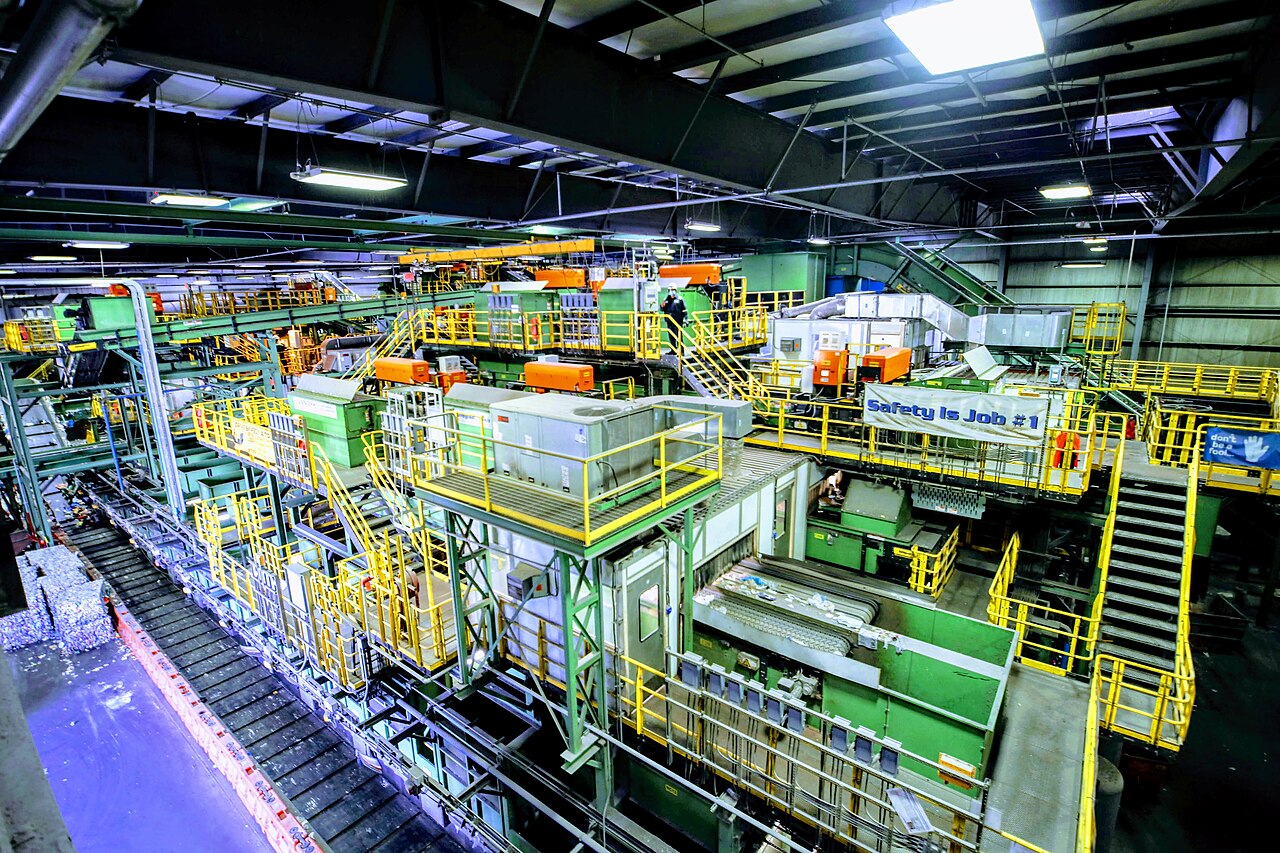
Cartons up 61%, mixed paper down 34%, plastics now outweigh paper in U.S. recycling. The new report is the best picture of the bin we have — and says almost nothing about what to do.
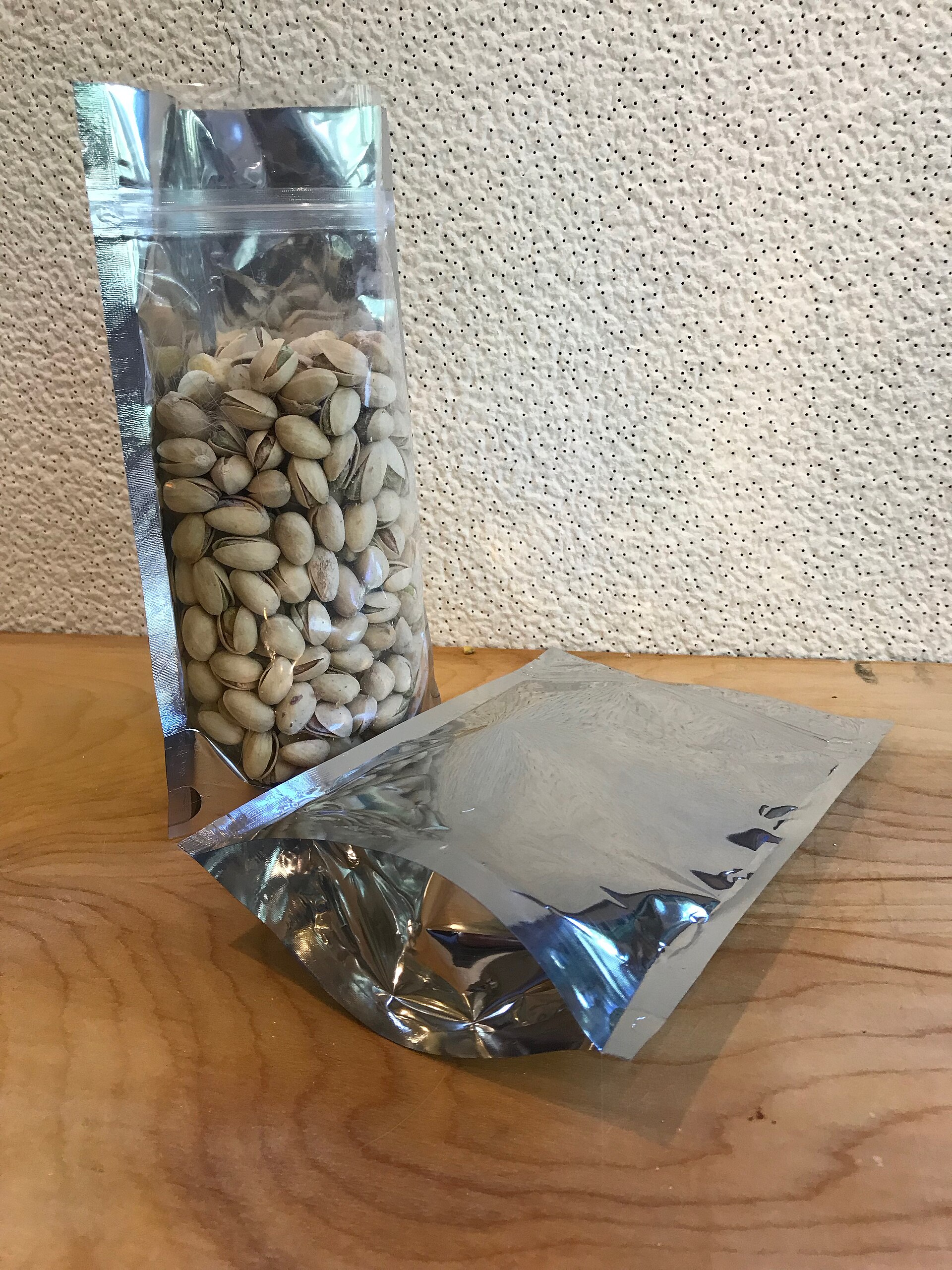
A PBAT and PLA blend with TUV OK Compost Home certification. The disintegration is tested. The barrier performance and the microplastic question are not.
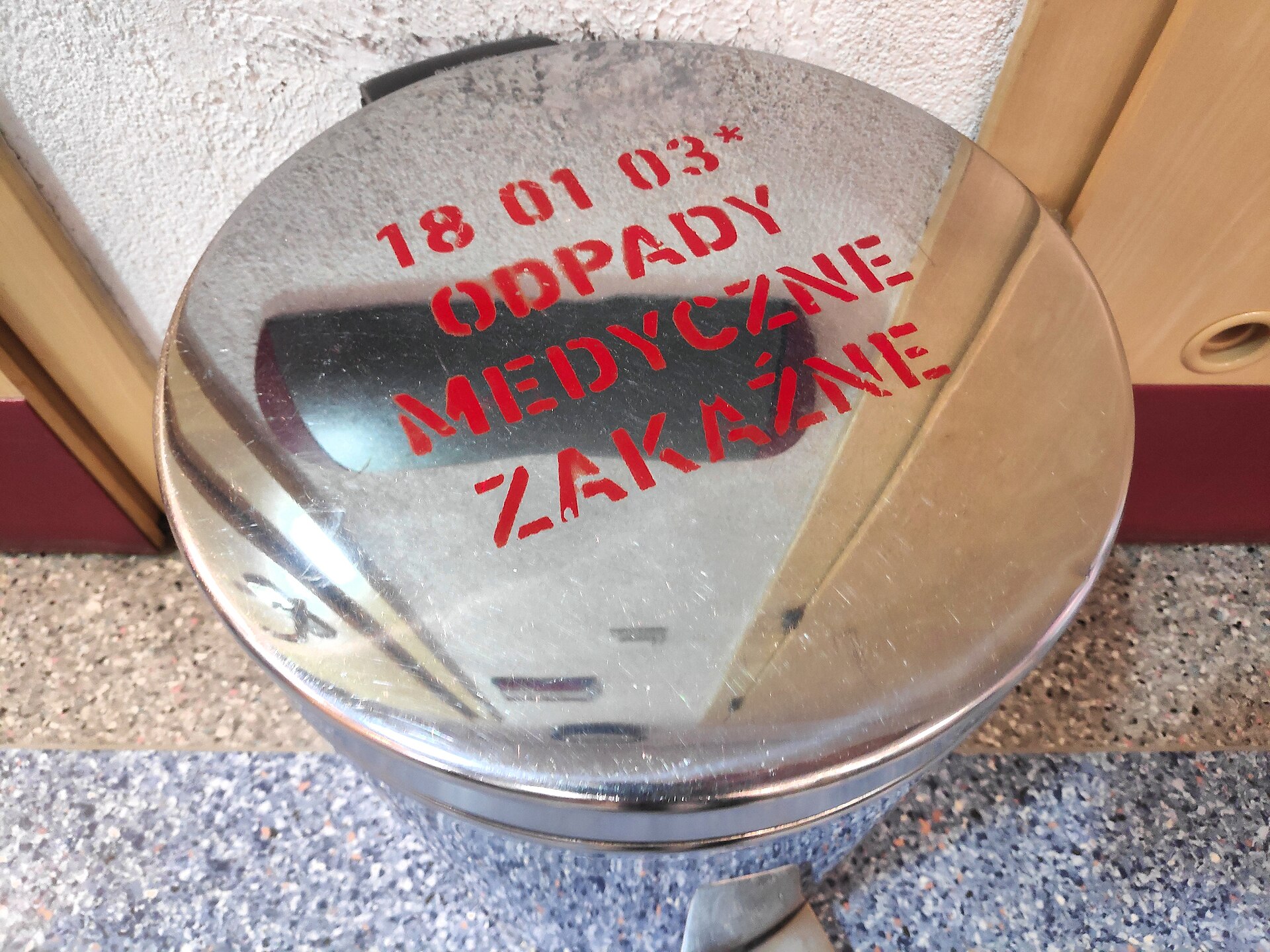
On-site shredding and disinfection that turns regulated medical waste into recyclable polymer flake. The disinfection is certified. Most of the headline numbers are not.
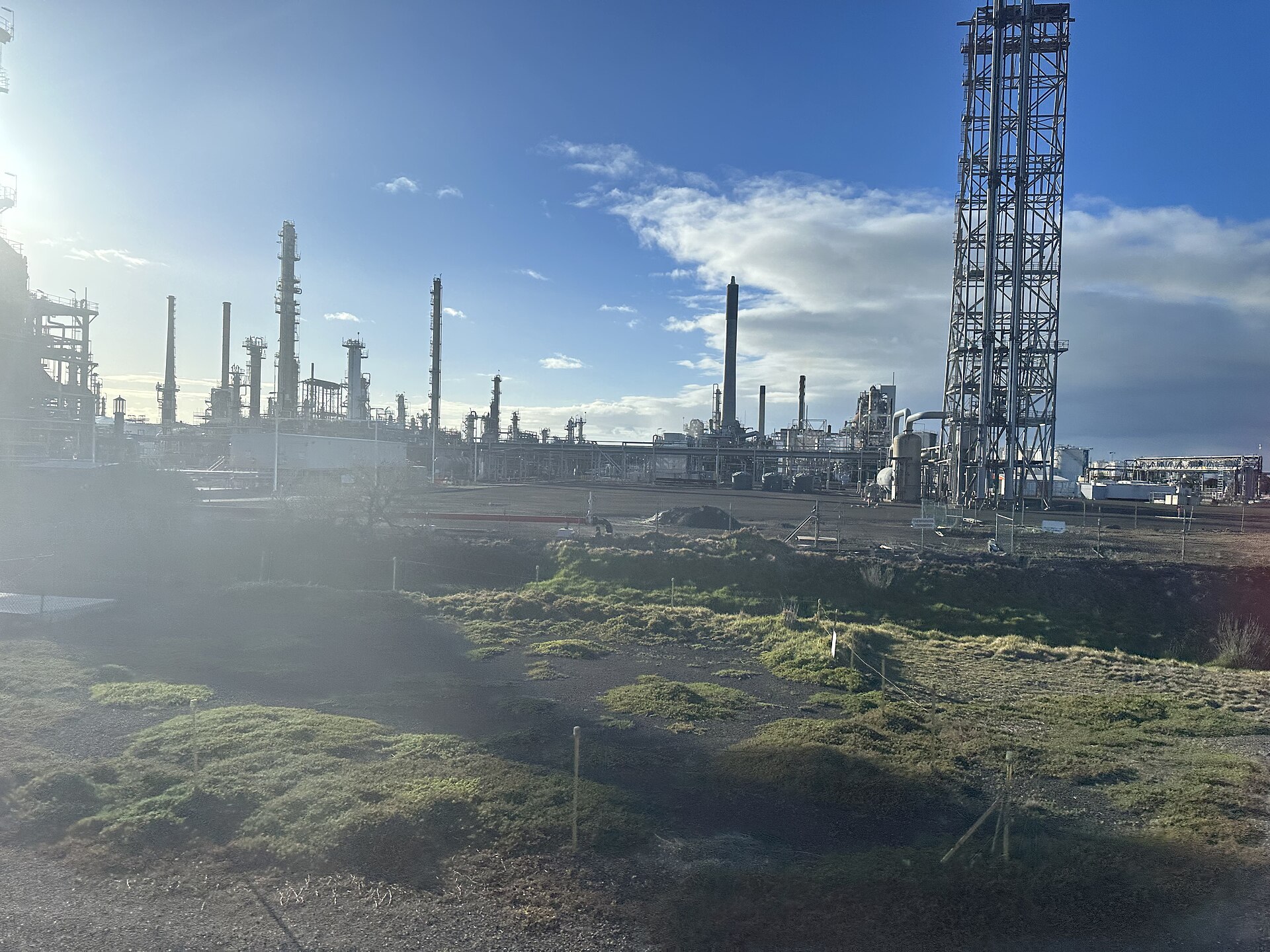
Aduro says its water-based chemistry converts waste plastic and heavy oil at lower temperatures than pyrolysis. Even if that holds, the output is still a feedstock that a refinery has to finish.
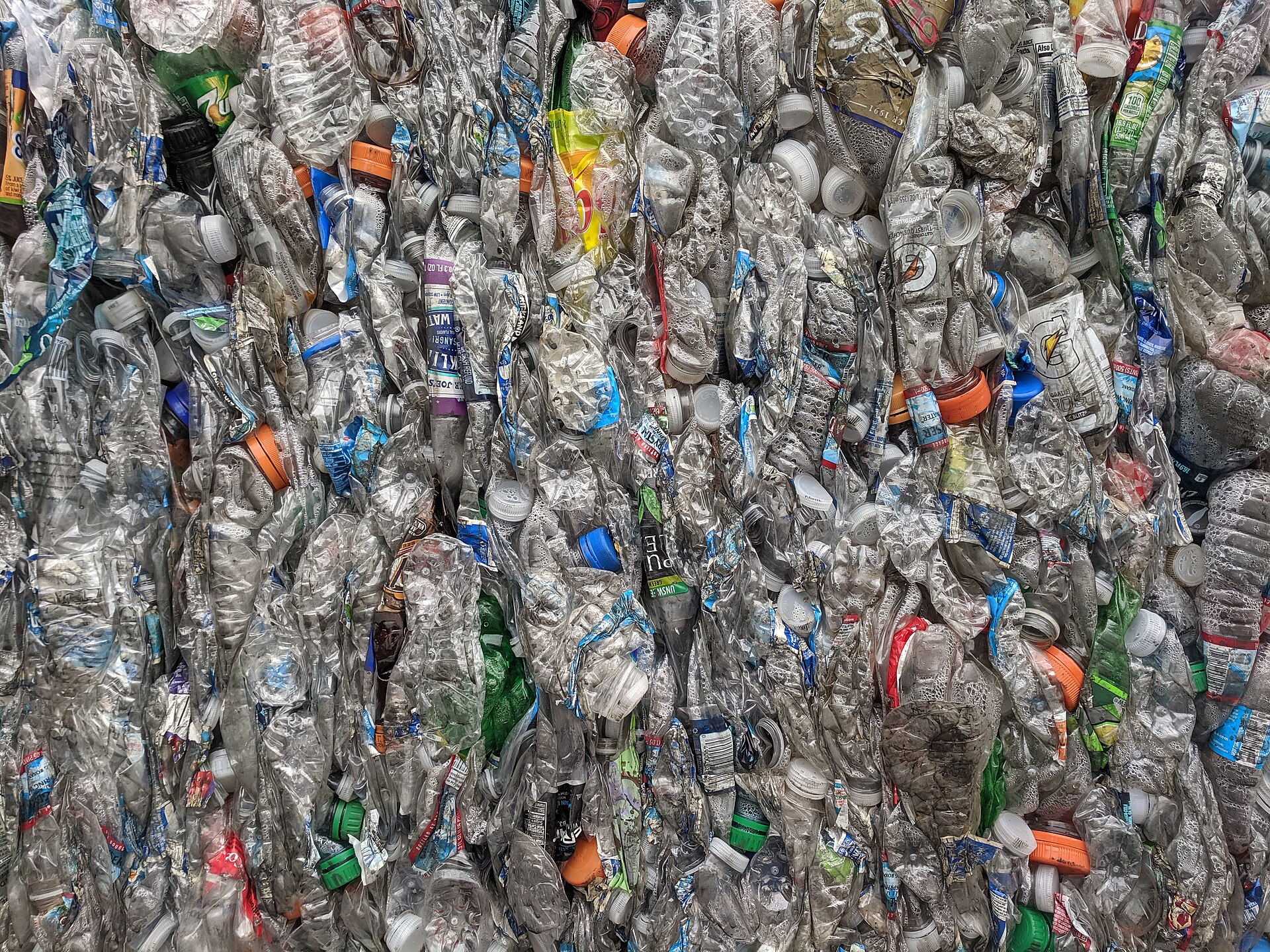
Chemical recycling of PET normally means a stirred tank and several hours. Kirin and JSW have moved the reaction into a continuous extruder. If the numbers hold, the interesting part is throughput per unit of capital.
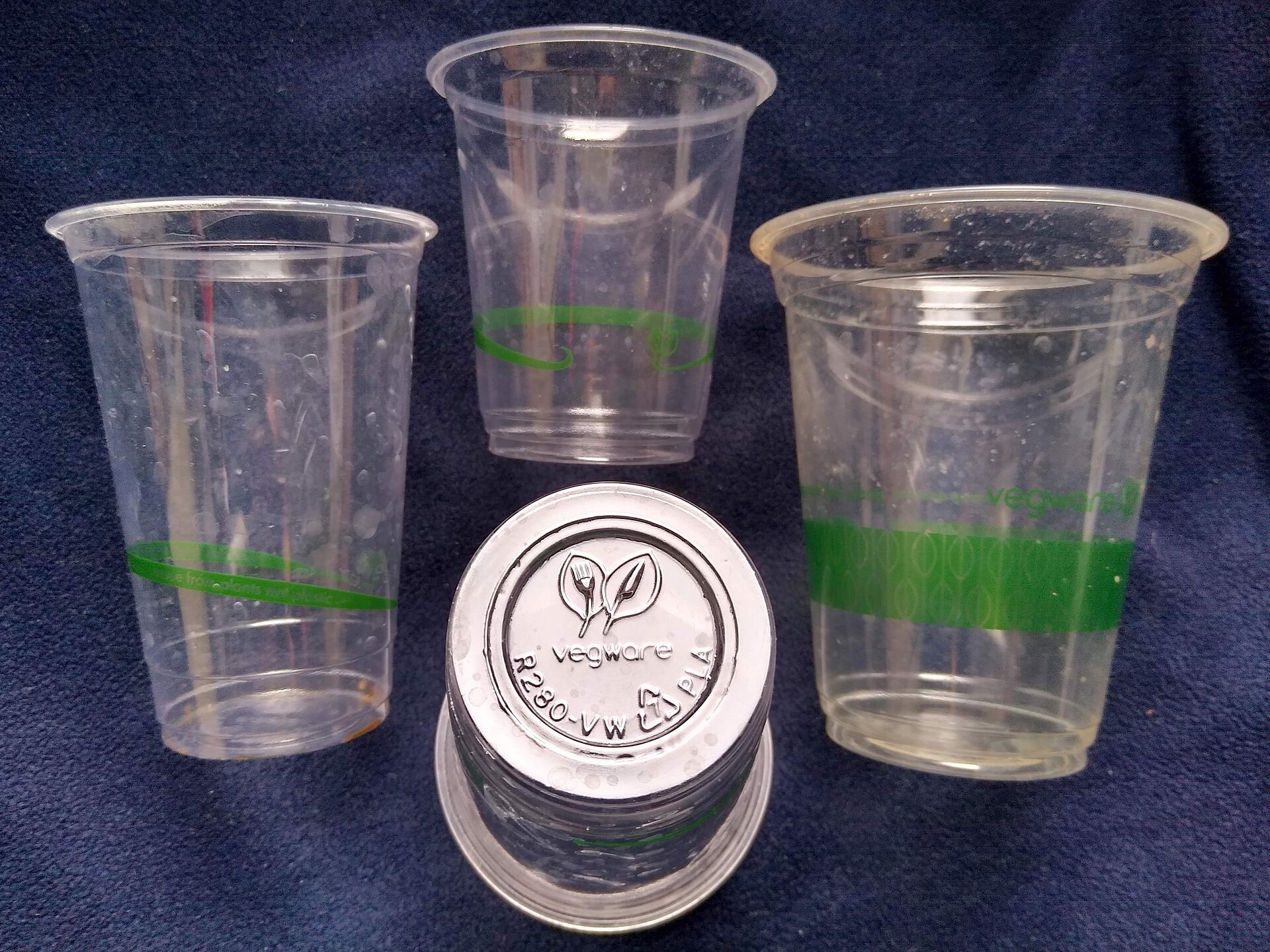
An EU project says it has closed the loop on PLA — sorting, depolymerising and repolymerising bioplastic back to virgin-grade. The chemistry is sound. The numbers that decide whether it matters are missing.
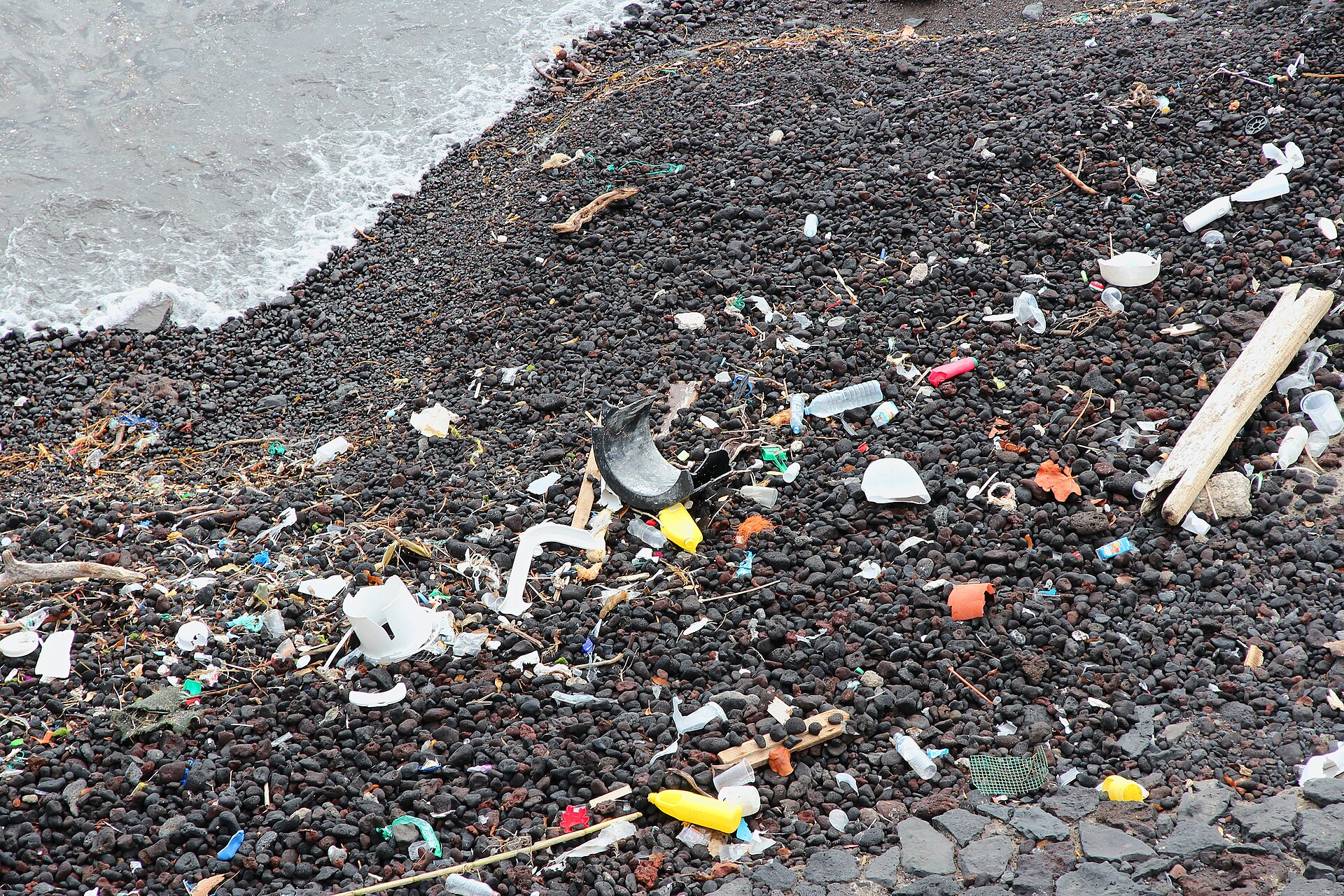
The removal figure is real and independently plausible. Set against annual plastic inflow to the ocean, it represents a small fraction of a single year — and the river interceptors are the part of the programme that actually scales.
Chemical depolymerisation of nylon 6 back to caprolactam is proven chemistry with decades of industrial history. The constraint has always been that most nylon in the world is blended into textiles that cannot be separated.
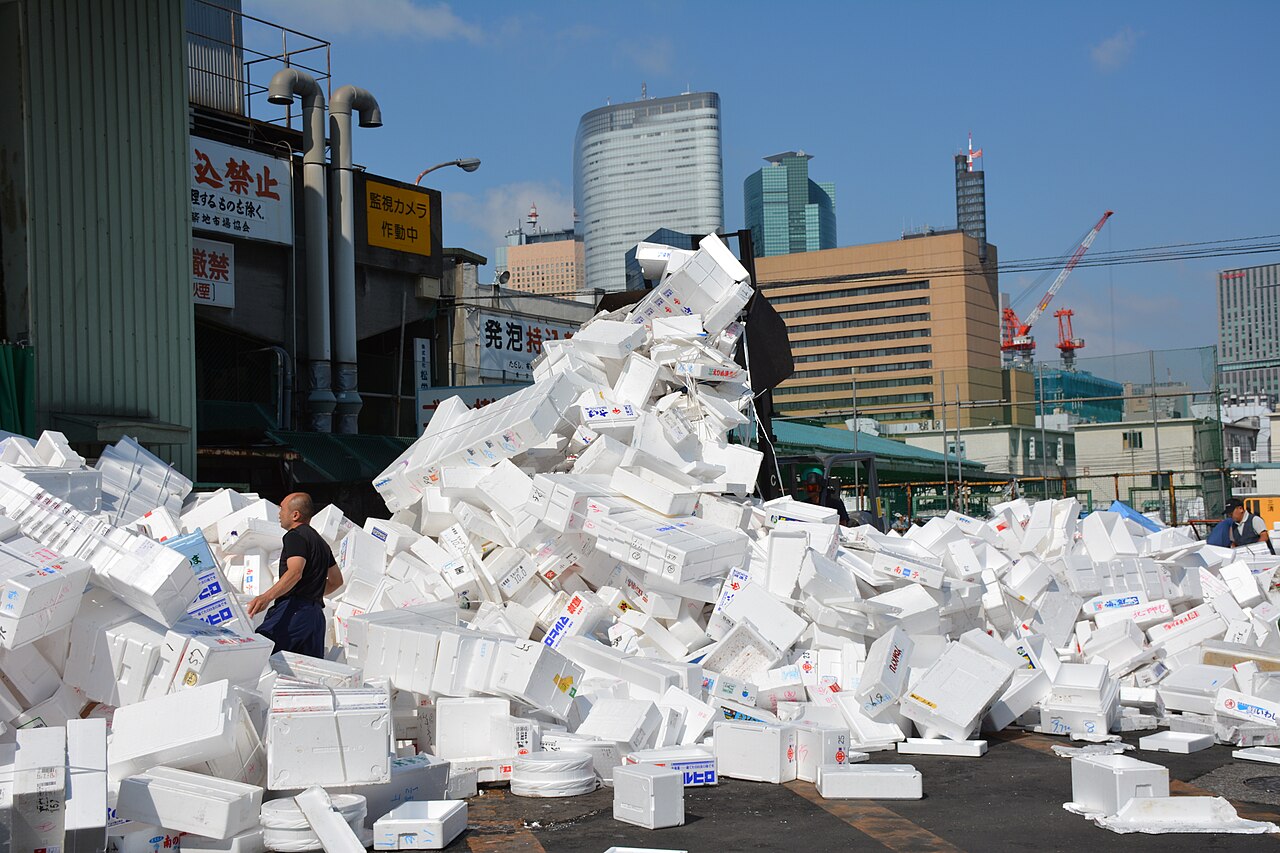
On 19 August the U.S. Plastics Pact removed expanded-polystyrene transport packaging from its Problematic and Unnecessary Materials list, citing a recycling rate above 30%. That is a real result on a narrow slice of foam — and it is not permission to put your foam cup in the recycling bin.
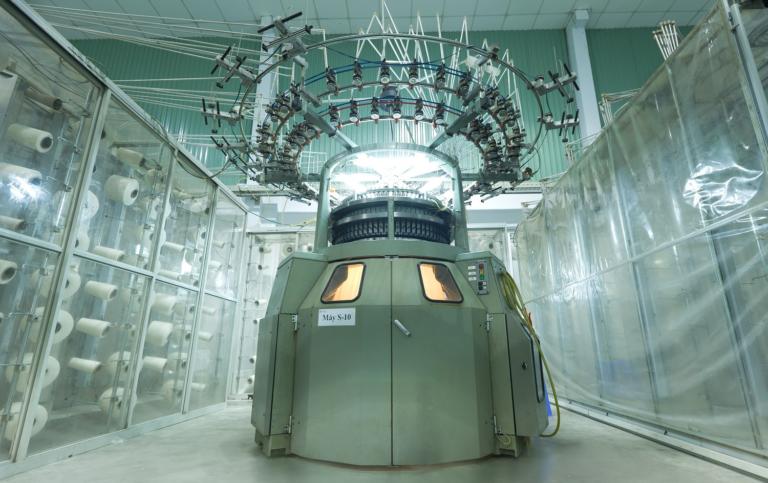
A polyethylene core-sheath yarn that stretches like PET-spandex and survives ten melt-and-respin cycles. The material result is real. The gap between a recyclable yarn and a recyclable garment is where almost all of the difficulty still sits.
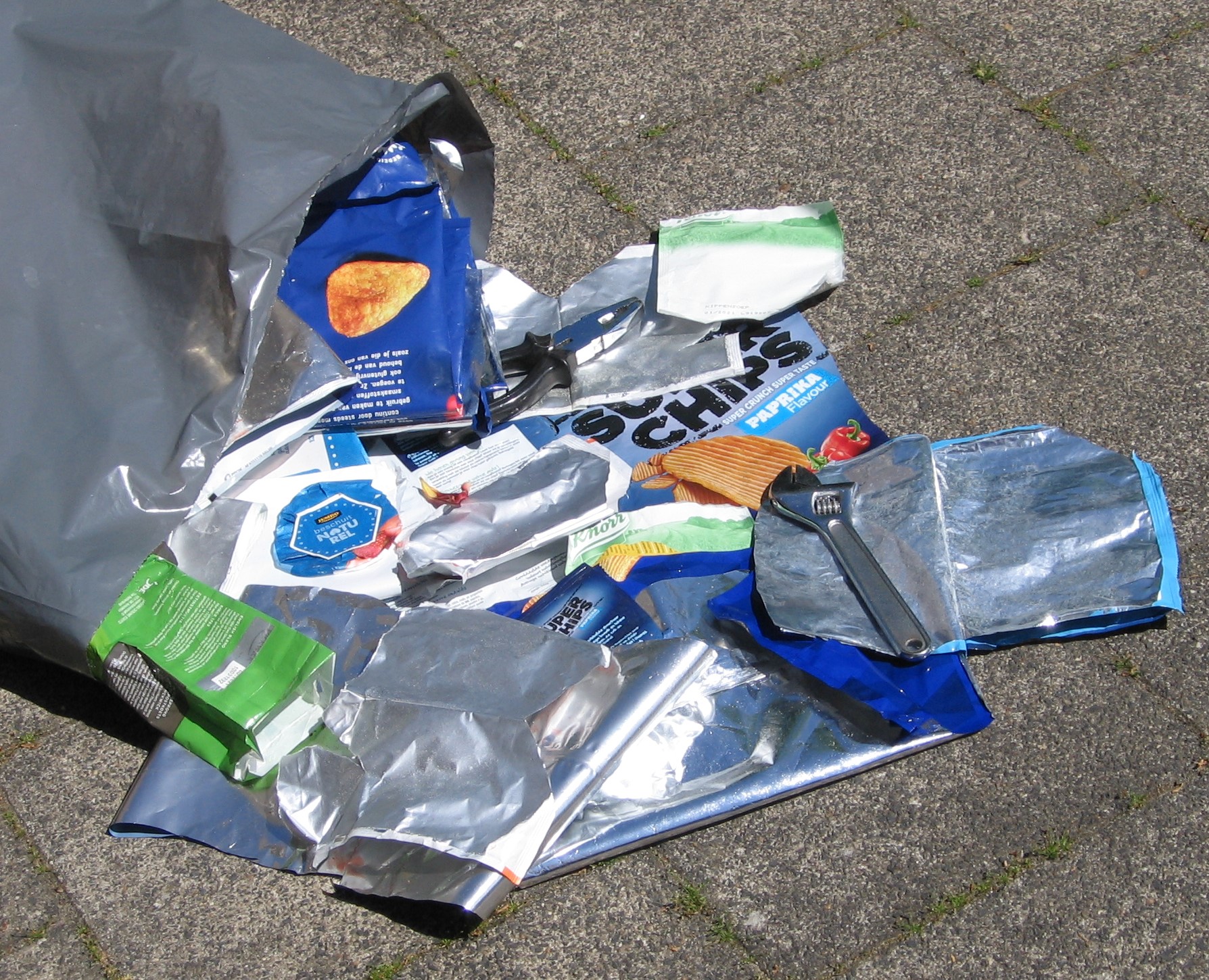
A Ministry of the Environment-commissioned demonstration puts nine Japanese companies on a shared platform to delaminate and deink flexible packaging. It is a genuinely interesting infrastructure model. It is not yet proof of scale.
Nine and a half tonnes of pyrolysis oil, five tonnes of resin, seven million wrappers. A real supply chain ran end to end - and almost none of the numbers that would prove it works were published.
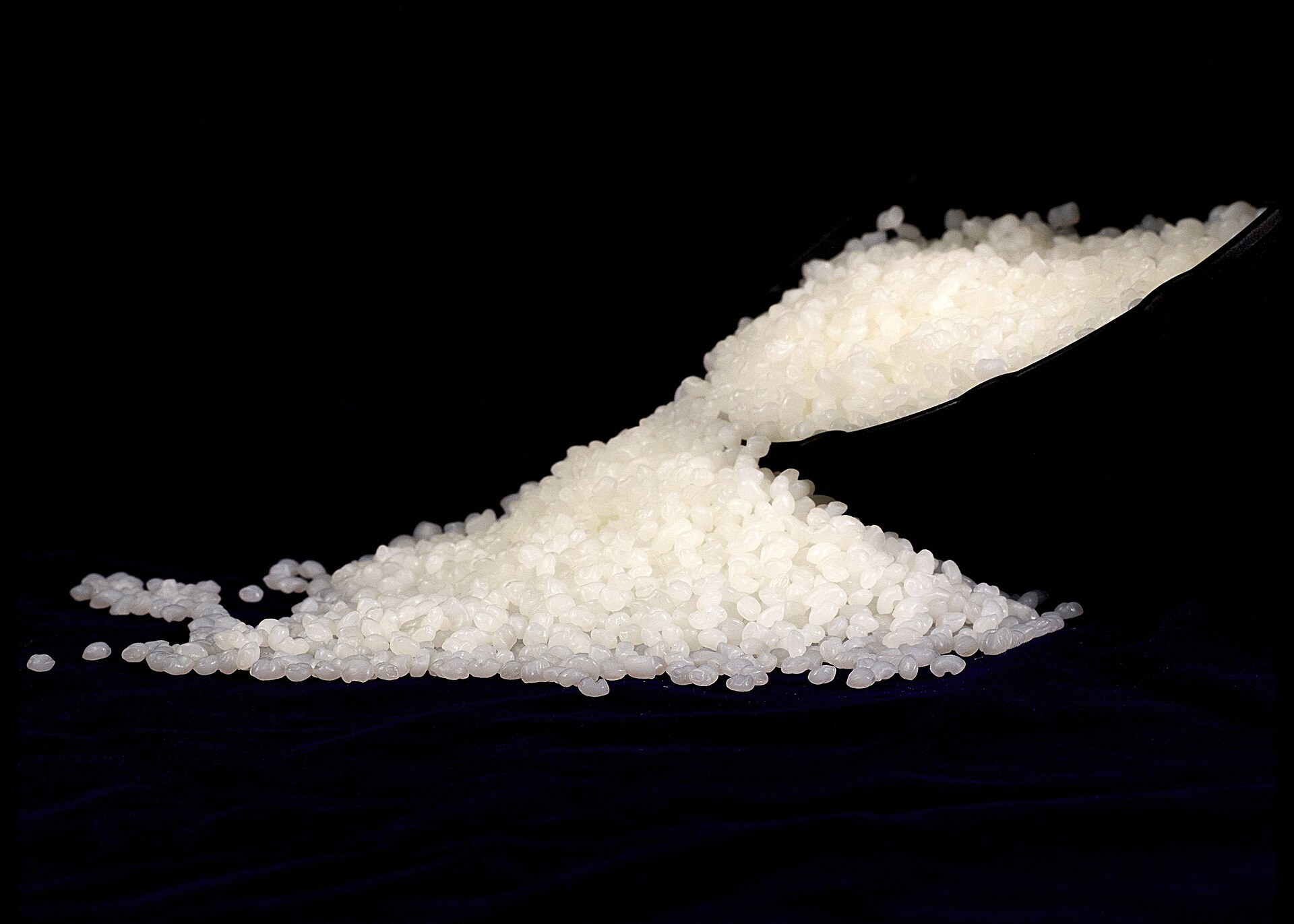
Q2 brought first branded resin deliveries, seven customer conversions and 173% revenue growth. It also brought a $142m net loss. A look at what advanced recycling has actually demonstrated, and what remains a forecast.