ExplainerOctober 9, 2026
LaMa separates the gel problem from the plastic recycling stream
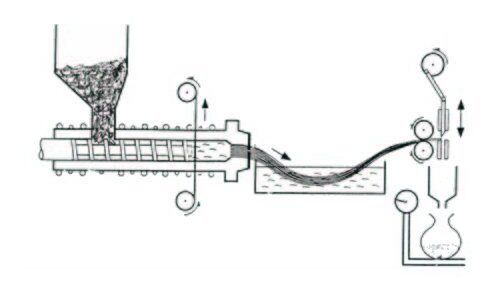
Superabsorbents complicate wet processing; reported 200 kg/hour operation does not establish a route for every used diaper or construction mat.

Explainers, teardowns, and myth-busting on waste management systems and green engineering.
Superabsorbents complicate wet processing; reported 200 kg/hour operation does not establish a route for every used diaper or construction mat.
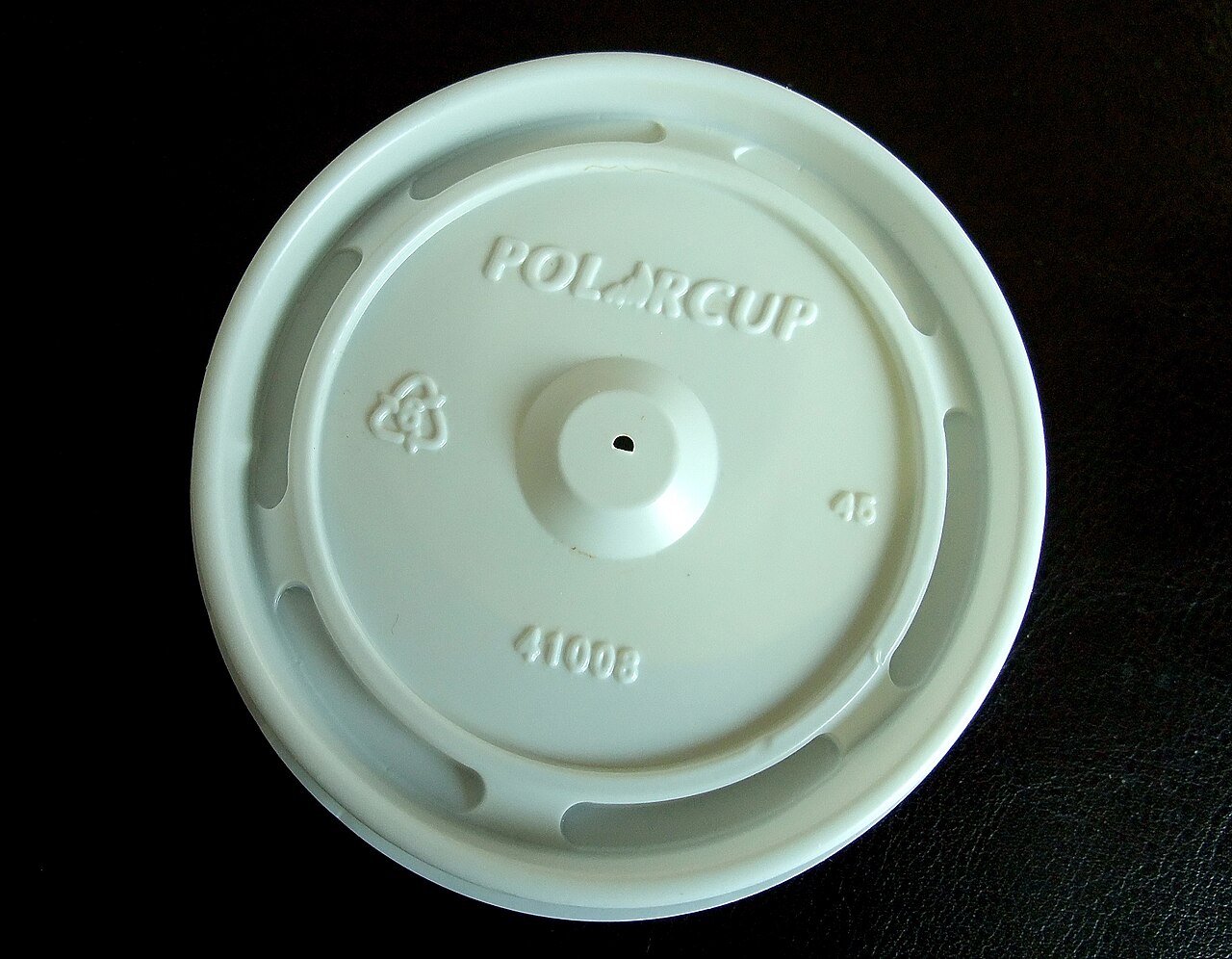
Bio-based content and deliberate chain cleavage change material design; fragments are not yet proof of a closed recycling loop.
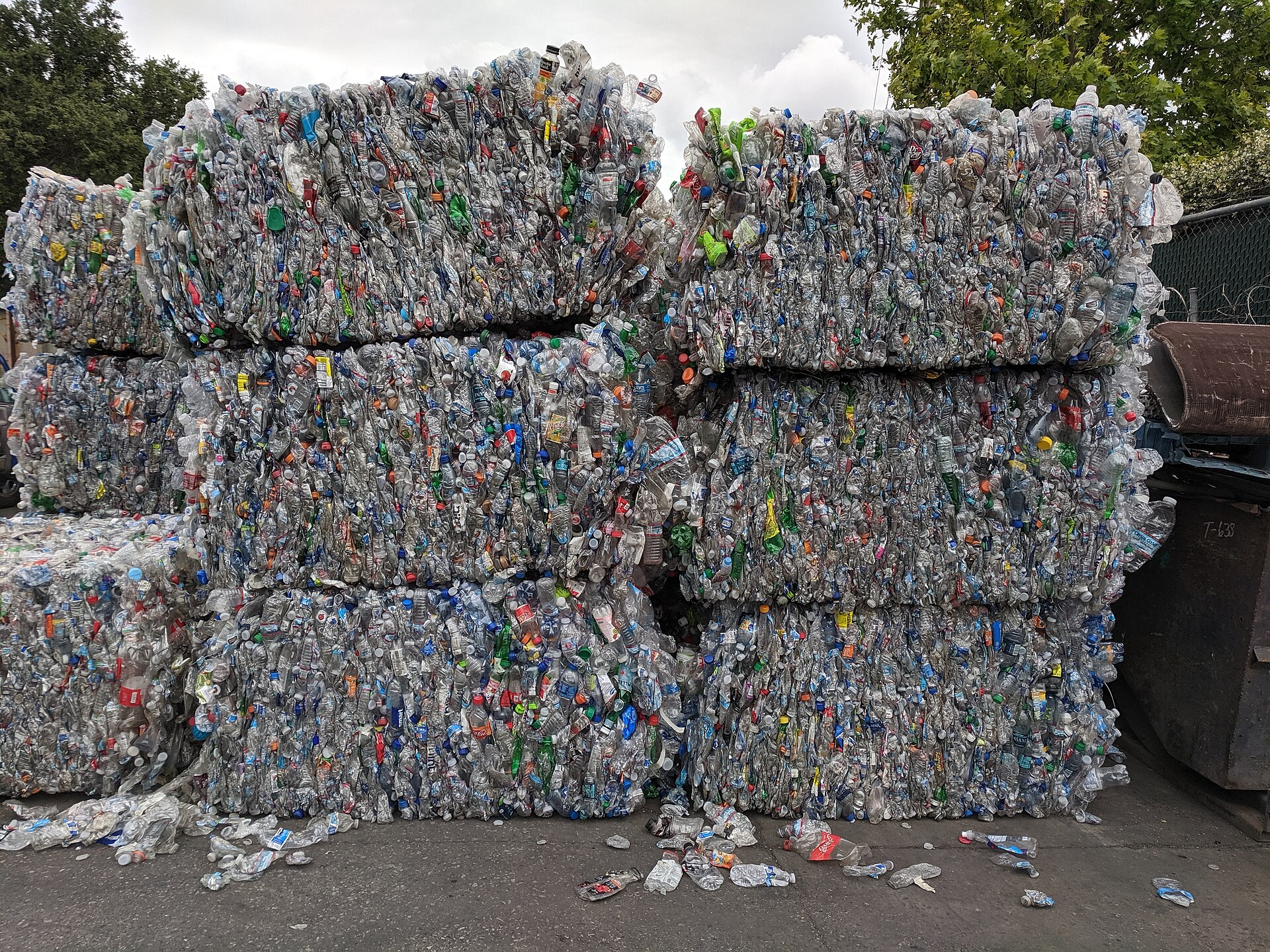
Closures and underutilisation expose the gap between making an oil and running a profitable plastic-to-plastic system.
Fast depolymerisation is not the same as fast textile recycling; sorting, purification and future plant operation determine the result.
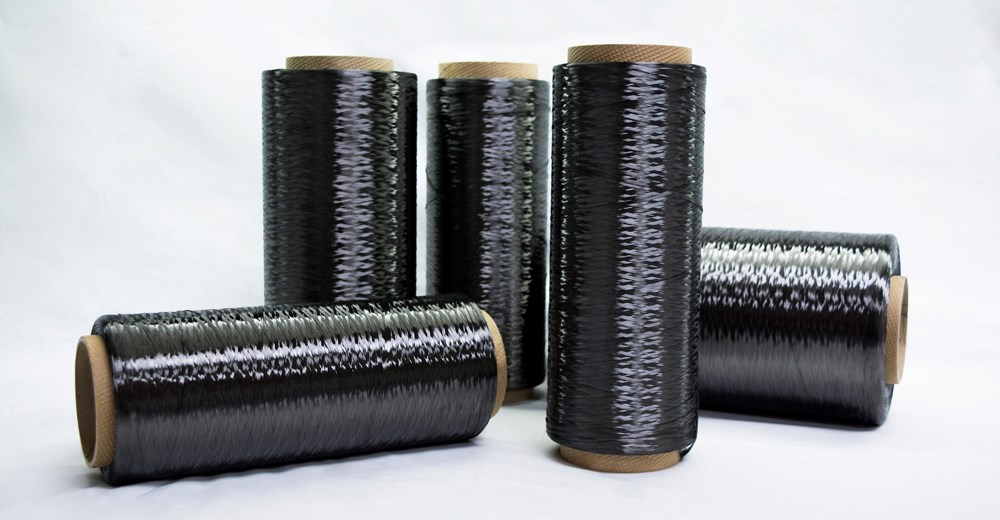
Chemical resin removal can protect fibre quality, but short-fibre products and structural composites answer different engineering questions.
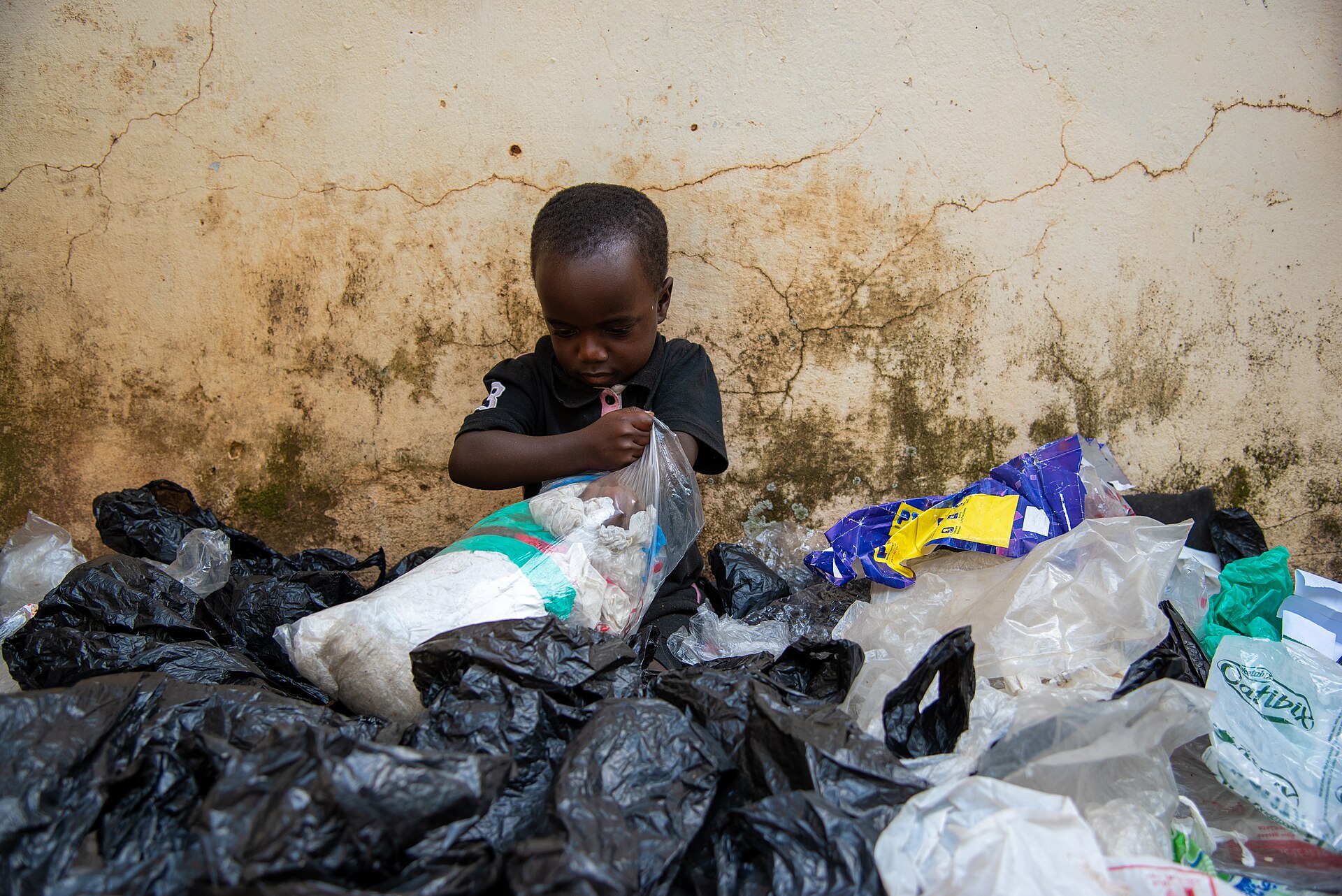
ORNL cracks polyethylene into gasoline-range fuel below 200°C using cheap aluminium-chloride salts. Clever chemistry — but lab-scale, polyethylene-only, and still a route to burning plastic.
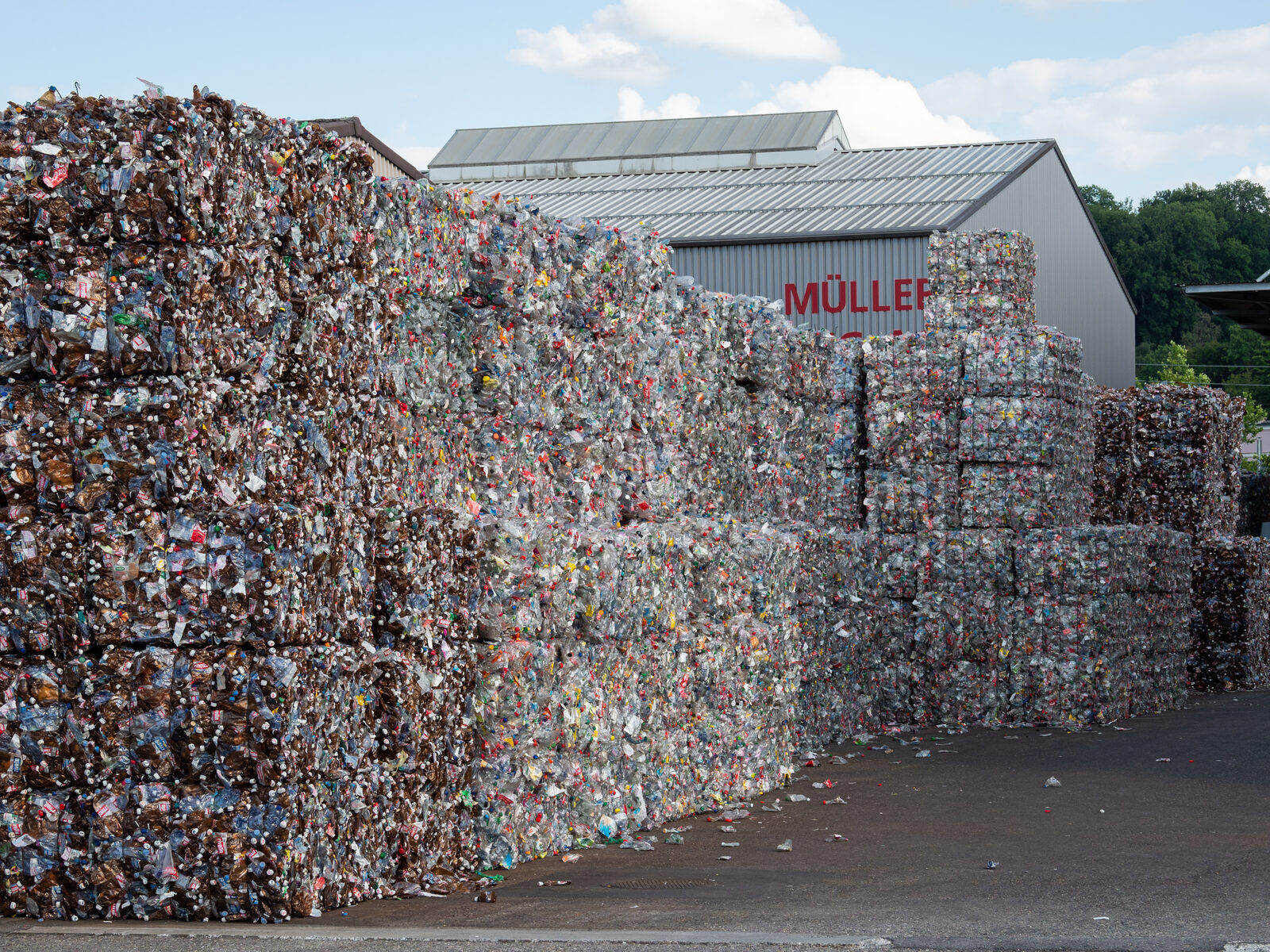
Meta will buy environmental attribute credits from MacroCycle's solvent-based PET recycling. The chemistry is novel. The plant does not exist yet, and Meta is not buying any recycled material.
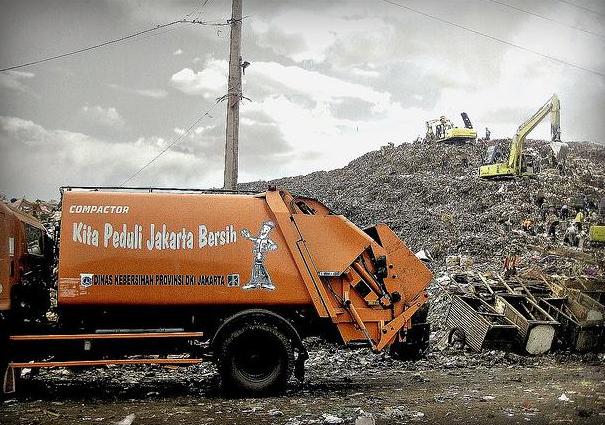
BRIN is assembling AI sorting, gasification, plastic-to-nanotube conversion at 1,600 °C and calcium looping into one pipeline. Here is the chemistry of each stage and how much of it exists.
A semiconductor catches light, a cobalt–zirconium catalyst makes hydrogen, and dissolved plastic supplies the electrons. The first outdoor square-metre test works — modestly.
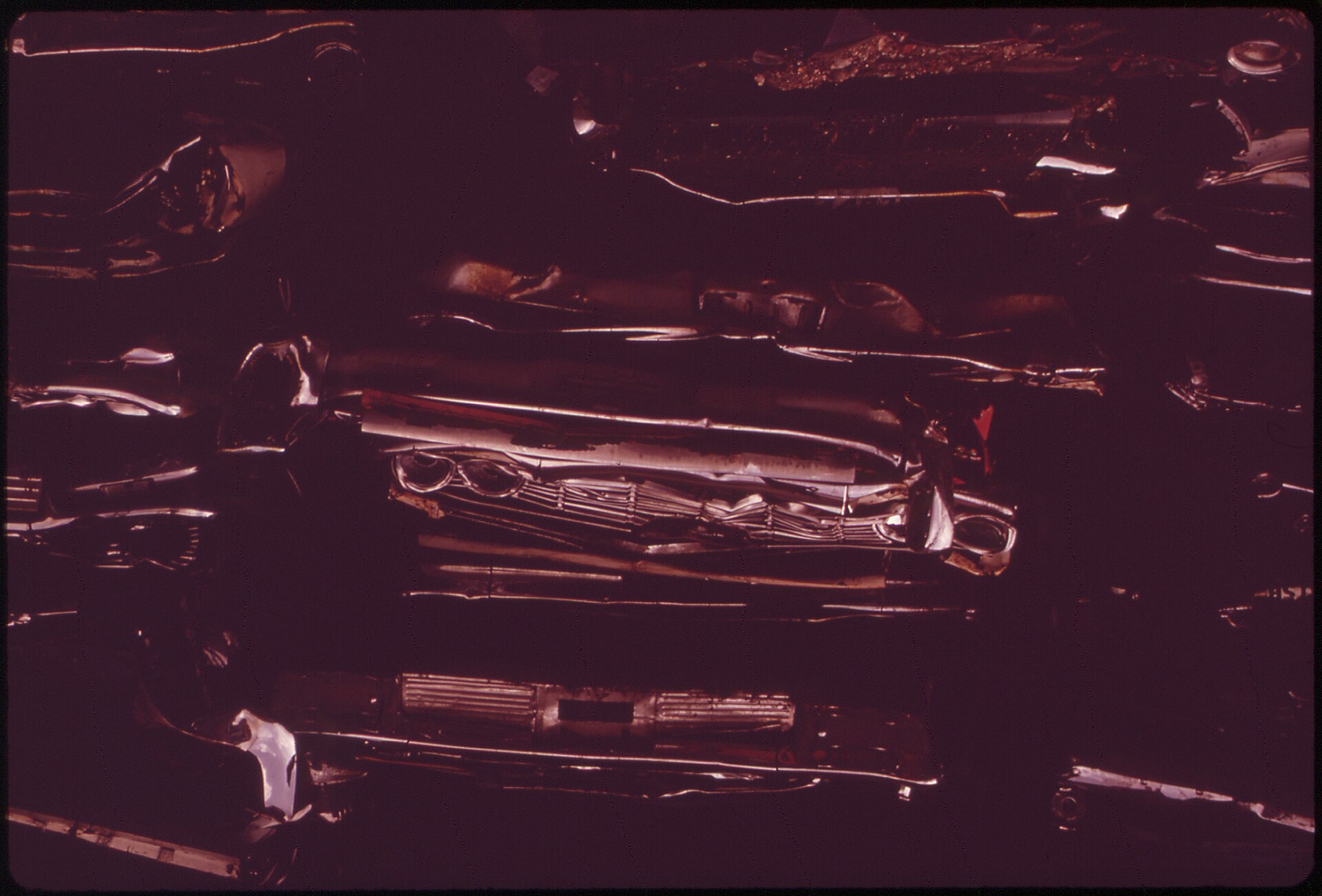
The End-of-Life Vehicles Regulation mandates 15% recycled plastic from 2032 and 25% from 2036. To see why that is difficult, follow a car through the shredder.
The French startup claims +45% yield, −60% energy and −45% cost by heating a catalyst with induction to turn plastic waste into olefins. Every figure is self-reported, and none has a baseline.

White-rot fungi evolved to digest wood. The same enzymes attack dyes, oil and some plastics, and their cell walls soak up heavy metals. A 2026 review maps what works — and where the evidence runs thin.
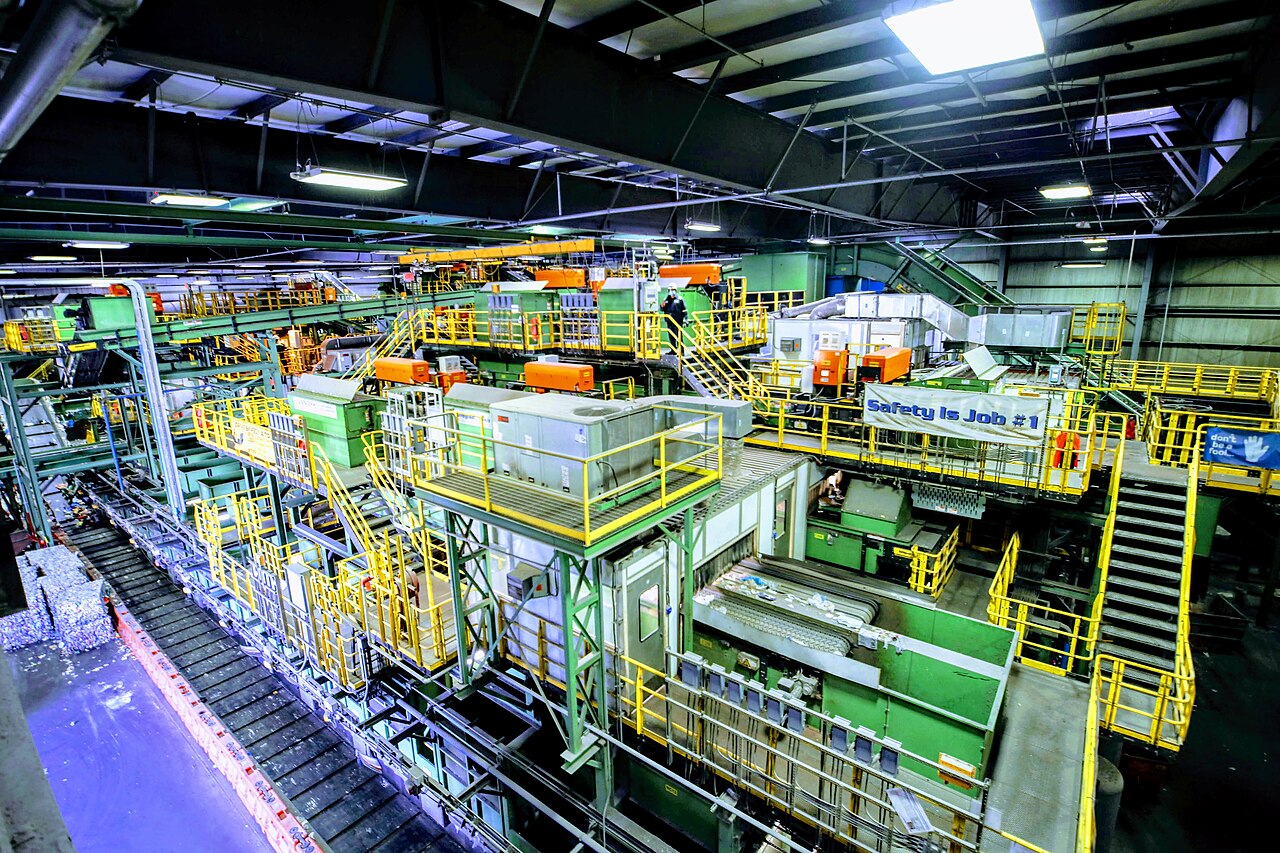
Cartons up 61%, mixed paper down 34%, plastics now outweigh paper in U.S. recycling. The new report is the best picture of the bin we have — and says almost nothing about what to do.
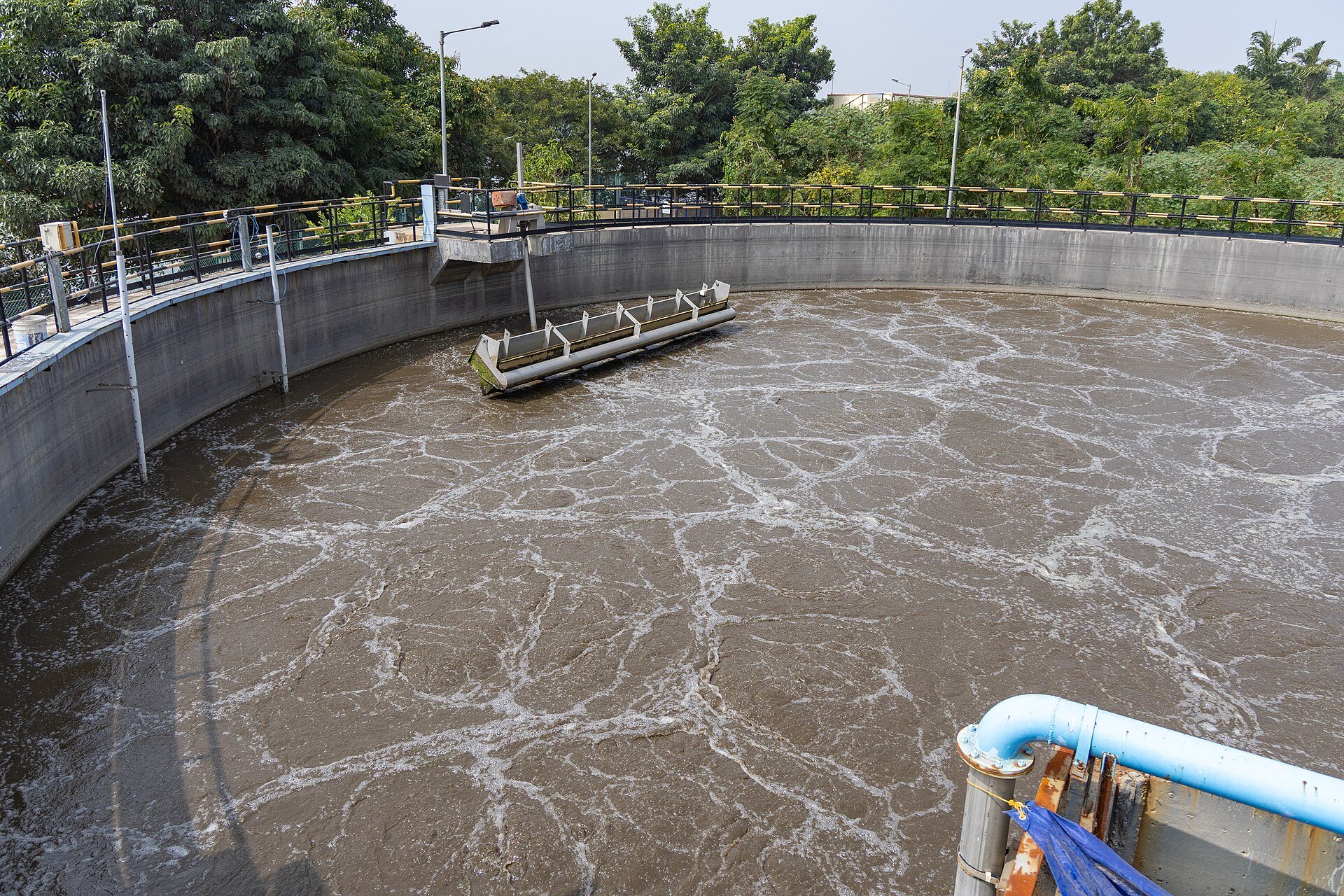
RMIT researchers upgraded a 1960s treatment step — dissolved air flotation — by pairing microbubbles with nanobubbles. Lab results top 90% microplastic removal. Here is the mechanism and the caveats.
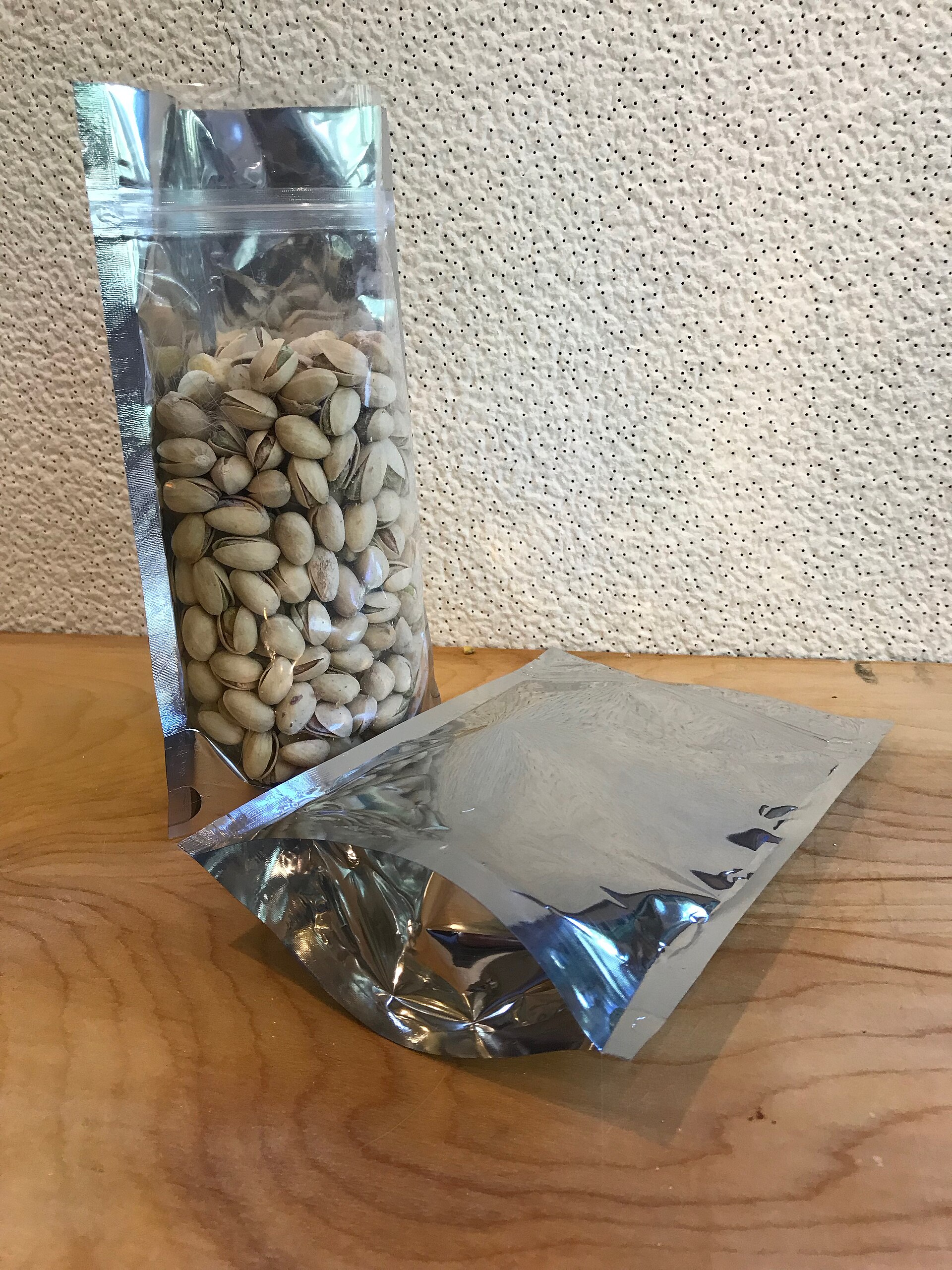
A PBAT and PLA blend with TUV OK Compost Home certification. The disintegration is tested. The barrier performance and the microplastic question are not.

The first carpet EPR programme in the US now runs 174 drop-off sites and recycles 78.5 million pounds a year. It is also a lesson in how slowly EPR moves.
pDCPD is a cross-linked thermoset with no recycling route. A ruthenium catalyst and a stirred solvent take it apart - and leave the carbon fibre intact.
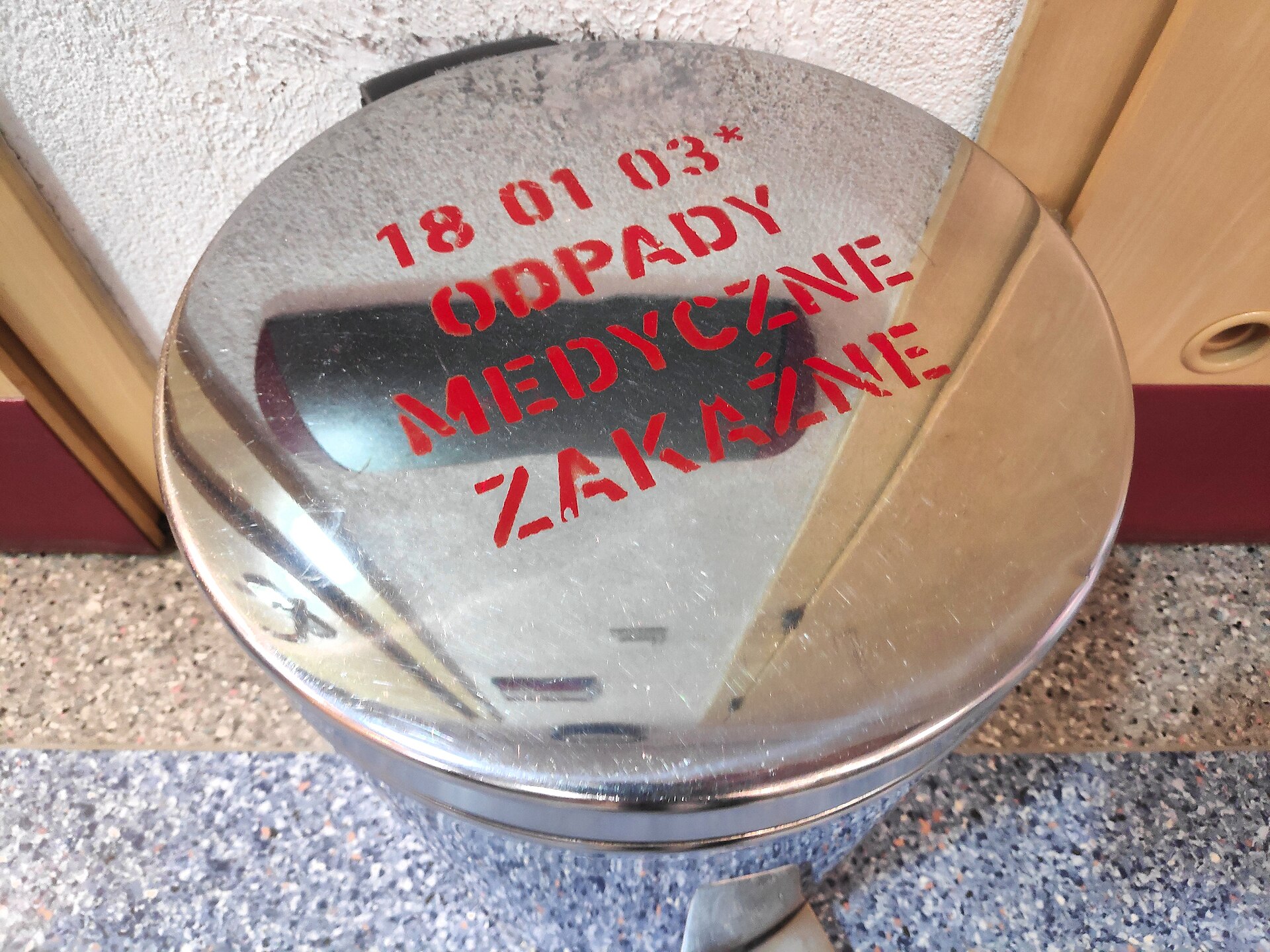
On-site shredding and disinfection that turns regulated medical waste into recyclable polymer flake. The disinfection is certified. Most of the headline numbers are not.
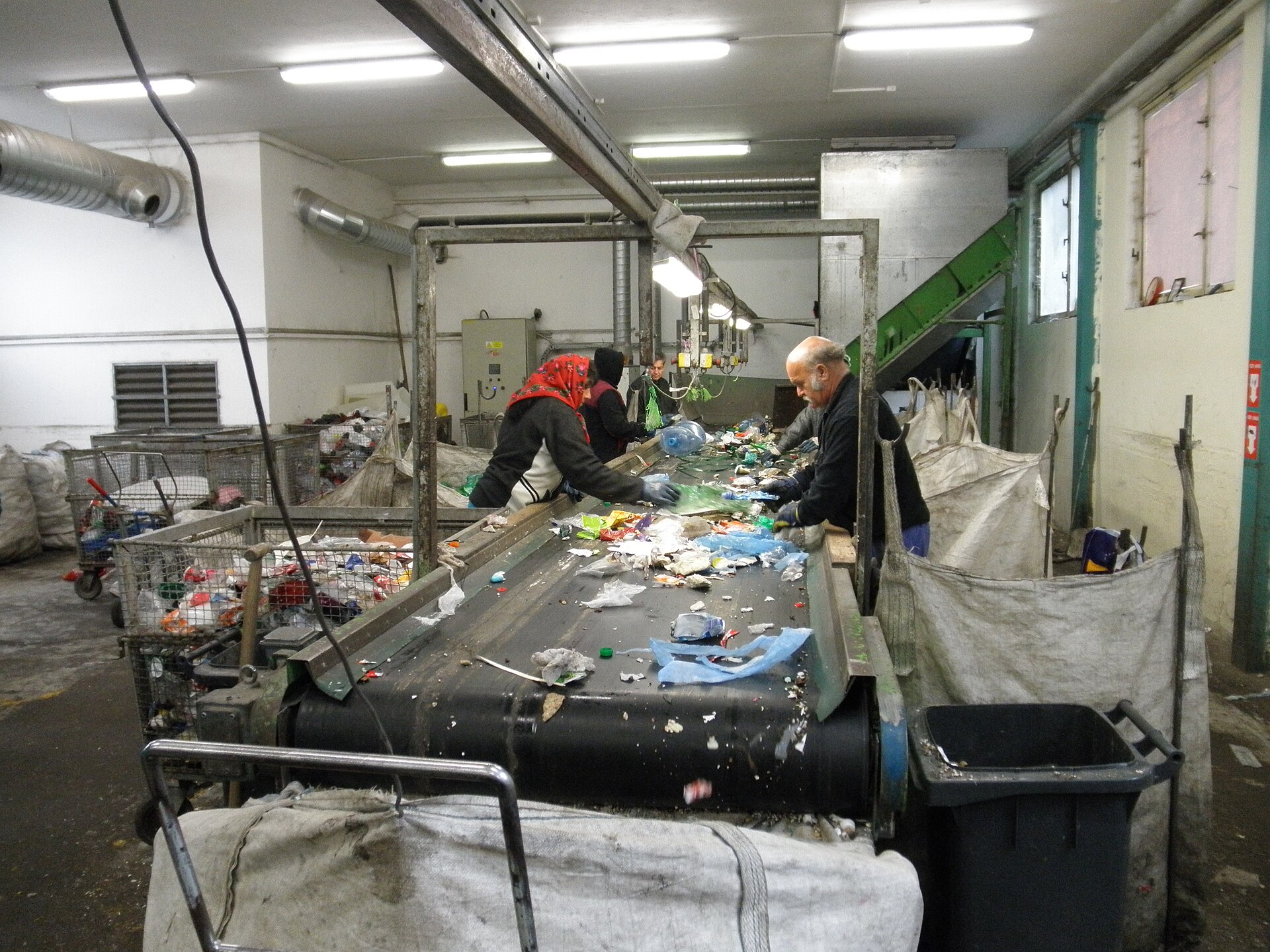
Near-infrared sorters are blind to black plastic and confused by multilayer film. Terahertz sensing sees through both. The physics is real; the belt speed and the detector price are not there yet.
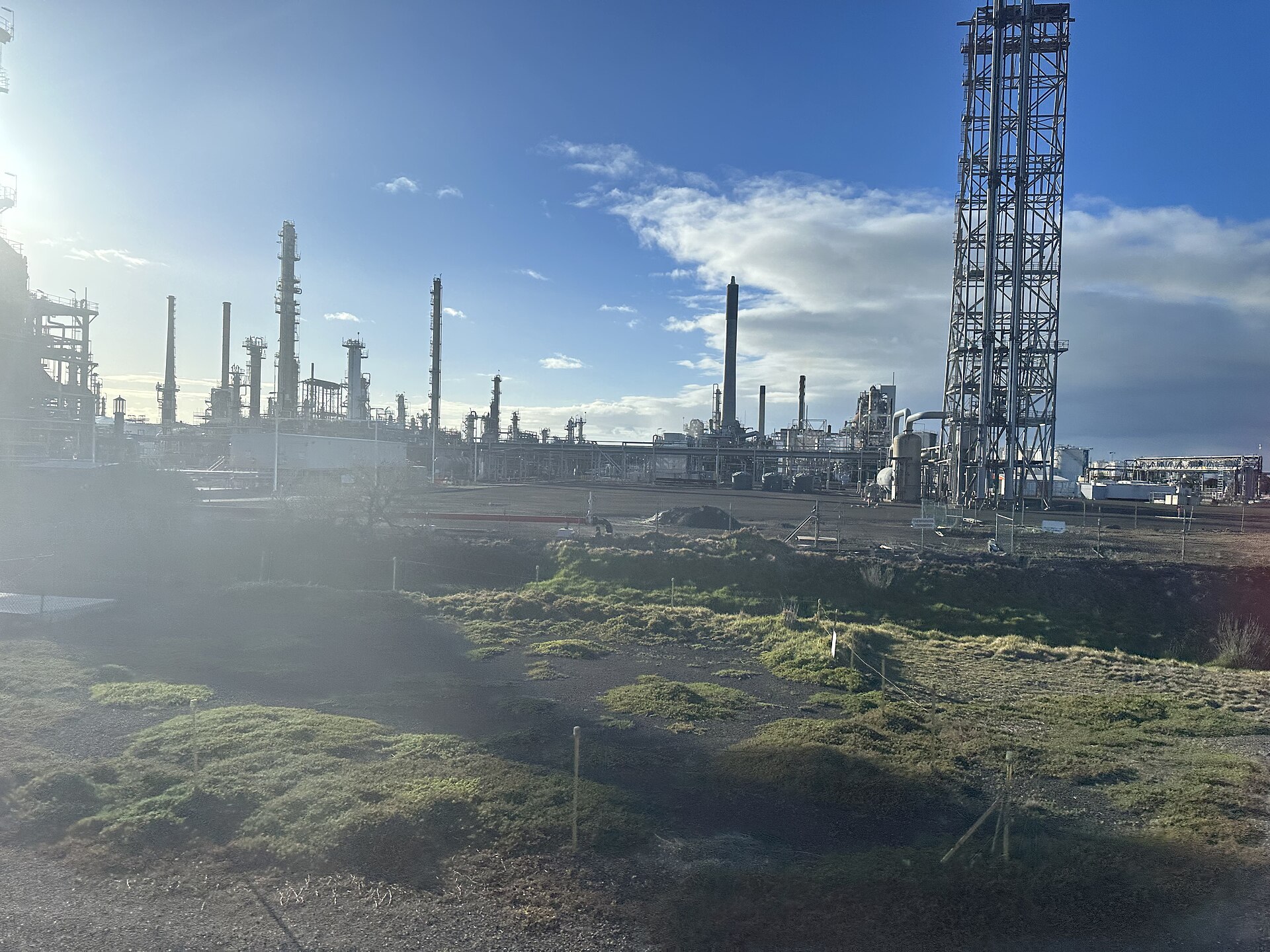
Aduro says its water-based chemistry converts waste plastic and heavy oil at lower temperatures than pyrolysis. Even if that holds, the output is still a feedstock that a refinery has to finish.
Chemical recycling of PET normally means a stirred tank and several hours. Kirin and JSW have moved the reaction into a continuous extruder. If the numbers hold, the interesting part is throughput per unit of capital.
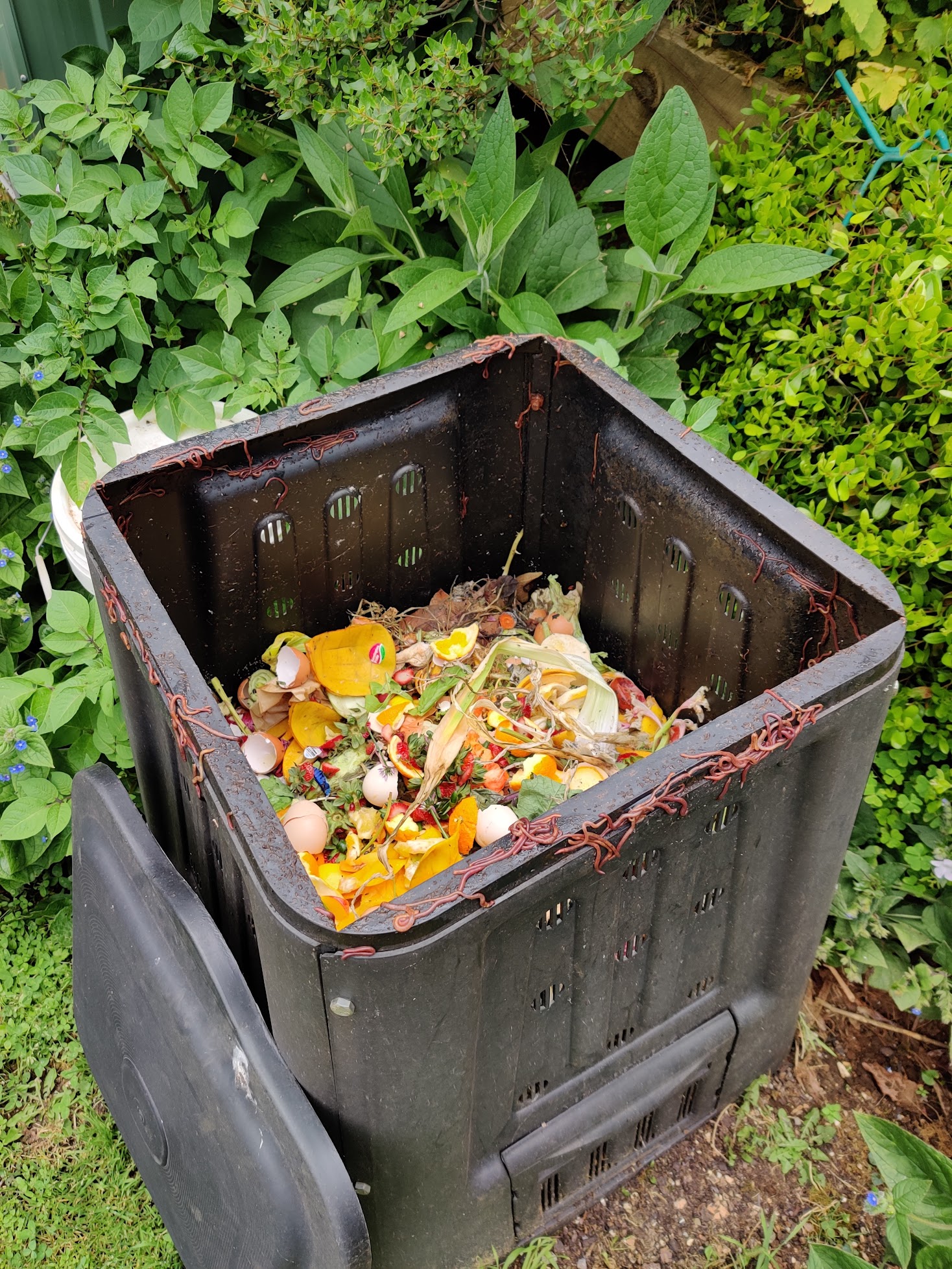
Certified compostable packaging is engineered to break down in a hot industrial windrow. Put it in a garden bin, a recycling bin or a landfill and it behaves like ordinary plastic — because in those conditions, it is.
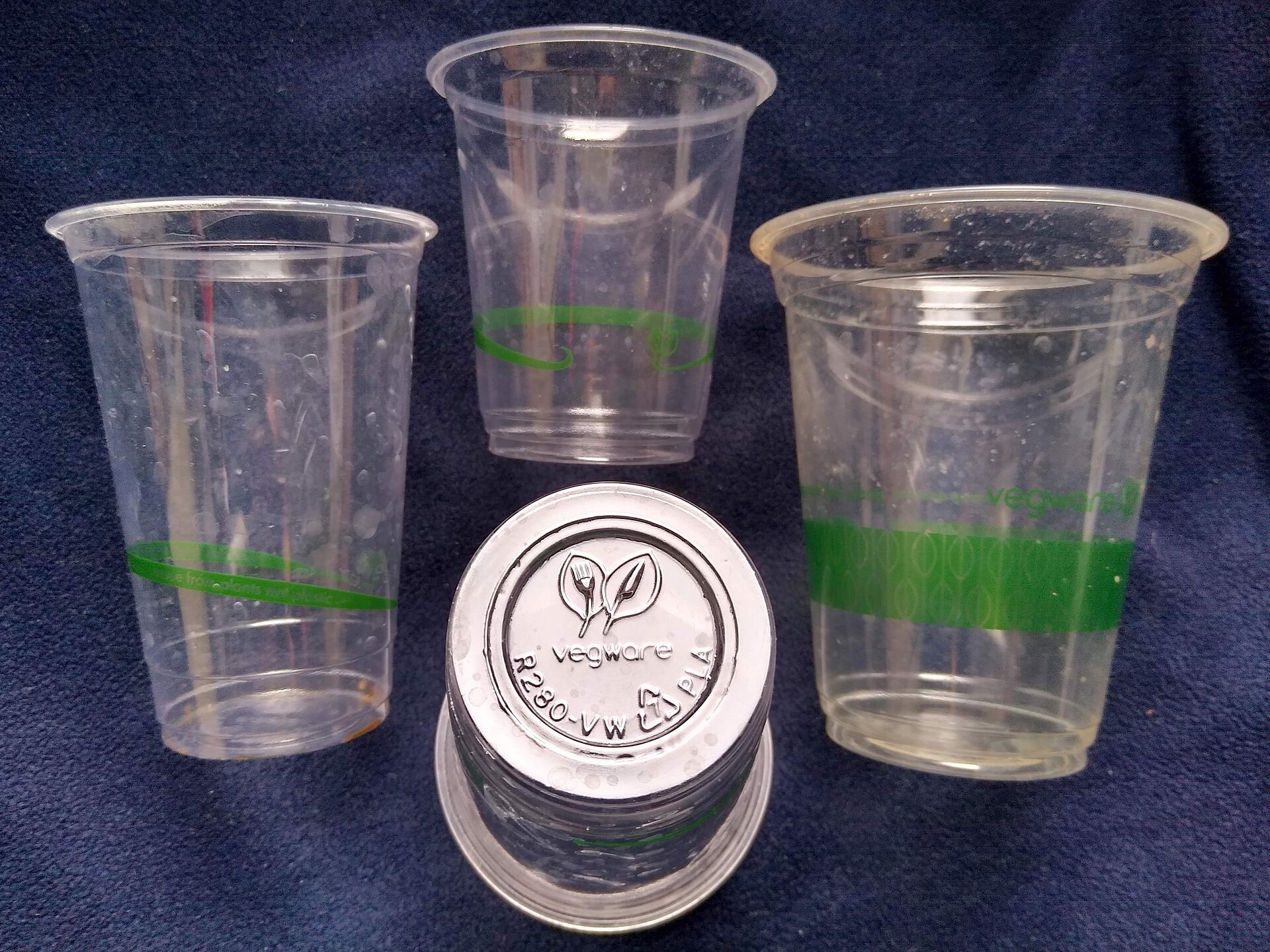
An EU project says it has closed the loop on PLA — sorting, depolymerising and repolymerising bioplastic back to virgin-grade. The chemistry is sound. The numbers that decide whether it matters are missing.
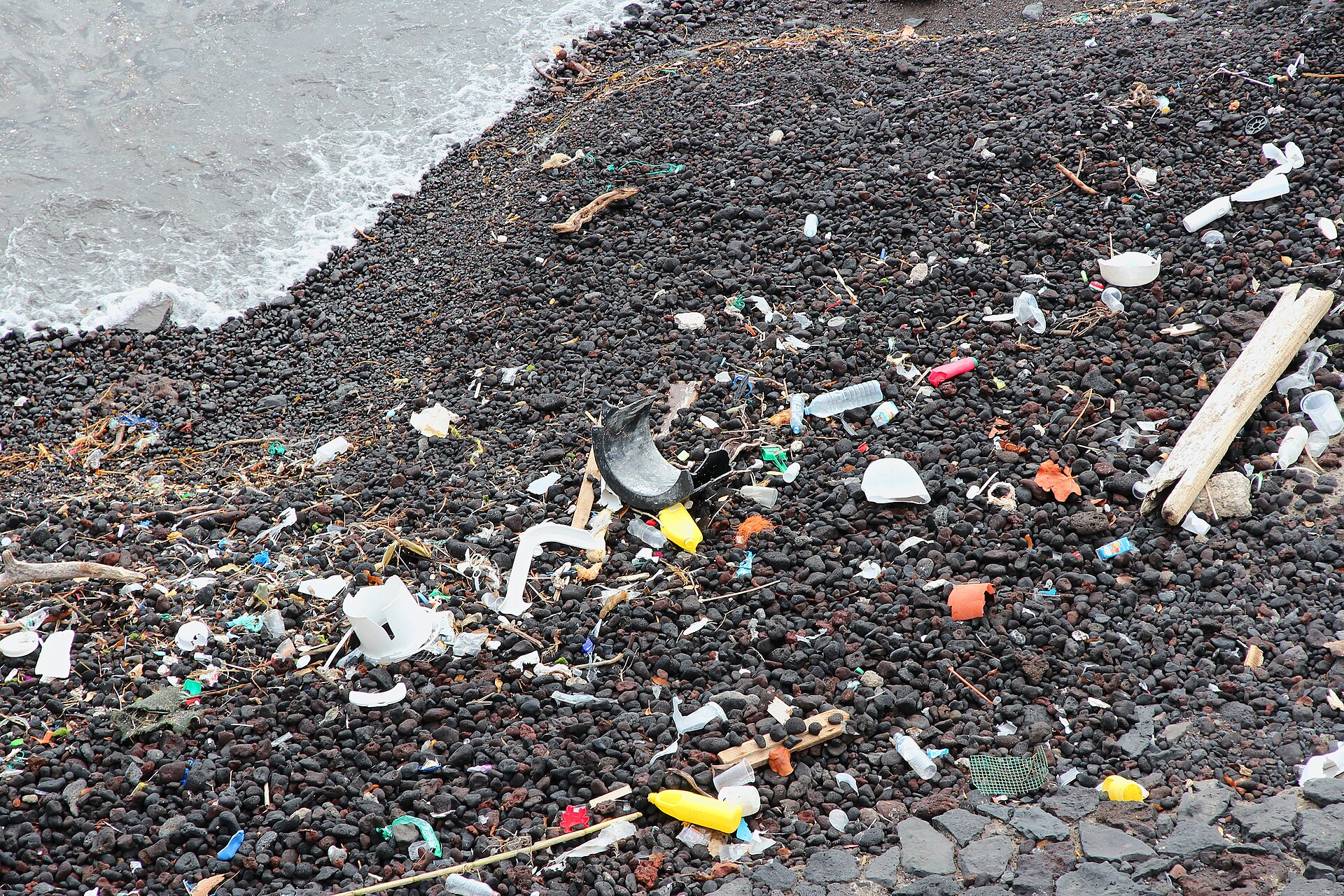
The removal figure is real and independently plausible. Set against annual plastic inflow to the ocean, it represents a small fraction of a single year — and the river interceptors are the part of the programme that actually scales.
Chemical depolymerisation of nylon 6 back to caprolactam is proven chemistry with decades of industrial history. The constraint has always been that most nylon in the world is blended into textiles that cannot be separated.
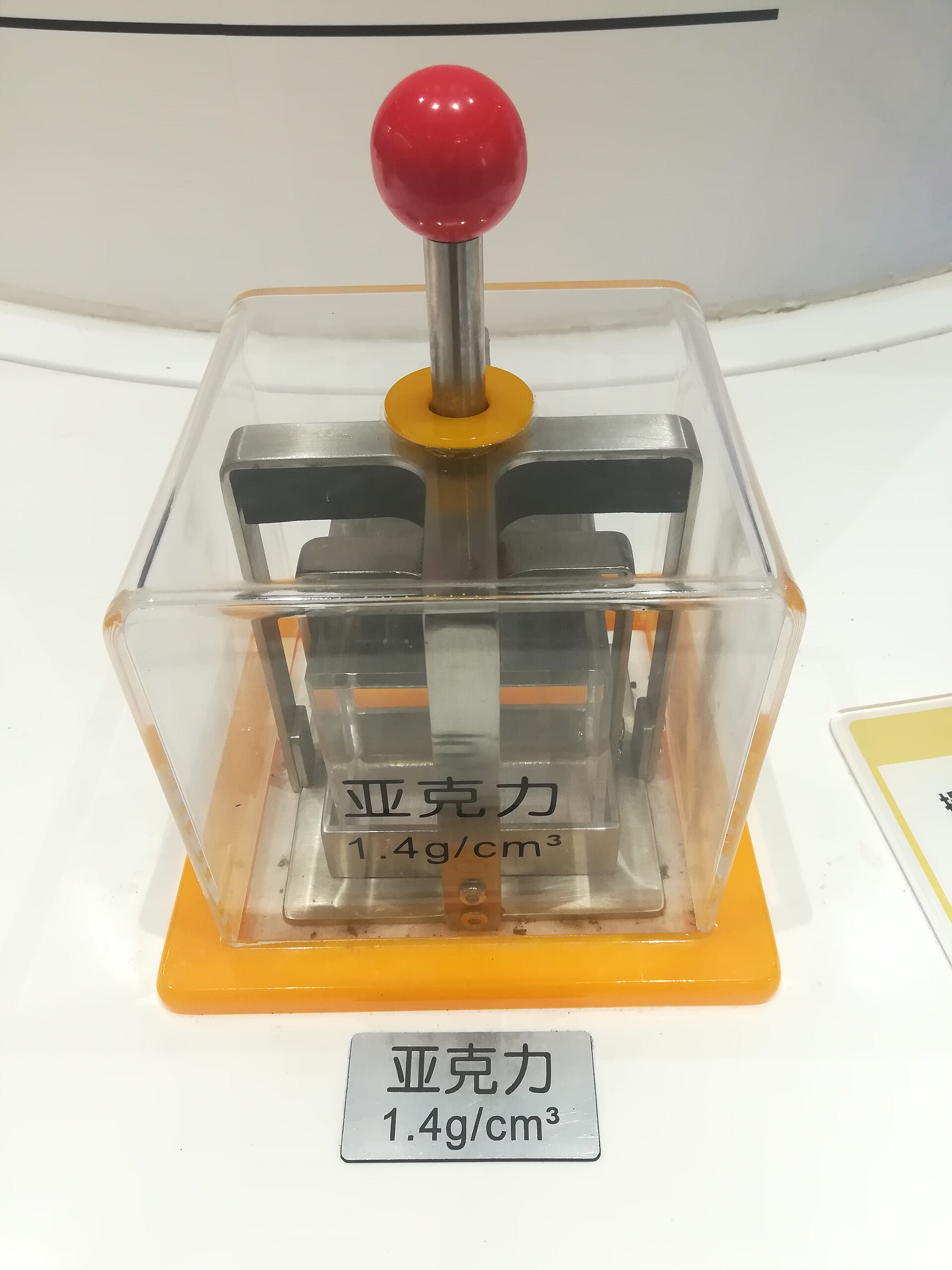
PMMA depolymerises back to its own monomer at high yield with nothing more exotic than heat. It is the clearest existing example of true chemical recycling — and the reason it stays rare is collection, not chemistry.
A soil-derived enzyme called LCPH1 breaks down long-chain polyester bioplastics and cleaves the penicillin beta-lactam ring. It is much better at the second job than the first, which is the detail worth sitting with.
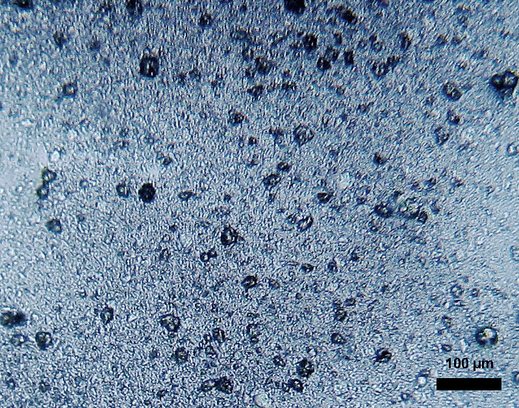
A magnetically driven MXene microrobot removes most microplastic particles from water and rather less from soil. The recovery figures are real; the retrieval and leaching questions are the ones that decide whether it ever leaves the lab.
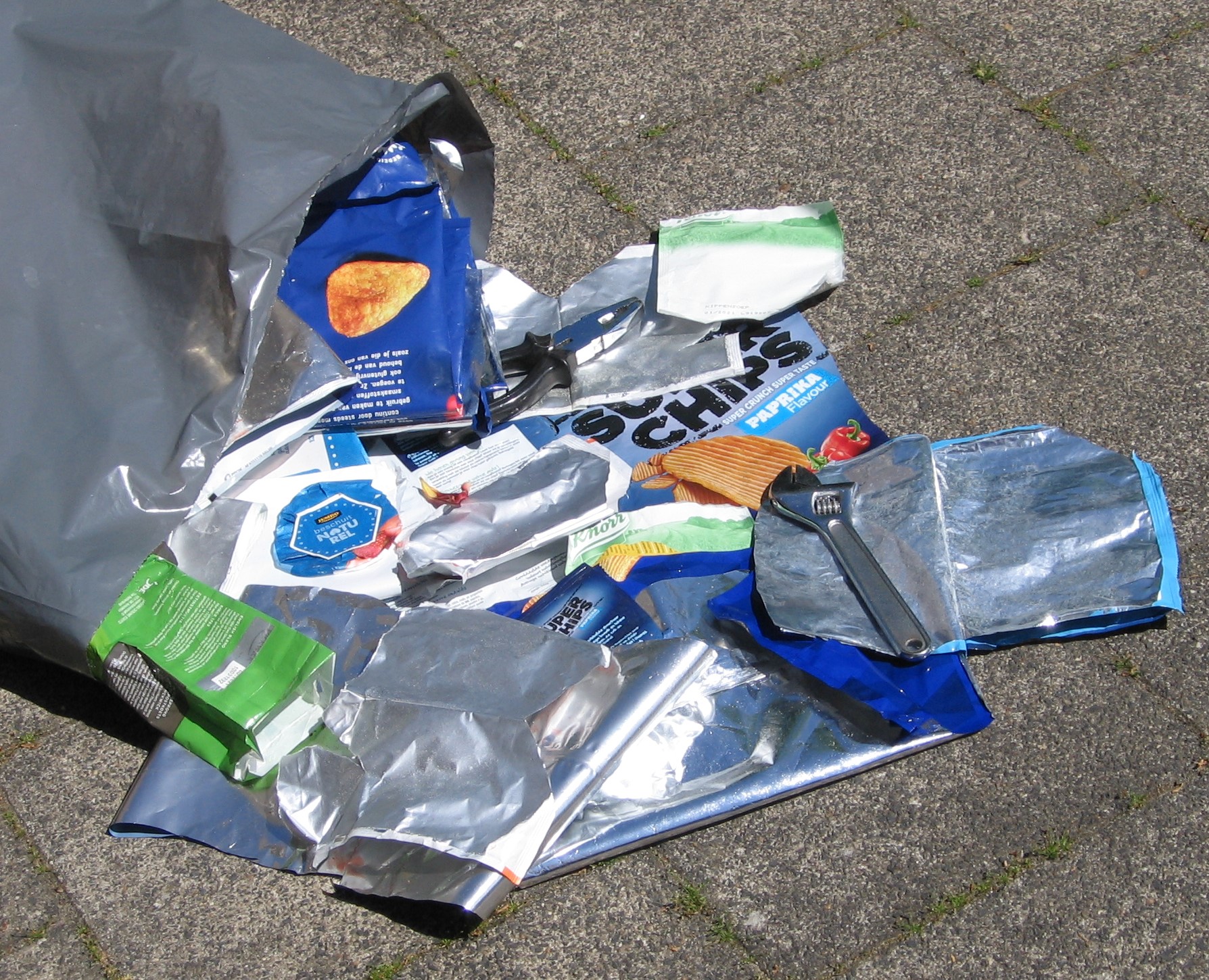
Flexible film and black plastic defeat the two technologies a modern sorting plant relies on. A Finnish process uses density and water instead — and a 50,000-tonne plant is being built around it.
Conventional PET recycling wants clean, clear, single-stream bottles. Oak Ridge built a catalyst-free route that takes the contaminated stuff and splits it into two high-value materials instead of low-grade flake.
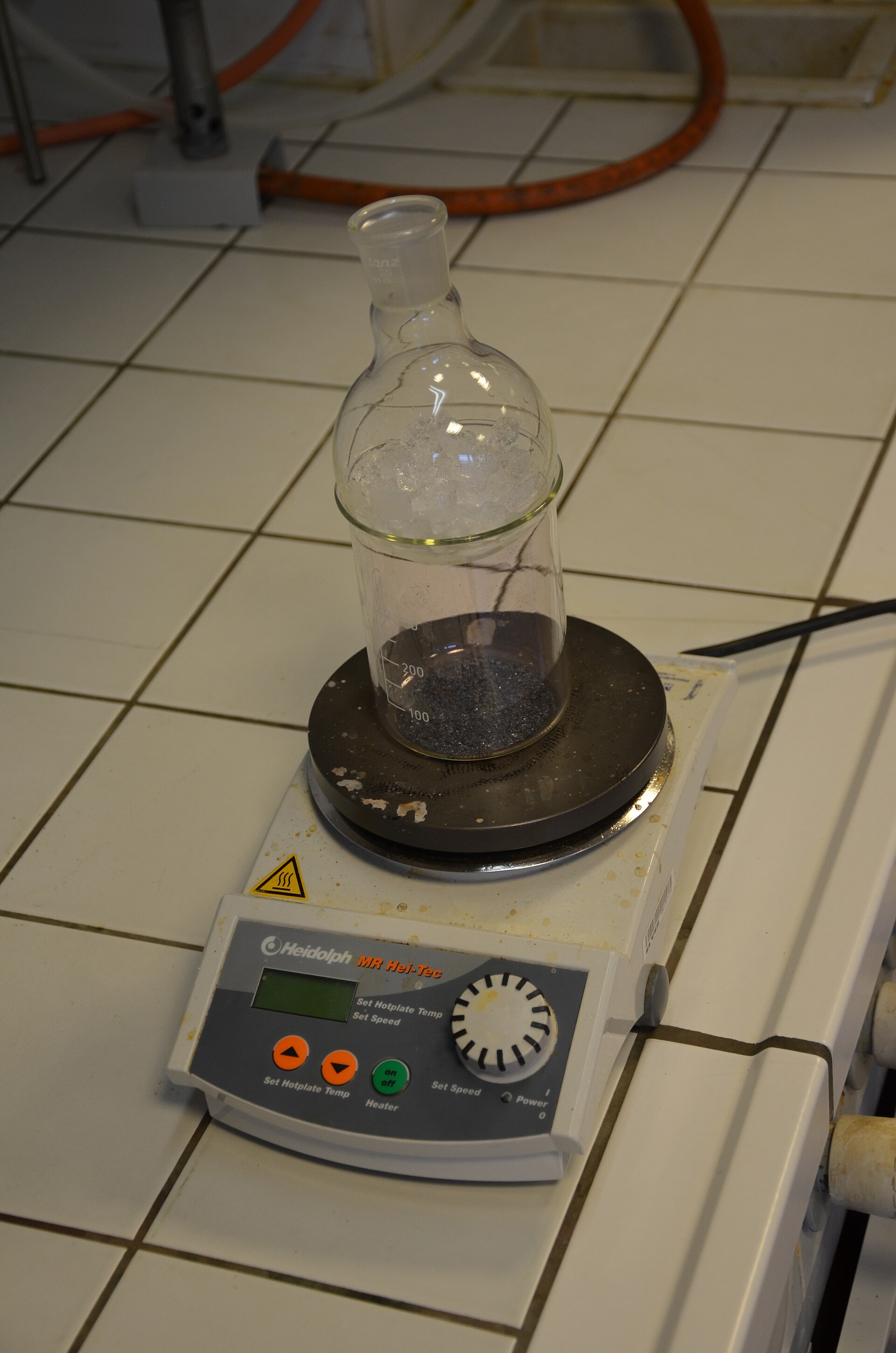
A Surrey team made a polyethylene-like polymer that turns to vapour at around 90 °C and condenses back into the same solid. The mechanism is elegant. The distance between it and a recycling system is the whole story.

Engineered E. coli grown on radish-trimming hydrolysate accumulated poly(3-hydroxybutyrate) to 75.6% of dry cell weight. That is a real fermentation result. It is not yet a material, a plant, or a lower-impact life cycle.
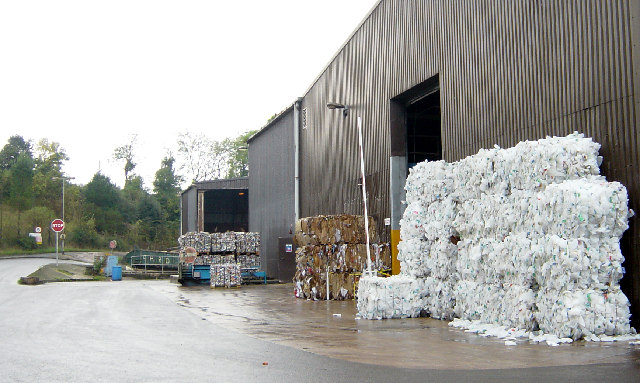
Covestro is backing BioBTX to build a commercial plant in Delfzijl that turns hard-to-recycle plastic into benzene, toluene and xylene. The chemistry is straightforward. The evidence is a construction schedule.
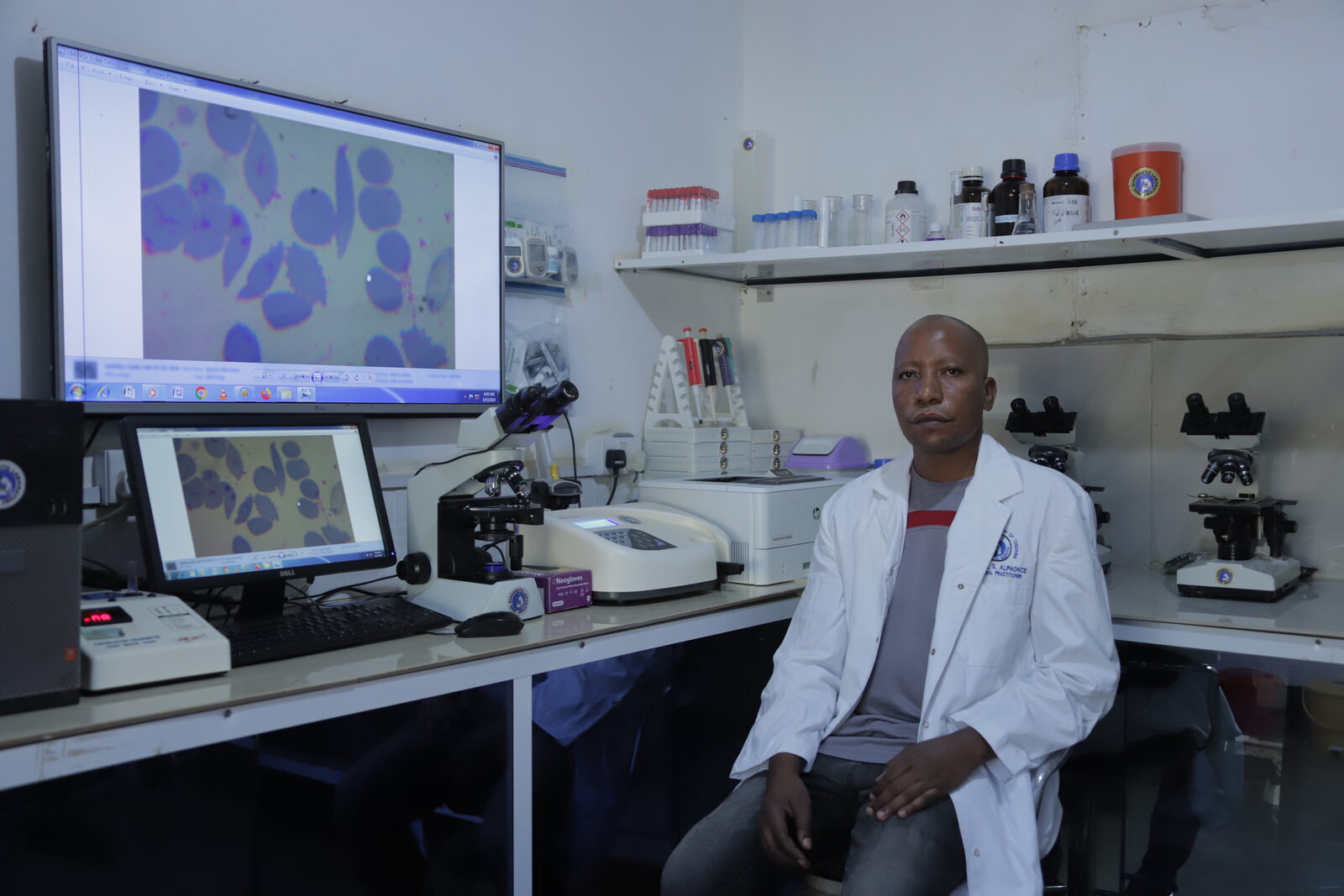
Laboratory plastic is regulated waste before it is a material. A new on-site system shreds, disinfects and dewaters it where it is generated, so what leaves the building is polymer flake rather than a hazard consignment. The step from flake to product is the one still missing.
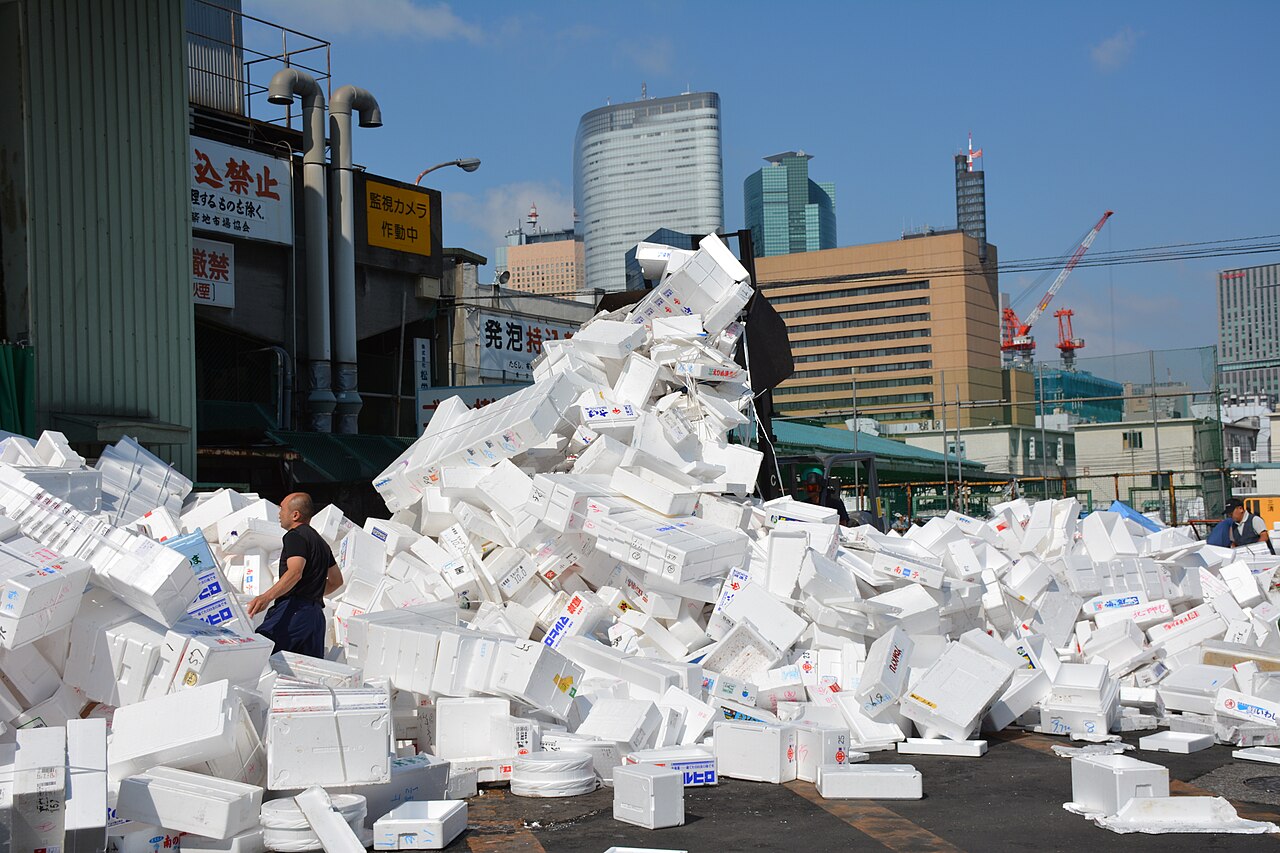
On 19 August the U.S. Plastics Pact removed expanded-polystyrene transport packaging from its Problematic and Unnecessary Materials list, citing a recycling rate above 30%. That is a real result on a narrow slice of foam — and it is not permission to put your foam cup in the recycling bin.

Carbon-fibre epoxy composites are among the hardest materials to recycle, because the resin will not melt back. A team at NUS skips fibre recovery entirely and turns the whole waste stream — fibre and epoxy together — into a freeze-dried porous block.
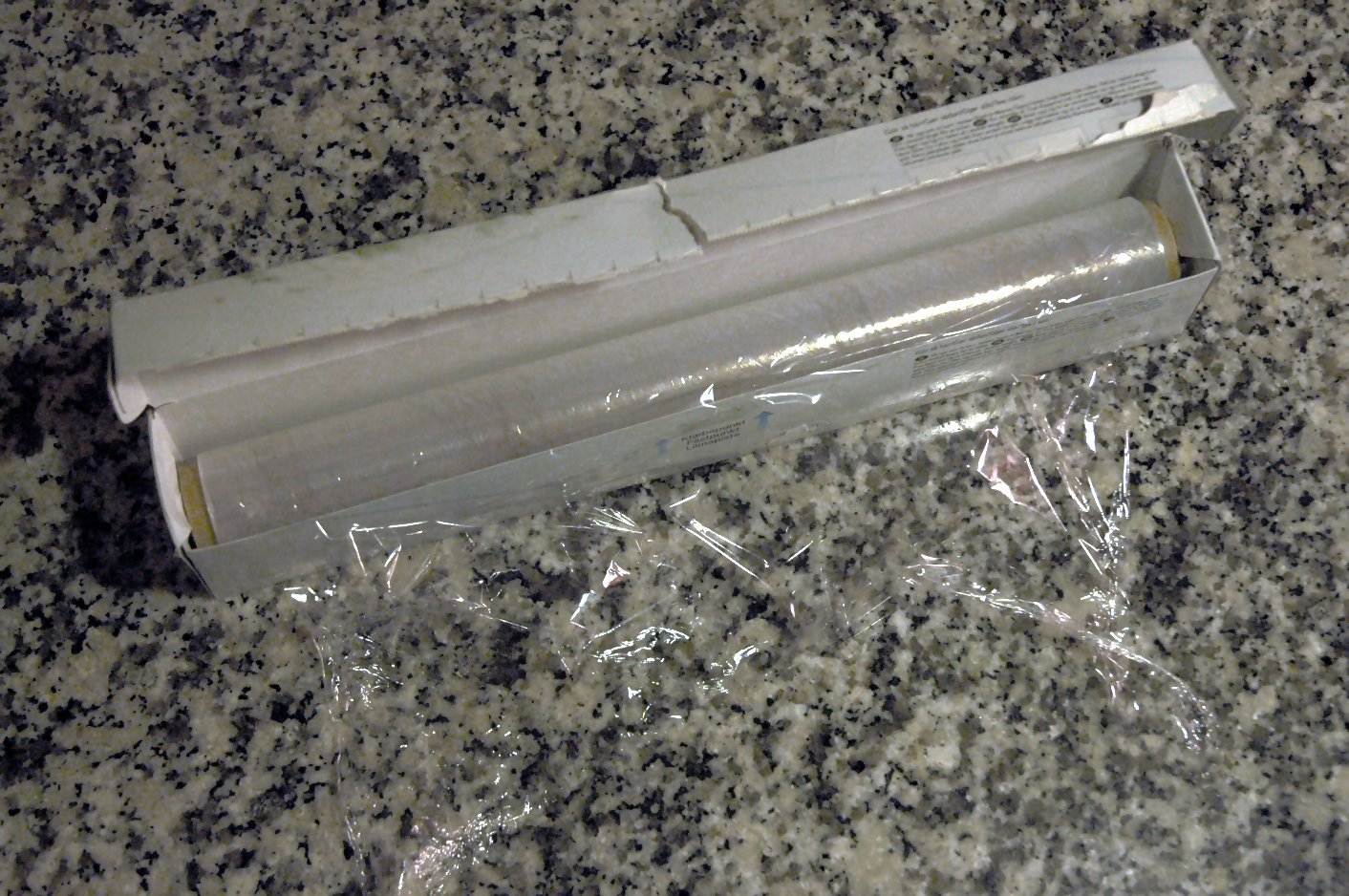
Bags, wraps and mailers are plastic, carry resin codes, and look recyclable. They are also one of the most reliable ways to shut down a sorting line.
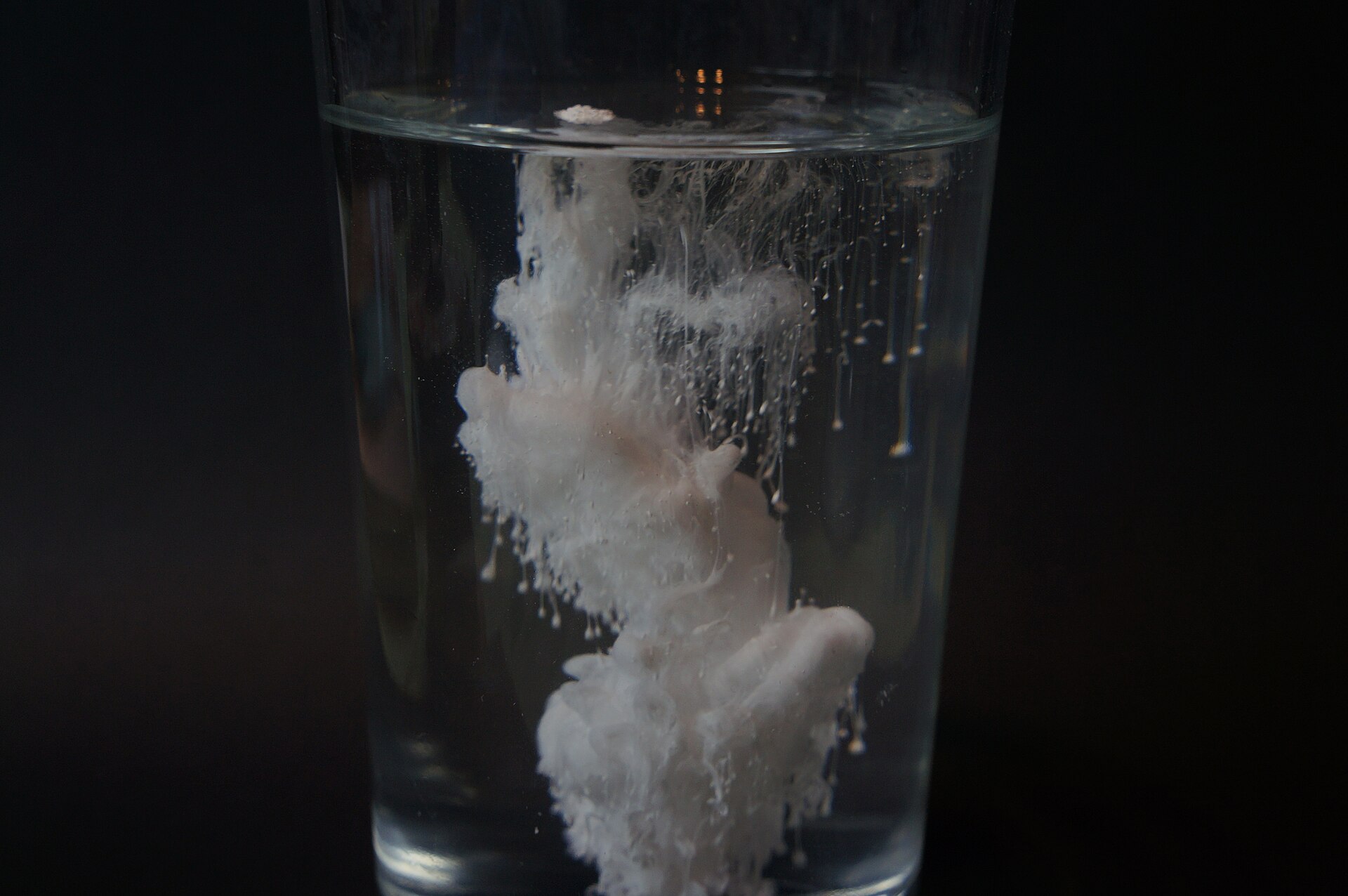
Photocatalysis usually arrives as a powder you then have to fish back out of the water. Fixing the catalyst to a resin bed turns it into something closer to a treatment step: water in one end, oxidised organics out the other.
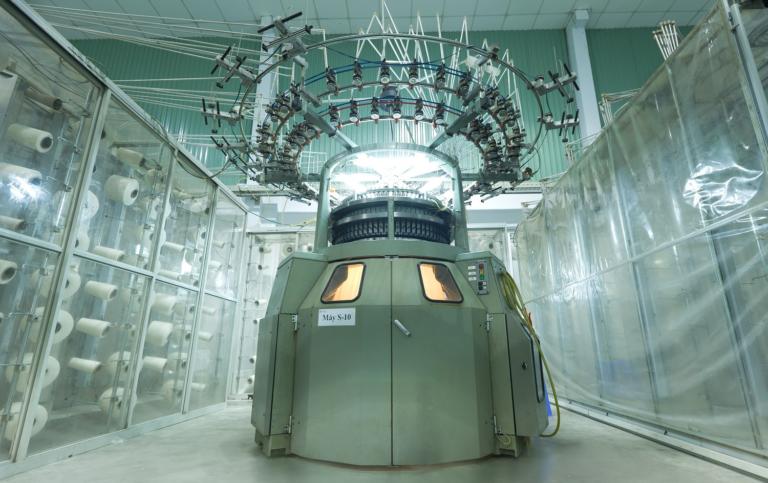
A polyethylene core-sheath yarn that stretches like PET-spandex and survives ten melt-and-respin cycles. The material result is real. The gap between a recyclable yarn and a recyclable garment is where almost all of the difficulty still sits.
Metals and glass survive remelting largely intact. Polymers do not. Every mechanical loop shortens chains, and the recycling symbol says nothing about how many loops a package will realistically get.
A Ministry of the Environment-commissioned demonstration puts nine Japanese companies on a shared platform to delaminate and deink flexible packaging. It is a genuinely interesting infrastructure model. It is not yet proof of scale.
Nine and a half tonnes of pyrolysis oil, five tonnes of resin, seven million wrappers. A real supply chain ran end to end - and almost none of the numbers that would prove it works were published.
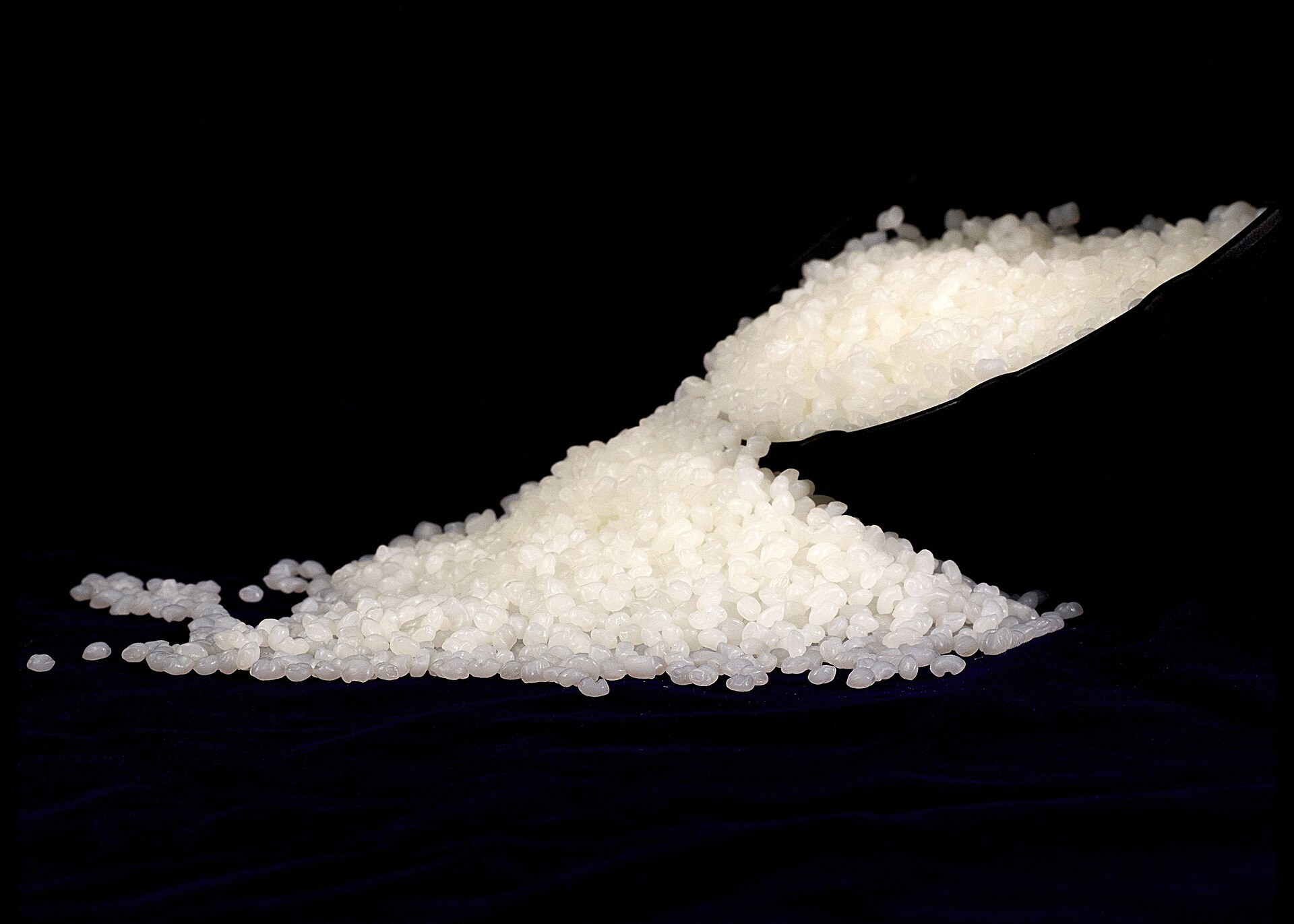
Q2 brought first branded resin deliveries, seven customer conversions and 173% revenue growth. It also brought a $142m net loss. A look at what advanced recycling has actually demonstrated, and what remains a forecast.
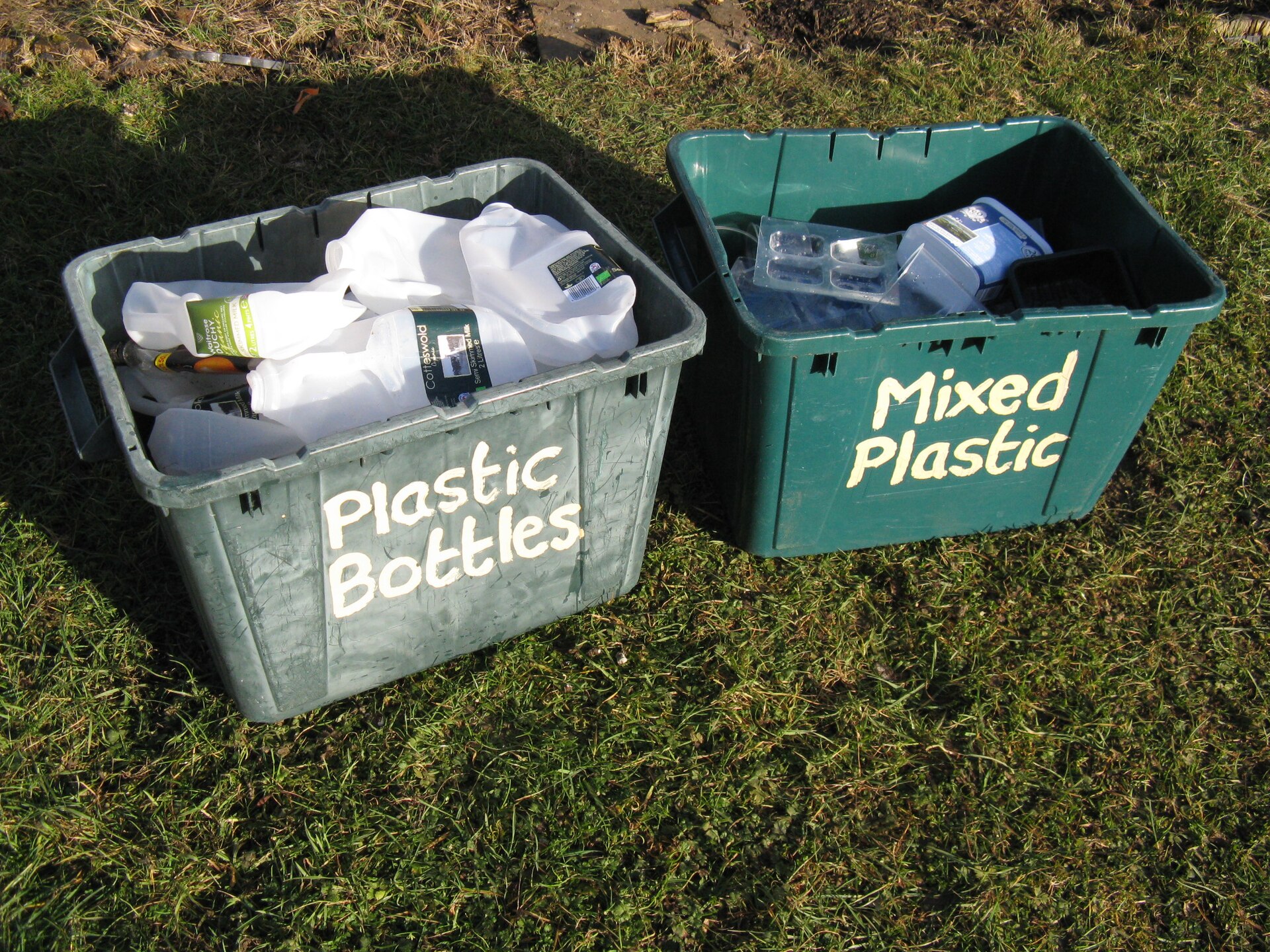
The chasing arrows around a 1, 2 or 5 identify the resin. They say nothing about whether your hauler collects it, whether the sorter can capture it, or whether anyone will buy it.
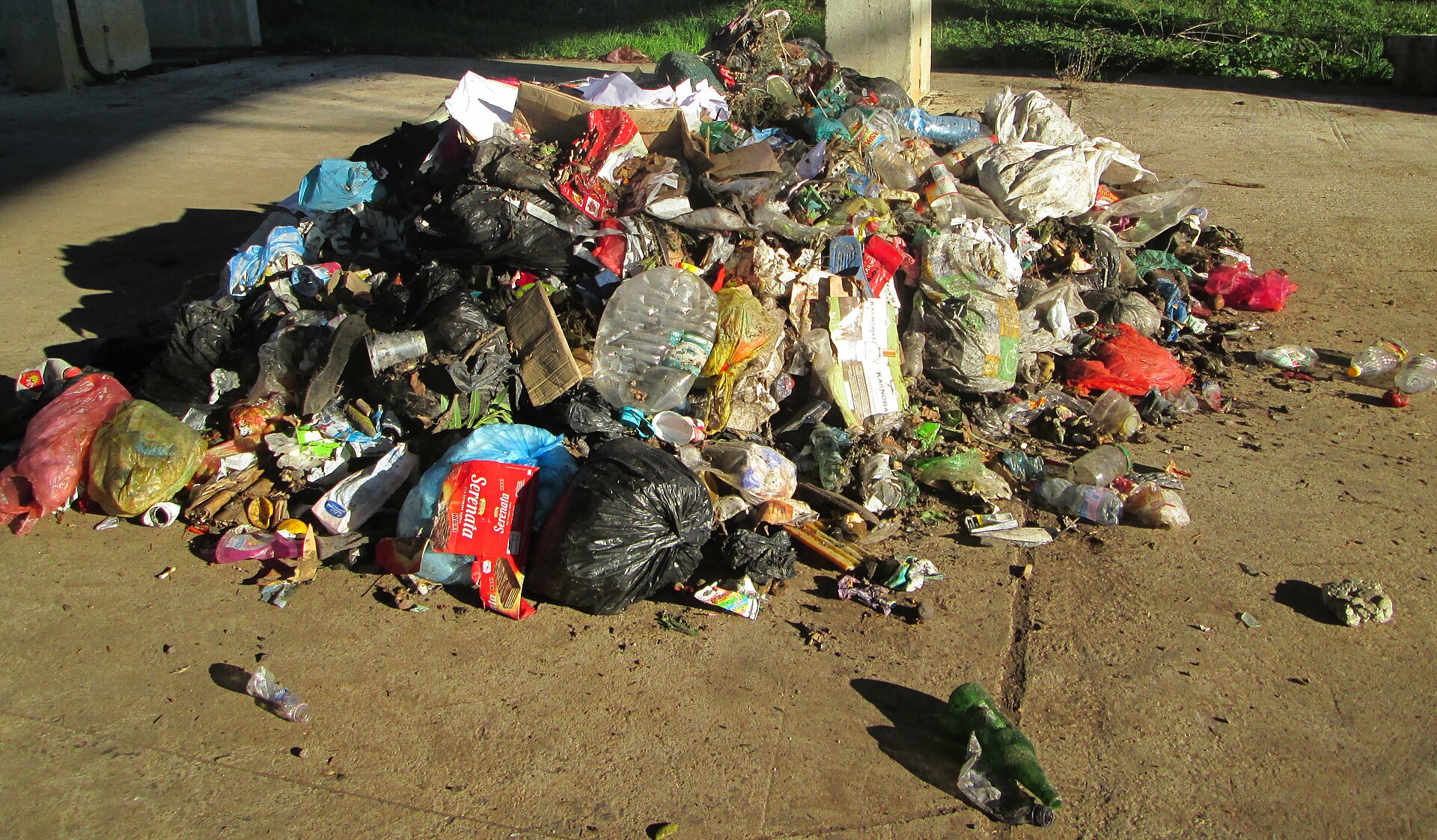
The chemistry is real. The label is doing a lot of work. If the outputs are hydrogen gas and mineral carbonate, no plastic has been recycled — something else has happened.
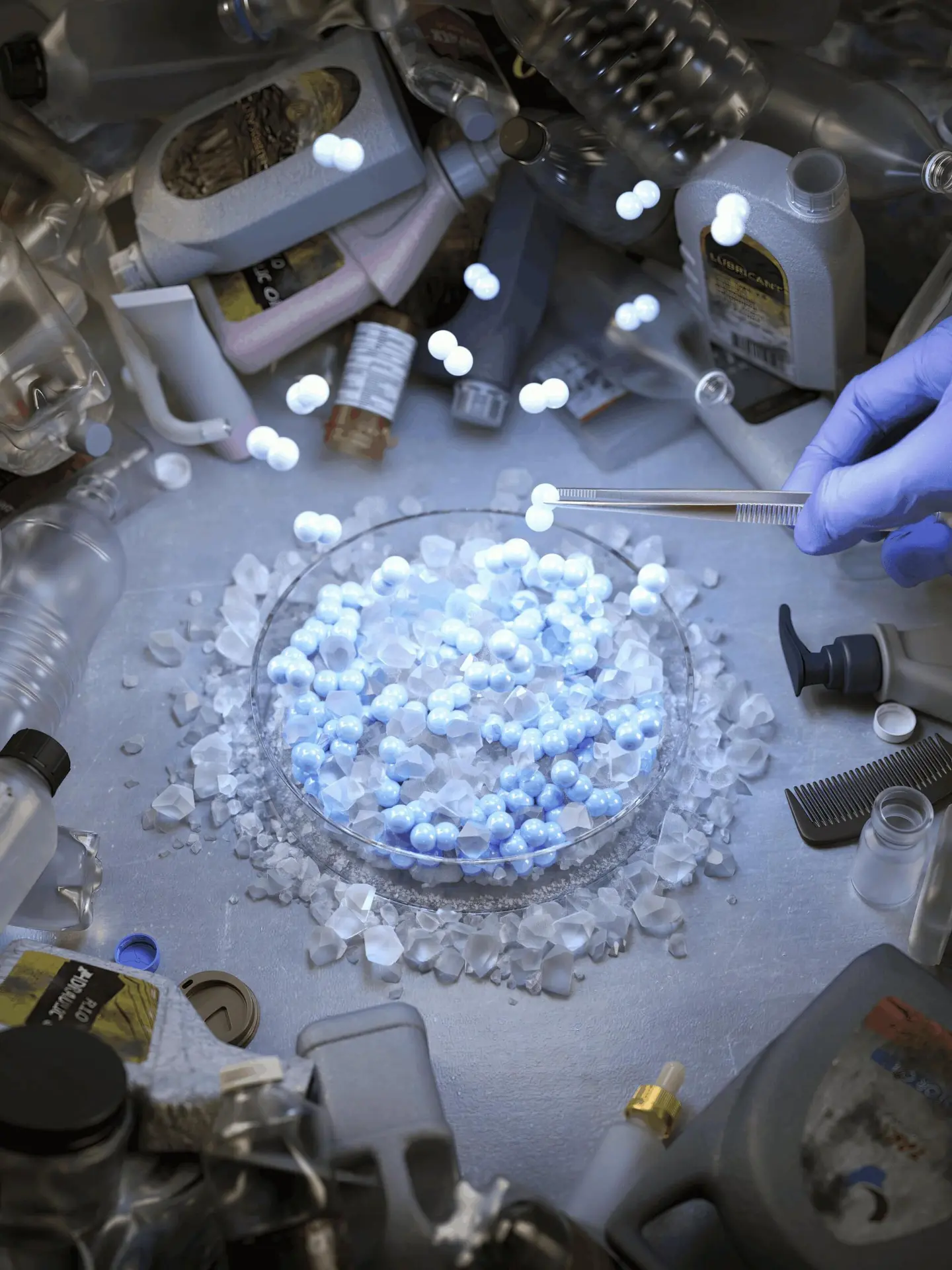
A new PNAS study converts mixed PET, PE and PP into >90% pure hydrogen in one reactor — no polymer sorting, and most of the carbon never reaches the gas phase.