ExplainerOctober 5, 2026
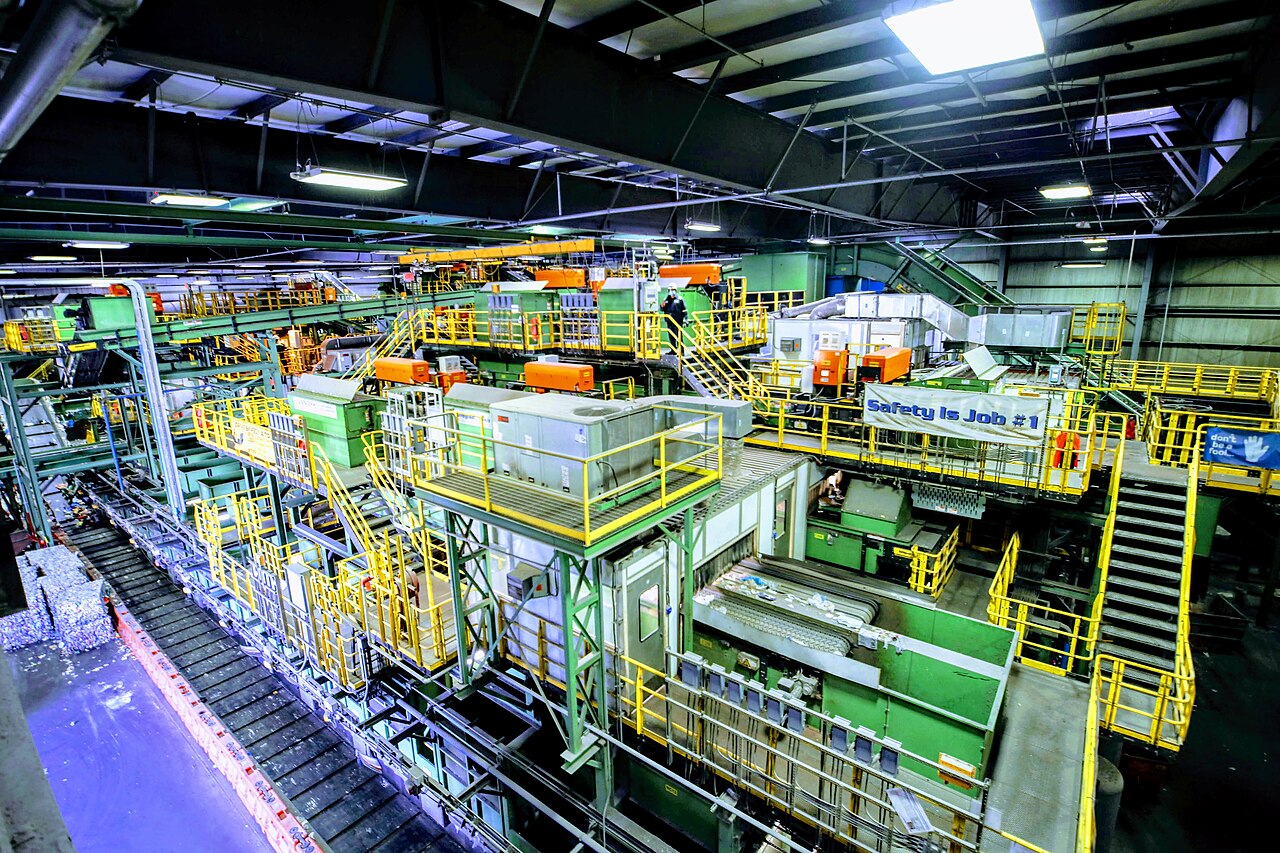
AMP Portsmouth: mixed-waste sorting and biochar are two different proof points
The expanded system links recovery with carbon removal, but operating sorting capacity is not operating biochar capacity.

Explainers, teardowns, and myth-busting on waste management systems and green engineering.
The expanded system links recovery with carbon removal, but operating sorting capacity is not operating biochar capacity.
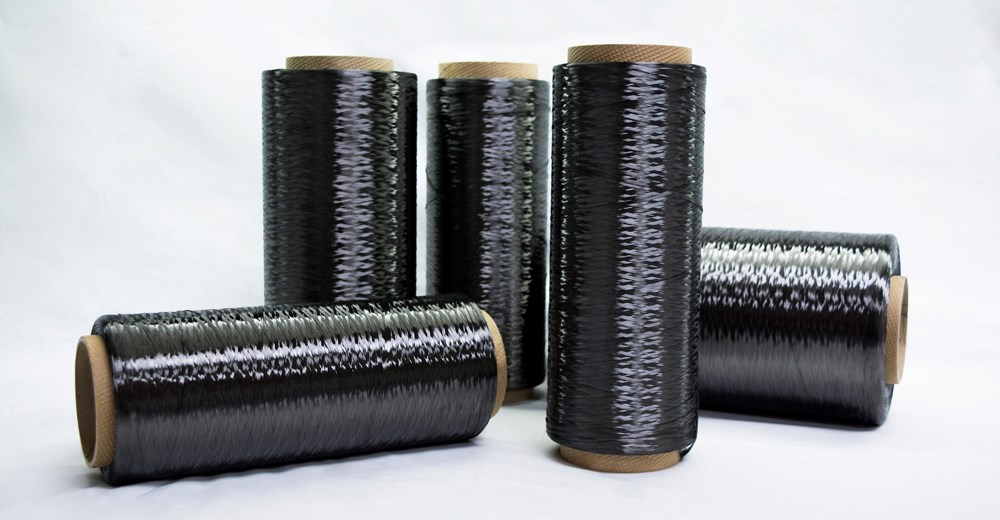
Chemical resin removal can protect fibre quality, but short-fibre products and structural composites answer different engineering questions.
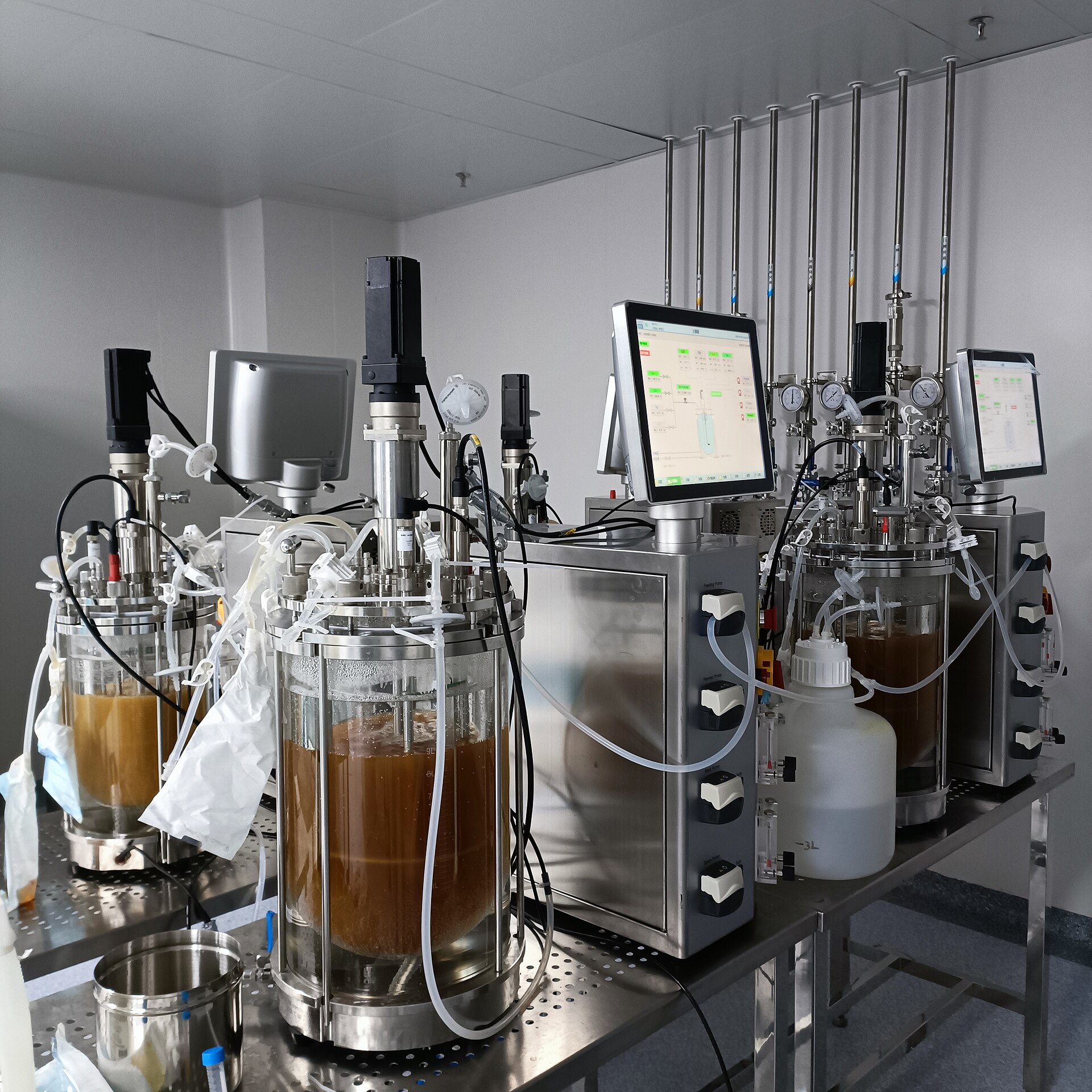
A porous support tackles gas transfer, but a one-litre demonstration is not a landfill-ready chemical plant.
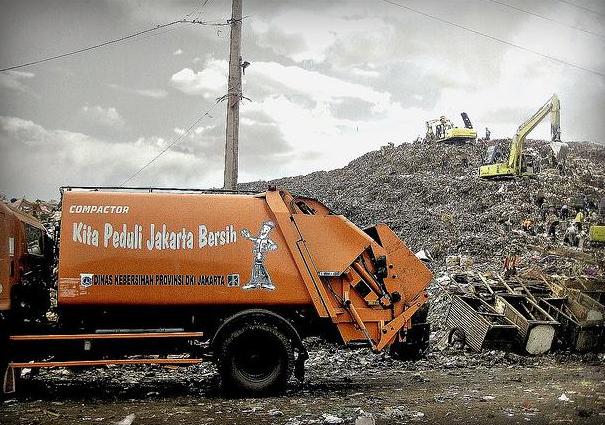
BRIN is assembling AI sorting, gasification, plastic-to-nanotube conversion at 1,600 °C and calcium looping into one pipeline. Here is the chemistry of each stage and how much of it exists.
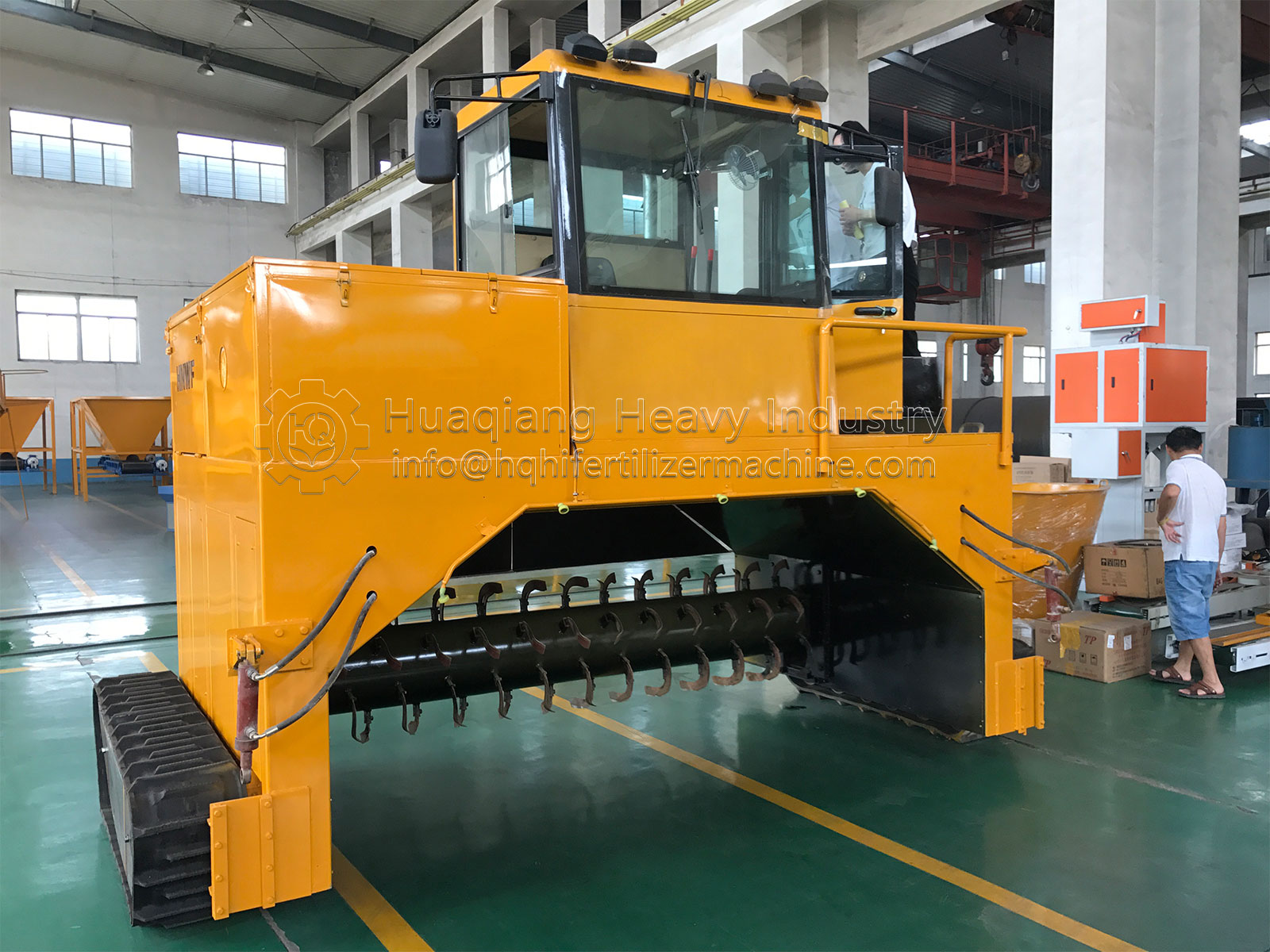
Where a landfill is too small or old for gas collection, a layer of mature compost can host methane-eating bacteria that oxidise up to 35–40% of escaping methane — for around $48,000 an acre.
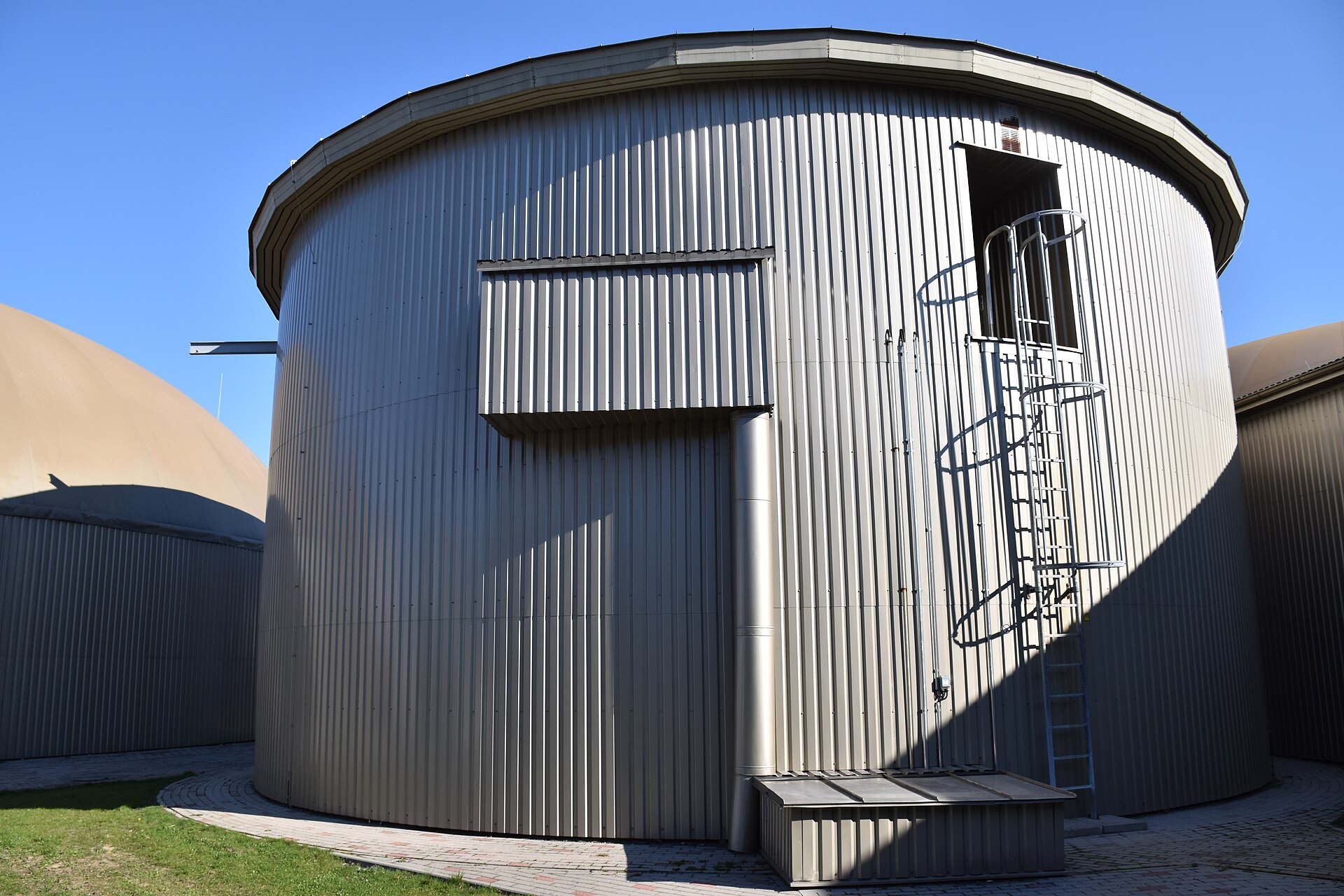
A Stuttgart process separates 92.3% of the CO2 from raw biogas using a benign solvent. Gas grids want methane above 96%.
pDCPD is a cross-linked thermoset with no recycling route. A ruthenium catalyst and a stirred solvent take it apart - and leave the carbon fibre intact.
Japan's AIST reports a two-stage anaerobic digestion design that keeps acid production and methane production in separate vessels. The concept is decades old; the claim is that this configuration holds up at high loading.
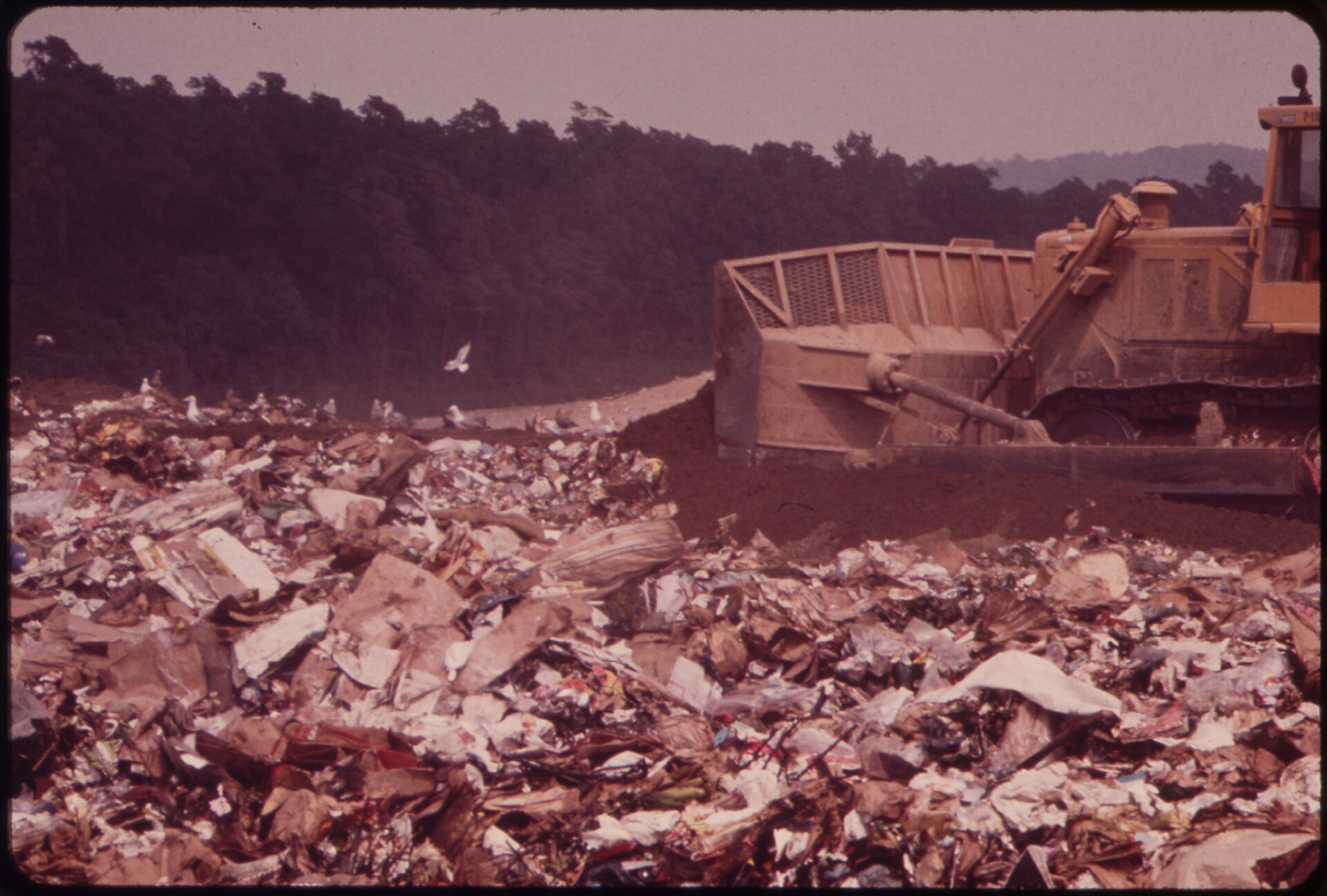
Orbital spectrometers have found large landfill methane plumes that operators reported as far smaller. The measurement gap is now well documented; the enforcement and engineering response is not.

Crushed concrete reacts with CO2 to form calcium carbonate. Done deliberately, that upgrades recycled aggregate and stores a modest amount of carbon — and the modest part is where most reporting goes wrong.
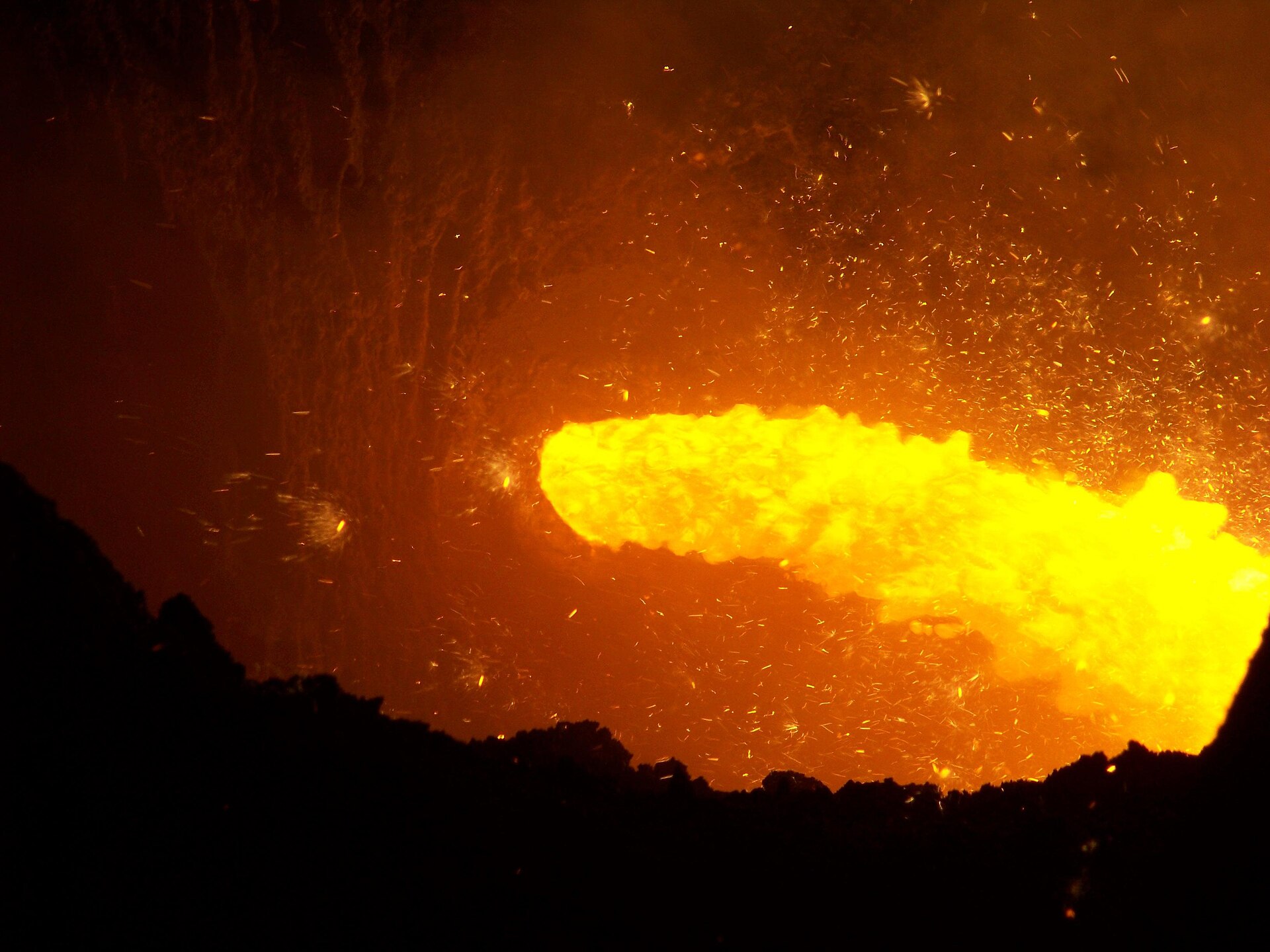
Replacing metallurgical coal with pyrolysed biomass is chemically straightforward and physically constrained. The binding limits are biomass supply and the crush strength of the char, not the reduction reaction.
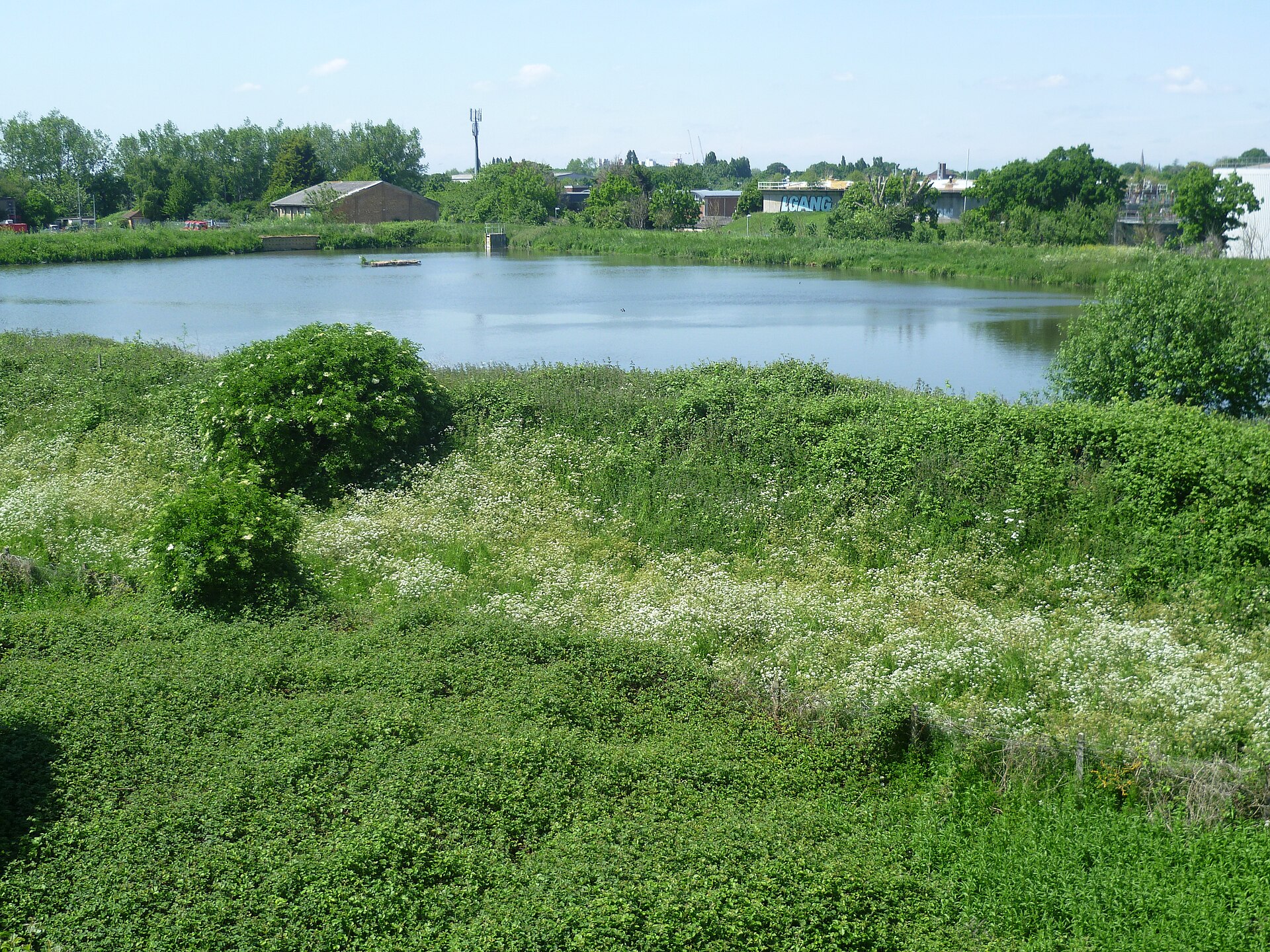
Wastewater treatment lagoons are cheap, common, and quietly among the largest methane sources in the water sector. A four-year Australian trial floated plants on one and measured what happened.
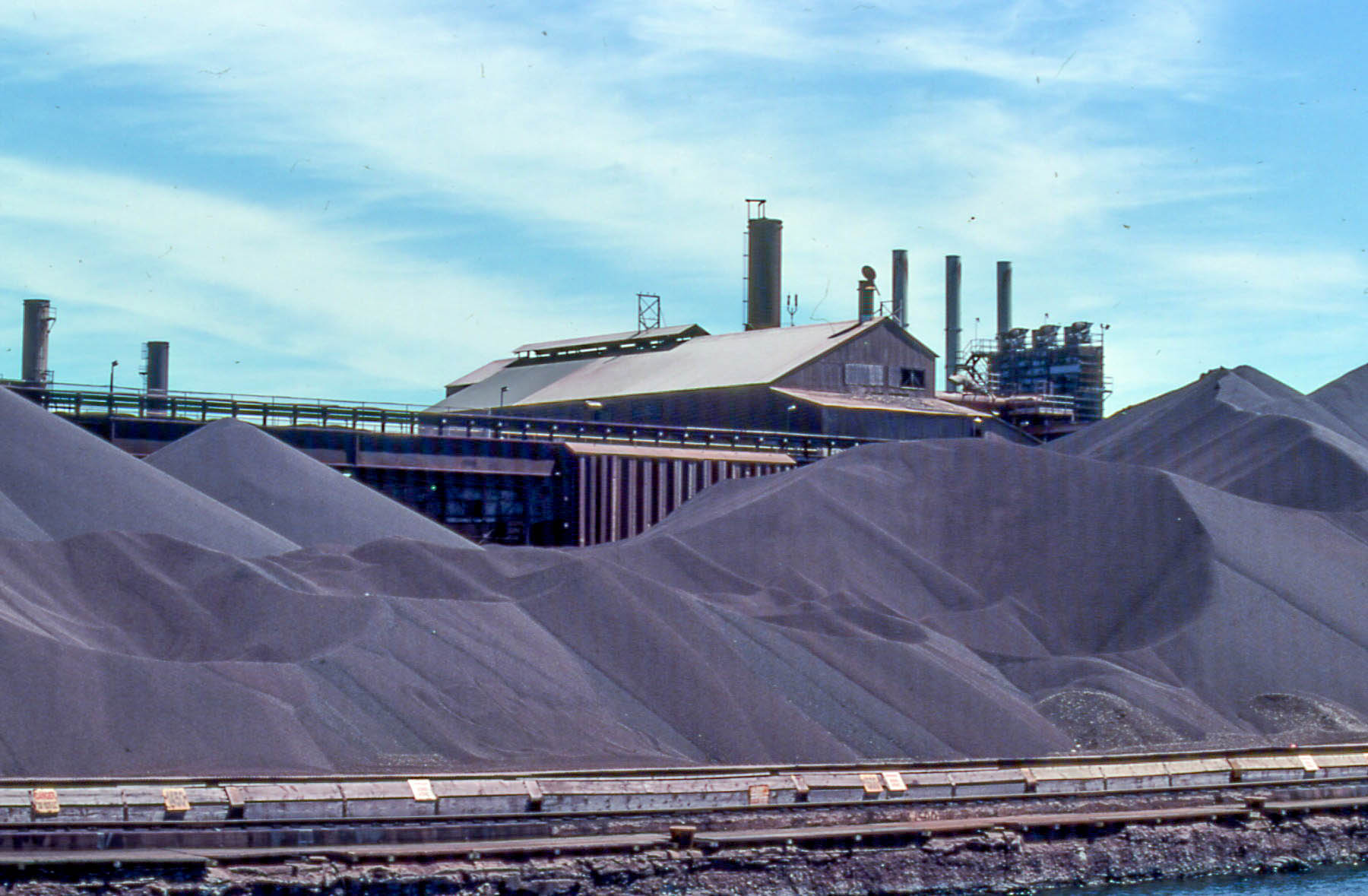
An Ohio State team pairs steel slag and coal ash with captured CO2, mineralises the carbon into calcite, and spends the heat that reaction gives off on splitting water. Here is the mechanism — and what the paper does not tell you.
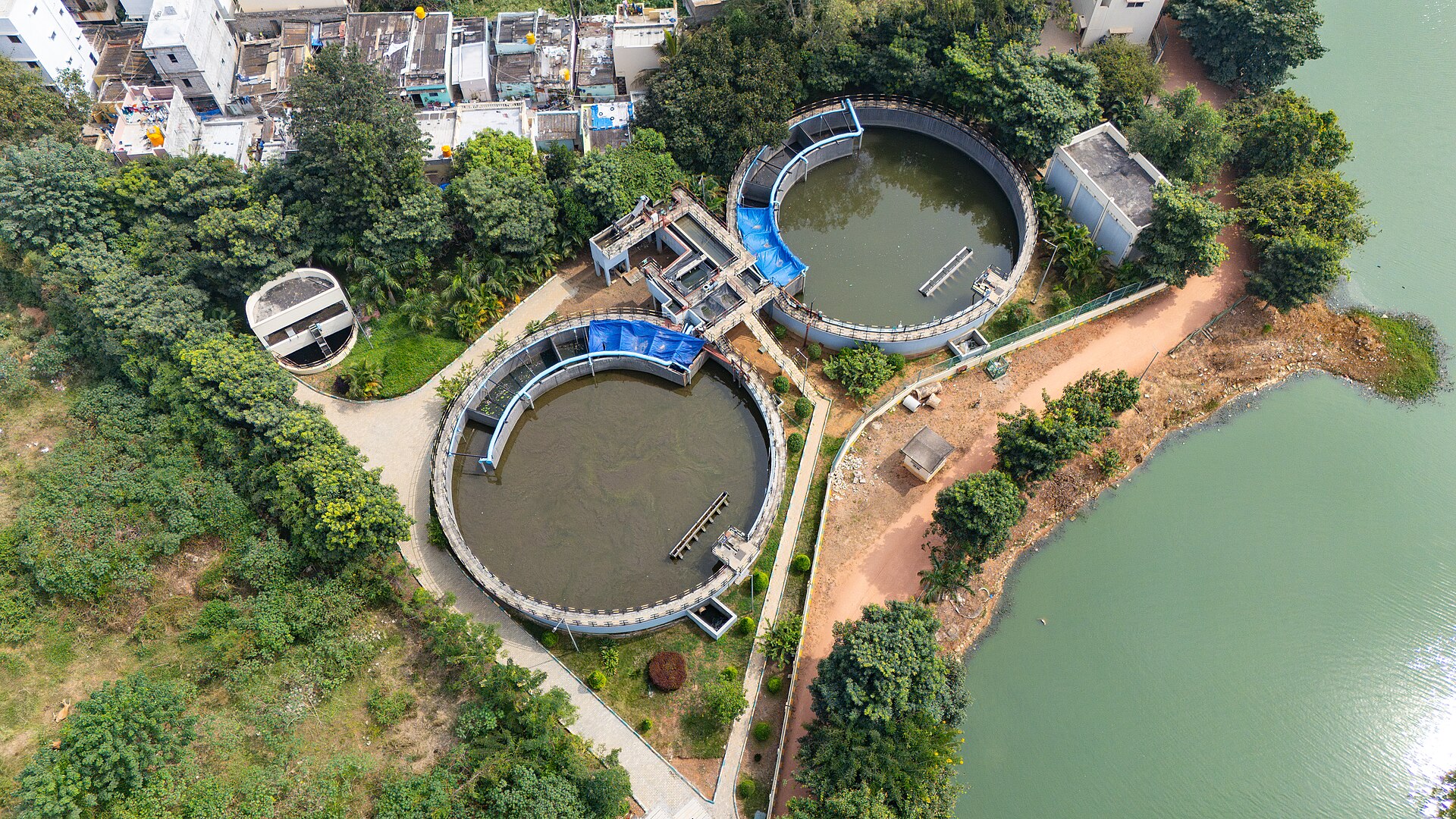
Two non-thermal routes to destroying PFAS were reported this week. Both work by concentrating the target at a bubble surface, and both prove it the only honest way — by measuring the fluoride that comes off.
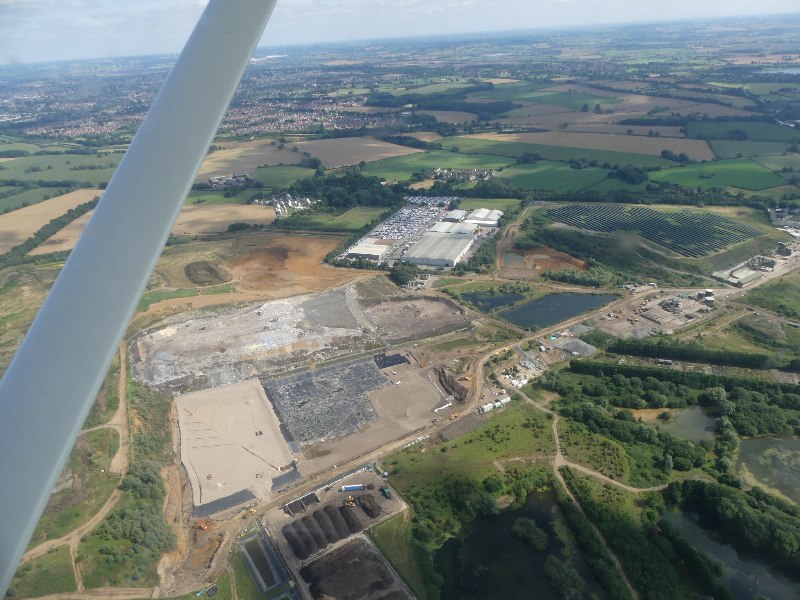
An Elevated Temperature Landfill is not a fire. It is a landfill where heat outruns the gas system, the methane-making microbes die, and chemistry takes over — without needing oxygen, which is exactly why it is so hard to stop.
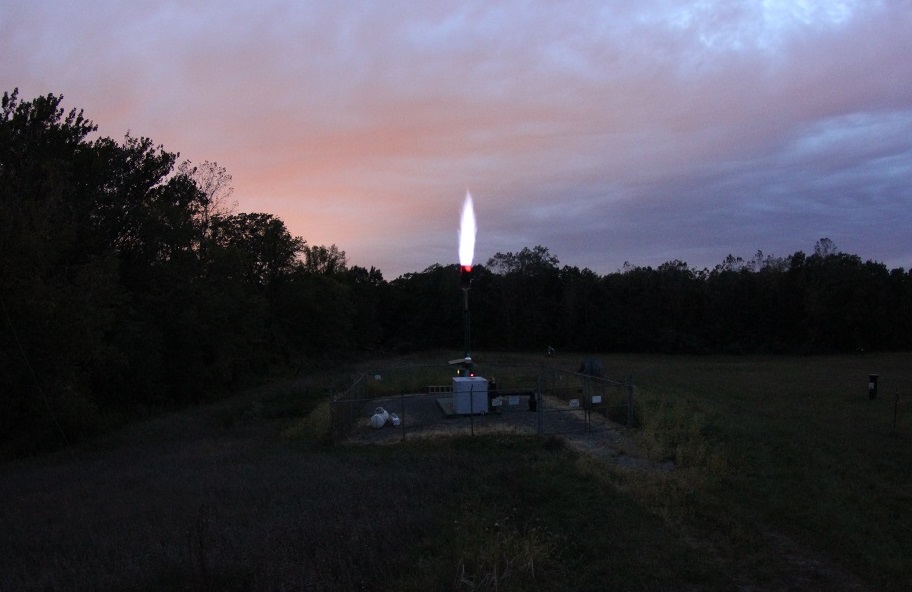
A Chicago-led team closed the loop from data mining to synthesised, tested metal-organic frameworks for methane capture. Two new materials work at ambient conditions in a lab. Landfill gas is wet, dirty and nothing like a lab.
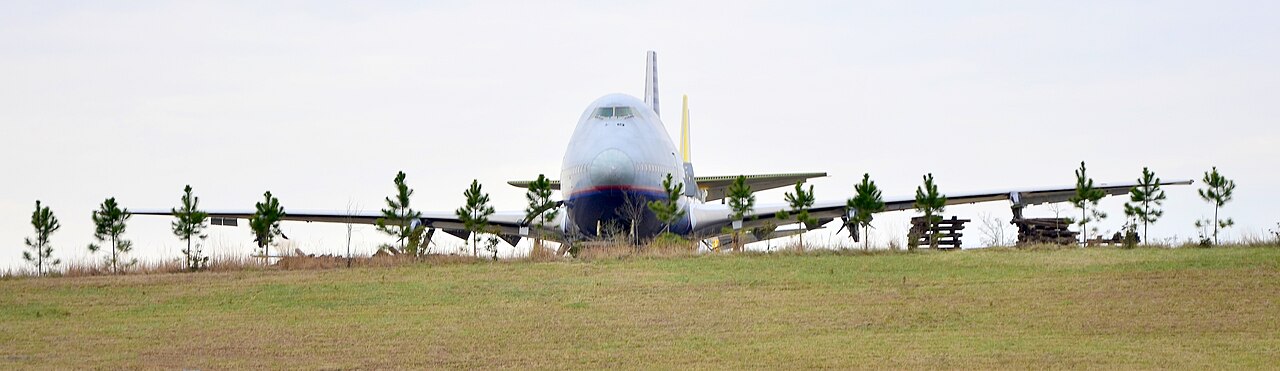
Carbon-fibre epoxy composites are among the hardest materials to recycle, because the resin will not melt back. A team at NUS skips fibre recovery entirely and turns the whole waste stream — fibre and epoxy together — into a freeze-dried porous block.

A planted gravel bed is a reactor, not a garden. A new study swaps the gravel for iron-manganese modified rice-husk biochar - and reports strong nitrogen and phosphorus removal on wastewater too carbon-poor for conventional denitrification.
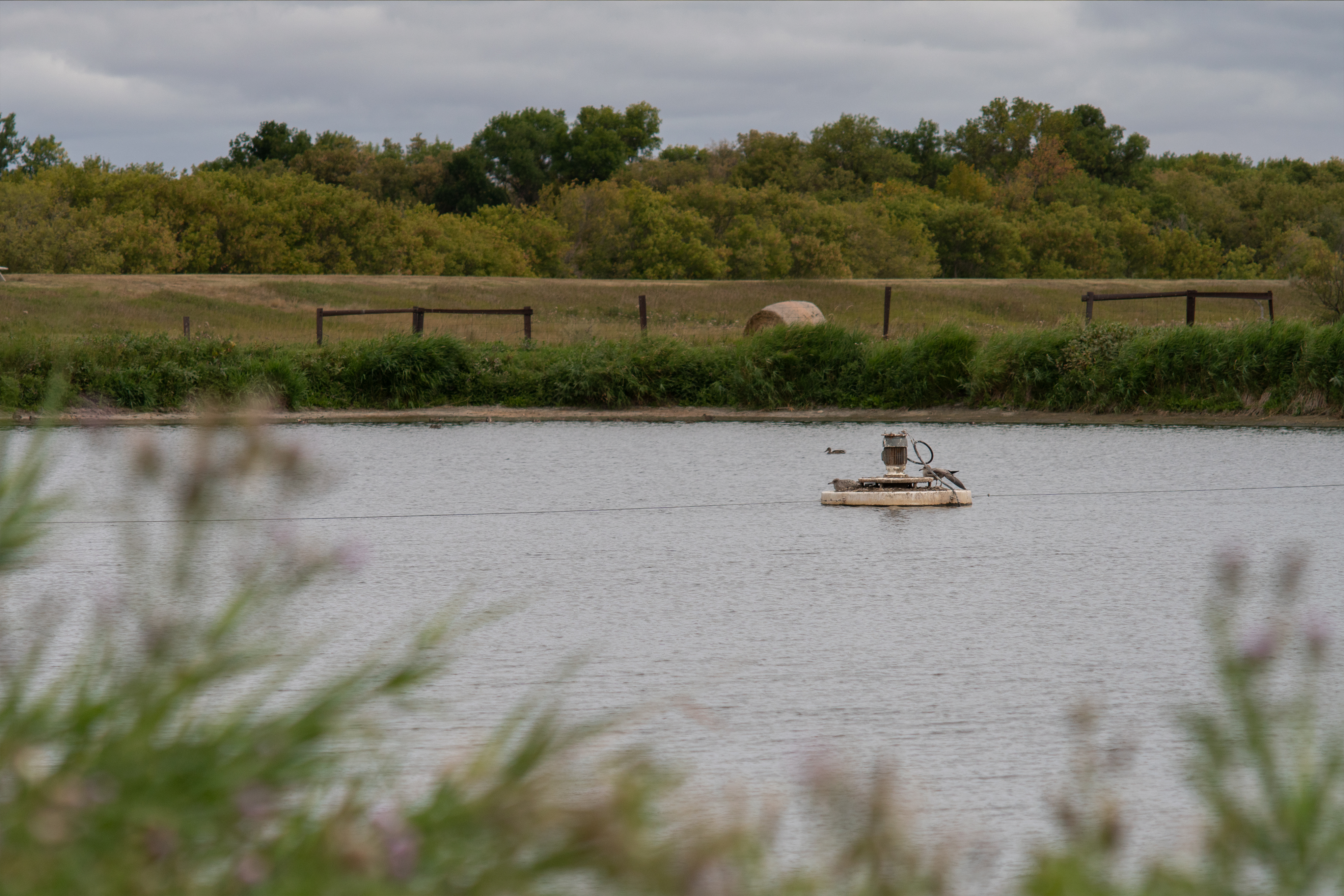
A lagoon treatment train can strip pollution out of sewage and still push methane into the air. A paper published on 10 August measured one facility at roughly 2.0-2.3 times its reported estimate. Here is where the gas escapes.
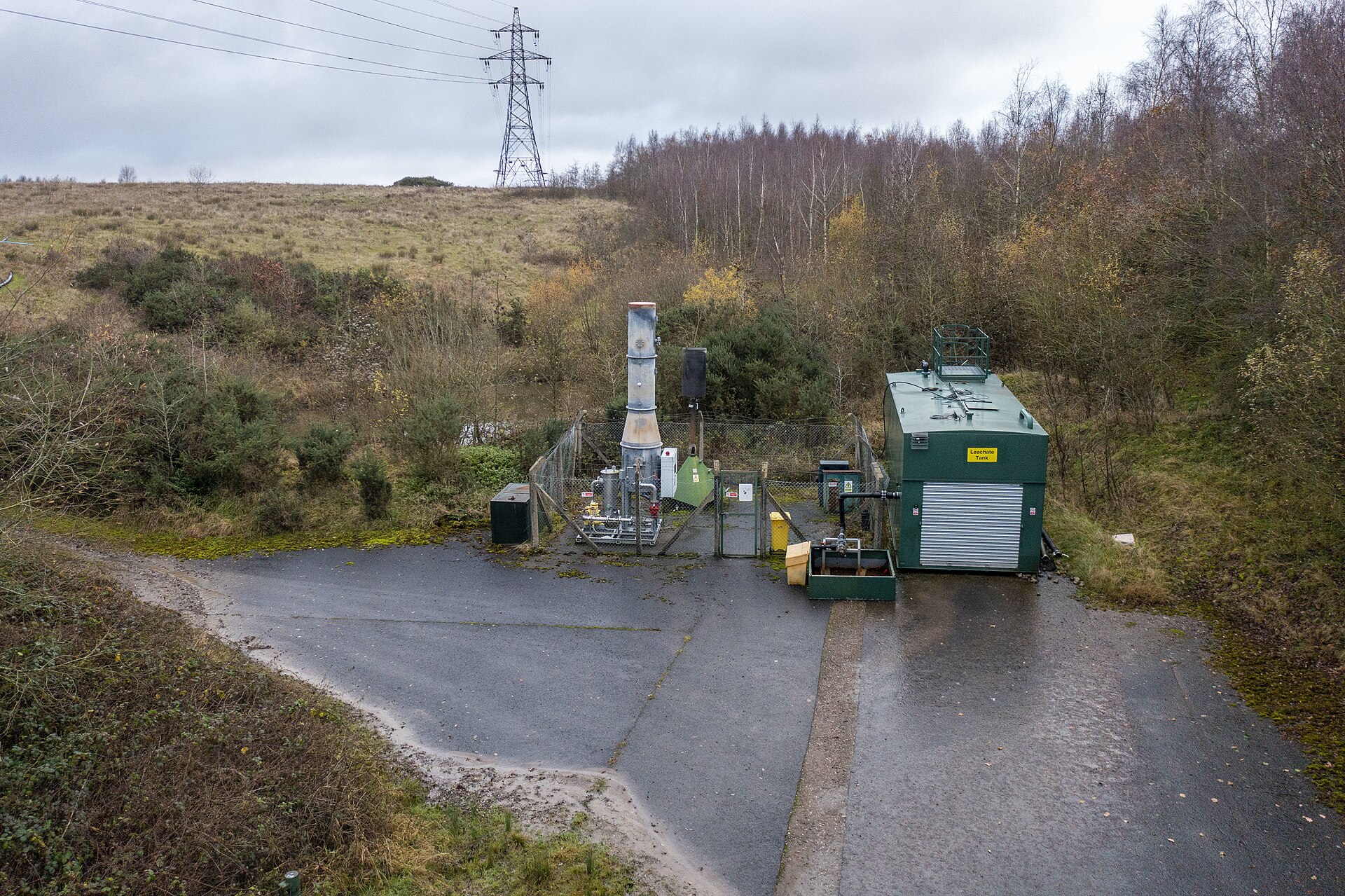
A two-and-a-half-year monitoring run at a New Jersey landfill estimated roughly five times the methane previously reported. The mechanism is seasonal, and it is not exotic.
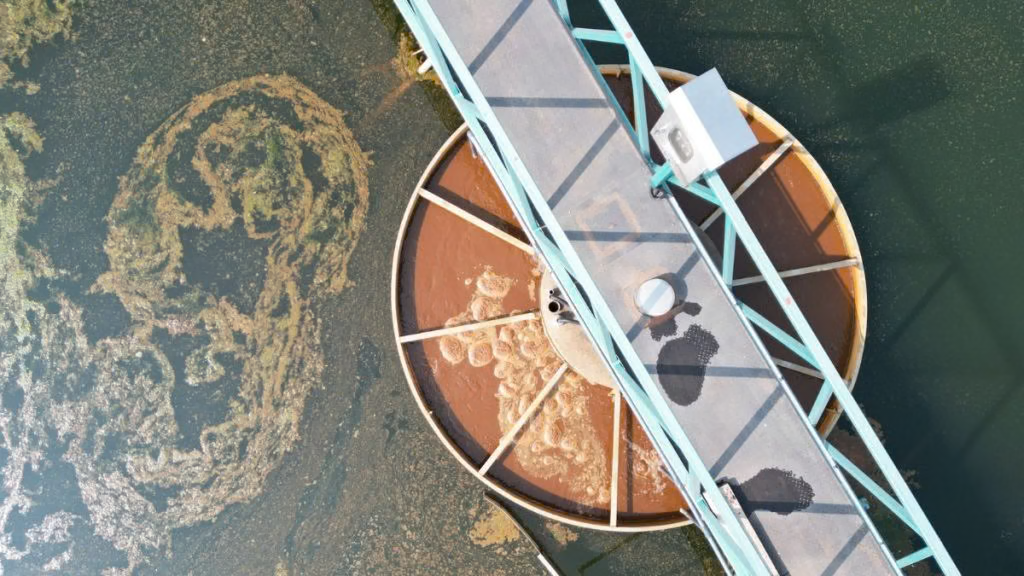
A BITS Pilani system disinfects pharmaceutical wastewater with electric pulses, digests the organics biologically, and turns the leftover sludge into methane. Here is the logic of each stage.
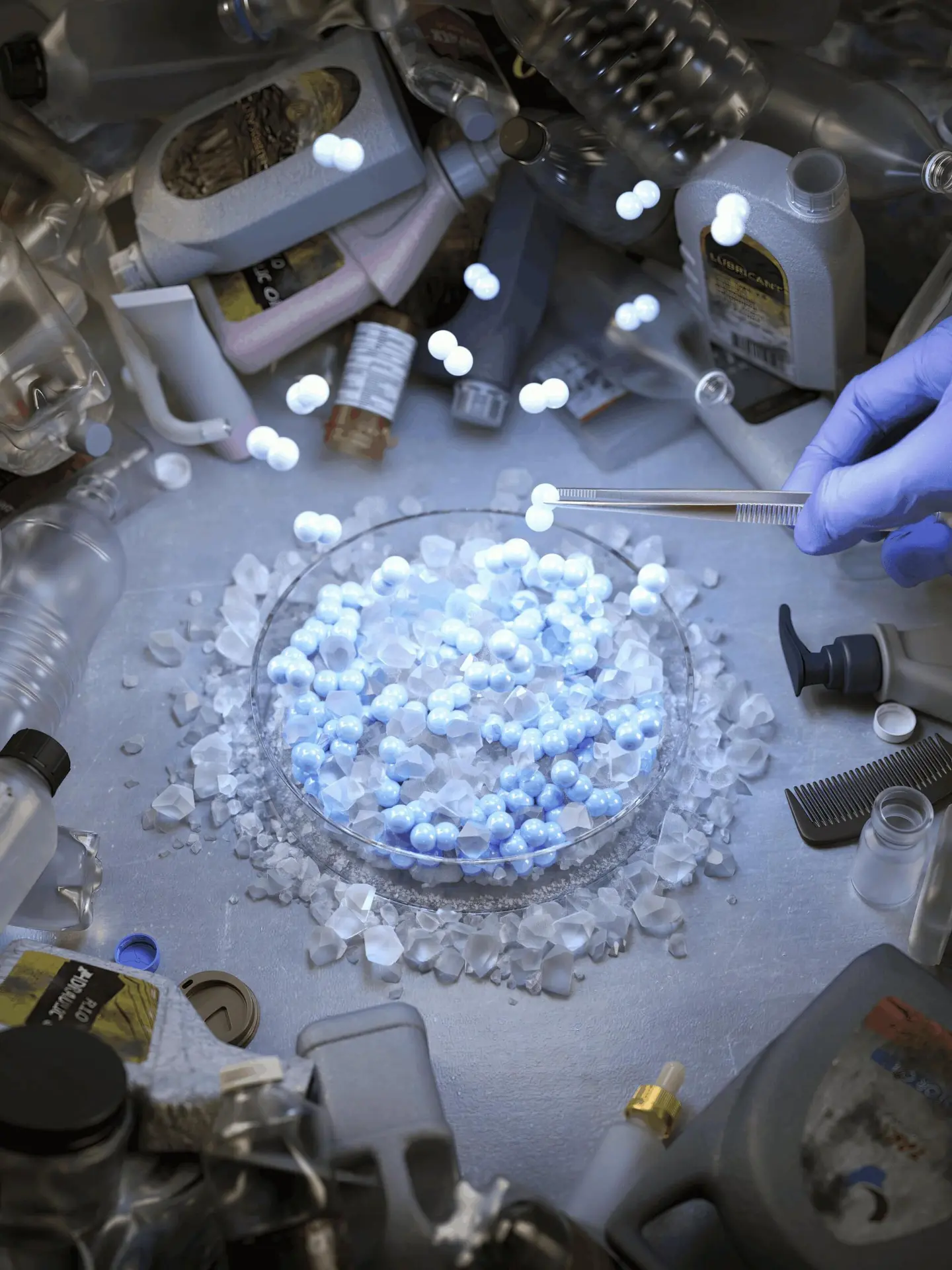
A new PNAS study converts mixed PET, PE and PP into >90% pure hydrogen in one reactor — no polymer sorting, and most of the carbon never reaches the gas phase.