Myth-BustingSeptember 20, 2026
Your Receipts Do Not Belong in the Paper Recycling
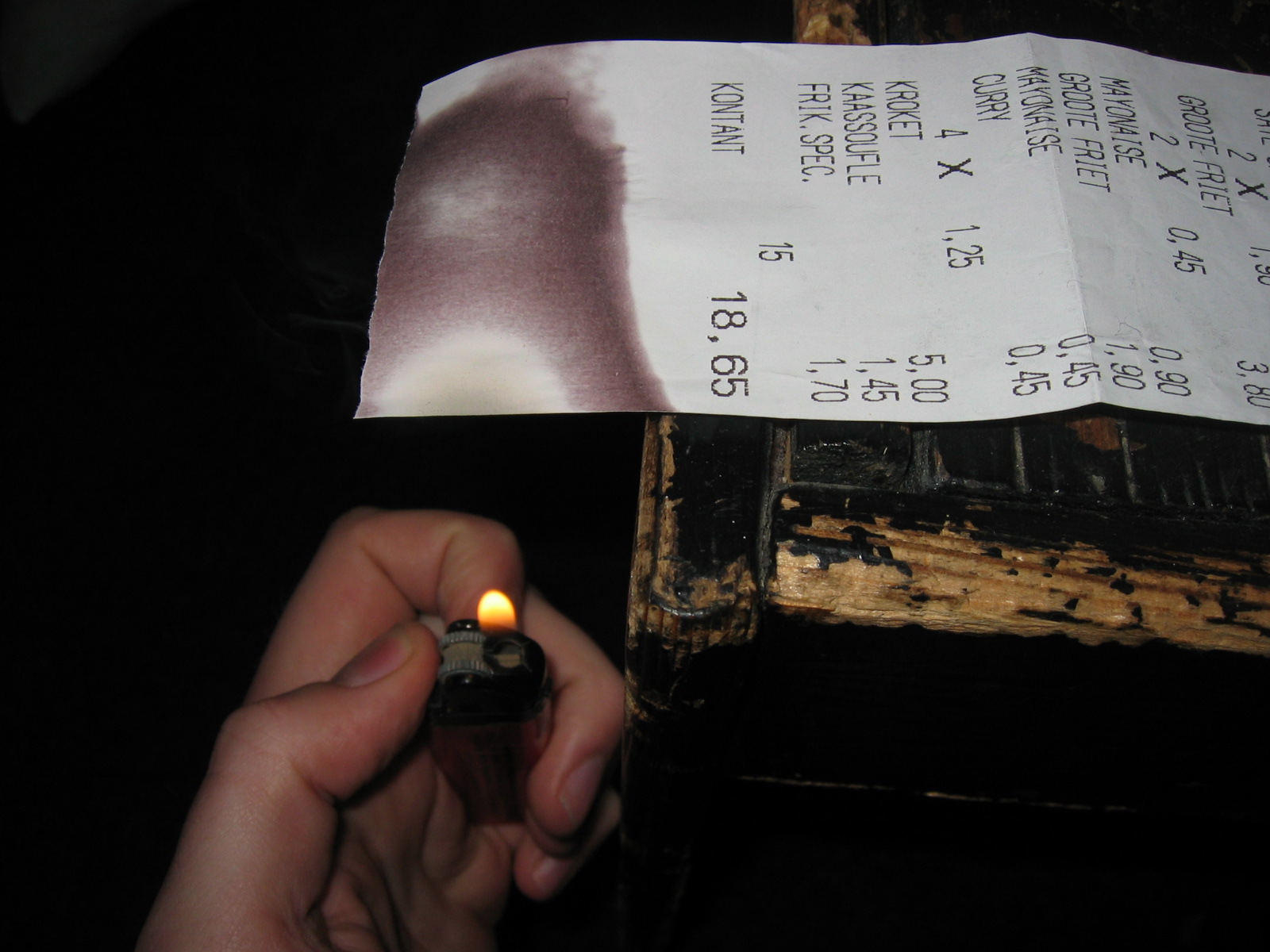
Thermal receipt paper carries a bisphenol coating. Put it in the paper stream and the chemistry ends up in recycled paper products.

Explainers, teardowns, and myth-busting on waste management systems and green engineering.
Thermal receipt paper carries a bisphenol coating. Put it in the paper stream and the chemistry ends up in recycled paper products.
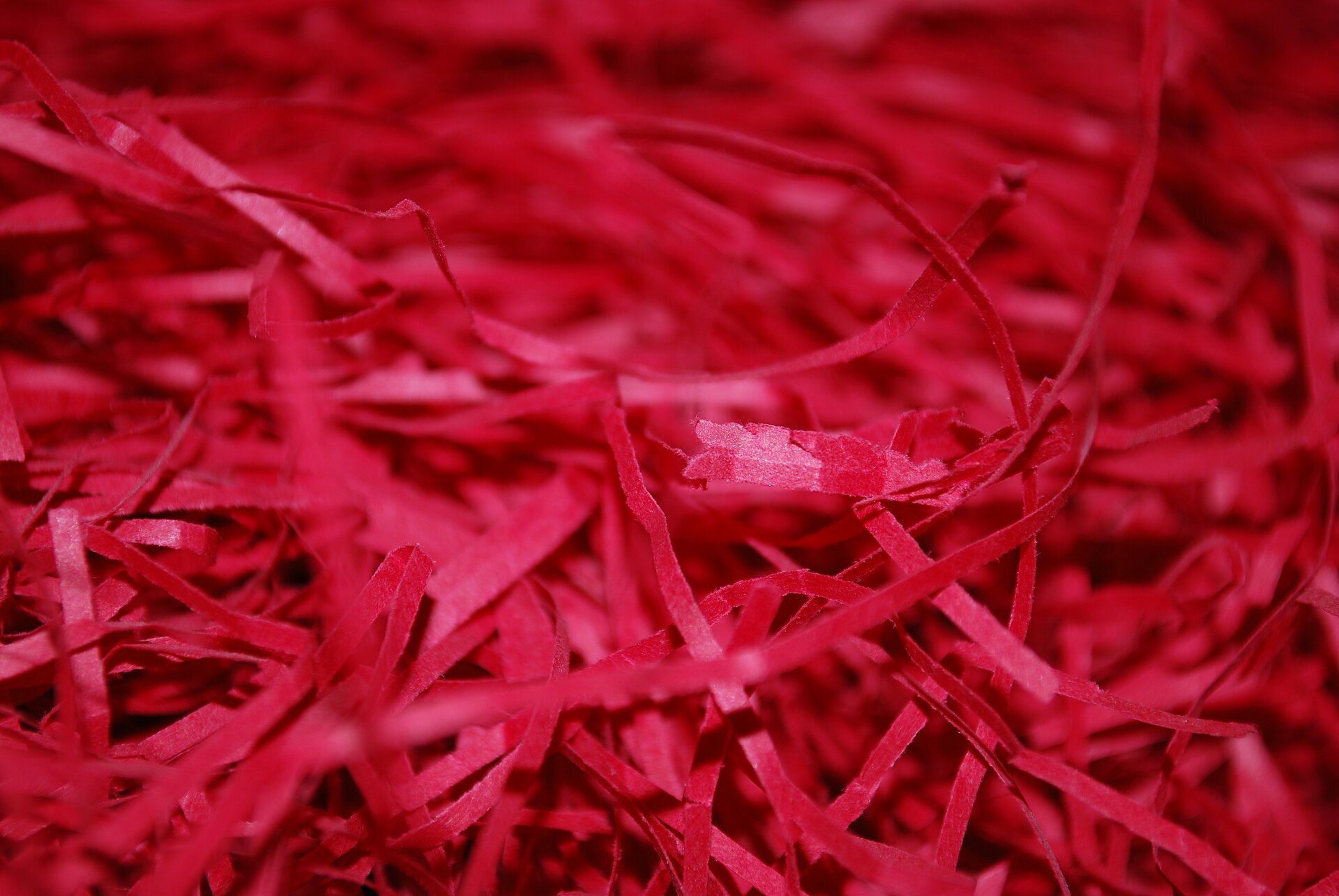
Most recycling programmes reject loose shredded paper, and the reason is mechanical: the strips are the wrong size for the machines that sort paper.
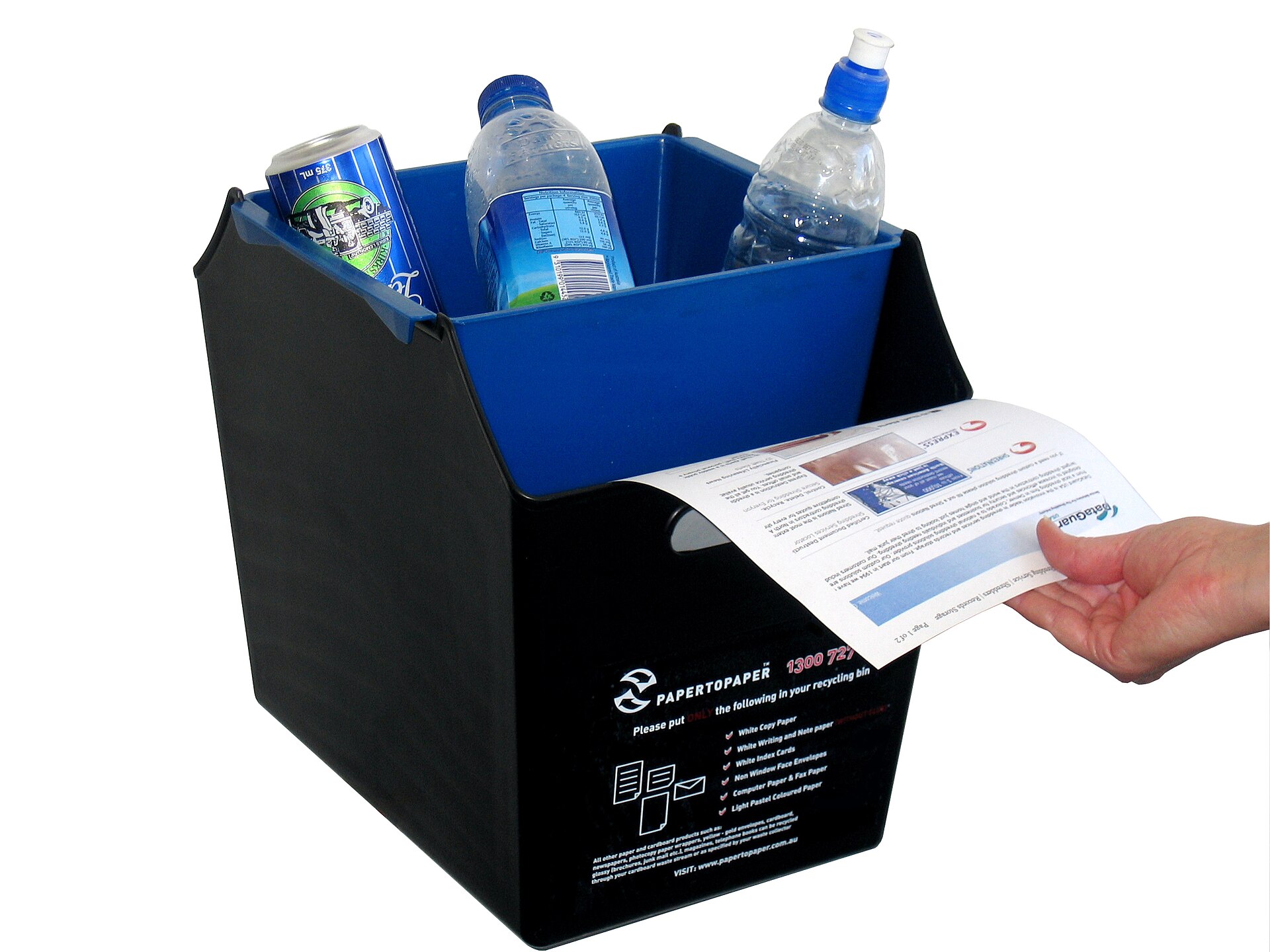
A hot-drink cup is about 95% paperboard. The other 5% is a polyethylene liner, and that 5% is why most mills reject the cup outright — even when you put it in the right bin.
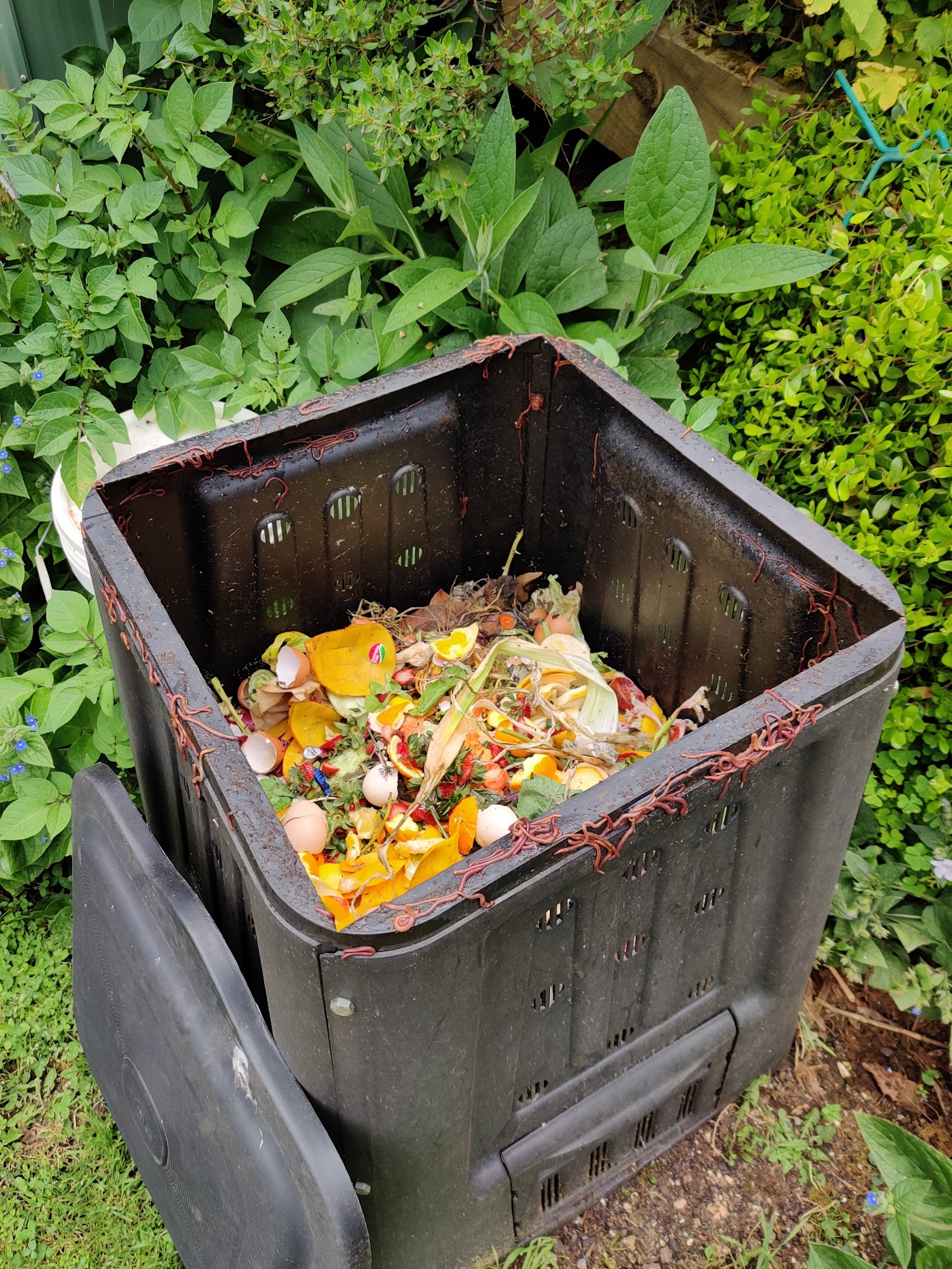
Certified compostable packaging is engineered to break down in a hot industrial windrow. Put it in a garden bin, a recycling bin or a landfill and it behaves like ordinary plastic — because in those conditions, it is.
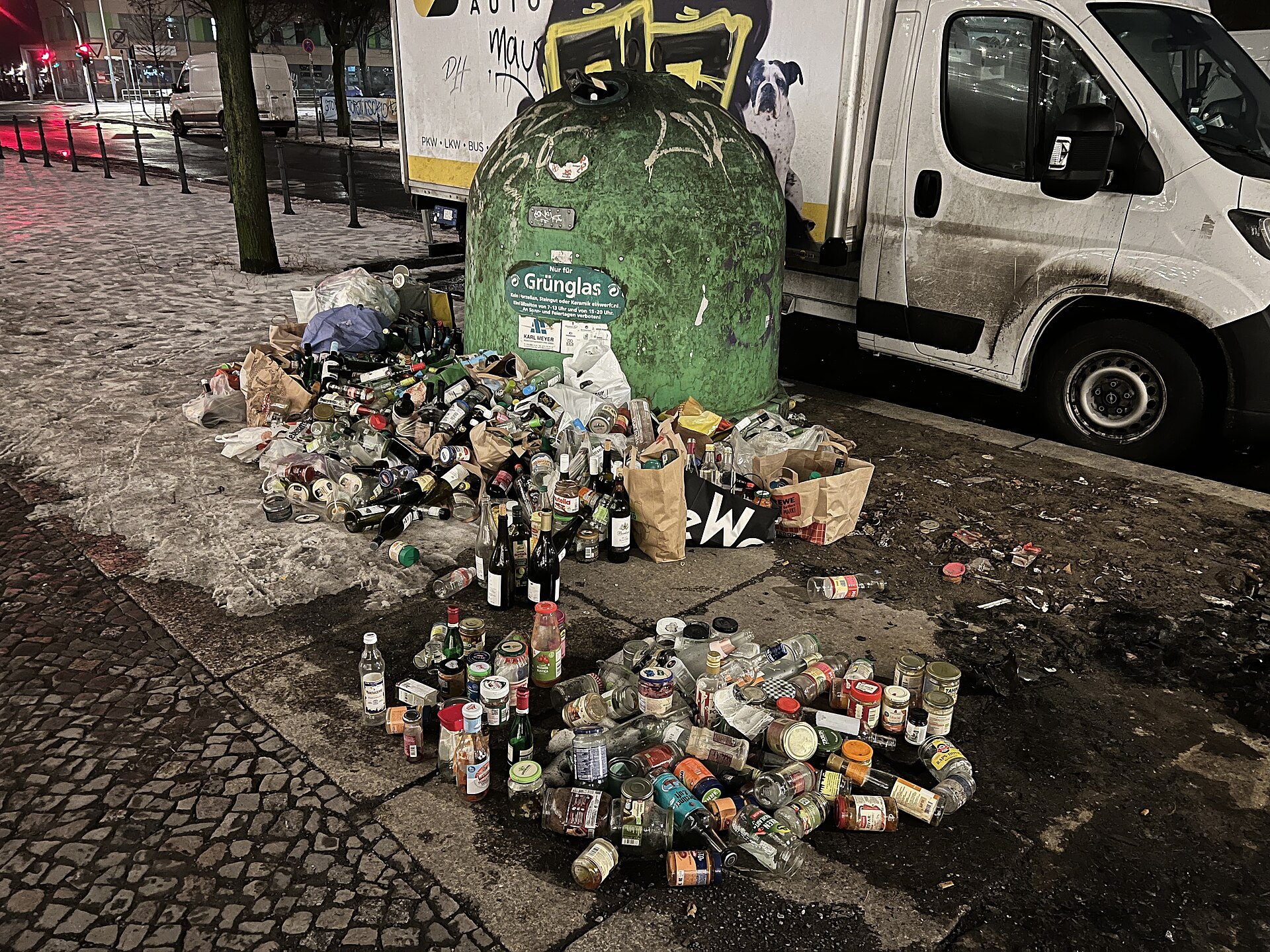
Glass really can be melted and remade forever without losing quality. About a third of it in the US actually is. The gap between those two sentences is the entire story.
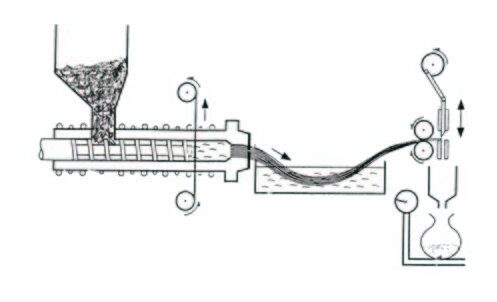
Mass balance accounting lets a producer allocate recycled input to selected outputs. The molecules are real somewhere in the plant. They are not necessarily in the product carrying the label.