Myth-BustingSeptember 20, 2026
Your Receipts Do Not Belong in the Paper Recycling
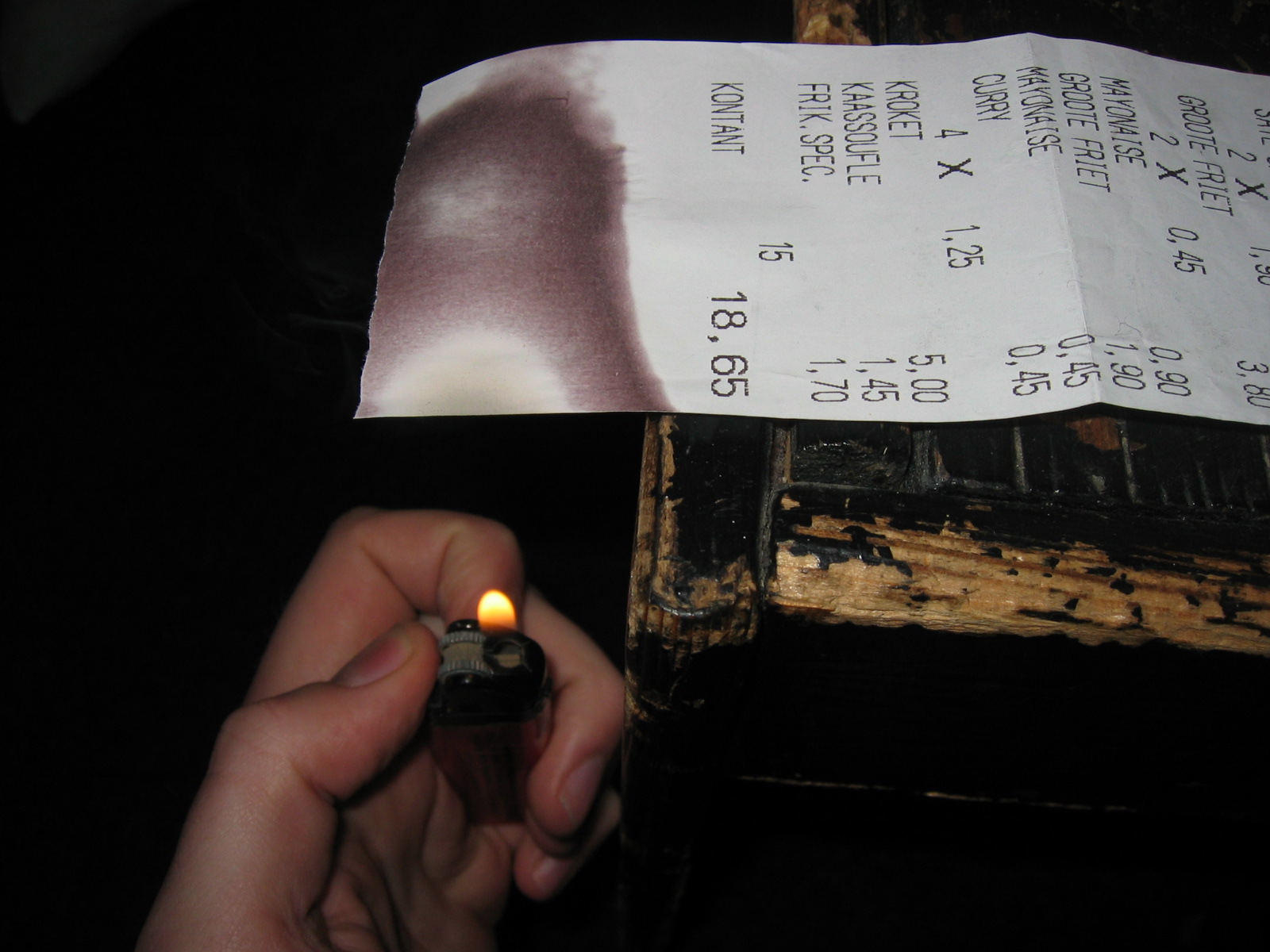
Thermal receipt paper carries a bisphenol coating. Put it in the paper stream and the chemistry ends up in recycled paper products.

Explainers, teardowns, and myth-busting on waste management systems and green engineering.
Thermal receipt paper carries a bisphenol coating. Put it in the paper stream and the chemistry ends up in recycled paper products.
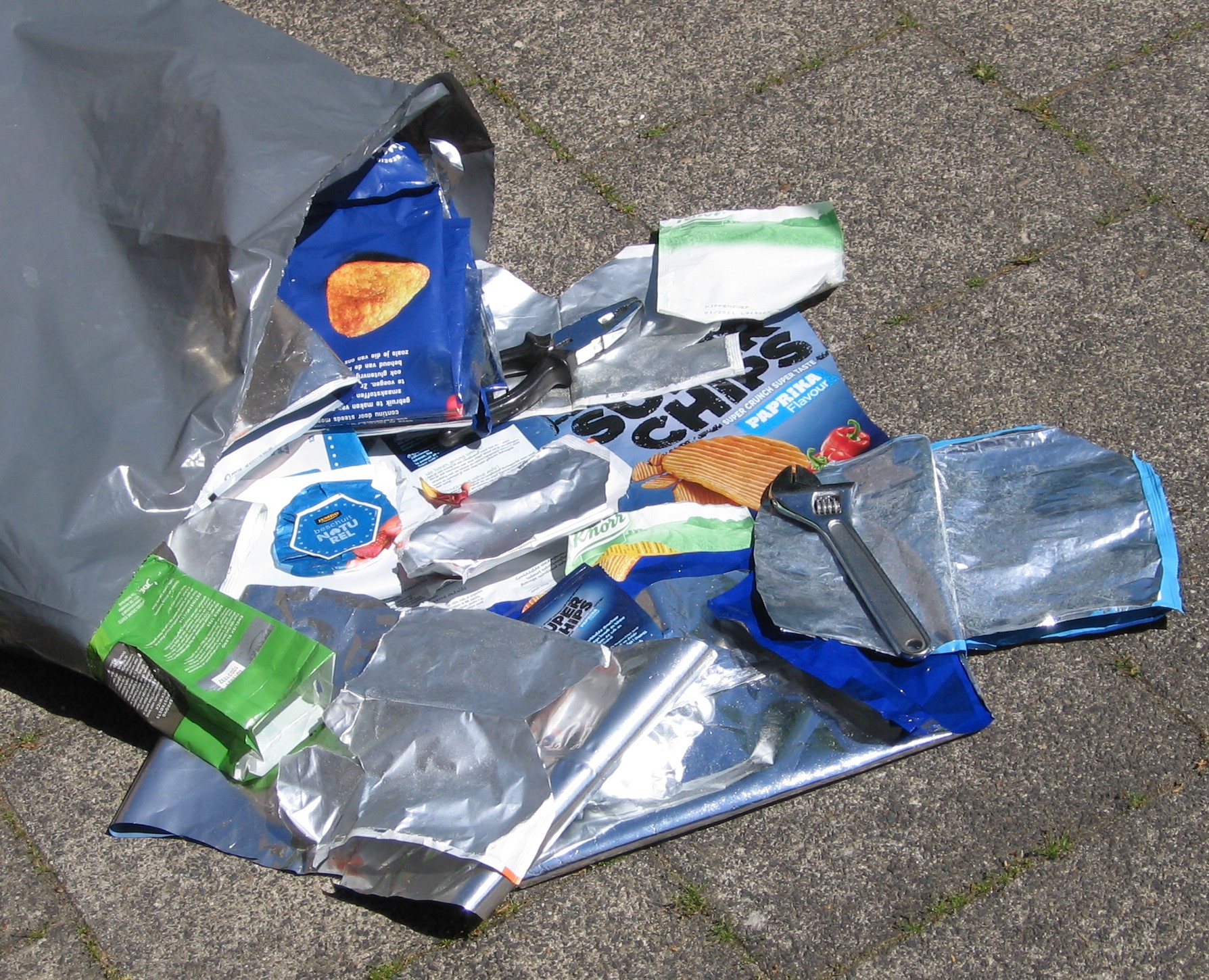
The US generates roughly 800,000 tons of recoverable polyethylene film a year. Twenty-seven reclaimers can process it, and fewer than half will take household film.

The first carpet EPR programme in the US now runs 174 drop-off sites and recycles 78.5 million pounds a year. It is also a lesson in how slowly EPR moves.
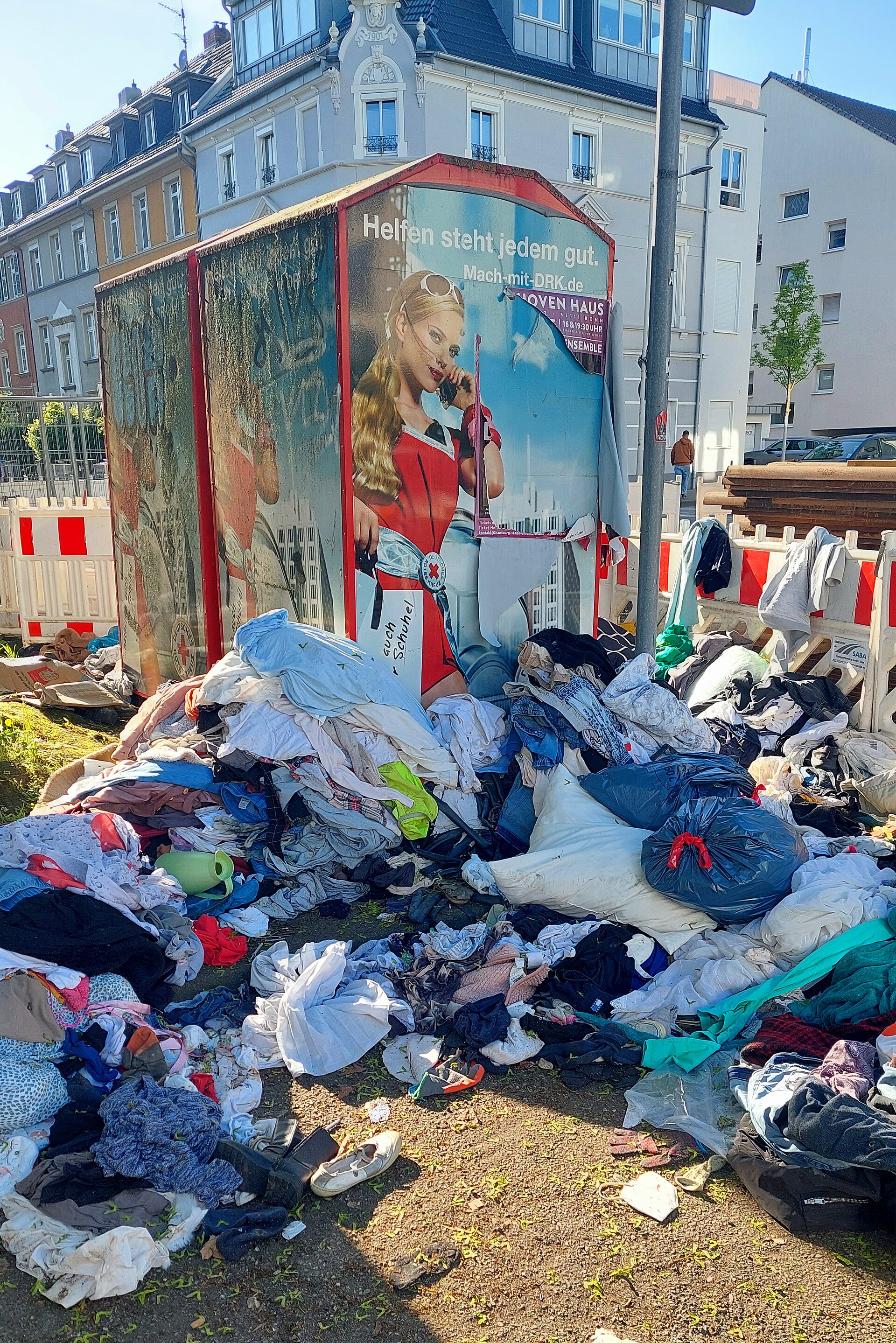
Separating polyester from cotton is textile recycling's central unsolved problem. Worn Again's Swiss facility has module one commissioned and module two on paper.
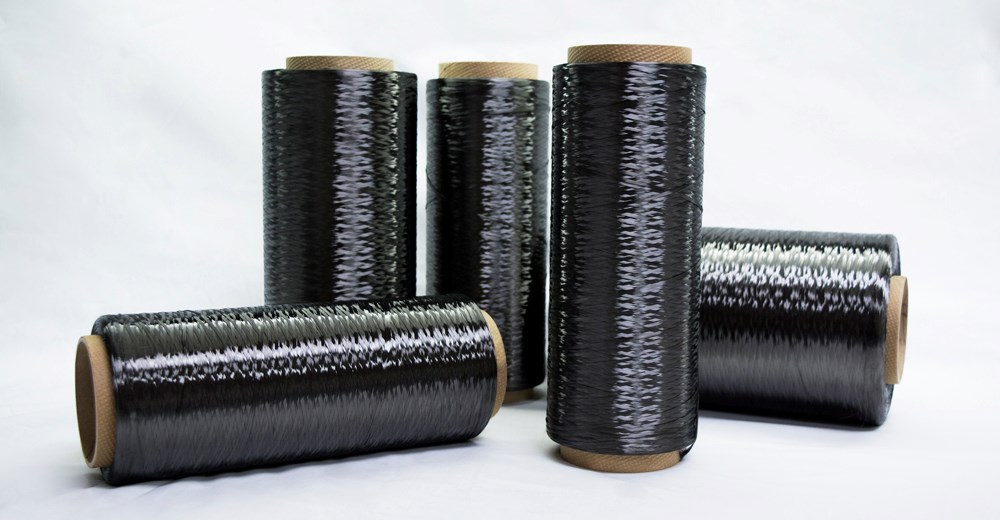
pDCPD is a cross-linked thermoset with no recycling route. A ruthenium catalyst and a stirred solvent take it apart - and leave the carbon fibre intact.
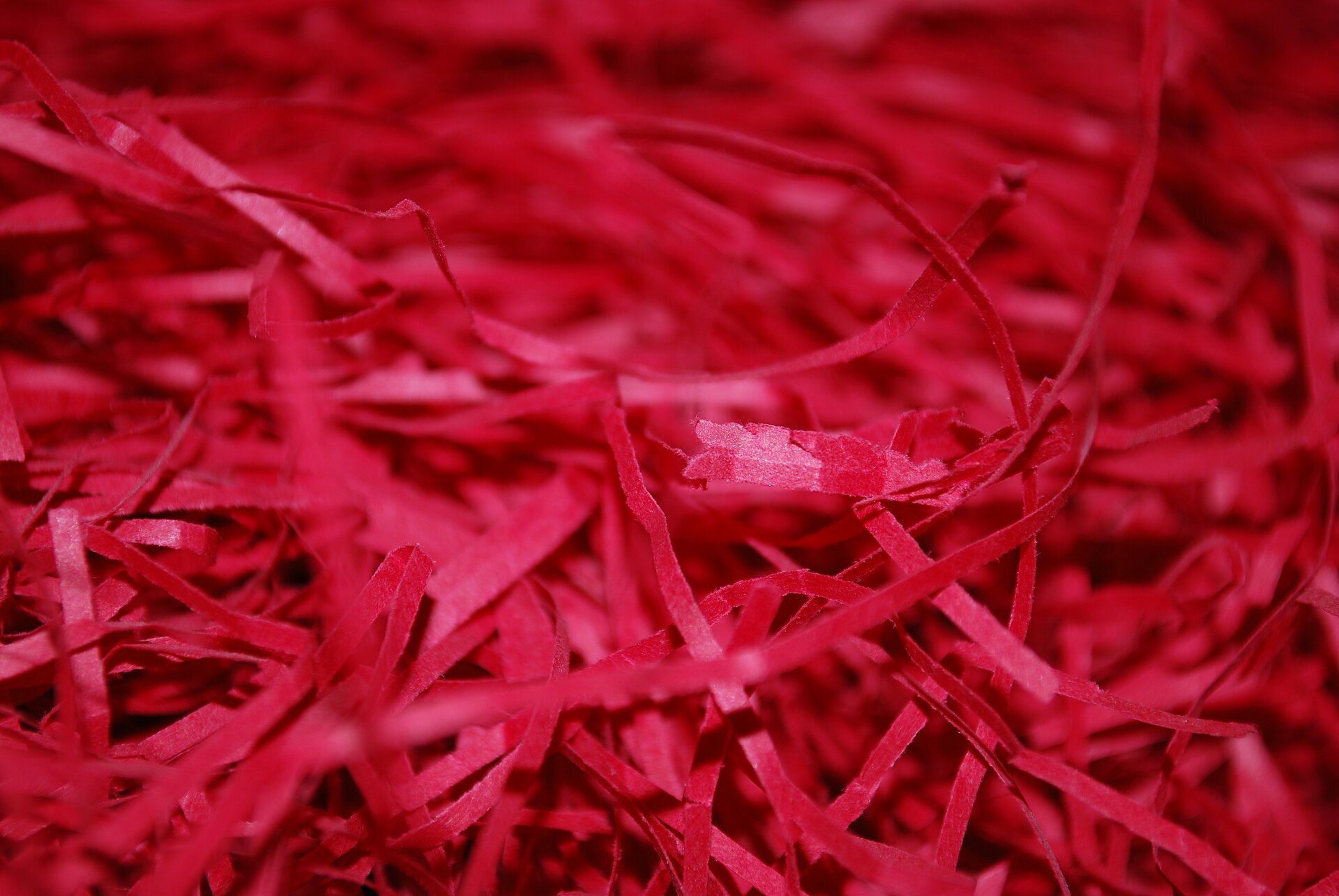
Most recycling programmes reject loose shredded paper, and the reason is mechanical: the strips are the wrong size for the machines that sort paper.
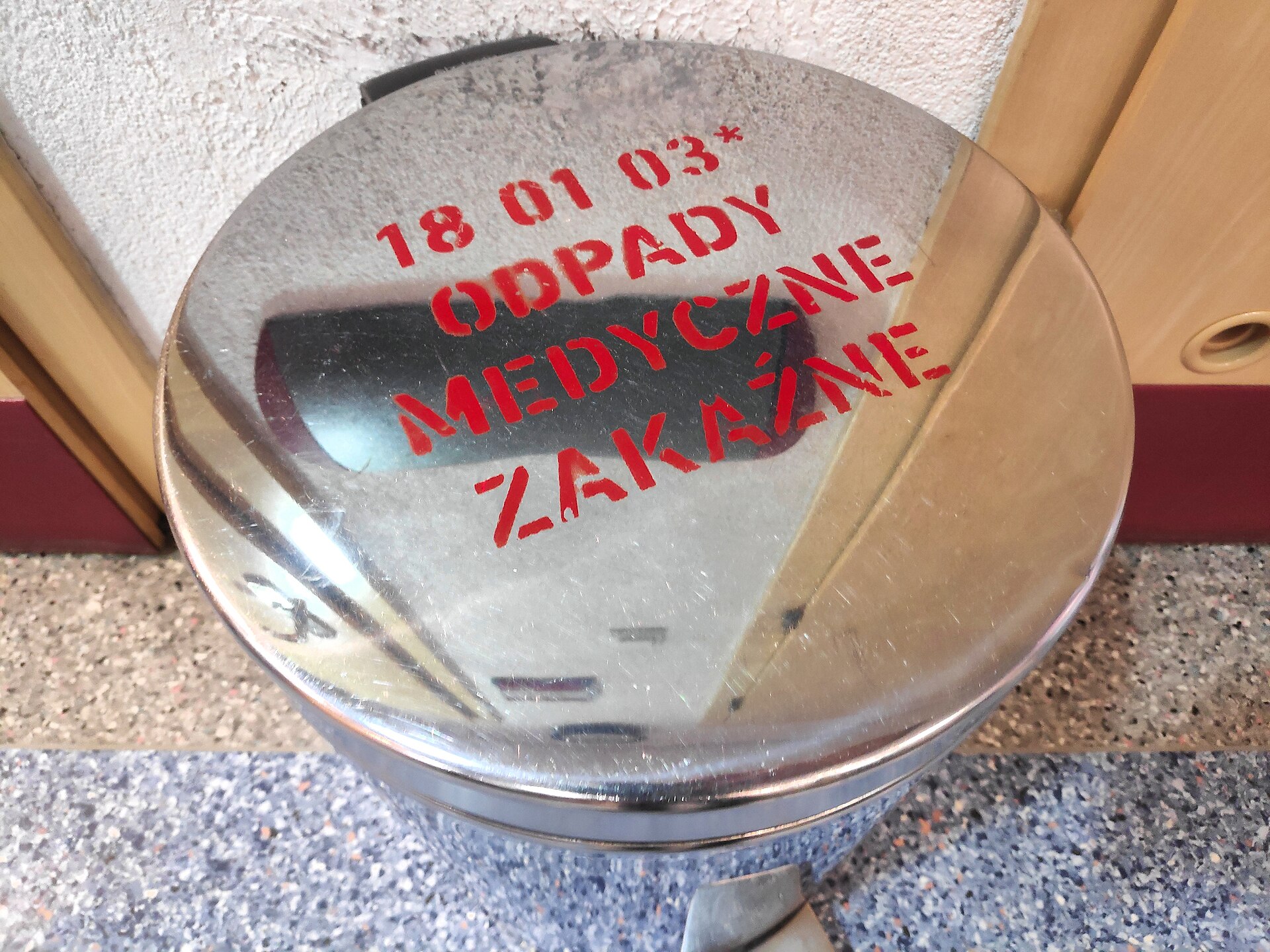
On-site shredding and disinfection that turns regulated medical waste into recyclable polymer flake. The disinfection is certified. Most of the headline numbers are not.
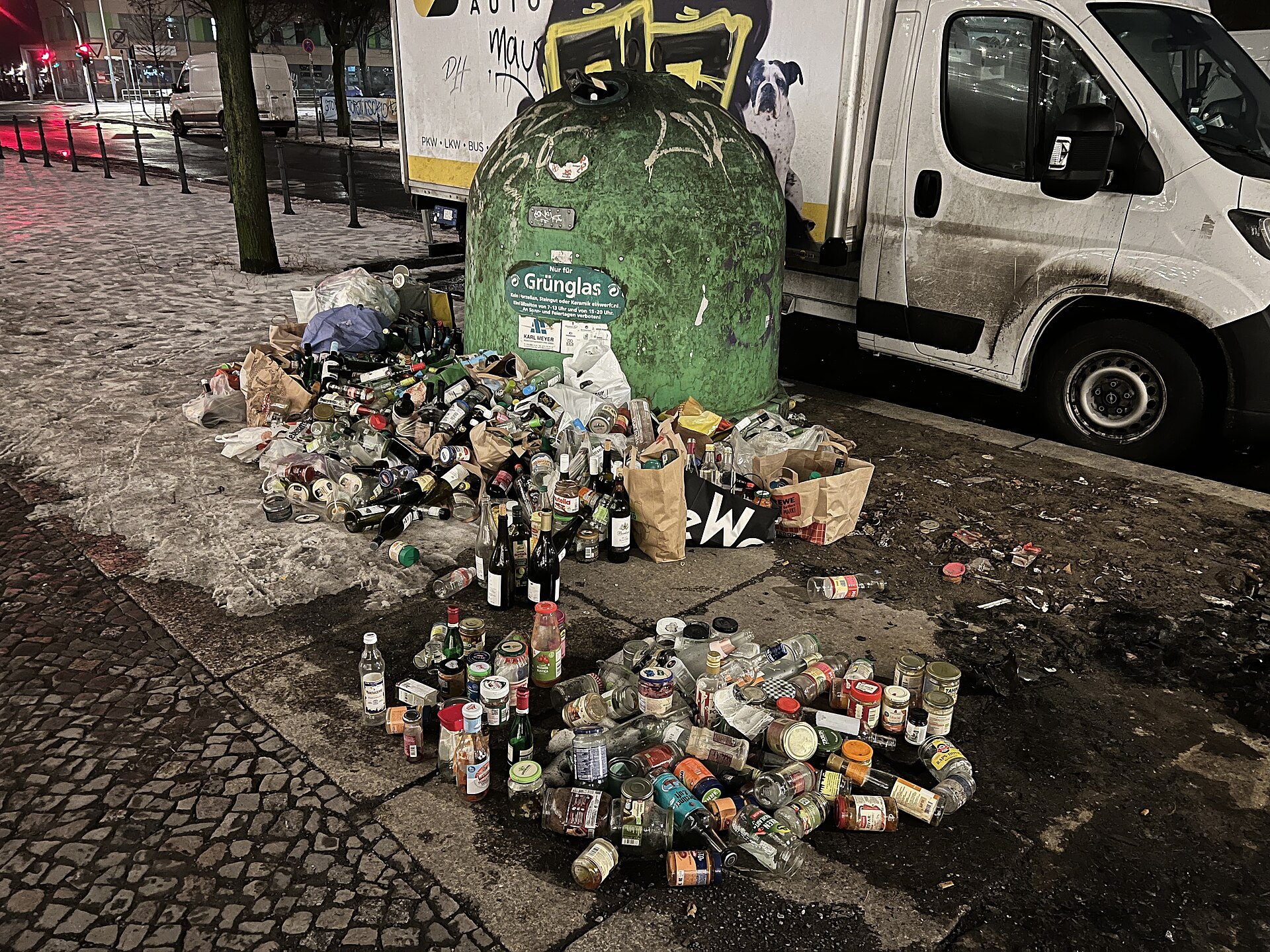
For decades half of Quebec's curbside glass was buried as landfill cover. A $20M optical-sorting upgrade finally gets it clean enough for the furnace.
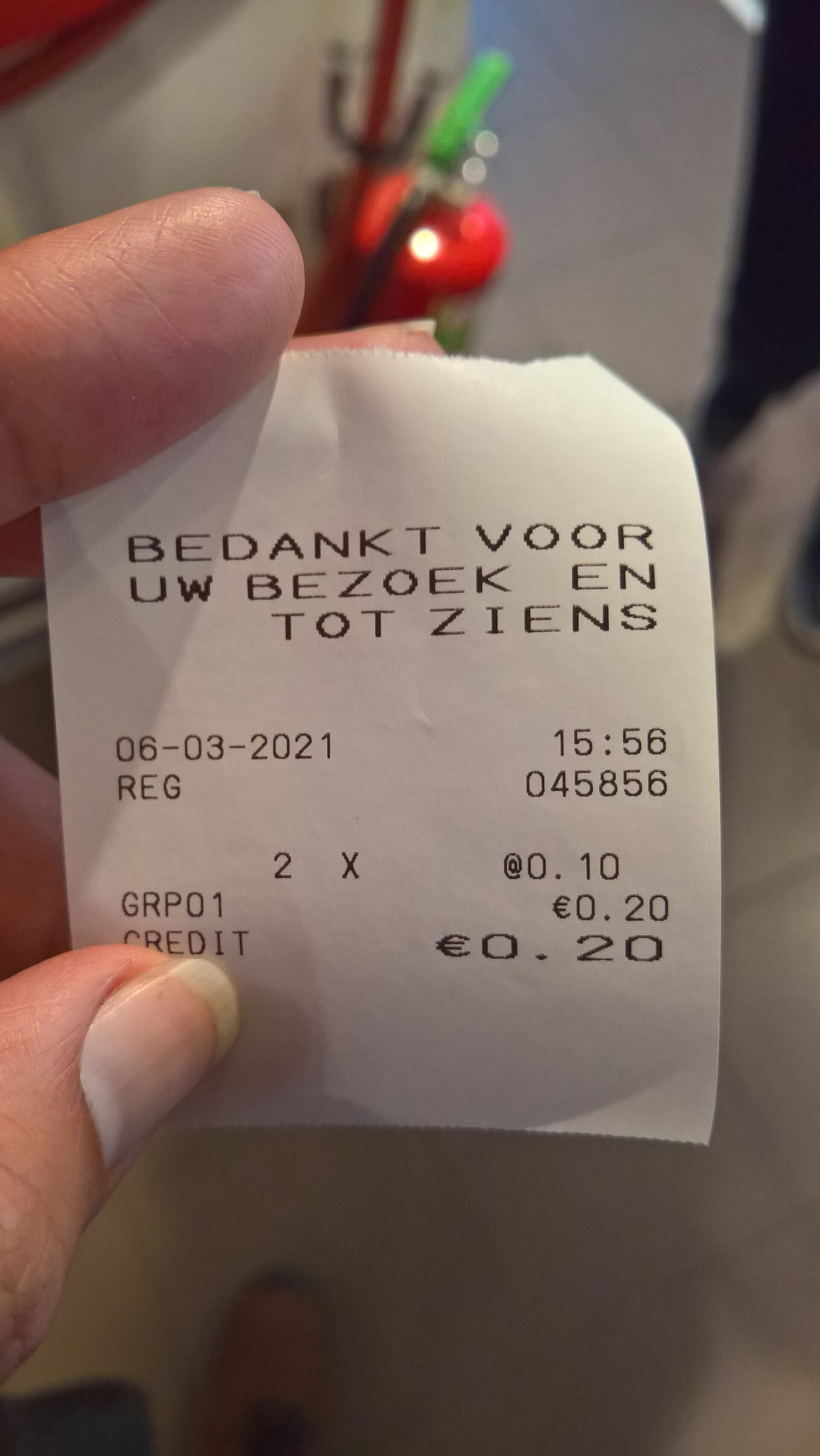
Two reverse vending machines in Dokki pay phone credit for bottles and cans — the exact fraction that has funded an informal collection economy for a century.
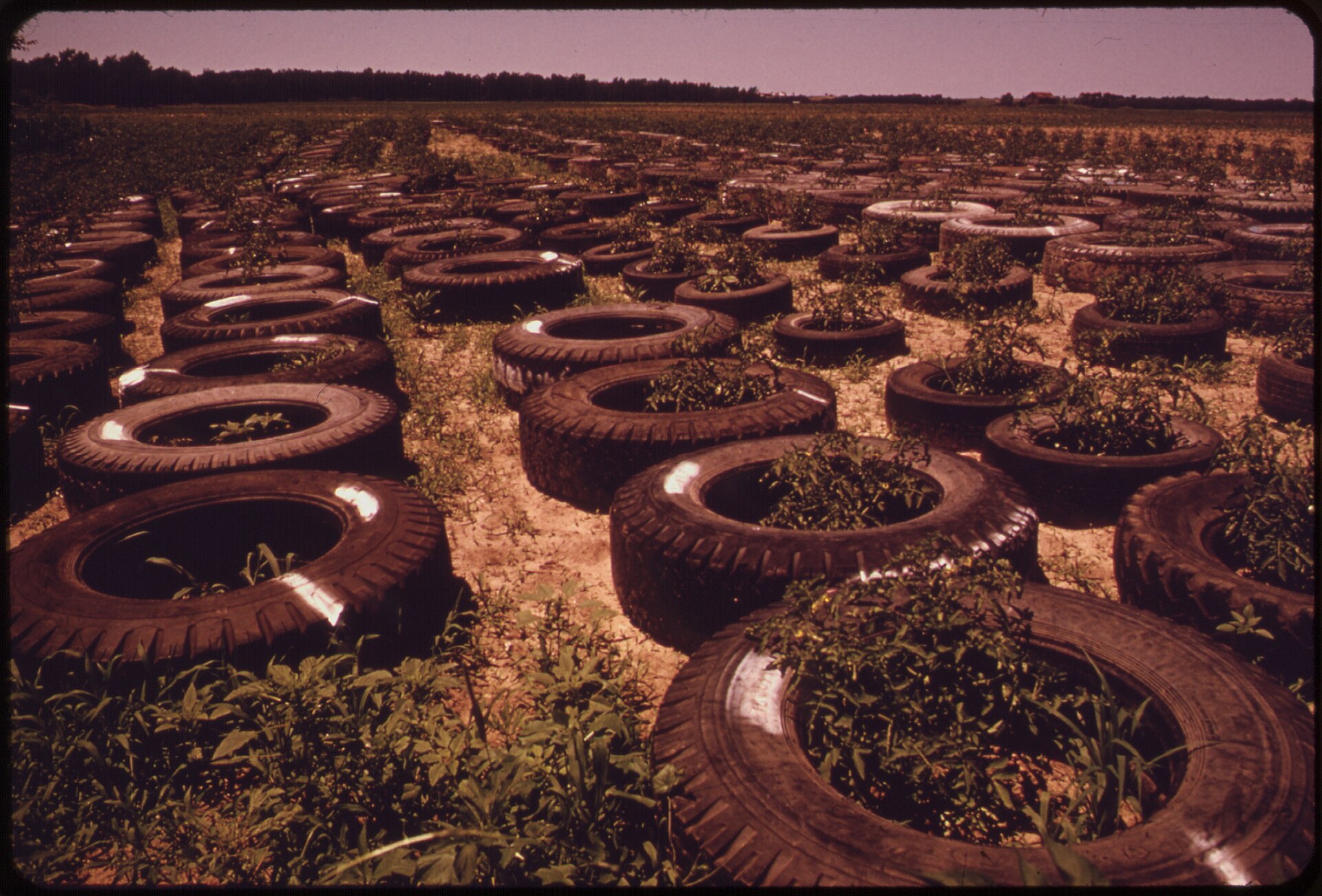
Four companies, six steps, and one link where the recycled content is attributed rather than physically traced. The pyrolysis is real. The loop is partly bookkeeping.
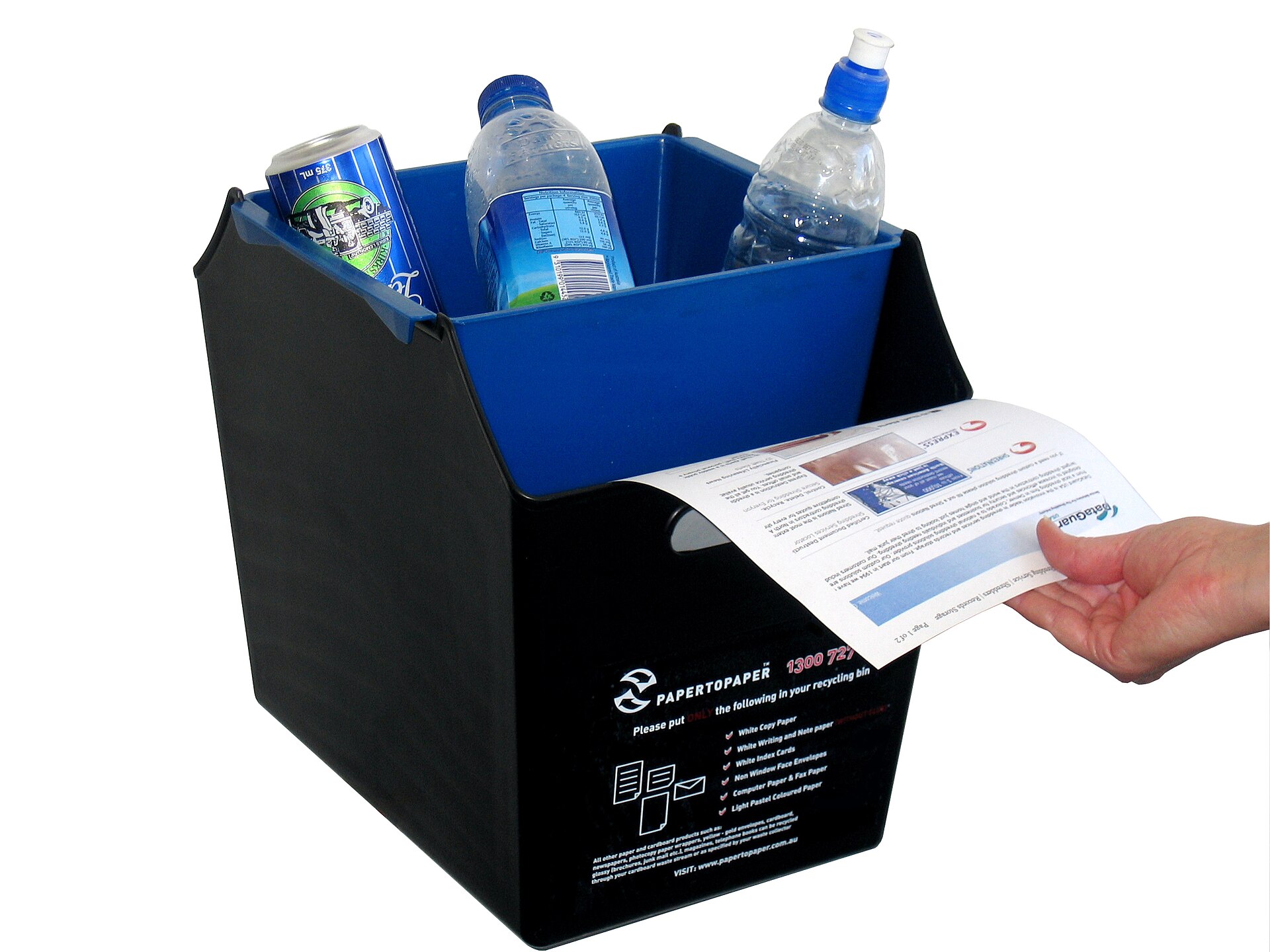
A hot-drink cup is about 95% paperboard. The other 5% is a polyethylene liner, and that 5% is why most mills reject the cup outright — even when you put it in the right bin.
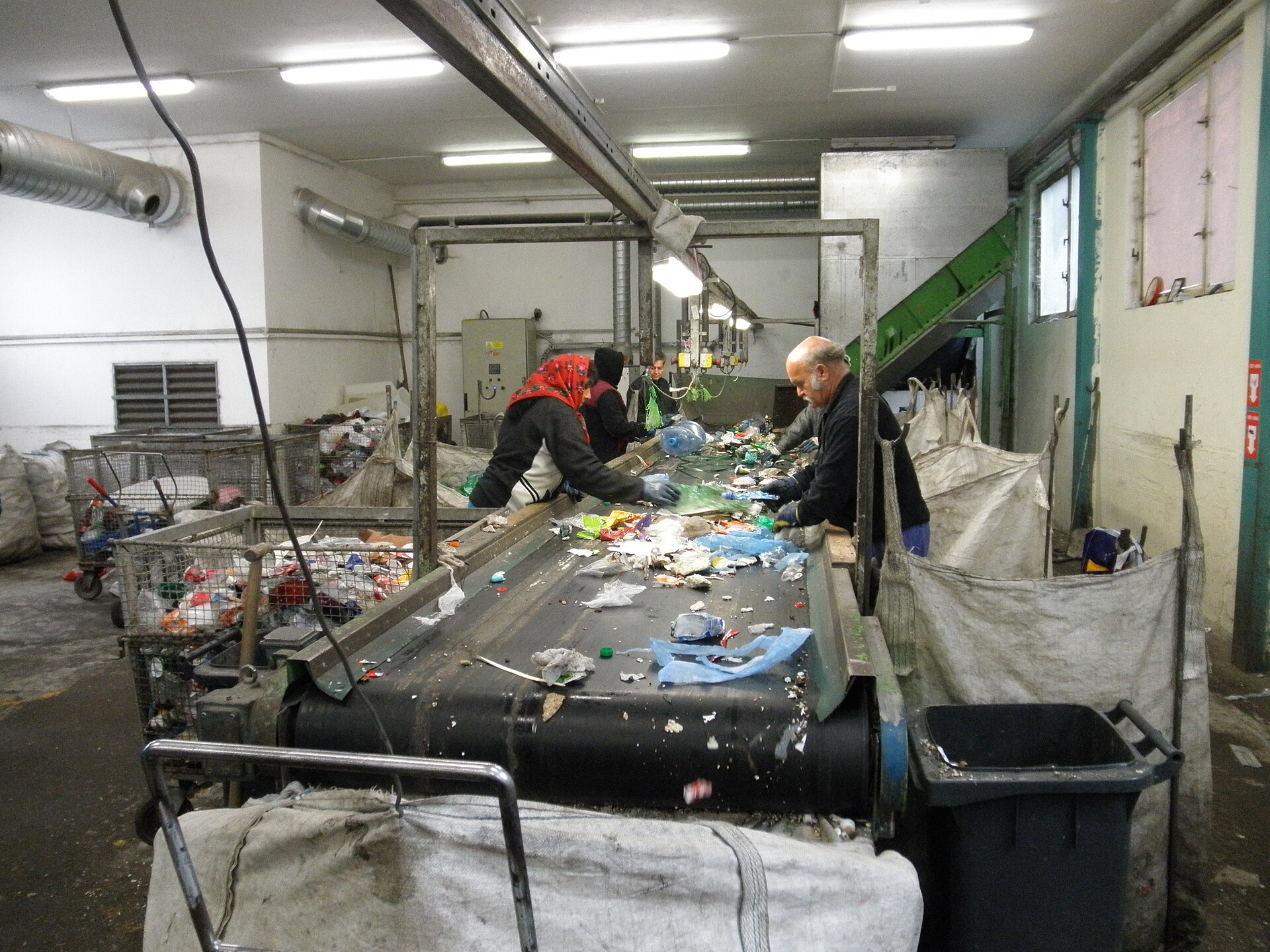
Near-infrared sorters are blind to black plastic and confused by multilayer film. Terahertz sensing sees through both. The physics is real; the belt speed and the detector price are not there yet.
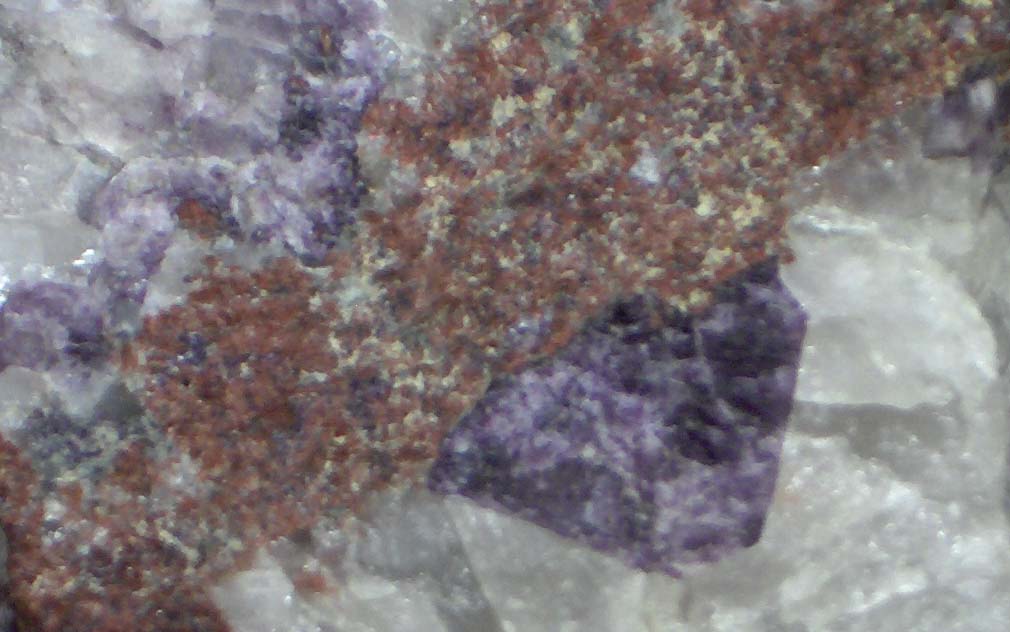
Recovering neodymium and dysprosium from used magnets has been technically demonstrated many times over. Almost none of it happens, and the reason has nothing to do with metallurgy.
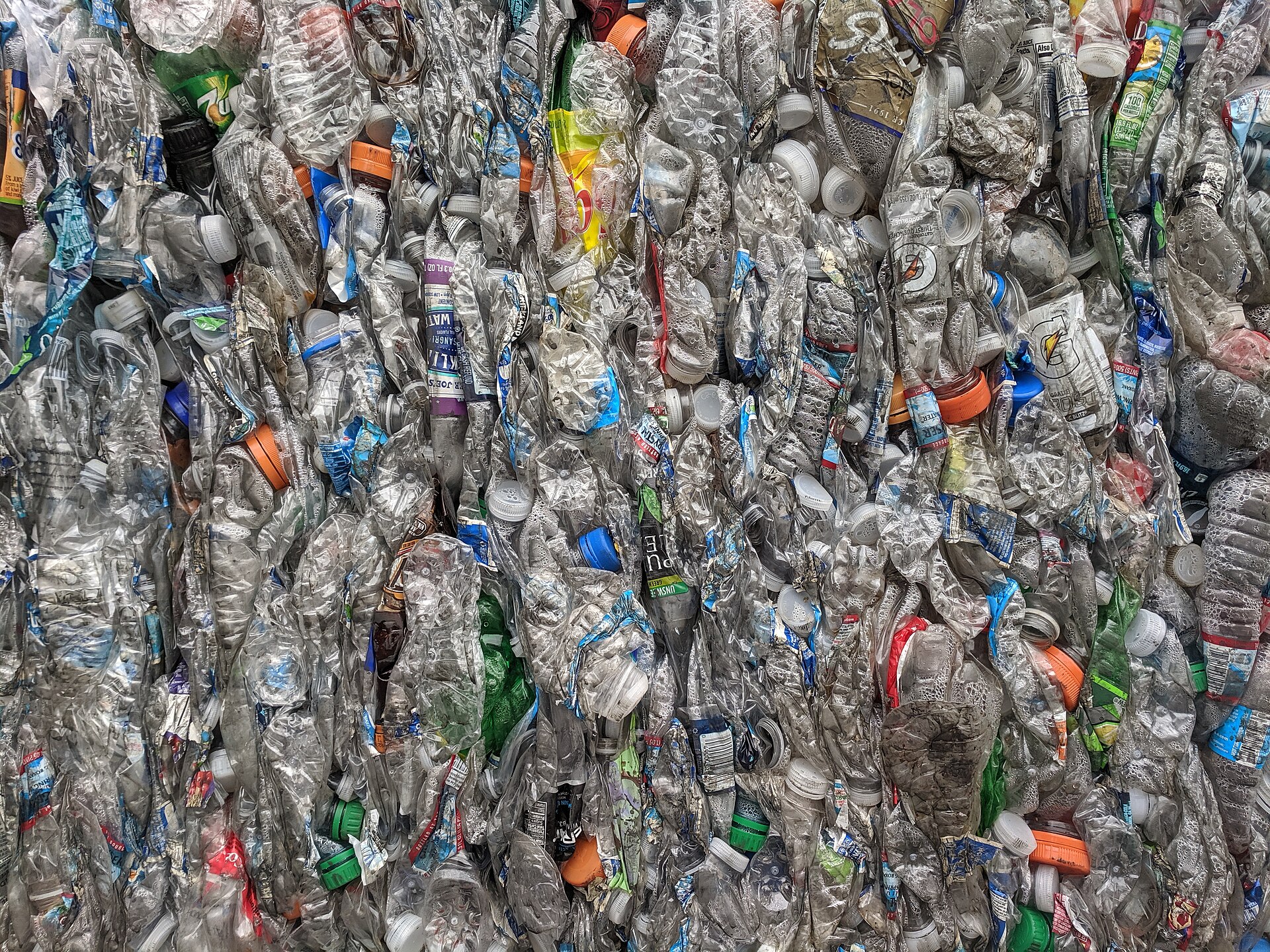
Chemical recycling of PET normally means a stirred tank and several hours. Kirin and JSW have moved the reaction into a continuous extruder. If the numbers hold, the interesting part is throughput per unit of capital.
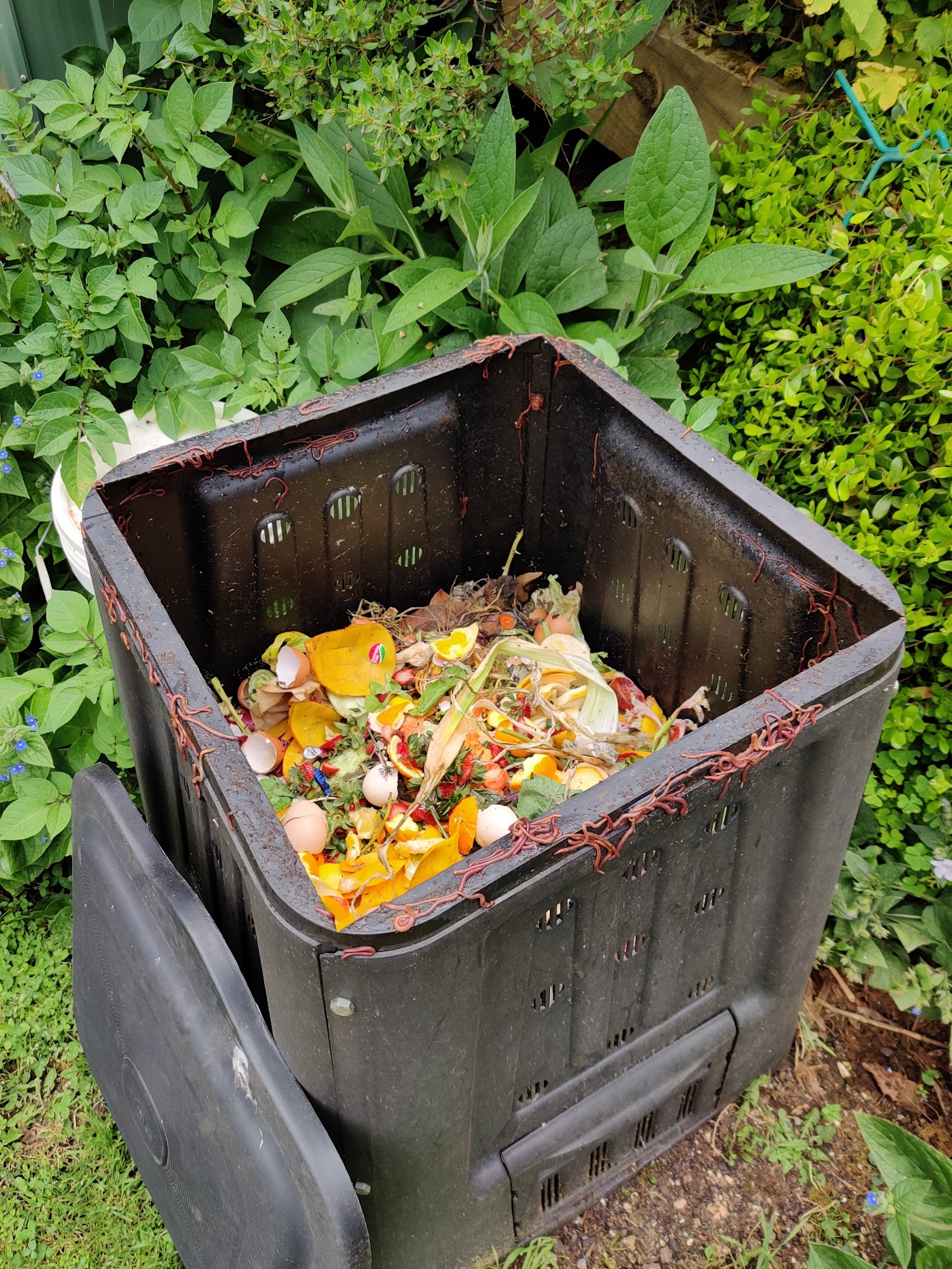
Certified compostable packaging is engineered to break down in a hot industrial windrow. Put it in a garden bin, a recycling bin or a landfill and it behaves like ordinary plastic — because in those conditions, it is.
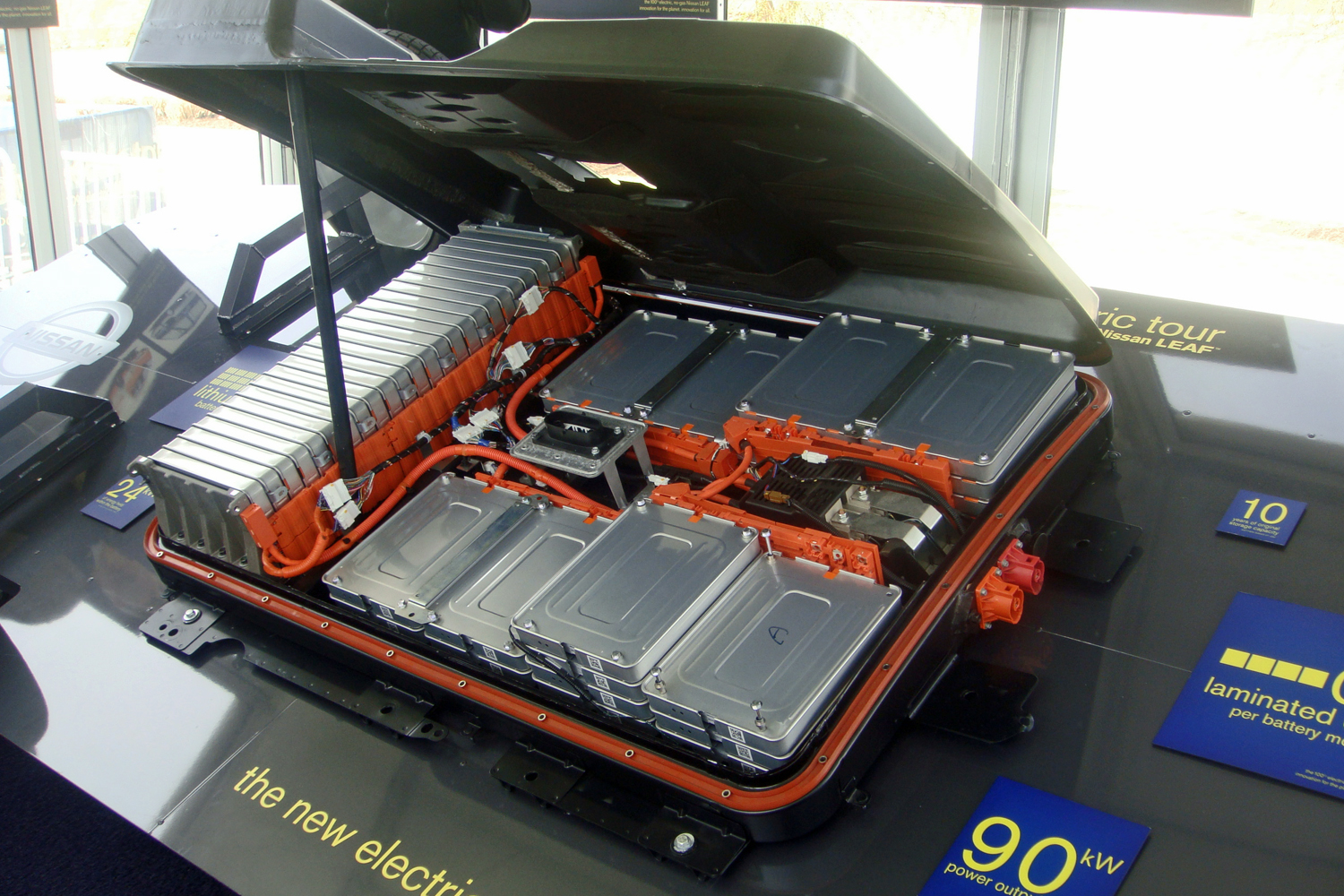
R3 Lithium is taking over battery recycling capacity in Covington, Georgia that Ascend Elements spent far more to build. The asset is real. The question is whether the funding matches what refining lithium to spec actually costs.
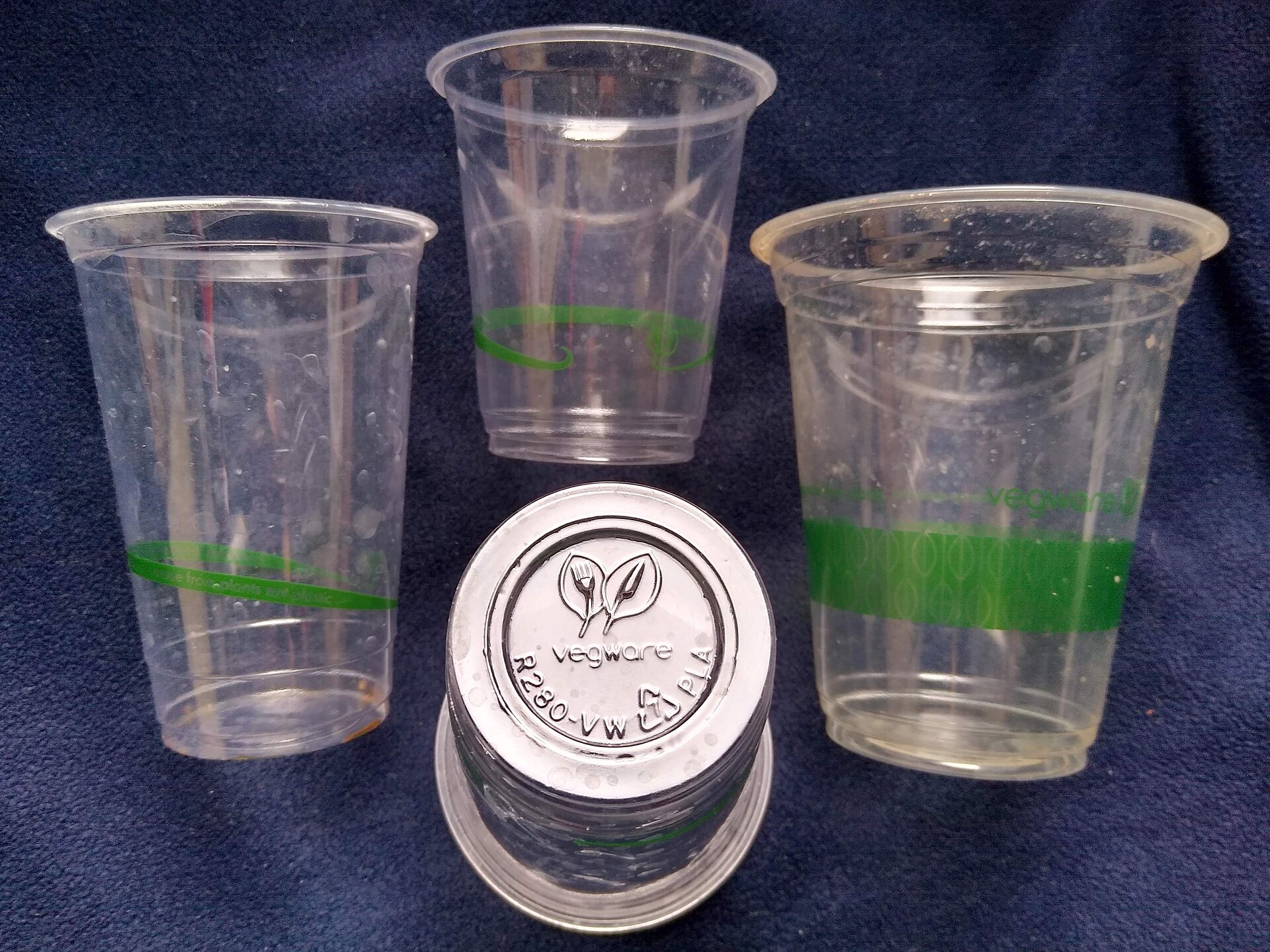
An EU project says it has closed the loop on PLA — sorting, depolymerising and repolymerising bioplastic back to virgin-grade. The chemistry is sound. The numbers that decide whether it matters are missing.
Chemical depolymerisation of nylon 6 back to caprolactam is proven chemistry with decades of industrial history. The constraint has always been that most nylon in the world is blended into textiles that cannot be separated.

Crushed concrete reacts with CO2 to form calcium carbonate. Done deliberately, that upgrades recycled aggregate and stores a modest amount of carbon — and the modest part is where most reporting goes wrong.
Glass really can be melted and remade forever without losing quality. About a third of it in the US actually is. The gap between those two sentences is the entire story.
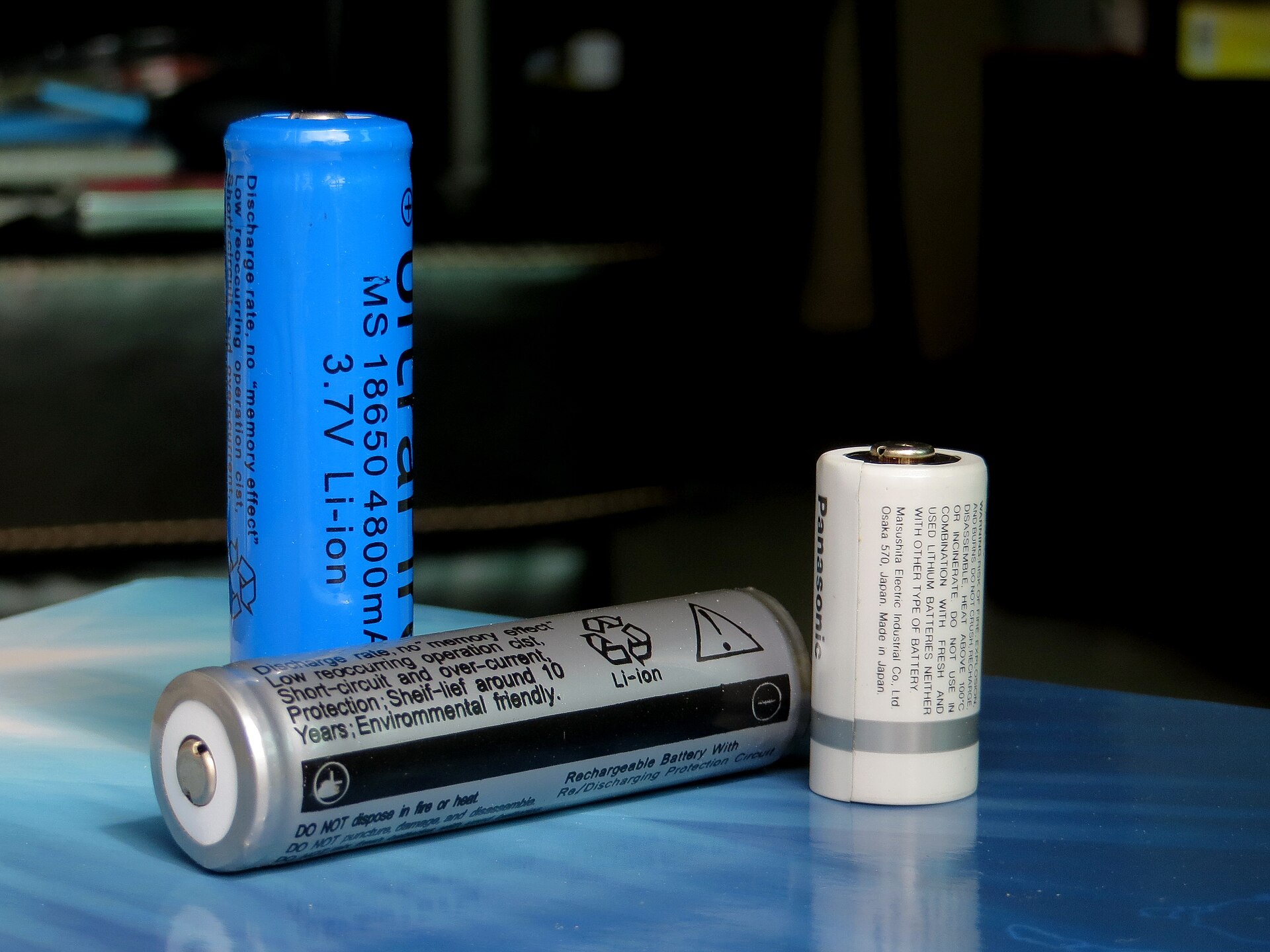
Rice University reports ~95% recovery of critical metals using citric acid. The chemistry is genuinely clever. The framing around it — the lemon, the 10% figure, the record — does not survive a close read.
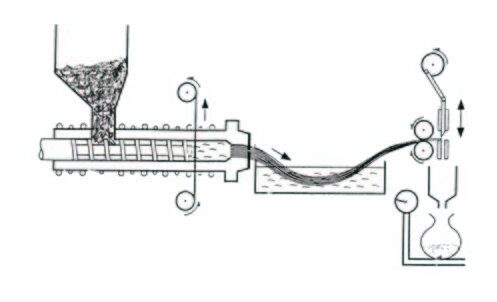
Mass balance accounting lets a producer allocate recycled input to selected outputs. The molecules are real somewhere in the plant. They are not necessarily in the product carrying the label.
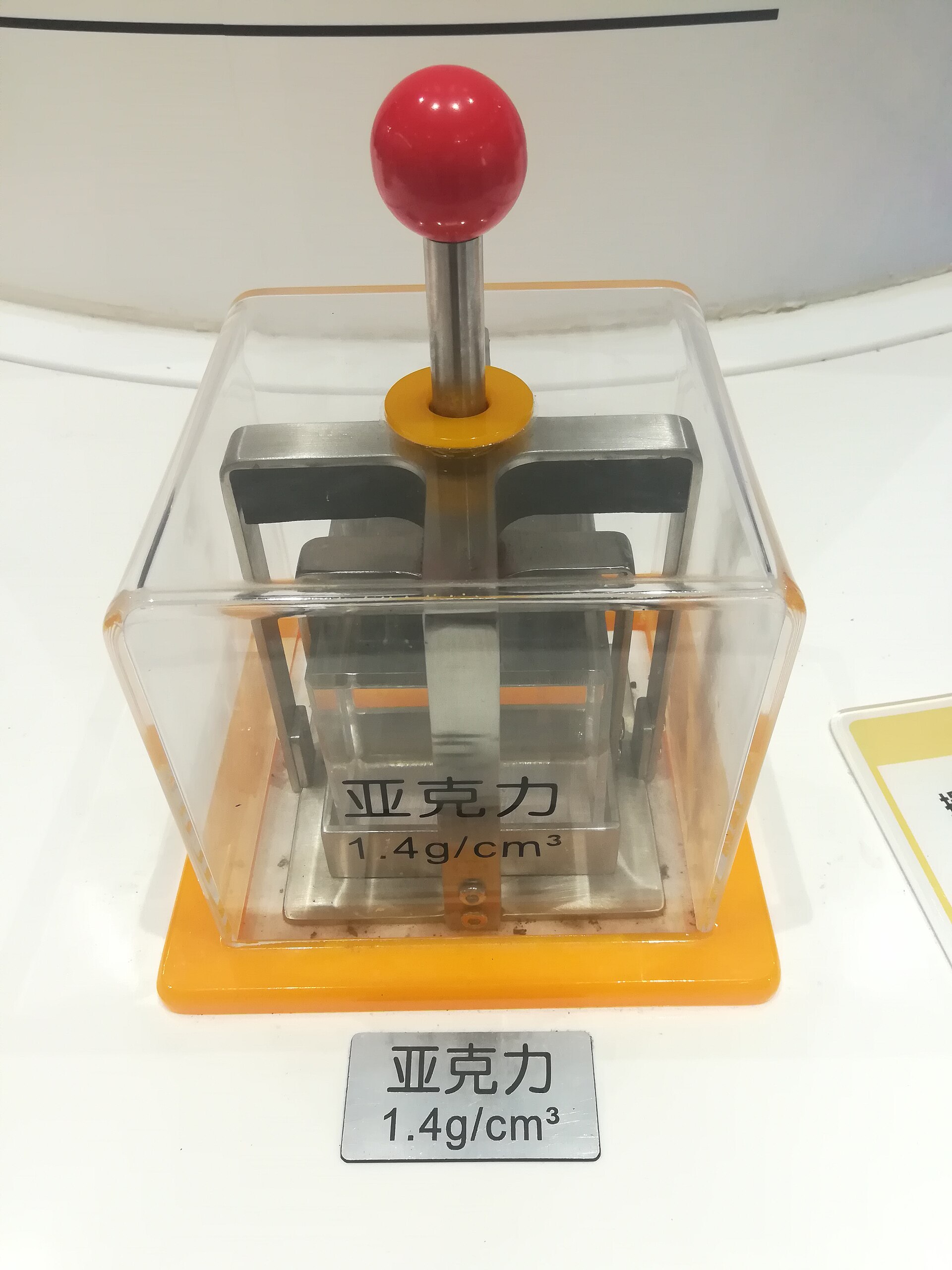
PMMA depolymerises back to its own monomer at high yield with nothing more exotic than heat. It is the clearest existing example of true chemical recycling — and the reason it stays rare is collection, not chemistry.
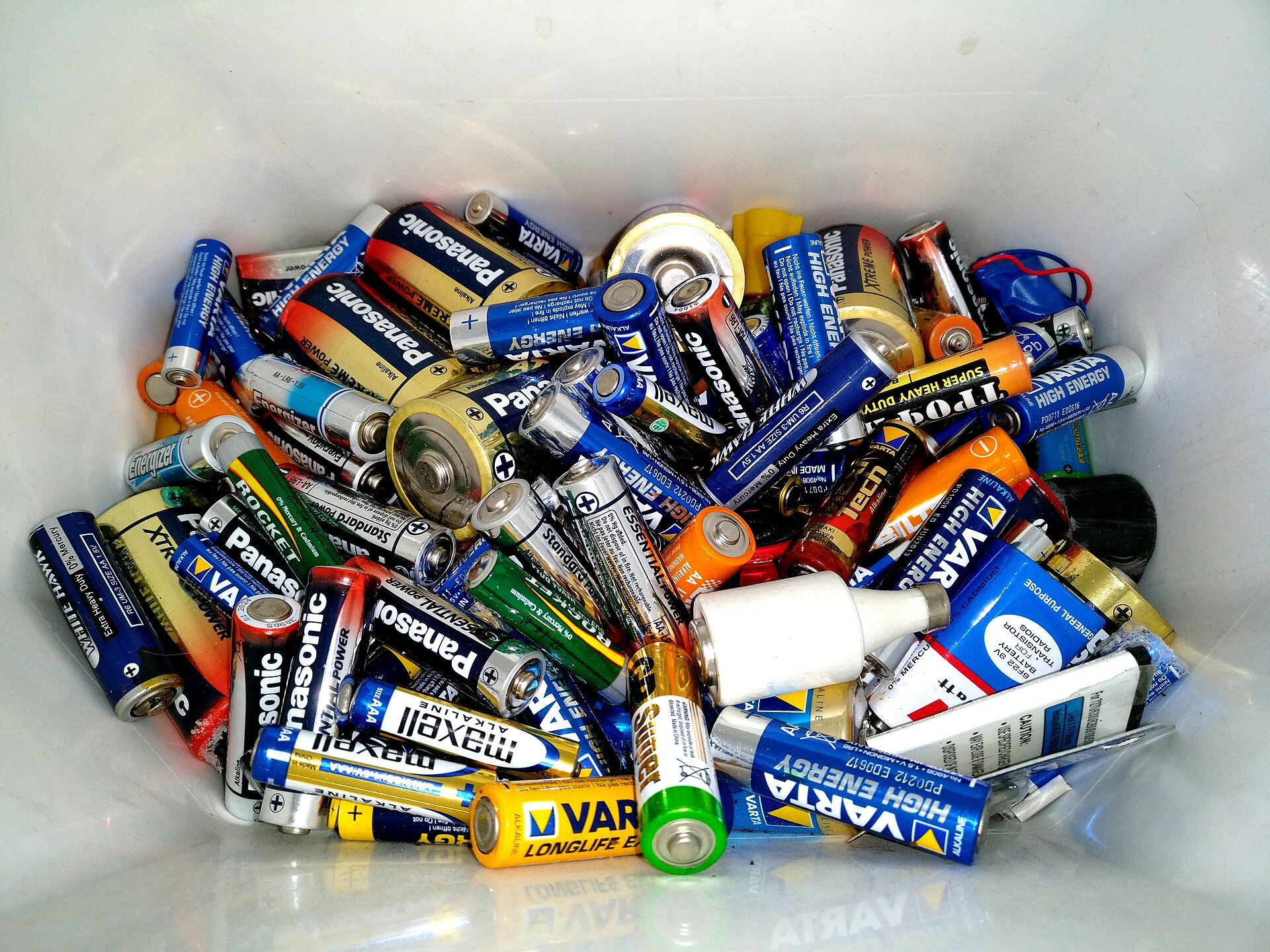
A pilot plant recovering lithium without mineral acid is a genuine contribution. The gap between pilot tonnage and the volume of batteries reaching end of life this decade is three orders of magnitude.
Conventional battery recycling dissolves cathodes in hot mineral acid. Microwave-assisted leaching in a deep eutectic solvent does the same job at lower temperature, in minutes, with a solvent you can in principle reuse.