TeardownOctober 6, 2026
A MOF can catch metals. Can it keep working in a treatment column?
High batch adsorption capacity is a starting point, not a specification for continuous wastewater treatment or rare-earth products.

Explainers, teardowns, and myth-busting on waste management systems and green engineering.
High batch adsorption capacity is a starting point, not a specification for continuous wastewater treatment or rare-earth products.
Longer contact with roots and biofilms can help treatment, but flow, land area and pathogen data are still needed.
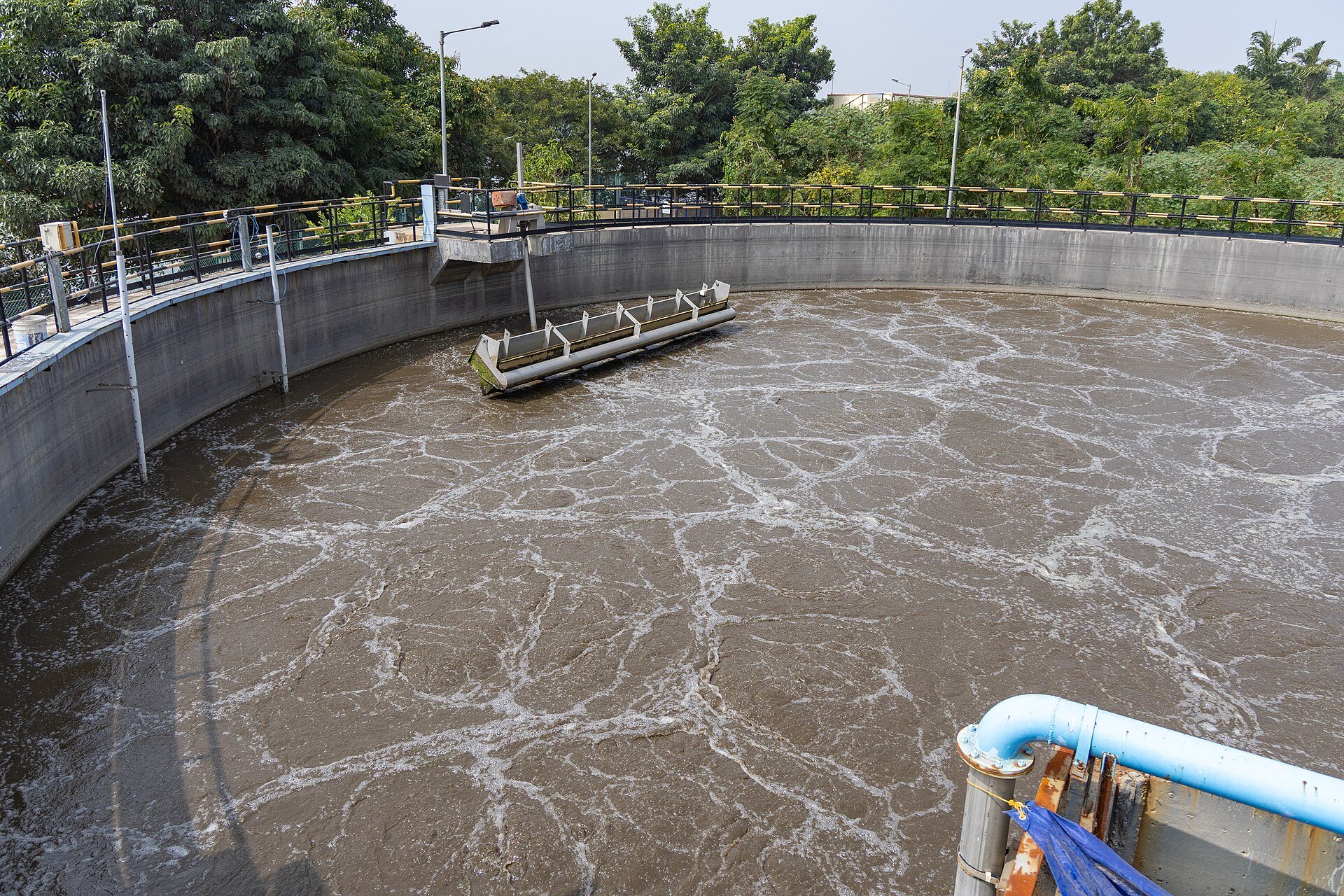
RMIT researchers upgraded a 1960s treatment step — dissolved air flotation — by pairing microbubbles with nanobubbles. Lab results top 90% microplastic removal. Here is the mechanism and the caveats.
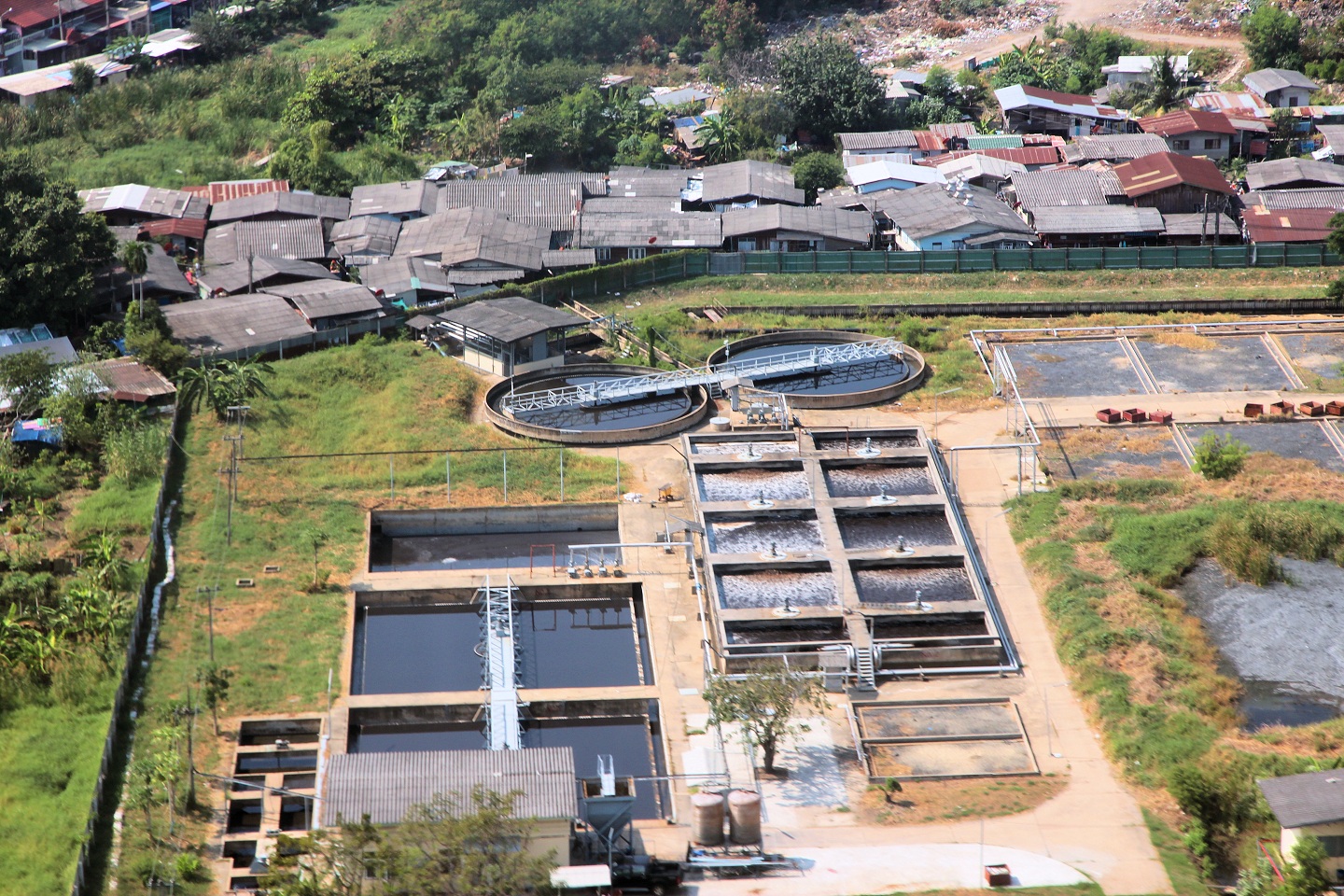
Temple and NJIT researchers built a treatment cell that generates seven times more electricity than it consumes while recovering struvite. At bench scale.
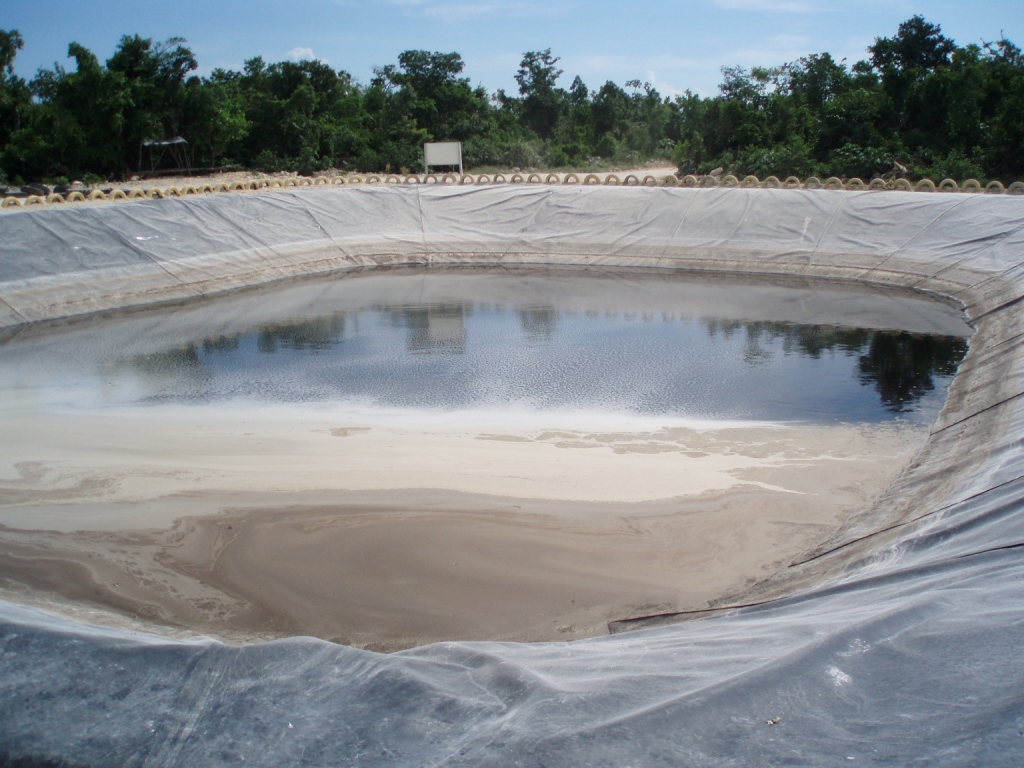
Rain moves through buried waste and comes out carrying PFAS. Municipal wastewater plants were never designed to remove it. New York proposes making landfills do it on site.
Three ions that a treatment plant desperately wants gone will, under the right conditions, snap together into a crystal worth selling. The same crystal also destroys the pipes. Here is the mechanism.
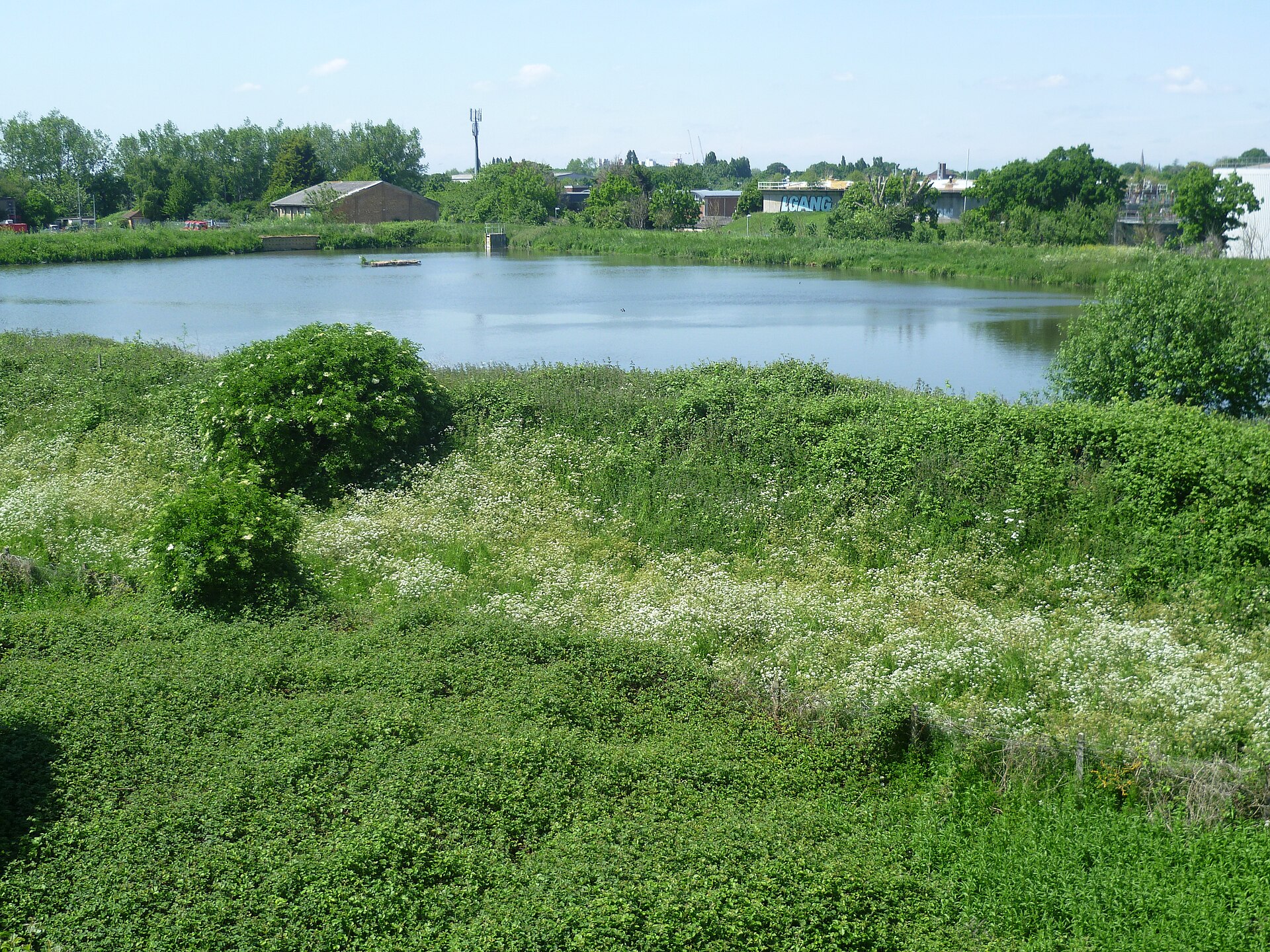
Wastewater treatment lagoons are cheap, common, and quietly among the largest methane sources in the water sector. A four-year Australian trial floated plants on one and measured what happened.
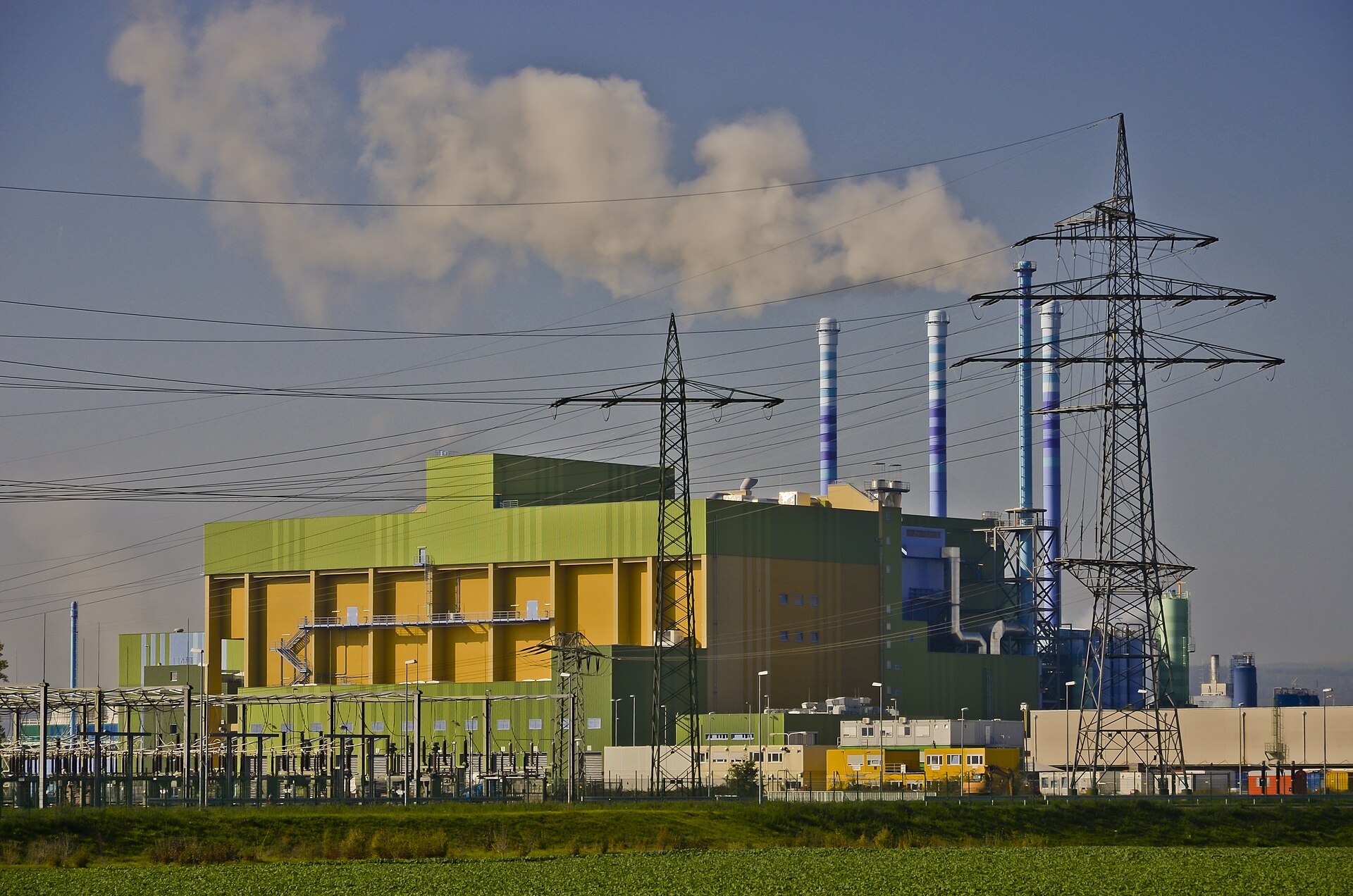
A Kyoto University spinout says its aqueous chemical looping process turns wet sewage sludge into power at 2–4× biomass efficiency with near-pure CO2 capture. The target problem is real. The disclosed evidence is a feasibility study and a set of conditional verbs.
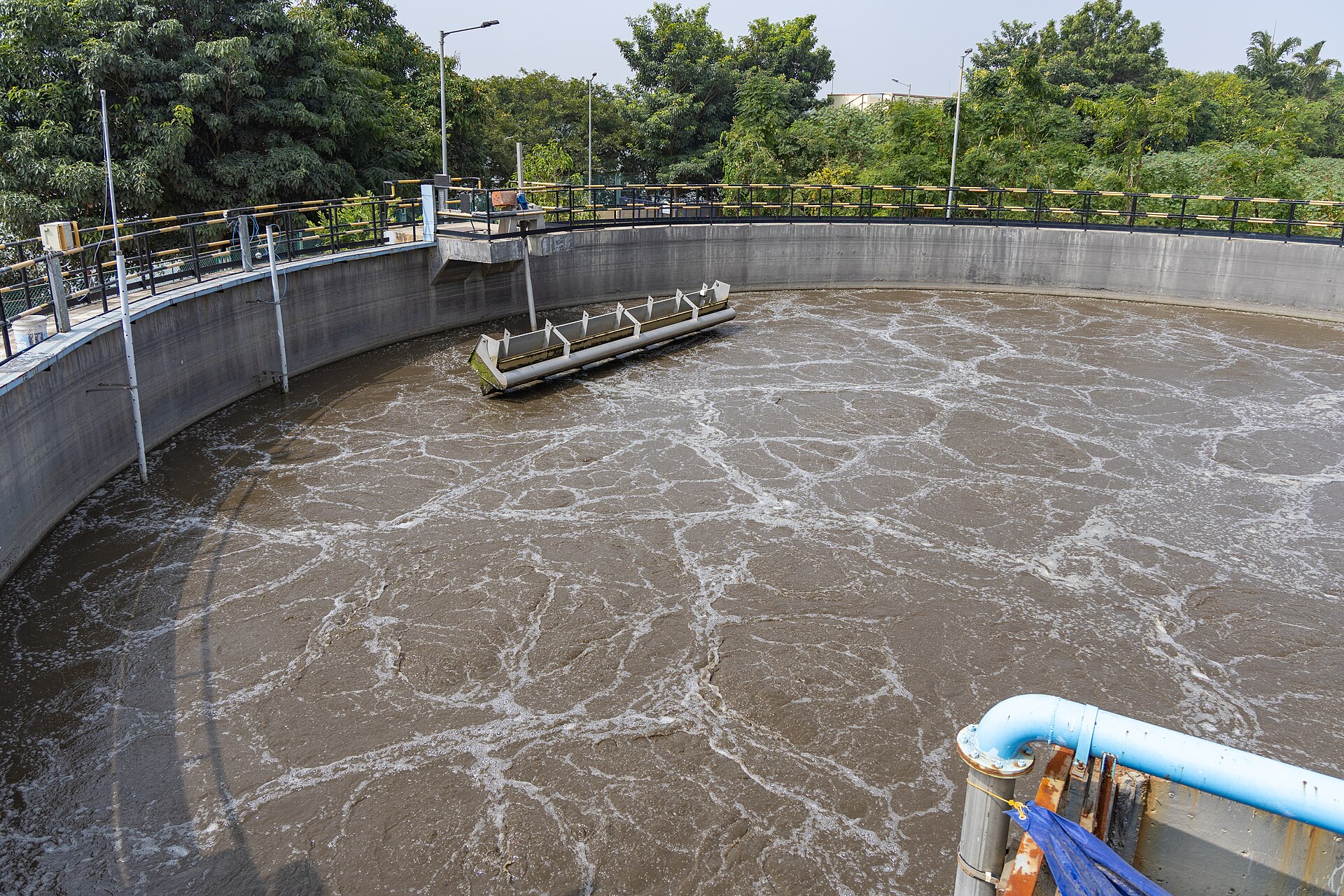
"Treated" describes a process, not a permitted end use. Between sewage effluent and drinking water sit three distinct categories, each with its own treatment train, monitoring regime and regulator.
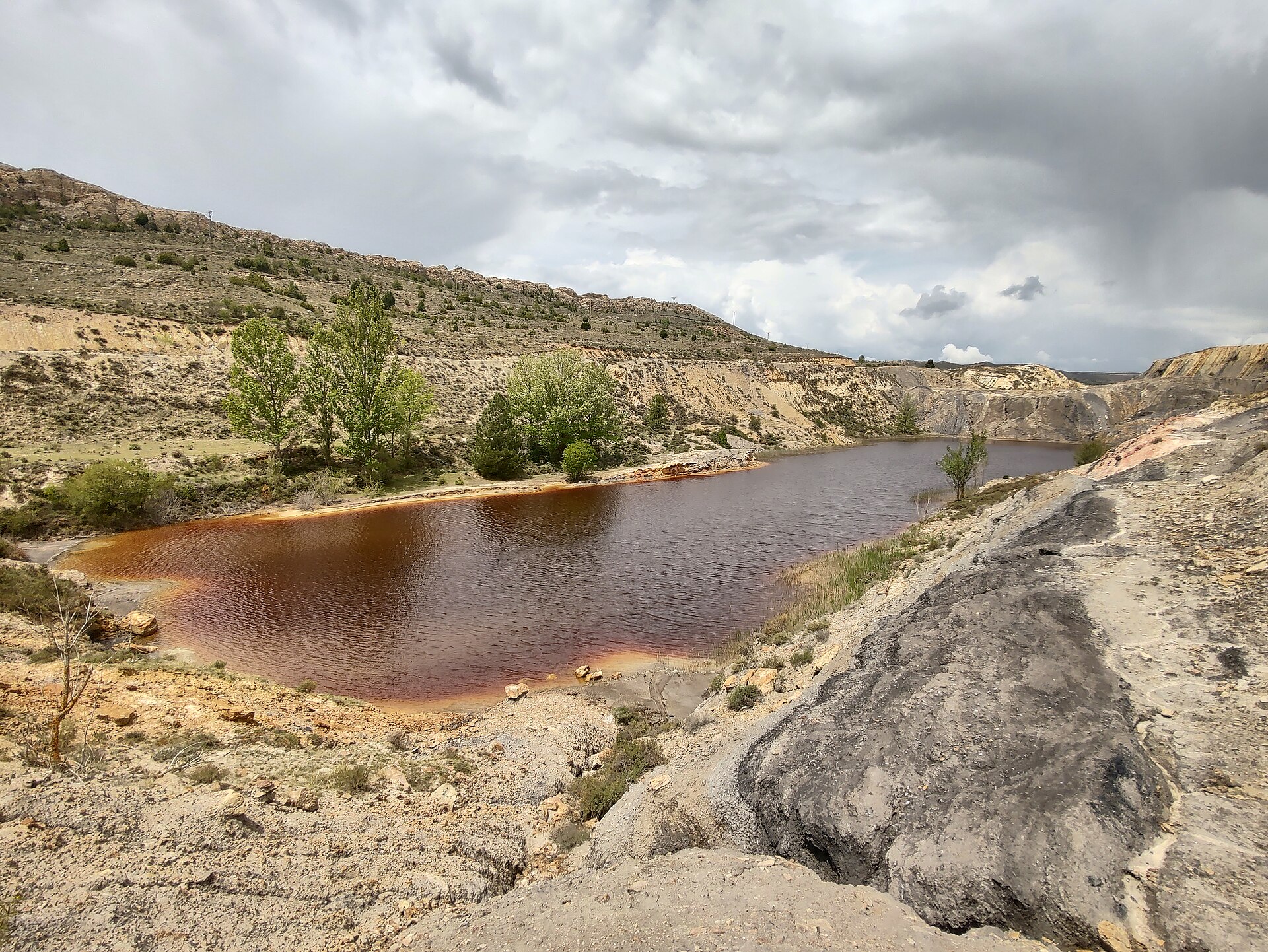
A one-month pilot at a historic Arizona copper site aims to plate saleable copper out of legacy mine water using filtration plus electro-extraction. The bench numbers are strong. The scale numbers do not exist yet.
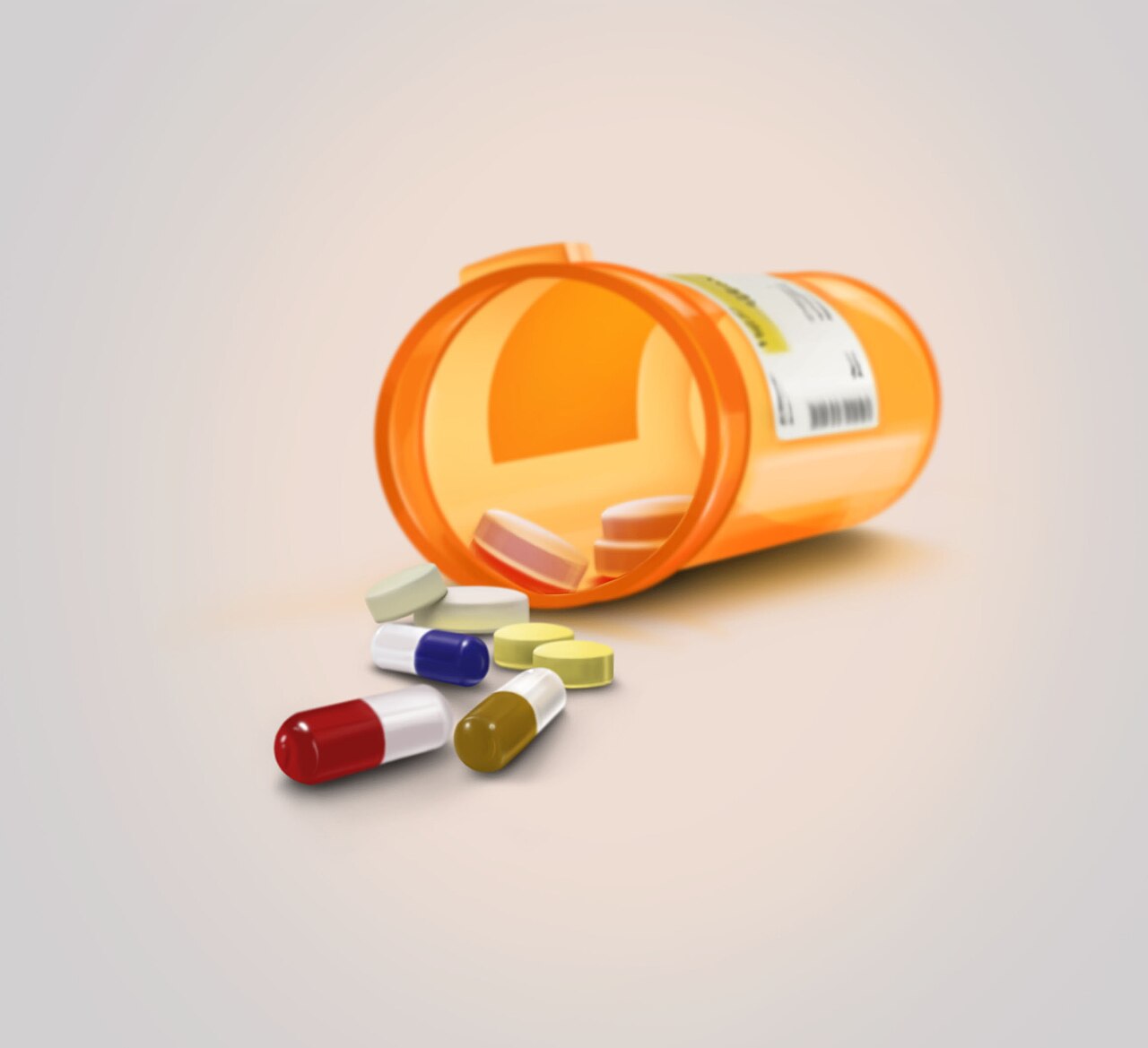
Conventional wastewater plants were built to remove suspended solids and biodegradable organic matter. Pharmaceutical compounds were never part of the design brief. The FDA's flush list exists precisely because flushing is the exception, not the default.
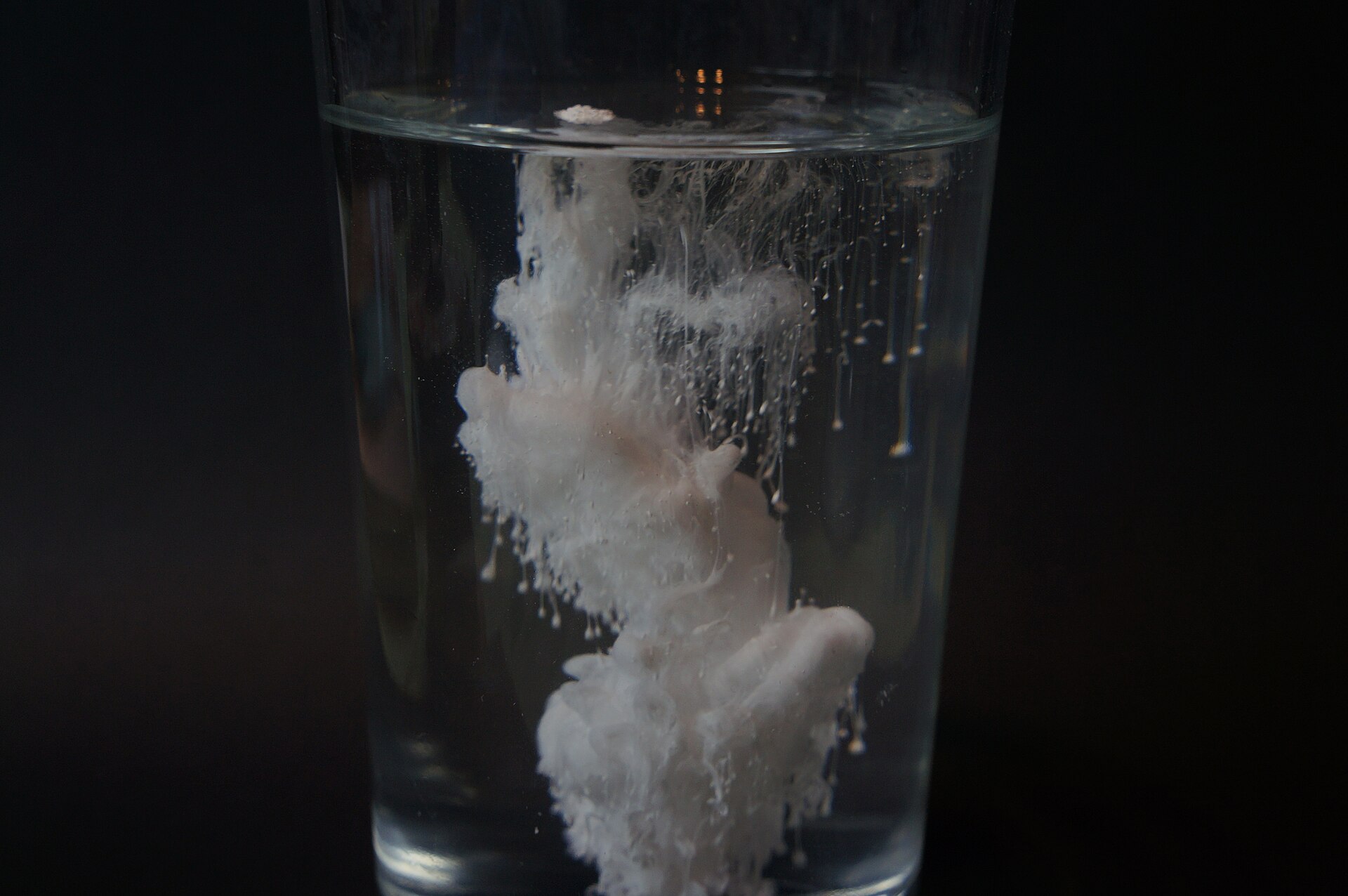
Photocatalysis usually arrives as a powder you then have to fish back out of the water. Fixing the catalyst to a resin bed turns it into something closer to a treatment step: water in one end, oxidised organics out the other.
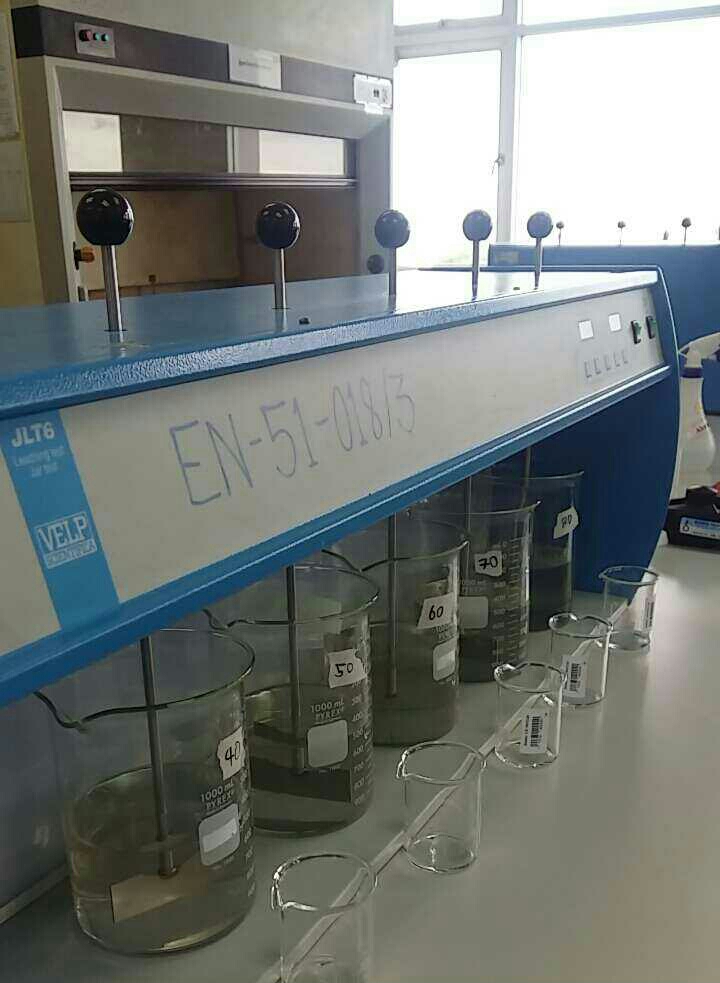
A UK startup just raised £700,000 to pull aluminium and iron treatment chemicals back out of water-plant sludge. It is a good excuse to explain a circular loop most people never see: the chemicals that clean water can themselves be recovered.
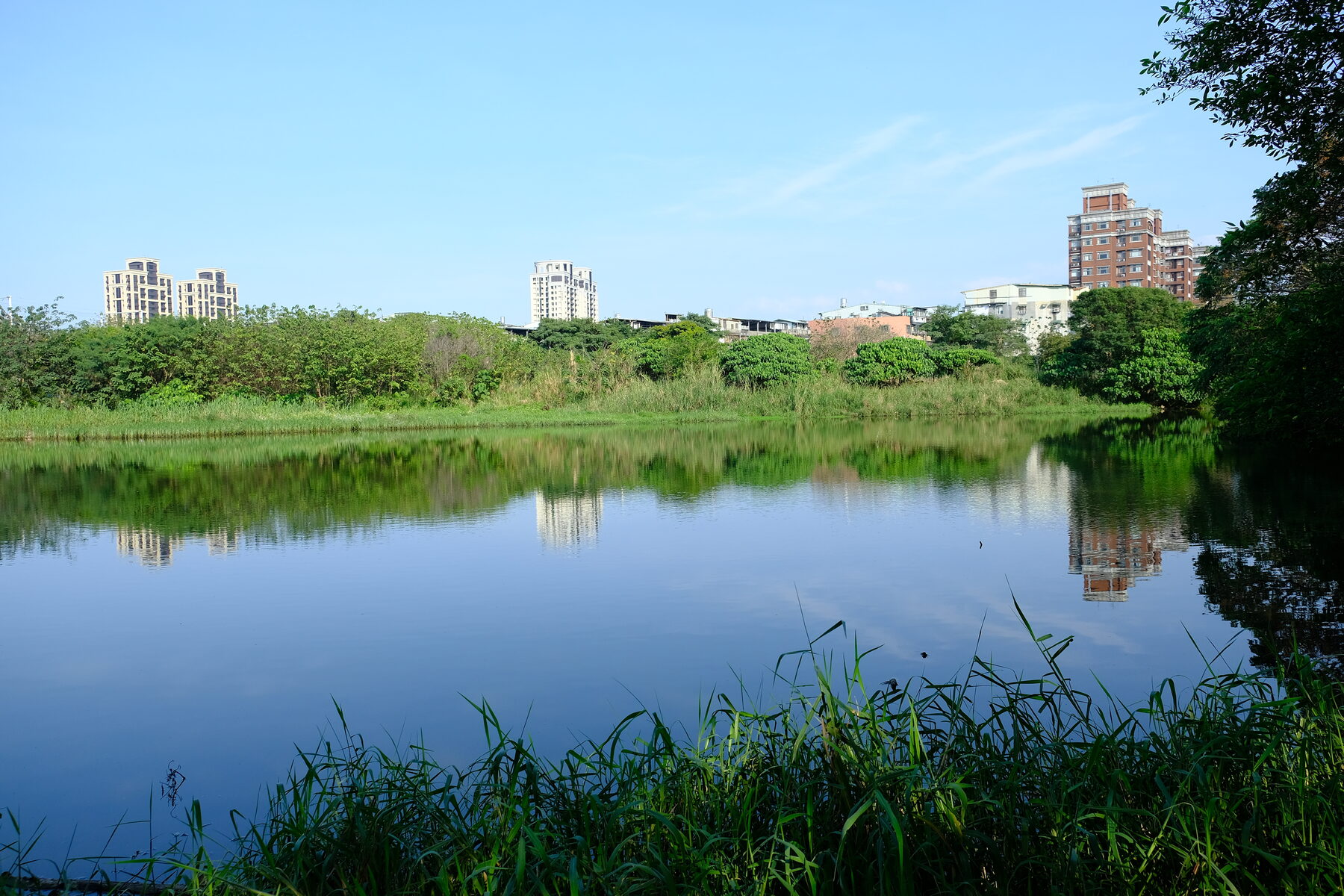
A planted gravel bed is a reactor, not a garden. A new study swaps the gravel for iron-manganese modified rice-husk biochar - and reports strong nitrogen and phosphorus removal on wastewater too carbon-poor for conventional denitrification.
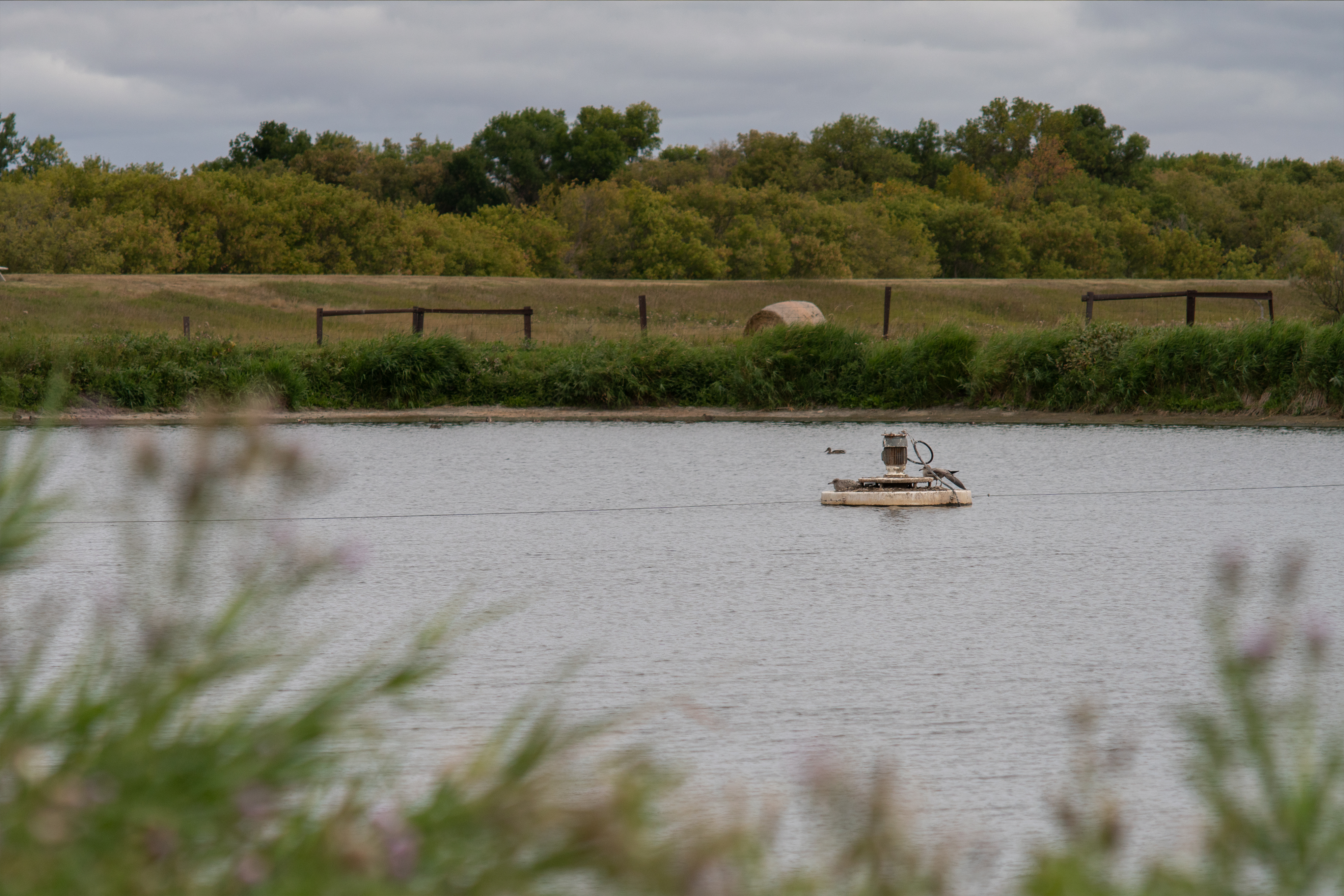
A lagoon treatment train can strip pollution out of sewage and still push methane into the air. A paper published on 10 August measured one facility at roughly 2.0-2.3 times its reported estimate. Here is where the gas escapes.
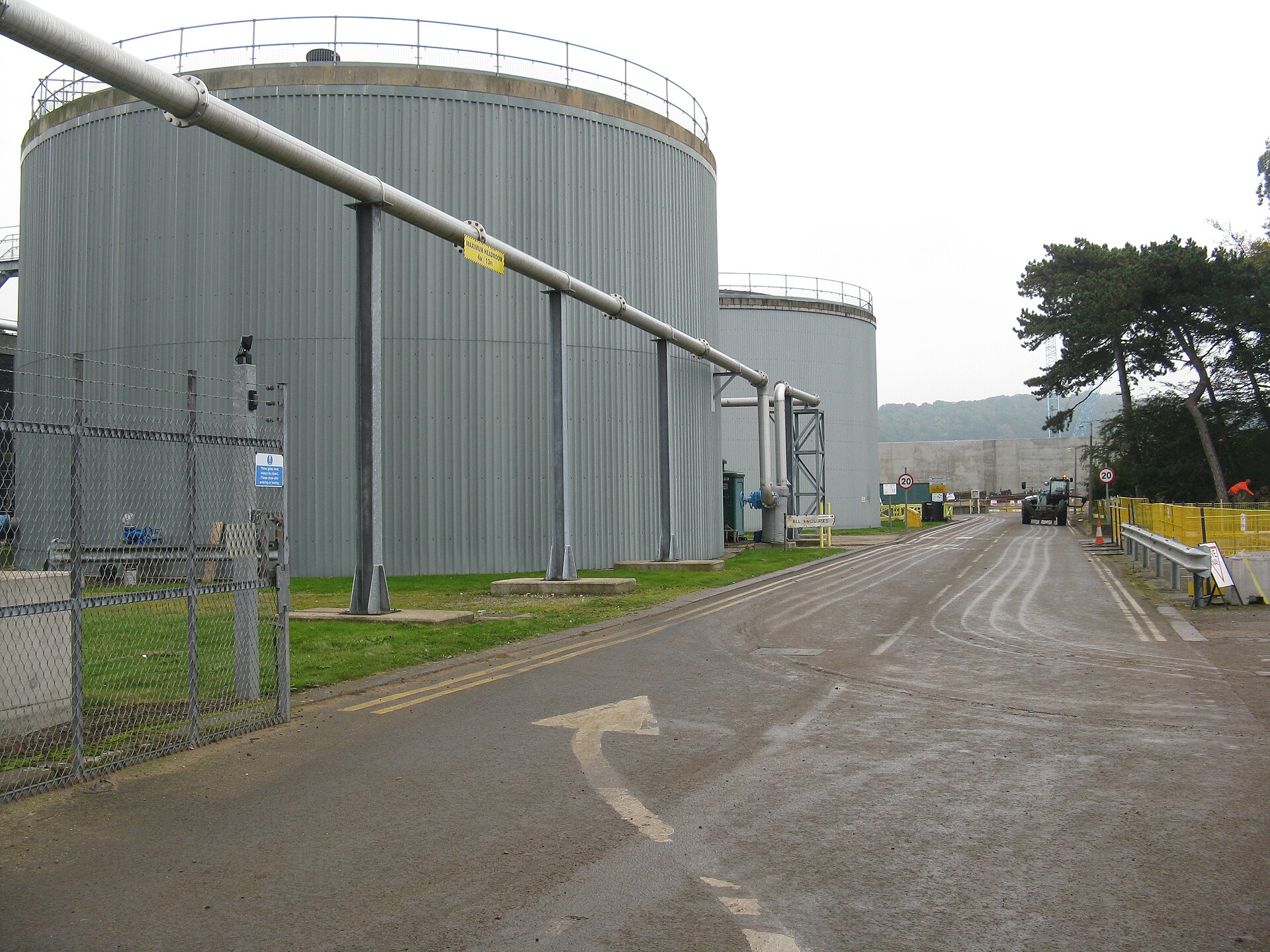
Most advanced oxidation burns a pollutant down to CO2. A new iodine-shuttling anode does the opposite: it stitches phenols together into an insoluble solid you can filter out.
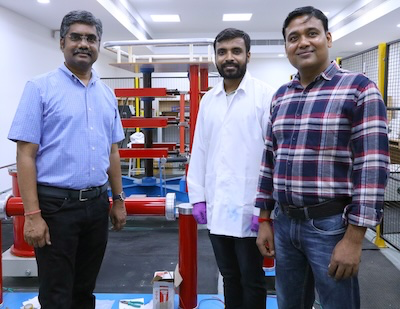
Six nines of disinfection, 90% organics removal, reusable water and biogas — announced without an energy balance, a cost figure, or a recovery yield. A teardown of what the numbers do and do not say.
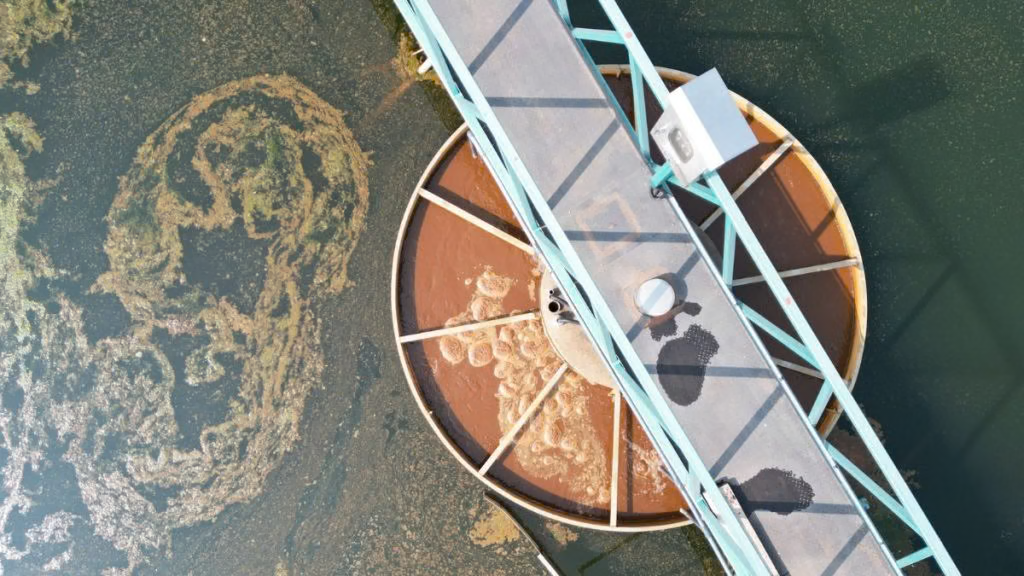
A BITS Pilani system disinfects pharmaceutical wastewater with electric pulses, digests the organics biologically, and turns the leftover sludge into methane. Here is the logic of each stage.