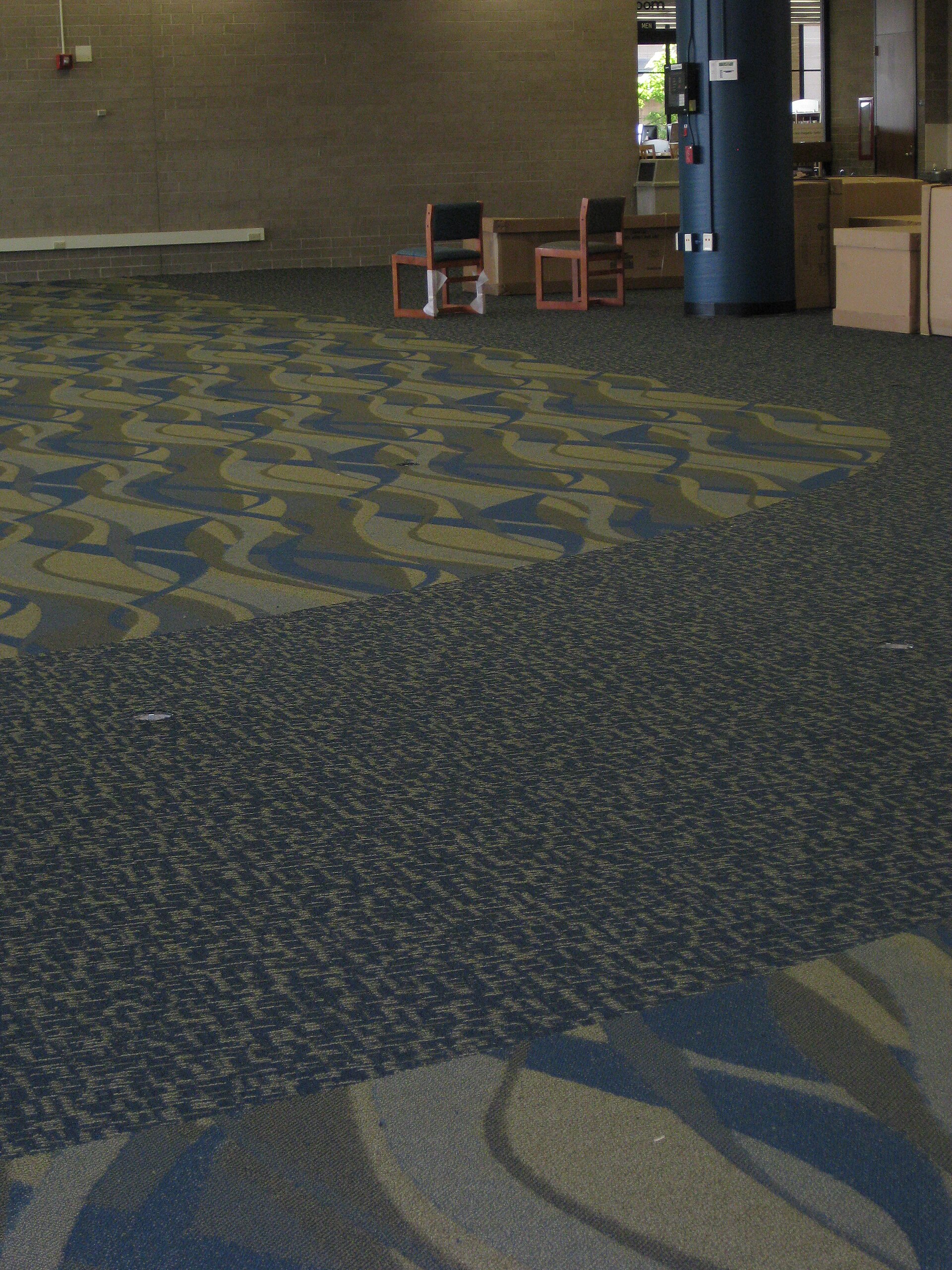
California Recycles 37% of Its Carpet. That Number Took Fifteen Years
The first carpet EPR programme in the US now runs 174 drop-off sites and recycles 78.5 million pounds a year. It is also a lesson in how slowly EPR moves.
Explainers, teardowns, and myth-busting on waste management systems and green engineering.

The first carpet EPR programme in the US now runs 174 drop-off sites and recycles 78.5 million pounds a year. It is also a lesson in how slowly EPR moves.

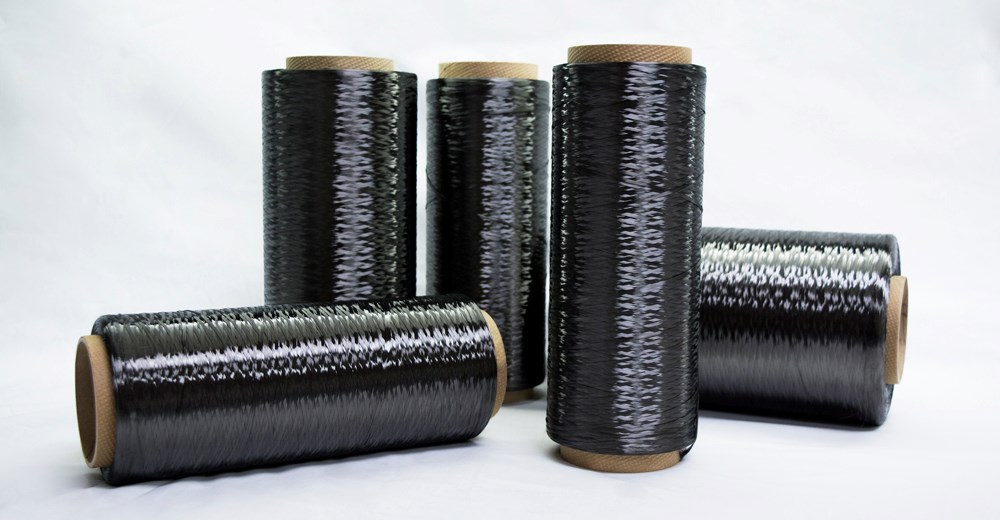
pDCPD is a cross-linked thermoset with no recycling route. A ruthenium catalyst and a stirred solvent take it apart - and leave the carbon fibre intact.

Near-infrared sorters are blind to black plastic and confused by multilayer film. Terahertz sensing sees through both. The physics is real; the belt speed and the detector price are not there yet.

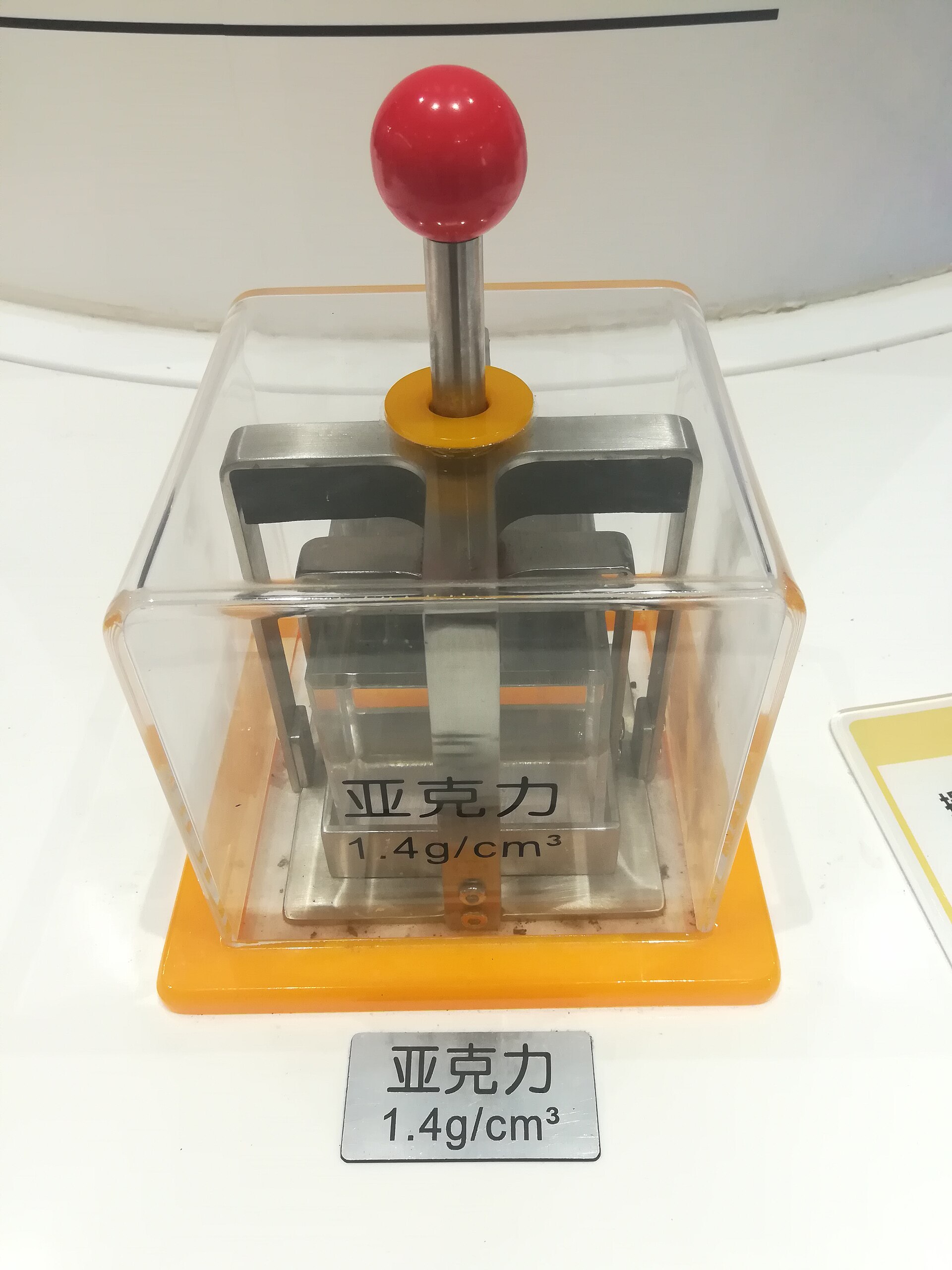
PMMA depolymerises back to its own monomer at high yield with nothing more exotic than heat. It is the clearest existing example of true chemical recycling — and the reason it stays rare is collection, not chemistry.

A soil-derived enzyme called LCPH1 breaks down long-chain polyester bioplastics and cleaves the penicillin beta-lactam ring. It is much better at the second job than the first, which is the detail worth sitting with.

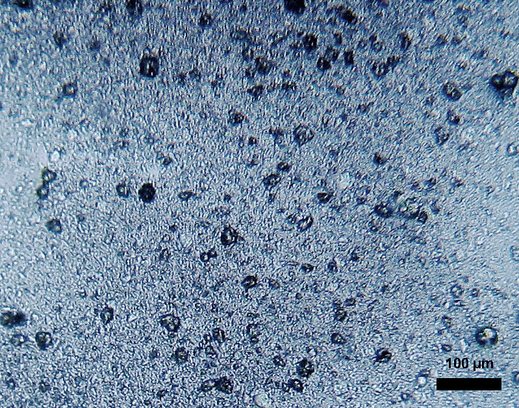
A magnetically driven MXene microrobot removes most microplastic particles from water and rather less from soil. The recovery figures are real; the retrieval and leaching questions are the ones that decide whether it ever leaves the lab.