ExplainerSeptember 19, 2026
800,000 Tons of Recyclable Film and Not Enough Buyers
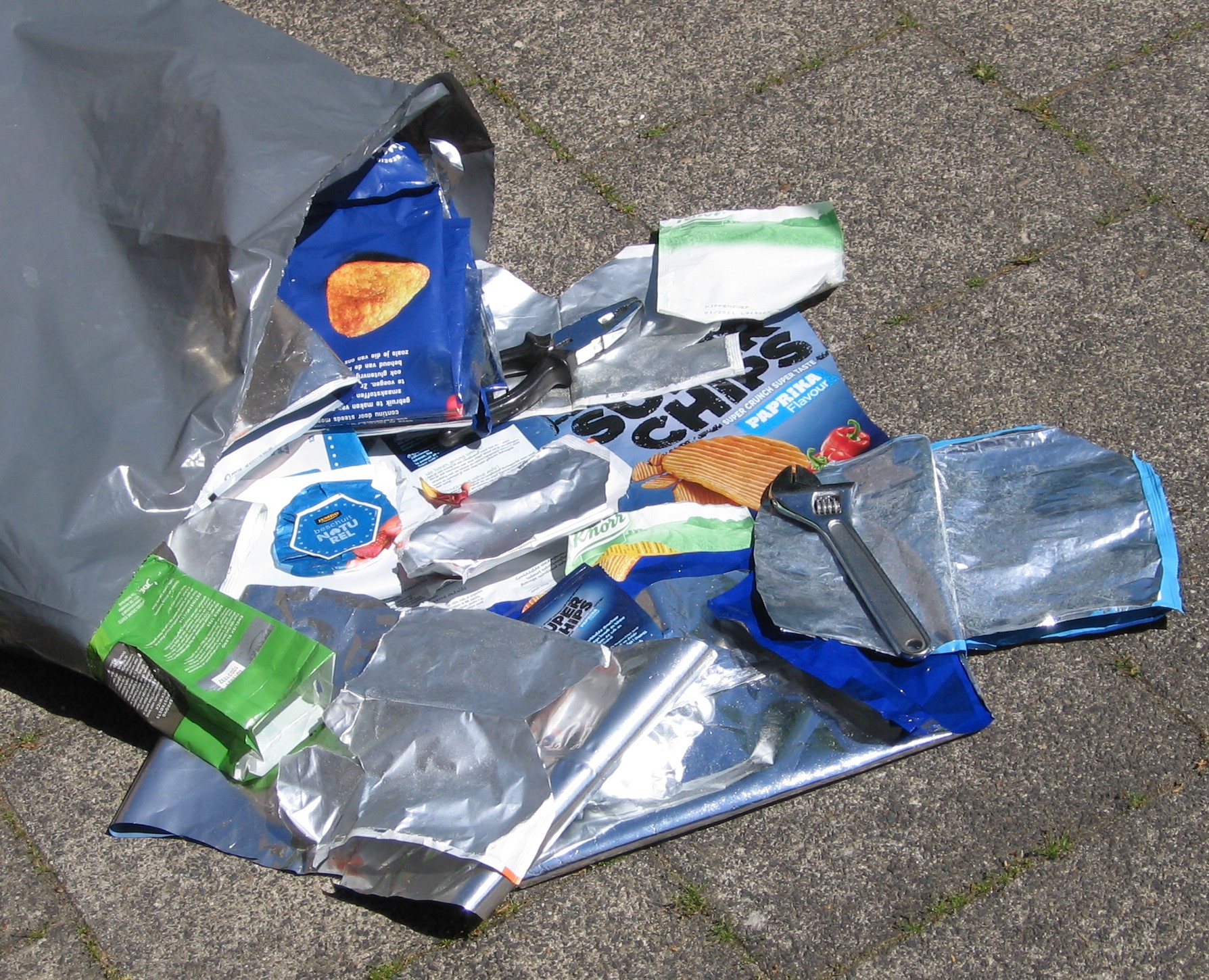
The US generates roughly 800,000 tons of recoverable polyethylene film a year. Twenty-seven reclaimers can process it, and fewer than half will take household film.

Explainers, teardowns, and myth-busting on waste management systems and green engineering.
The US generates roughly 800,000 tons of recoverable polyethylene film a year. Twenty-seven reclaimers can process it, and fewer than half will take household film.

The first carpet EPR programme in the US now runs 174 drop-off sites and recycles 78.5 million pounds a year. It is also a lesson in how slowly EPR moves.
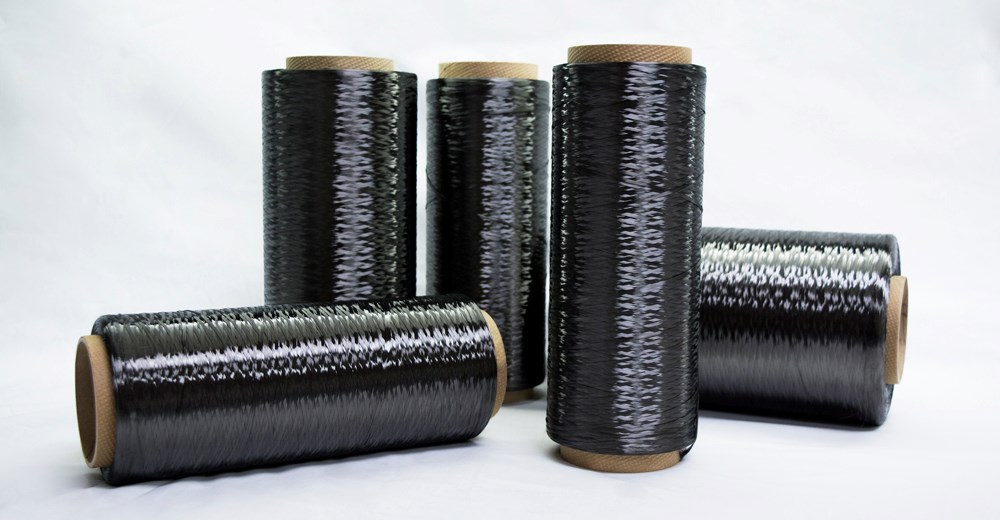
pDCPD is a cross-linked thermoset with no recycling route. A ruthenium catalyst and a stirred solvent take it apart - and leave the carbon fibre intact.
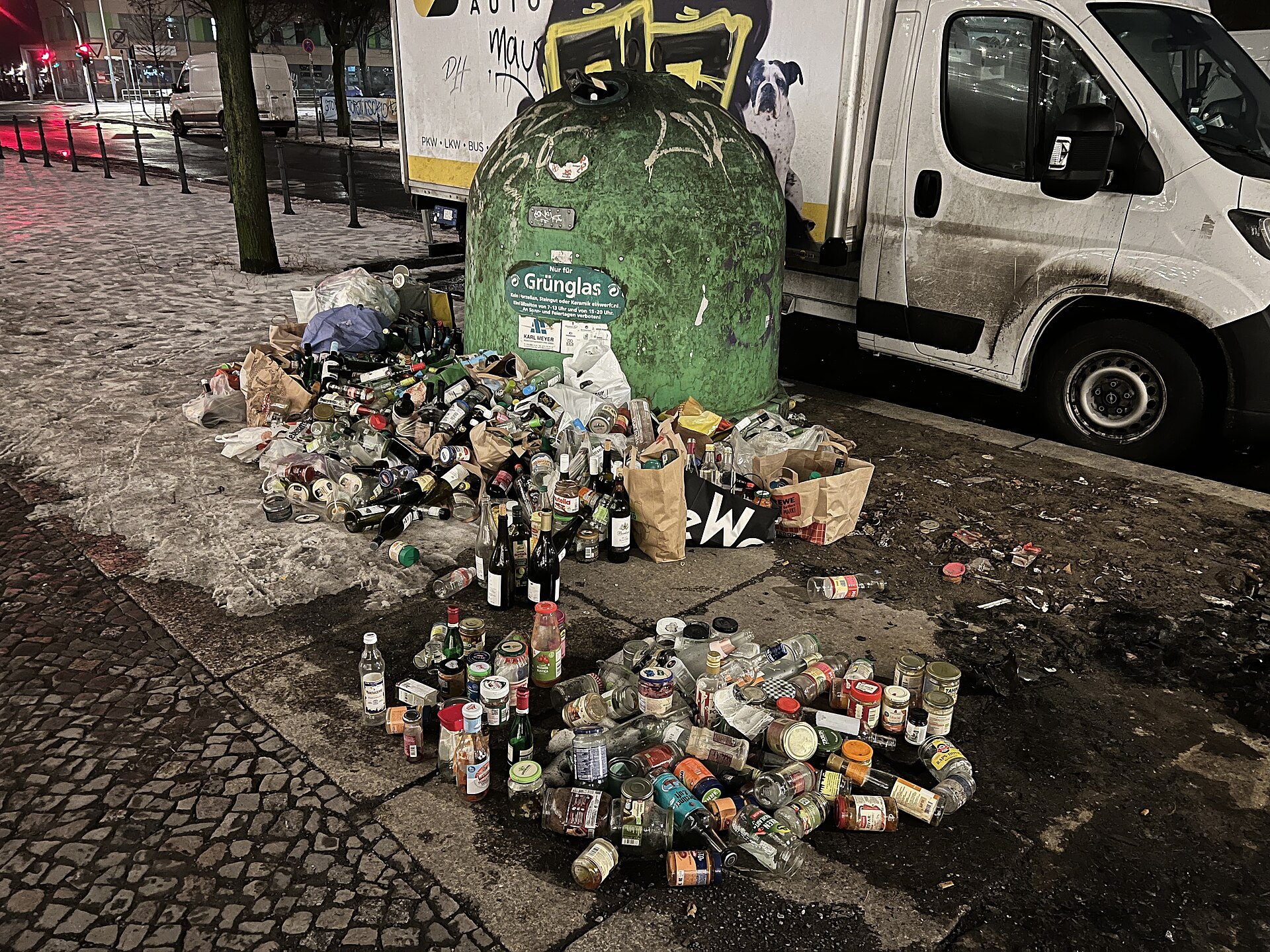
For decades half of Quebec's curbside glass was buried as landfill cover. A $20M optical-sorting upgrade finally gets it clean enough for the furnace.
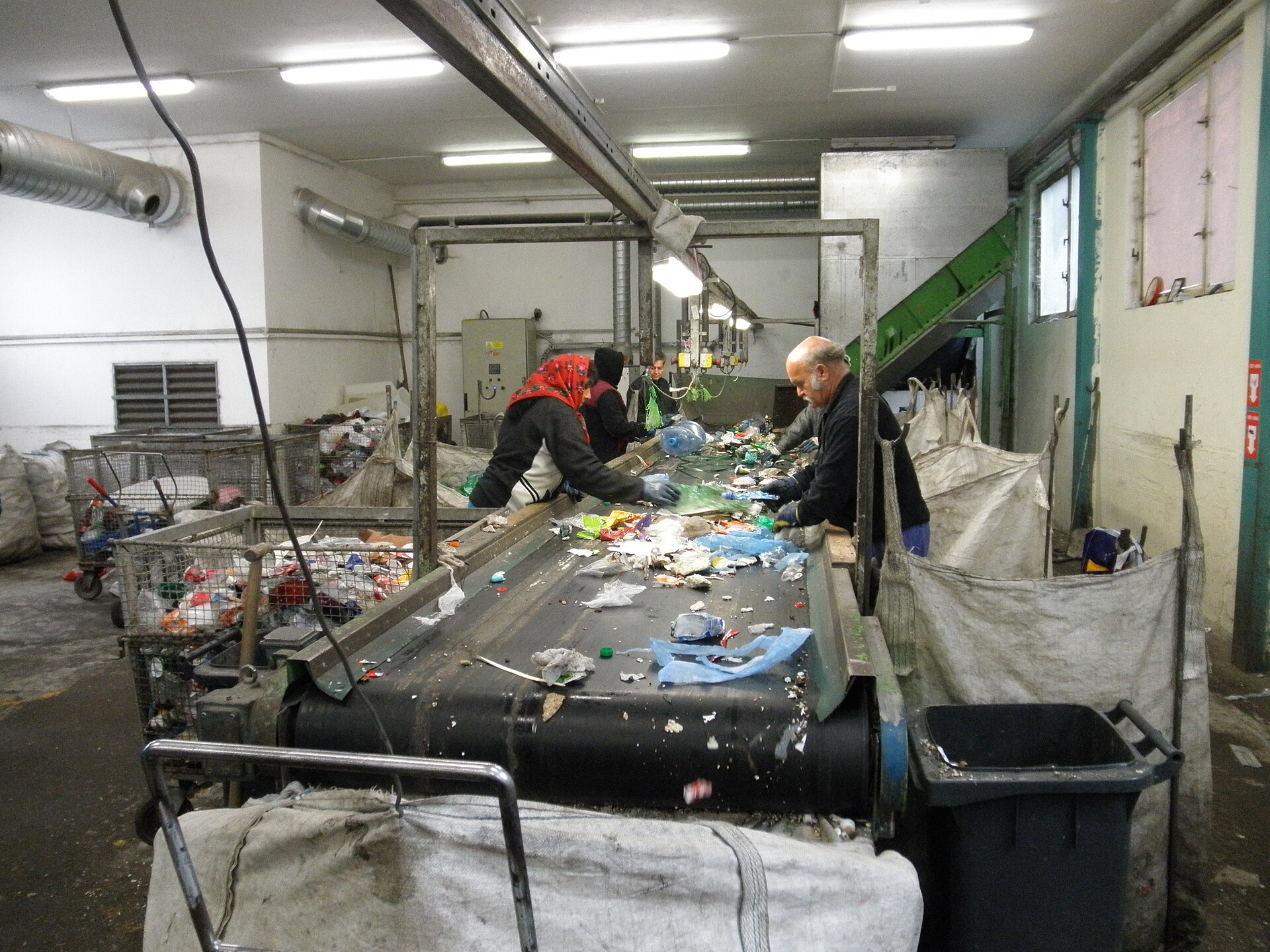
Near-infrared sorters are blind to black plastic and confused by multilayer film. Terahertz sensing sees through both. The physics is real; the belt speed and the detector price are not there yet.

Recovering neodymium and dysprosium from used magnets has been technically demonstrated many times over. Almost none of it happens, and the reason has nothing to do with metallurgy.

Crushed concrete reacts with CO2 to form calcium carbonate. Done deliberately, that upgrades recycled aggregate and stores a modest amount of carbon — and the modest part is where most reporting goes wrong.
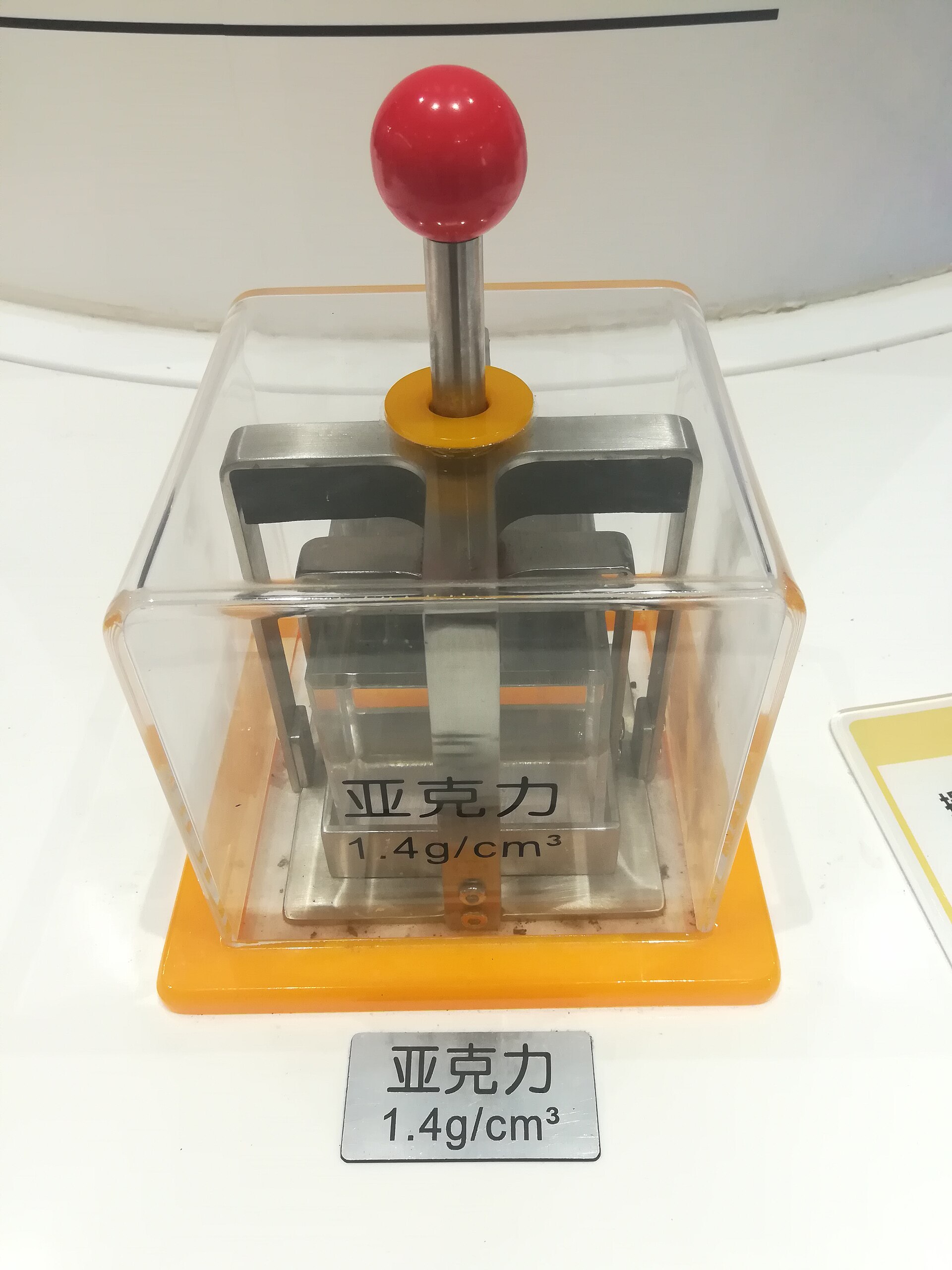
PMMA depolymerises back to its own monomer at high yield with nothing more exotic than heat. It is the clearest existing example of true chemical recycling — and the reason it stays rare is collection, not chemistry.
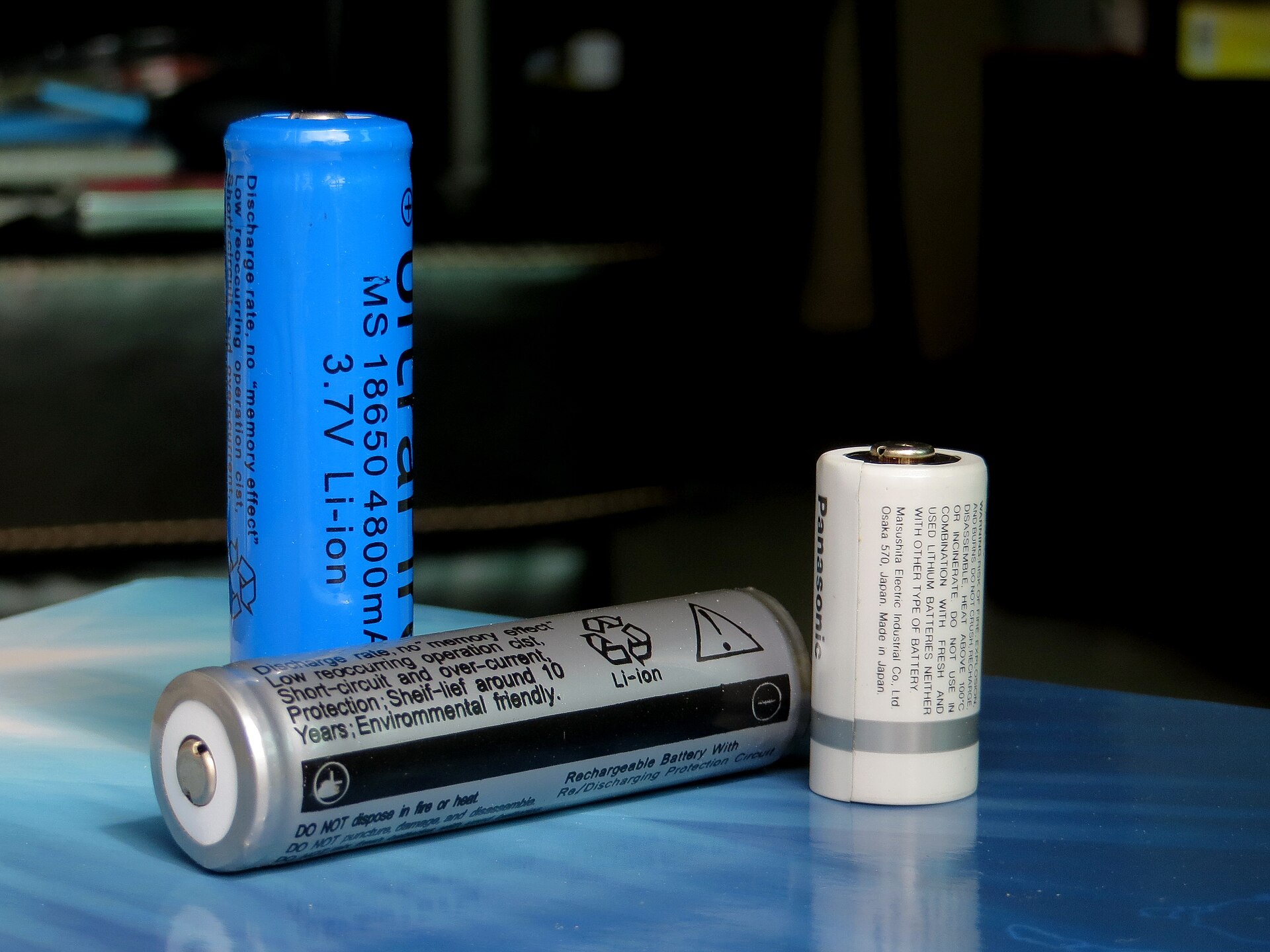
Conventional battery recycling dissolves cathodes in hot mineral acid. Microwave-assisted leaching in a deep eutectic solvent does the same job at lower temperature, in minutes, with a solvent you can in principle reuse.