Worn Again Has a Polycotton Recycling Plant. Half of It Is Running
Separating polyester from cotton is textile recycling's central unsolved problem. Worn Again's Swiss facility has module one commissioned and module two on paper.
Explainers, teardowns, and myth-busting on waste management systems and green engineering.

Separating polyester from cotton is textile recycling's central unsolved problem. Worn Again's Swiss facility has module one commissioned and module two on paper.

On-site shredding and disinfection that turns regulated medical waste into recyclable polymer flake. The disinfection is certified. Most of the headline numbers are not.

Two reverse vending machines in Dokki pay phone credit for bottles and cans — the exact fraction that has funded an informal collection economy for a century.

Four companies, six steps, and one link where the recycled content is attributed rather than physically traced. The pyrolysis is real. The loop is partly bookkeeping.

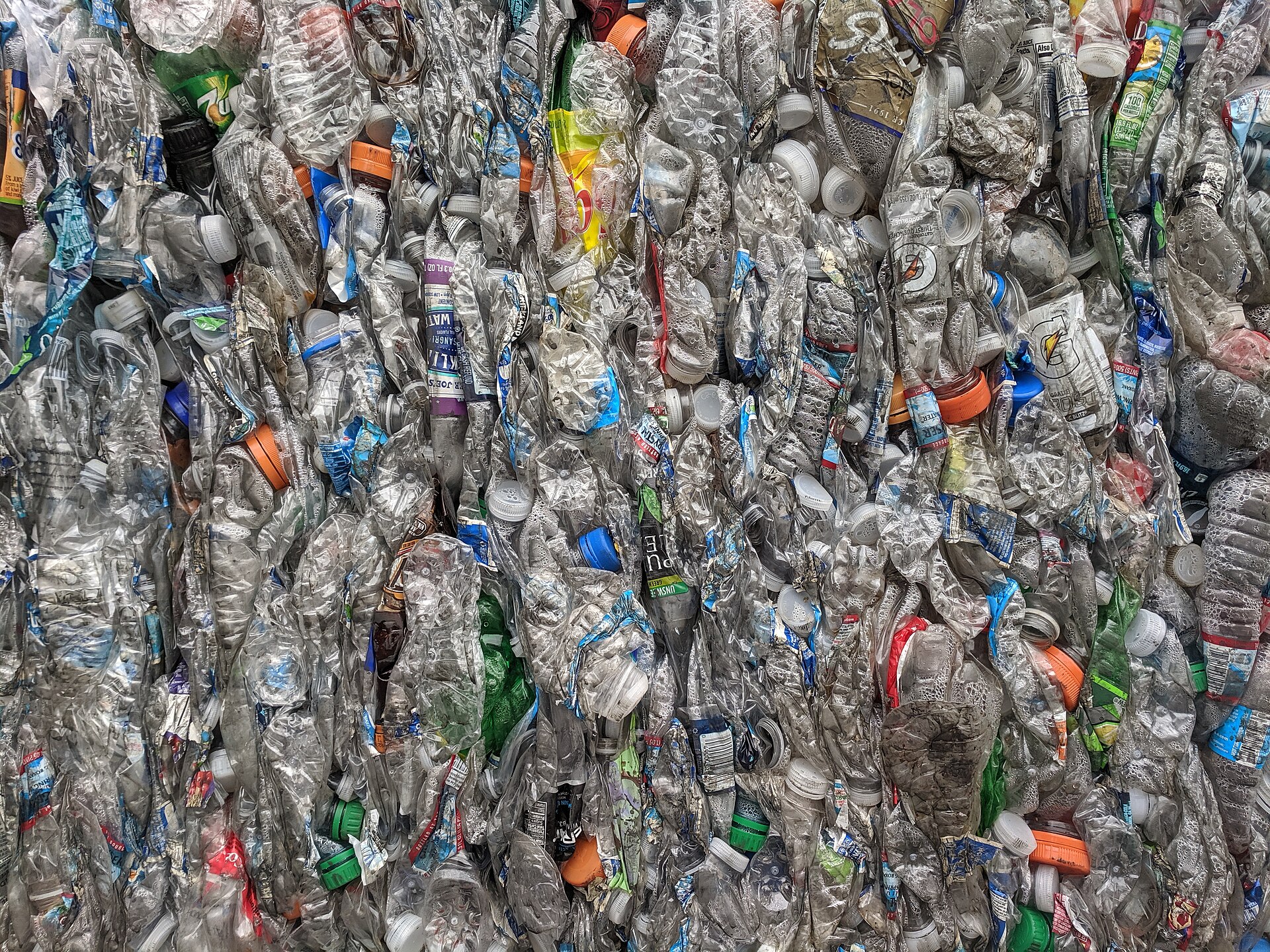
Chemical recycling of PET normally means a stirred tank and several hours. Kirin and JSW have moved the reaction into a continuous extruder. If the numbers hold, the interesting part is throughput per unit of capital.

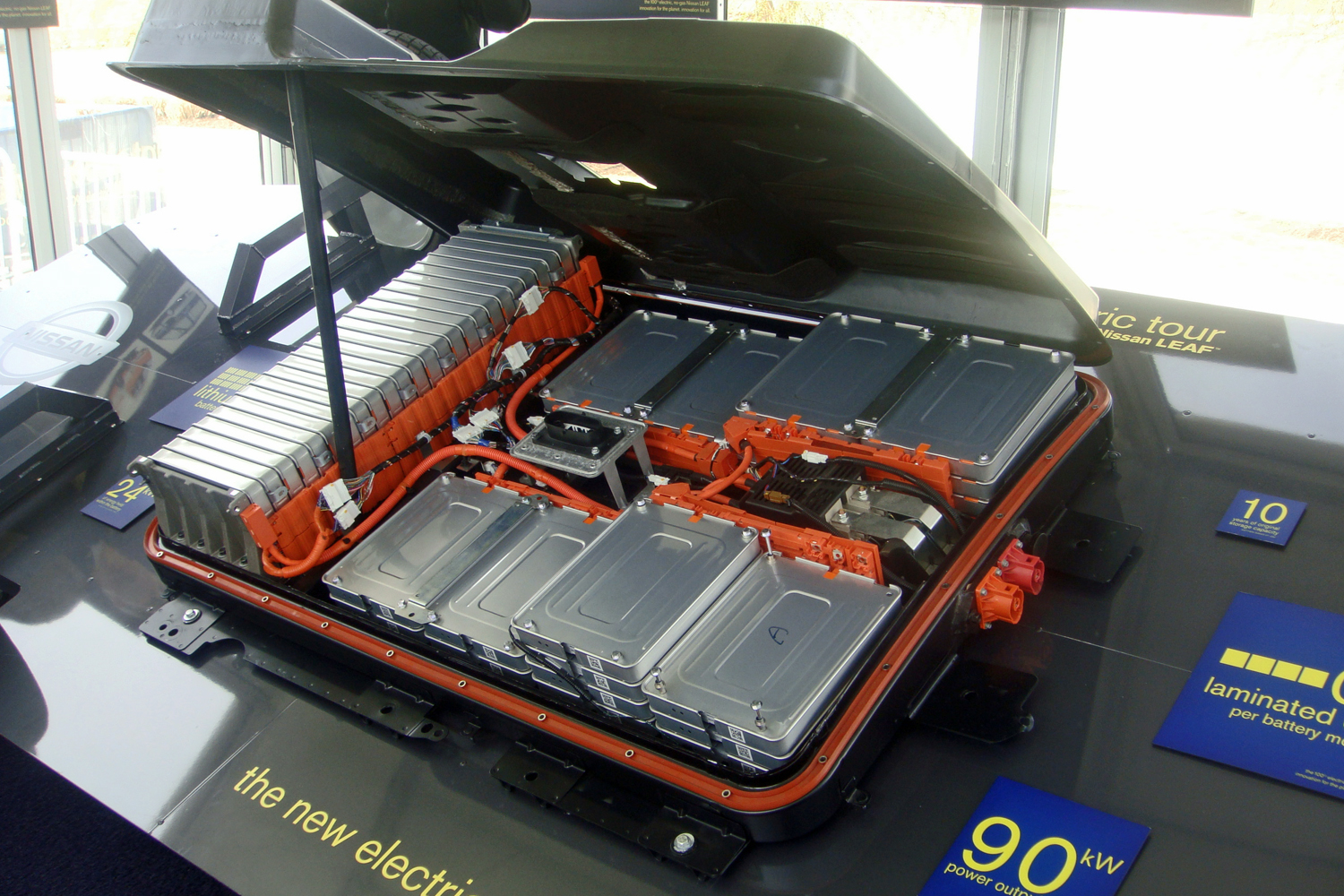
R3 Lithium is taking over battery recycling capacity in Covington, Georgia that Ascend Elements spent far more to build. The asset is real. The question is whether the funding matches what refining lithium to spec actually costs.

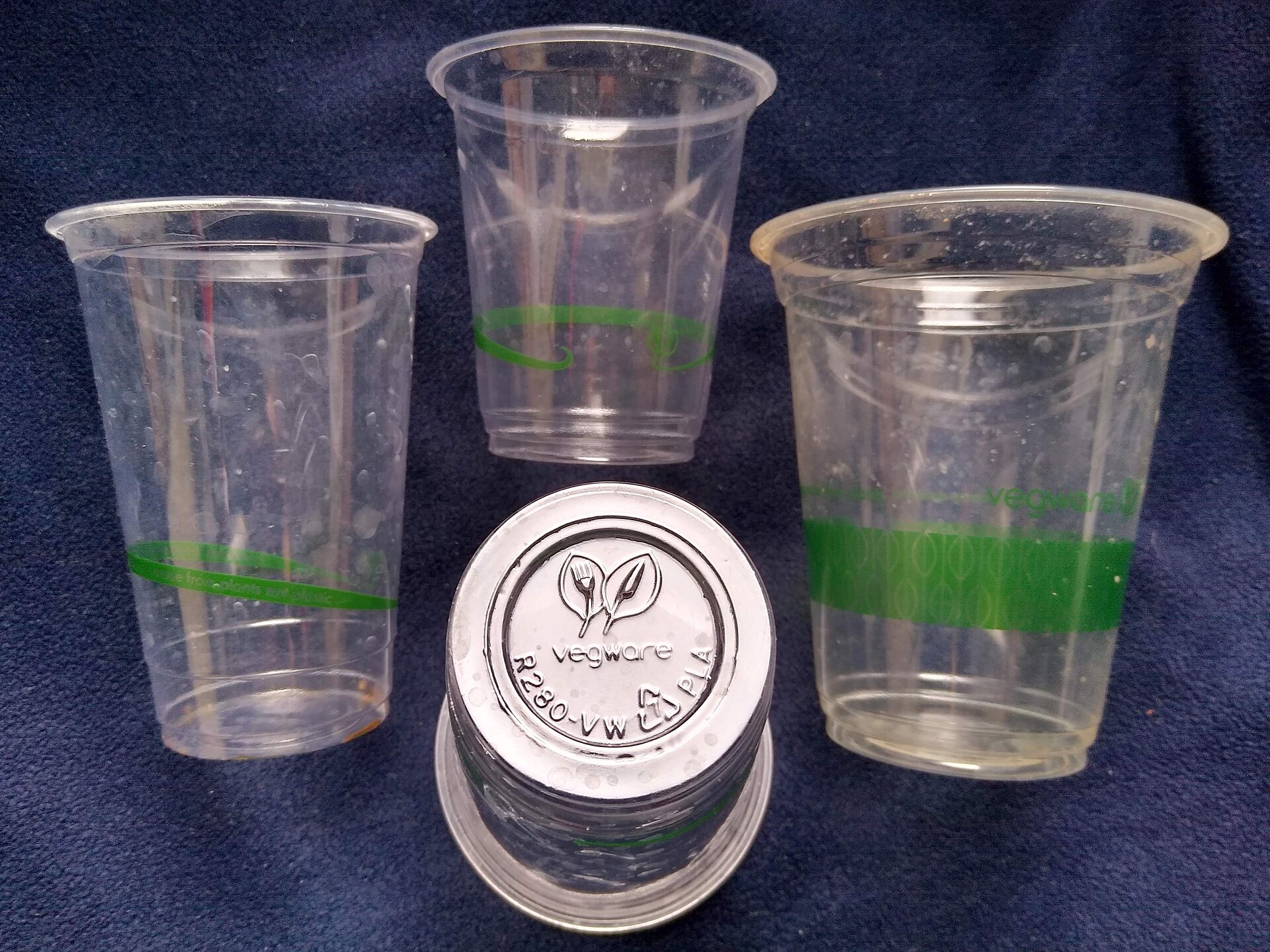
An EU project says it has closed the loop on PLA — sorting, depolymerising and repolymerising bioplastic back to virgin-grade. The chemistry is sound. The numbers that decide whether it matters are missing.

Chemical depolymerisation of nylon 6 back to caprolactam is proven chemistry with decades of industrial history. The constraint has always been that most nylon in the world is blended into textiles that cannot be separated.

Rice University reports ~95% recovery of critical metals using citric acid. The chemistry is genuinely clever. The framing around it — the lemon, the 10% figure, the record — does not survive a close read.

A pilot plant recovering lithium without mineral acid is a genuine contribution. The gap between pilot tonnage and the volume of batteries reaching end of life this decade is three orders of magnitude.